


This article was automatically translated from the original Turkish version.
+1 More
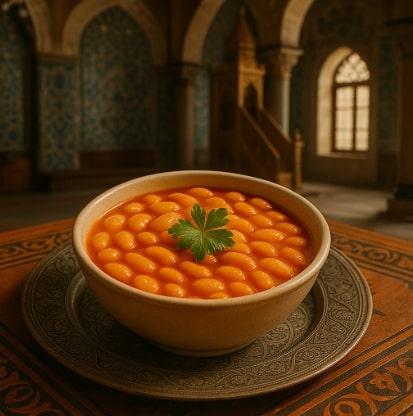
Dry beans (Phaseolus vulgaris L.) are a staple food item in Türkiye with a wide consumption base. Due to their nutritional content and economic accessibility, they are commonly consumed by various socio-economic groups. In Turk cuisine, dry fasulye has become a cultural symbol embedded in collective memory. This dish, typically served with rice, pickles, and ayran, is regarded in restaurant culture as a “milli menü” or national menu item.
Ev cuisine, restaurants, school and military dining halls, and special occasion tables all feature dry beans, making them one of the foundational elements of Anadolu food culture. Their nutritional value, satiating quality, and recipe diversity ensure their popularity in both rural and urban kitchens.
Dry beans are a plant native to the Americas. Archaeological evidence indicates they were first cultivated in Mexico and Central America approximately 7,000 to 8,000 years ago. After the Columbian Exchange, they spread to Europe and subsequently entered Ottoman cuisine. Initially consumed fresh in the Ottoman period, they gradually gained popularity in their dried form. By the 18th and 19th centuries, dry beans were established in both palace and provincial kitchens.
In Türkiye, the climate and the ability to be stored for a long duration contributed significantly to the acceptance of dry beans. From the 20th century onward, urbanization and the spread of restaurant culture transformed them into a symbolic folk dish.
class=\
Dry beans are rich in protein, carbohydrates, dietary fiber, iron, potassium, magnesium, folic acid, and B-group vitamins. Their high fiber content aids digestion and helps regulate glycemic response. Due to their low glycemic index, they are suitable for individuals with diabetes.
Research shows that regular consumption of dry beans helps lower cholesterol and supports heart health. Components such as phytates in their composition may partially inhibit mineral absorption; however, this effect can be reduced through proper soaking and cooking techniques.
In Türkiye, dry beans are widely cultivated especially in Central Anatolia, Eastern Anatolia, and the Black Sea regions. Annual average production is around 200,000 tons. Several regional varieties have been officially registered with geographical indications:
Traditional cultivation methods are used in producing these varieties, playing an important role in rural development.
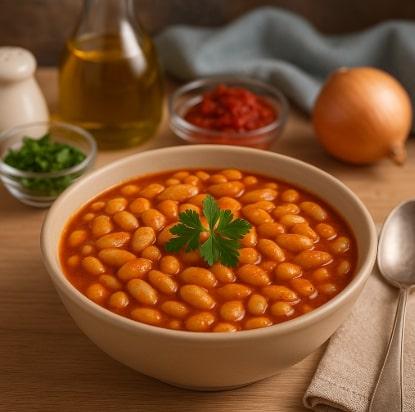
Dry beans are typically soaked overnight before preparation. This step reduces gas-producing effects and shortens cooking time. After boiling, they are cooked with tomato paste, onion, tomatoes, and various spices. Recipes may include meat or be meat-free; additions such as pastırma or sucuk are also common.
Slow cooking over low heat is the traditional method; in modern kitchens, pressure cookers are also used. Regional variations include pastırma-flavored versions in the Black Sea region, tomato-paste-based in Central Anatolia, meat-inclusive in Eastern Anatolia, and olive oil-based in the Aegean. In some areas, they are baked in earthenware pots and served as “güveç.”
Dry beans are a staple item on restaurant menus and are commonly referred to in popular speech as “pilav üstü kuru.” Their filling nature, affordability, and practicality make them a preferred dish in military, student, and worker kitchens. In social memory, they are viewed as a symbol of solidarity and sharing.
class=\
In Türkiye, regional varieties of dry beans differ in ingredients and techniques. Similar dishes exist in international cuisines:
These examples illustrate the bean’s status as a universal food and cultural element.
“Pilav üstü kuru” and “fasulyeden nem kapmak” are idioms reflecting the cultural presence of dry beans in the Turkish language. In literature, they symbolize a simple life. In cinema, particularly in films like Hababam Sınıfı, they appear as a symbolic dish. They are also featured in cartoons and humor magazines under the theme of a “milli” or national dish.
These cultural representations have elevated dry beans from merely a nutritional component to a social symbol.
Davidson, Alan. The Oxford Companion to Food. Oxford: Oxford University Press, 2014.
Demirbaş, Nuriye. Beslenme. Ankara: Hatiboğlu Yayınları, 2010.
Halıcı, Nevin. Türk Mutfağı. Ankara: Kültür Bakanlığı Yayınları, 2001.
Karay, Refik Halit. Memleket Hikâyeleri. İstanbul: İnkılâp Kitabevi, 2008.
Yerasimos, Marianna. 500 Yıllık Osmanlı Mutfağı. İstanbul: Boyut Yayın Grubu, 2002.
Ünsal, Artun. Sofranız Şen Olsun: Türkiye’de Yemek Kültürü. İstanbul: İletişim Yayınları, 2011.

History and Origin
Nutritional Value and Health Effects
Growing Regions and Geographical Indications
Preparation and Cooking Methods
Place in Turkish Cuisine and Cultural Significance
Regional and International Variations
Dry Beans in Literature and Popular Culture