


This article was automatically translated from the original Turkish version.
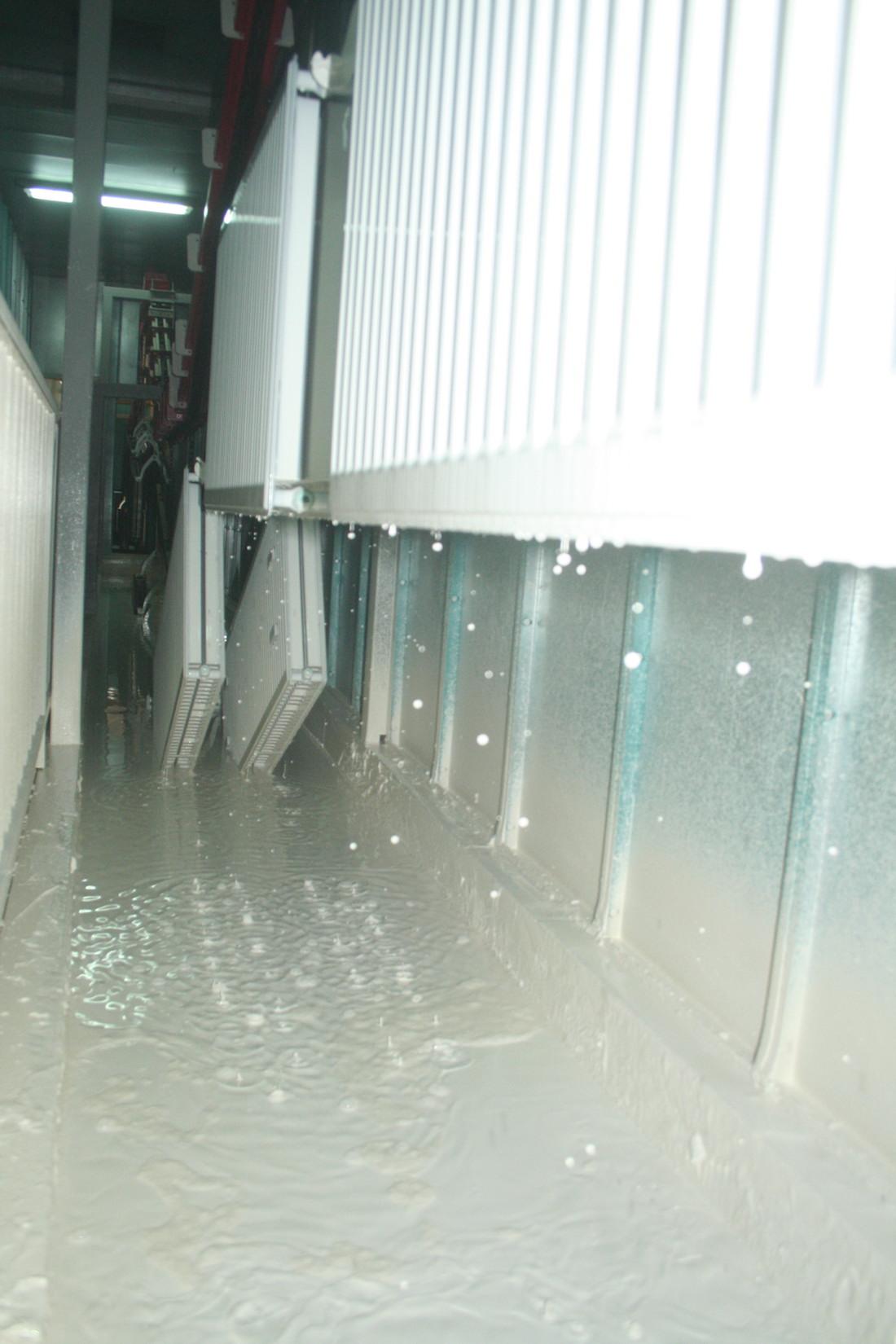
Dip Coating Paint
Method Name | Immersion Coating | ||||||||
|---|---|---|---|---|---|---|---|---|---|
Application Form | Immersion in Liquid Paint Bath | ||||||||
Institution Form | With Air or Oven Drying | ||||||||
Surface Type | Metal, Aluminum, Iron Components | ||||||||
Standards | ISO 19392-2, ASTM D823, EN 12206 | ||||||||
Dip coating is a traditional coating method that involves immersing entire parts into a liquid paint bath to apply paint to every surface point. The part is submerged in a controlled manner into the paint solution, forming a thin film of paint on the surface. Due to its low cost, ability to produce uniform coatings, and suitability for high-volume production, this method remains widely preferred in industry. It is especially common in automotive subcomponents, agricultural machinery, and white goods frame parts.
Millî Eğitim Bakanlığı (MEGEP). *Metal Teknolojisi: Yüzeyleri Boyama*. Ankara: MEB Yayınları, 2006. Accessed June 17, 2025. .
Millî Eğitim Bakanlığı (MEGEP). *Mobilya ve İç Mekân Tasarımı: Boyama Yapma*. Ankara: MEB Yayınları, 2011. Accessed June 17, 2025. https://megep.meb.gov.tr/mte_program_modul/moduller_pdf/Boyama%20Yapma.pdf.

Dip Coating Paint
Method Name | Immersion Coating | ||||||||
|---|---|---|---|---|---|---|---|---|---|
Application Form | Immersion in Liquid Paint Bath | ||||||||
Institution Form | With Air or Oven Drying | ||||||||
Surface Type | Metal, Aluminum, Iron Components | ||||||||
Standards | ISO 19392-2, ASTM D823, EN 12206 | ||||||||
Working Principle
Advantages
Disadvantages
Applications