


This article was automatically translated from the original Turkish version.
+1 More
Desovo Village
Name | Desovo (Десово) | ||||||||
|---|---|---|---|---|---|---|---|---|---|
Country | North Macedonia | ||||||||
Region | Pelagonia | ||||||||
Municipality | Dolneni | ||||||||
Coordinates | 21.32° E 41.41° N | ||||||||
Elevation | 600 | ||||||||
Population (Count) | 1108 | ||||||||
Ethnic Structure | 54% Bosniak, 31% Albanian, 7% Macedonian, 0.7% Turkish, 6.3% Other | ||||||||
Official Languages | Macedonian | ||||||||
Religion | Islam | ||||||||
Economy | Small-scale Livestock Farming Agriculture | ||||||||
Desovo (Macedonian: Десово, Albanian: Desovë) is a village隶属于 the Dolneni Municipality in the southwestern part of North Macedonia, located in the Pelagonia region. The village is situated at an elevation of approximately 600 meters above sea level and is surrounded by agricultural land and rural areas. Desovo is located near the city of Bitola (Manastir).
In the early 20th century, Desovo became one of the key centers of Albanian movements in the region. In 1912, units led by Serbian Chetnik commander Vasilije Trbić attacked the village, killing 111 Albanian men and burning it down. A similar attack occurred in 1929, prompting much of the Albanian population to emigrate to countries such as Türkiye, the United States, and Australia. In 1948, approximately 1,500 Albanians lived in the village, but during the years 1963–1968, due to political pressures in Yugoslavia, a large portion of the population migrated to Türkiye. Today, only a small number of Albanians remain in the village, and an Albanian school operates to serve this community.
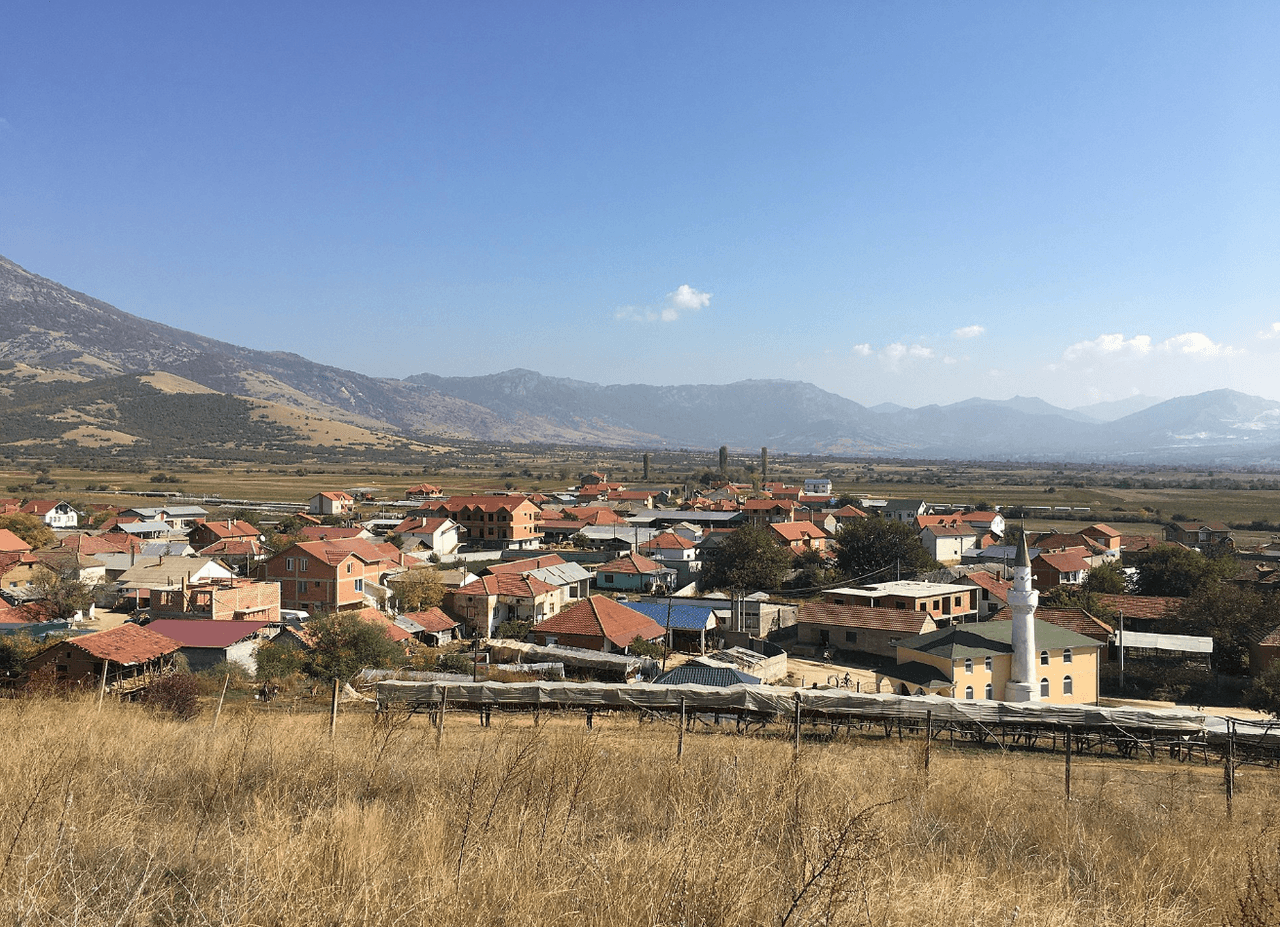
Desovo Köyü (Kaynak: Kiril Simeonovski)
According to the 2021 census, the total population of Desovo is 1,108. The ethnic composition is as follows:
The gender distribution consists of 588 males and 520 females. By age group, there are 284 people aged 0–14, 725 aged 15–64, and 99 aged 65 and over. According to data from Vasil Kanchov in 1900, the village was home to 625 Muslim Albanians, 75 Roma, and 40 Bulgarian Christians.
Desovo has been affected by the widespread trends of emigration and population decline common in rural areas of North Macedonia. Due to low agricultural incomes, inadequate infrastructure, and limited educational opportunities, the young population has been migrating to urban centers or abroad. This has led to population aging and a decline in the village’s overall population.
CityPopulation.de. "Desovo (Dolneni, Pelagonia Region, North Macedonia) - Population Statistics".
Ibrahimi, Mustafa. Emigracioni shqiptarë nga Maqedonia në Çikago. Interlingua.
Kanchov, Vasil. Macedonia: Ethnography and Statistics. Sofia, 1900.
State Statistical Office of the Republic of North Macedonia. Macedonian Census (2021), Book 5 - Total population according to the Ethnic Affiliation, Mother Tongue and Religion. Skopje, 2021. Accessed May 5, 2025. h
Timofeev, Alexey. The Wars of Yesterday: The Balkan Wars and the Emergence of Modern Military Conflict, 1912-13. Berghahn Books.

Desovo Village
Name | Desovo (Десово) | ||||||||
|---|---|---|---|---|---|---|---|---|---|
Country | North Macedonia | ||||||||
Region | Pelagonia | ||||||||
Municipality | Dolneni | ||||||||
Coordinates | 21.32° E 41.41° N | ||||||||
Elevation | 600 | ||||||||
Population (Count) | 1108 | ||||||||
Ethnic Structure | 54% Bosniak, 31% Albanian, 7% Macedonian, 0.7% Turkish, 6.3% Other | ||||||||
Official Languages | Macedonian | ||||||||
Religion | Islam | ||||||||
Economy | Small-scale Livestock Farming Agriculture | ||||||||
History
Demographic Structure
Socioeconomic Conditions and Migration