This article was automatically translated from the original Turkish version.
Common Names in Türkiye | Şevketibostan, wild chicory, dandelion | ||||||||
|---|---|---|---|---|---|---|---|---|---|
Distribution Area | Scandinavia, Iceland, and temperate and cold regions of Northern Europe have naturalized in New Zealand, Chile, Argentina, and the coasts of North America | ||||||||
Habitat and Climate | Coastal grasslands, alpine meadows, snow cushions, alvars, and thermal areas are open habitats with cold, cool, and variable temperature regimes | ||||||||
Flowering Period | June – October | ||||||||
Height(s) | 5–40 cm | ||||||||
Growth Form | Perennial herb; leaves in rosette form, stems glabrous, flower heads bright yellow and usually >2 cm | ||||||||
Pollination | Insect-pollinated (entomophilous); exhibits heliotropism; self-pollination is prevented (physiological incompatibility) | ||||||||
Seed Dispersal | Wind-dispersed achenes with pappus | ||||||||
Ecological Role | Important nectar source for pollinators; contributes to vegetation persistence in disturbed habitats | ||||||||
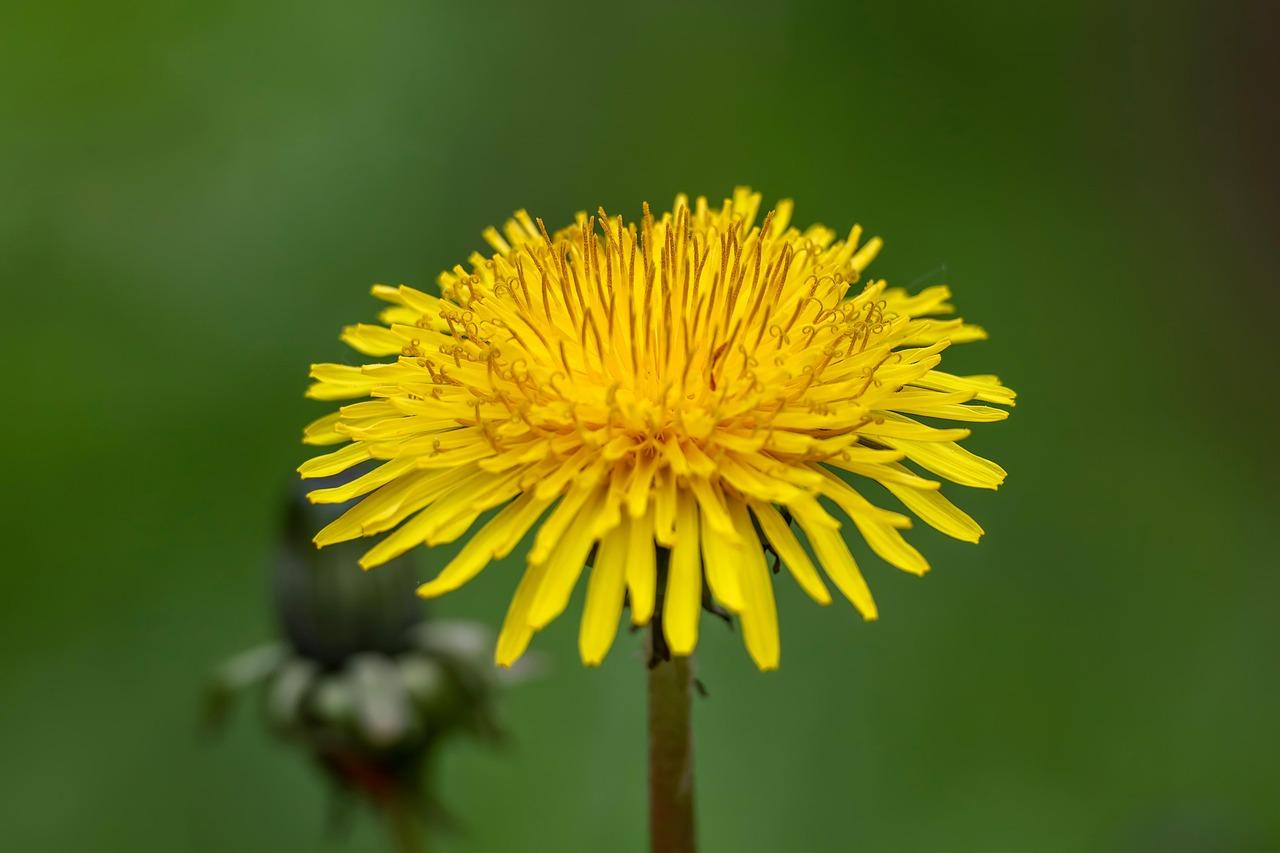
Dandelion (Scorzoneroides autumnalis) is a perennial herbaceous plant with yellow flowers that exhibits a broad ecological distribution ranging from coastal areas to alpine zones in cold and temperate climate regions. It is a characteristic species commonly observed in open and disturbed habitats such as rocky and sandy coastlines alpine meadows alvars and thermal areas. During its flowering period the relatively large flower heads (capitula) attract attention through morphological features such as color and trichome density of the involucre. This species is known for its high sensitivity to environmental temperature conditions and is frequently used as a model system in ecological and evolutionary studies to investigate processes such as phenotypic plasticity and adaptive morphological responses.
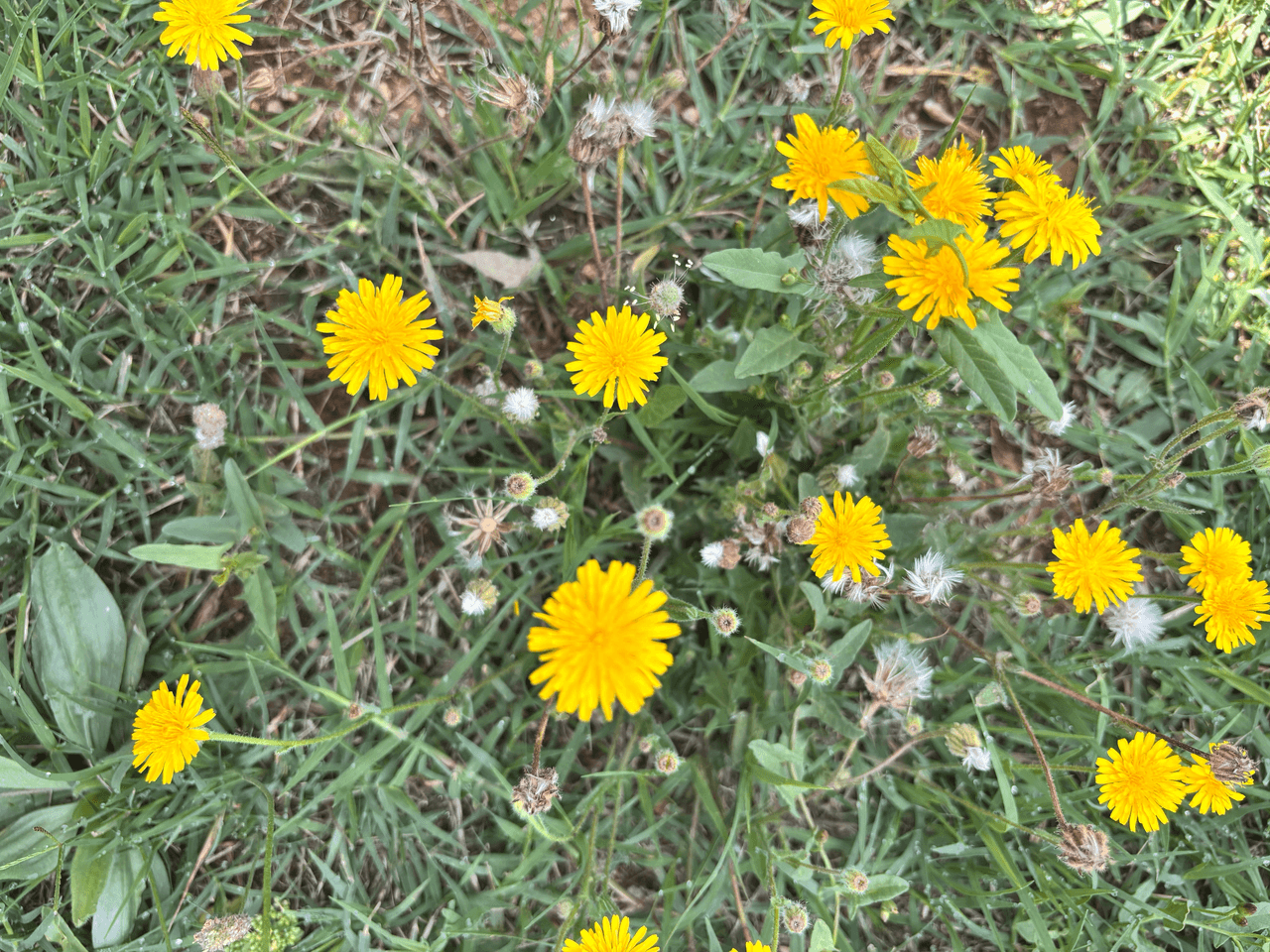
Dandelion (Scorzoneroides autumnalis Plant) (Gaye Durmuş 20 June 2025)
Scorzoneroides autumnalis (formerly Leontodon autumnalis) is a perennial herbaceous plant belonging to the Asteraceae family. The plant has rosette-forming basal leaves and generally glabrous slender flowering stems (scapes) that vary in height from 5 to 40 cm and often branch. At the tips of these stems the flower heads (capitula) are ligulate bright yellow and typically exceed 2 cm in diameter. The ligulate florets on the outer edge sometimes exhibit reddish streaking on their outer surfaces.
The capitulum is surrounded by involucral bracts. These bracts display a wide variation in color ranging from green to black and in trichome density from glabrous to woolly. Trichomes may occur at varying densities along the margins and central veins of the bracts and are typically transparent white yellow brown or black. Involucral trichome density and color exhibit significant variability depending on environmental temperature conditions and demonstrate high levels of phenotypic plasticity.
The leaves are 5–15 cm long and show morphological variation ranging from entire to completely pinnatisect. The fruit is an achene approximately 2.5 mm long with a pale brown pappus resembling hairs that facilitates wind dispersal.
The flowering period generally extends from June to October. The plant is predominantly entomophilous meaning pollination occurs via insects and self-pollination is rare. This suggests that Scorzoneroides autumnalis possesses a physiological self-incompatibility system.
In summary S. autumnalis is a structurally flexible species exhibiting remarkable morphological diversity in aspects such as flower structure involucral bract morphology trichome density and color variation. However most of these variations are not due to genetic differences but rather represent morphological responses to environmental conditions. This necessitates careful evaluation of the species’ botanical characters in taxonomic classifications.
Scorzoneroides autumnalis is a habitat generalist with broad ecological tolerance. This plant is widely observed in cold and temperate climate zones particularly in high-latitude regions such as Scandinavia and Iceland with cool summer temperatures. The species occurs across a wide ecological range from sea coasts to alpine meadows in dry or moist open and disturbed areas. It thrives especially in rocky and sandy coastal strips alvars (thin-soiled limestone barren areas) snow accumulation zones roadside verges grasslands alluvial plains and geothermal areas among other diverse and sometimes extreme habitats.
S. autumnalis is highly adaptable to soil conditions and can grow on substrates with varying chemical compositions ranging from calcareous soils to volcanic substrates. However the species generally avoids highly acidic soils. This ecological flexibility facilitates the formation of local populations across different geographic regions.
Studies have shown that involucral trichome density coloration intensity and capitulum size are directly correlated with environmental temperature. Under low-temperature conditions increased capitulum size darker involucral bract coloration and denser trichome cover are observed. These traits enhance the flower structures’ ability to absorb solar radiation retain heat accelerate floral tissue development and become more attractive to insect pollinators. Thus S. autumnalis has evolved morphological adaptation mechanisms that improve both survival and reproductive success under cool climatic conditions.
In terms of pollination the plant is largely dependent on insects. The presence of a physiological mechanism that prevents self-pollination promotes outcrossing. This contributes to the preservation of local genetic diversity and supports the species’ ability to adapt to different habitats.
Ecosystem-wise S. autumnalis serves as an important source of nectar and pollen for pollinator faunas such as bees and flies as part of the flowering vegetation in open areas. Due to its abundance and morphological variability its responses in flowering traits to climate change and habitat transformation make it suitable for use as an indicator species in ecological research. In this context it is considered a suitable model organism for studies on phenotypic plasticity and adaptive morphology.
Scorzoneroides autumnalis is a diploid perennial herbaceous plant that reproduces sexually. Its reproductive strategy is primarily based on entomophily (insect-mediated pollination). The plant is largely self-incompatible and this trait is believed to be maintained by a physiological self-incompatibility system. This system is important for preserving genetic diversity and promoting gene flow between different individuals.
Pollination occurs primarily through insects active during the flowering period. The flower heads (capitula) of S. autumnalis are composed of ligulate bright yellow florets and some individuals exhibit reddish streaks on their outer surfaces. These visual features serve to attract potential pollinators. The plant’s heliotropism (sun-tracking behavior) warms the flowers accelerating floral tissue development and creating a more favorable microclimate for pollinating insects. This increases pollinator visitation rates and directly enhances seed production.
The fruit produced after reproduction is an achene a common type in the Asteraceae family. These small dry fruits (approximately 2.5 mm long) possess a pale brown pappus with hair-like structures that facilitate wind dispersal. Thanks to this pappus structure seeds are effectively dispersed by wind enabling wide-ranging colonization. This long-distance seed dispersal is one of the main factors explaining the species’ extensive geographic distribution.
Observations have revealed that the flowering success of S. autumnalis is directly related to environmental temperature. Under low temperatures increased darkening and trichome density in floral structures enhance the flower’s heat retention capacity which positively affects both floral development and the pollination process. Therefore the pollination and reproductive success of the species is shaped not only by its genetic structure but also by its high phenotypic plasticity in response to environmental conditions.
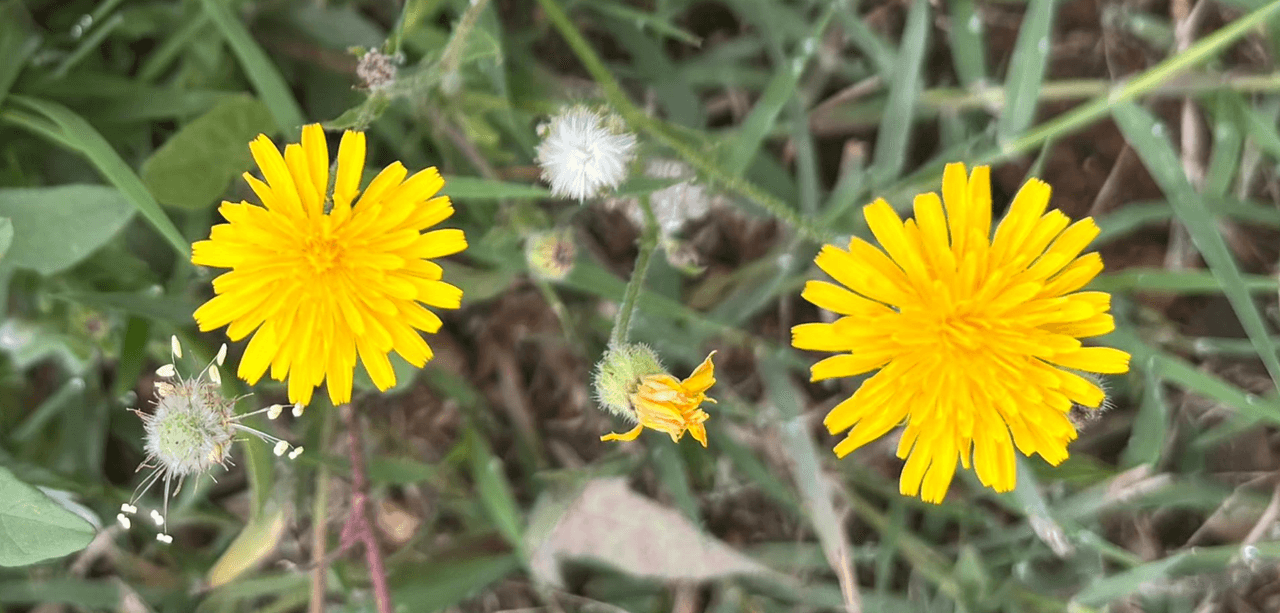
Dandelion (Scorzoneroides autumnalis Plant) (Gaye Durmuş 20 June 2025)
Current research on Scorzoneroides autumnalis focuses primarily on its habitat use morphological variability and phenotypic plasticity and does not provide any specific assessment of its direct effects on water quality or its filtration function within ecosystems.
It is known that the species is commonly observed in open and disturbed habitats such as coastal areas depressions formed by snowmelt alvars and thermal zones. While these habitats can sometimes be moist or temporarily water-saturated no evidence has been presented indicating that S. autumnalis directly influences the chemical or physical components of water in these environments.
Furthermore considering the plant’s leaf structure root system and substrate preferences no ecological or physiological characteristics have been reported that suggest it behaves as a phytoremediation species (i.e. a plant that purifies water). However its broad ecological tolerance allowing adaptation to various soil types (calcareous volcanic etc.) and temperature regimes enables it to survive in some anthropogenically disturbed areas. In this sense it may be considered a potential candidate for habitat restoration processes but this assumption requires further research beyond existing data.
In conclusion available data are insufficient to support the claim that S. autumnalis directly regulates water quality or performs a filtration function. The ecological impacts of the species are primarily evaluated in terms of its flowering period pollinator interactions and temperature-dependent morphological responses. Therefore further research is needed to assess its potential capacity for filtration or its effects on hydrological balance.
Scorzoneroides autumnalis is a species that indirectly contributes to the conservation of local biodiversity and the sustainability of ecosystem services due to its wide geographic distribution and high tolerance to environmental variability. Particularly during its flowering period it serves as an important resource for pollinators supporting the pollination function within regulatory ecosystem services.
The plant’s bright yellow conspicuous flower heads (capitula) provide nectar and pollen for bees and other insect pollinators contributing to the dietary continuity of local pollinator faunas. Its physiological self-incompatibility mechanism preserves genetic diversity and enhances population adaptive potential which is significant for the long-term sustainability of genetic resources. This feature constitutes a supportive service for the conservation of biodiversity at the genetic level.
S. autumnalis can also be regarded as a species contributing to the structural integrity of ecosystems. Its presence in diverse and sensitive microhabitats such as coastal meadows alpine meadows alvars and thermal areas demonstrates its role in various ecological niches. This enables it to act as a resilient component maintaining vegetation continuity as part of plant communities resistant to environmental stressors such as cold drought and low nutrient levels.
Additionally the high phenotypic plasticity exhibited by S. autumnalis—its ability to rapidly alter morphological traits in response to environmental conditions—enhances the species’ flexibility to different climate scenarios and allows it to be classified among plant species adapted to climate change. This characteristic enables the species to contribute to ecosystem stability at the habitat level and provides a foundation for its consideration as an important model organism in future biodiversity research.
Overall Scorzoneroides autumnalis is regarded as a significant ecosystem component particularly in northern latitudes and disturbed habitats for sustaining floristic diversity ensuring continuity of pollinator services and preserving adaptive potential.
Go Botany. "Scorzoneroides autumnalis." Native Plant Trust. Accessed June 10, 2025. https://gobotany.nativeplanttrust.org/species/scorzoneroides/autumnalis/.
Ingimundardóttir, Gróa Valgerður, Torbjörn Tyler, Nils Cronberg, Mikael Hedrén, and Stefan Andersson. “Dressed for the Occasion! Ecotypic Divergence, Phenotypic Plasticity and Taxonomic Value of Capitulum Characters of Scorzoneroides autumnalis (Asteraceae).” *Nordic Journal of Botany* 2024, no. 7 (March 13, 2024): n. pag. https://doi.org/10.1111/njb.04211. Accessed June 10, 2025.
NatureSpot. "Autumn Hawkbit – Scorzoneroides autumnalis." Accessed June 10, 2025. https://www.naturespot.org/species/autumn-hawkbit-0.
Pixabay. "Karahindiba, Çiçek, Bitki." Accessed June 10, 2025. .

Common Names in Türkiye | Şevketibostan, wild chicory, dandelion | ||||||||
|---|---|---|---|---|---|---|---|---|---|
Distribution Area | Scandinavia, Iceland, and temperate and cold regions of Northern Europe have naturalized in New Zealand, Chile, Argentina, and the coasts of North America | ||||||||
Habitat and Climate | Coastal grasslands, alpine meadows, snow cushions, alvars, and thermal areas are open habitats with cold, cool, and variable temperature regimes | ||||||||
Flowering Period | June – October | ||||||||
Height(s) | 5–40 cm | ||||||||
Growth Form | Perennial herb; leaves in rosette form, stems glabrous, flower heads bright yellow and usually >2 cm | ||||||||
Pollination | Insect-pollinated (entomophilous); exhibits heliotropism; self-pollination is prevented (physiological incompatibility) | ||||||||
Seed Dispersal | Wind-dispersed achenes with pappus | ||||||||
Ecological Role | Important nectar source for pollinators; contributes to vegetation persistence in disturbed habitats | ||||||||
No Discussion Added Yet
Start discussion for "Dandelion (Scorzoneroides autumnalis)" article
Botanical Structure and Morphological Characteristics
Habitat Adaptation and Ecosystem Role
Pollination and Reproduction Mechanisms
Water Quality and Filtration Function
Ecosystem Services and Biodiversity Contribution