


This article was automatically translated from the original Turkish version.
Culture economy is a discipline that examines the economic value of cultural products services and activities. This field aims to understand the dynamics of cultural industries and creative sectors while analyzing how culture contributes to economic growth employment creation and social development. Cultural economy encompasses areas such as art music literature tourism and media such as and represents the intersection of economic and cultural processes.
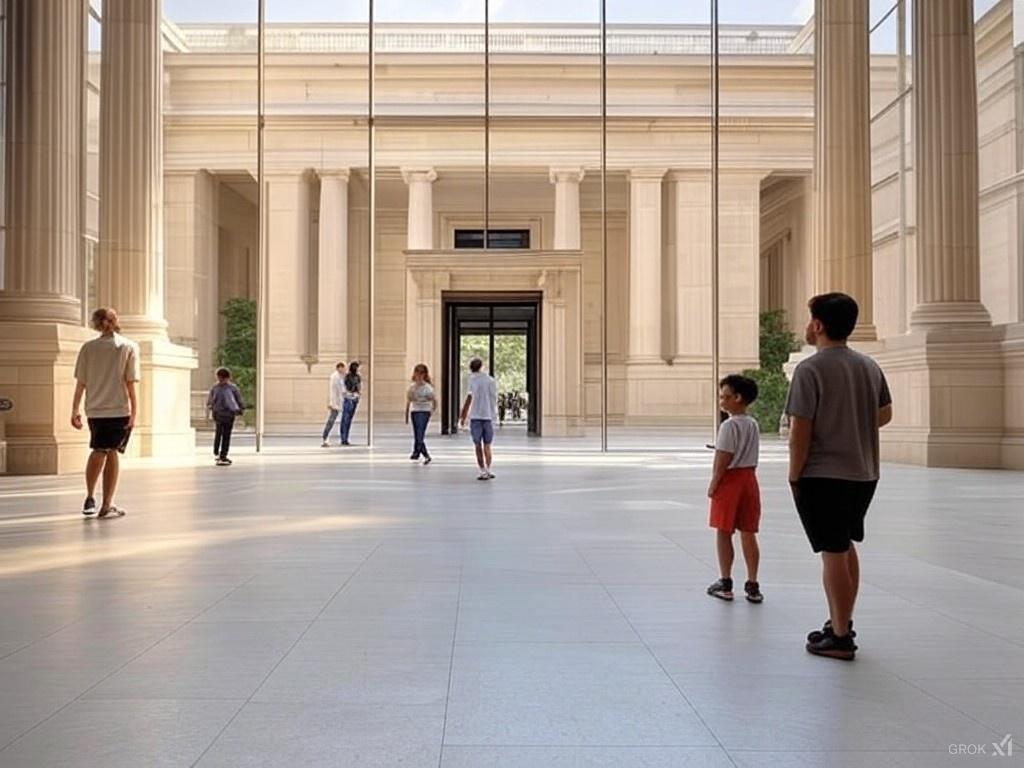
Image generated by artificial intelligence.
Cultural economy analyzes the economic impacts of the cultural sector and evaluates how investments in this field contribute to social well-being. Key questions in cultural economy include how the economic value of cultural products is measured what impact creative sectors have on economic growth and how the preservation of cultural heritage can be made economically sustainable.place
Cultural economy also assesses the social and individual effects of cultural activities alongside their economic returns. This discipline plays an important role in shaping cultural policies and explores how cultural values can be integrated with economic development.
Cultural economy applies fundamental economic concepts to cultural sectors. In this context concepts such as creative economy cultural capital and economic added value form the foundation of cultural economy.
Creative Economy: It refers to processes in which innovative thought and creativity are transformed into economic outputs. For example the film industry and digital content production are key components of the creative economy.
Cultural Capital: It denotes the value created by a society’s historical artistic and cultural assets for economic development. For instance integrating cultural heritage sites with tourism is one way this capital is utilized.
Economic Added Value: It is the economic magnitude generated through the production and consumption of cultural products. For example the contribution of a music festival to the local economy can be assessed within this framework.
Cultural economy has a broad range of applications including the design of cultural policies analysis of cultural industries and economic evaluation of cultural heritage.
Design of Cultural Policies
Cultural economy provides policy recommendations to governments for supporting cultural activities. Examples include investments in cultural infrastructure incentive programs for artists and the preservation of local cultural heritage.
Analysis of Cultural Industries
Cultural industries are studied to measure the economic impact of creative sectors. For instance the employment and income generation potential of the cinema fashion and gaming sectors are focal points of cultural economy.
Economic Evaluation of Cultural Heritage
Cultural heritage elements such as historical buildings museums and traditional crafts are viewed as tools for economic development. For example the tourism potential of cultural heritage sites is a subject of such analyses.
Culture and Digitalization
Digitalization plays a crucial role in the transformation of cultural economy. The widespread dissemination of art and cultural products through digital platforms has expanded the reach of cultural industries.
Cultural Diversity and Globalization
Globalization has increased the international circulation of cultural products while simultaneously raising concerns about the preservation of cultural diversity. Cultural economy aims to develop policies that achieve this balance.
Impact of Pandemics on the Cultural Sector
Pandemics such as COVID-19 have had profound effects on cultural economy. Issues such as cancellation of events and travel restrictions have pushed the cultural sector toward digital alternatives.
Cultural economy will continue to develop strategies to enhance the contribution of creative sectors to economic growth and to preserve cultural heritage. Technological advancements enable cultural products to reach wider audiences while efforts to protect cultural diversity and local values are increasing the importance of this field.
Accessed January 13, 2025
Accessed January 13, 2025
Accessed January 13, 2025
Accessed January 13, 2025
Accessed January 13, 2025
Howkins, J. (2002). The Creative Economy: How People Make Money from Ideas. Penguin.
KEA European Affairs (2006). The Economy of Culture in Europe. European Commission.
Throsby, D. (2001). Economics and Culture. Cambridge University Press.
UNCTAD (2018). Creative Economy Outlook: Trends in International Trade in Creative Industries. United Nations Conference on Trade and Development.
UNESCO (2013). The Cultural and Creative Industries: A Review of Economic Impact Studies. United Nations Educational, Scientific and Cultural Organization.

Cultural Economy
Economy and Finance Category
Definition and Importance of Cultural Economy
Core Concepts of Cultural Economy
Application Areas of Cultural Economy
Current Issues in Cultural Economy
The Future of Cultural Economy