


This article was automatically translated from the original Turkish version.
+2 More
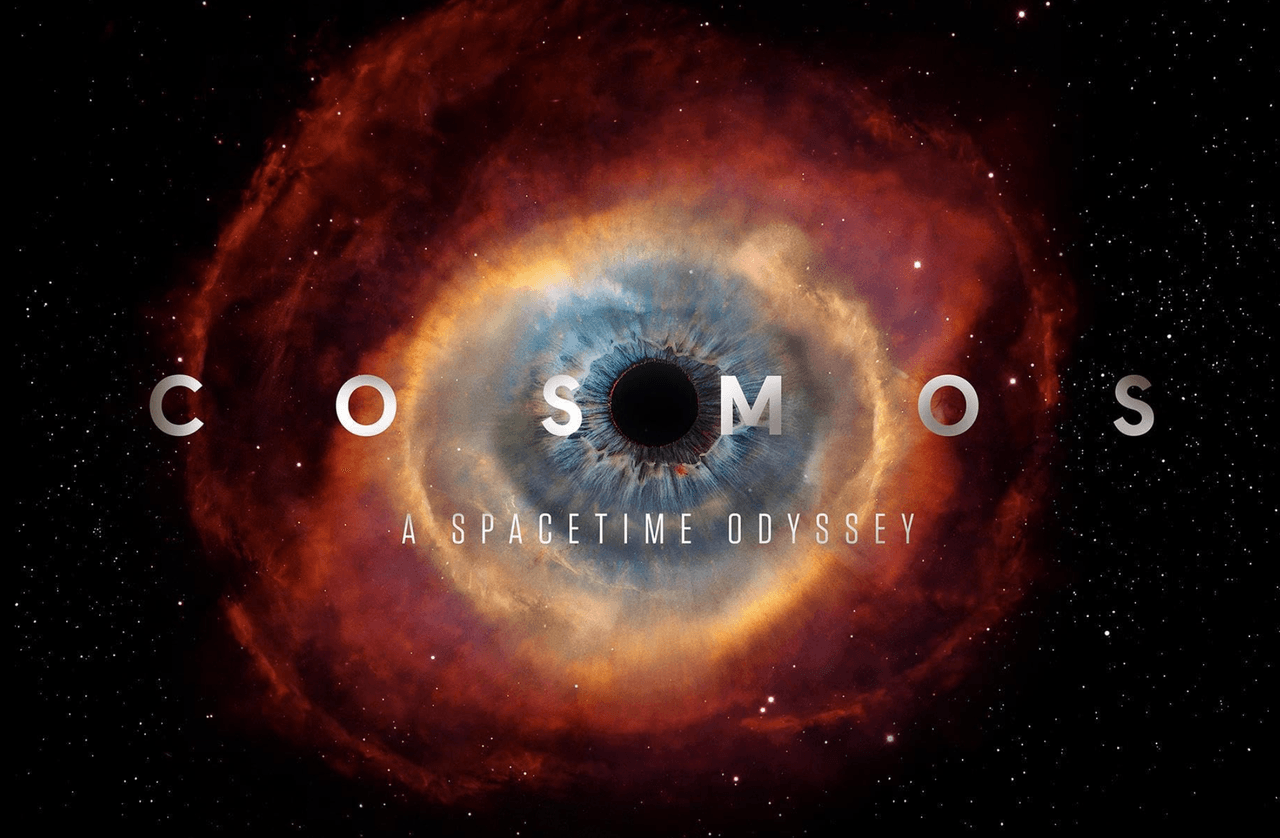
Cosmos: A Spacetime Odyssey (Documentary)
Producers | Steven Soter Ann Druyan Seth MacFarlane | ||||||||
|---|---|---|---|---|---|---|---|---|---|
Genre | Science Documentary | ||||||||
Host | Neil deGrasse Tyson | ||||||||
Country | United States of America (USA) | ||||||||
Number of Episodes | 13 | ||||||||
Episode Duration | 40-45 Minutes | ||||||||
Language | English | ||||||||
Director | Brannon Braga Ann Druyan | ||||||||
Cosmos: A Spacetime Odyssey is a documentary television series that examines the fundamental principles of the universe and the historical development of scientific discoveries. Produced and presented by astrophysicist Neil deGrasse Tyson the series aims to provide viewers with a scientific perspective on various aspects of the cosmos. First aired in 2014 the series serves as a modern successor to Carl Sagan's 1980 documentary Cosmos: A Personal Voyage. While tracing key scientific breakthroughs in humanity's quest to understand the universe the documentary also explores their historical and social implications.
Cosmos: A Spacetime Odyssey (Cosmos: A Spacetime Odyssey)
Cosmos: A Spacetime Odyssey offers a series of scientific journeys designed to explore the universe. These journeys are facilitated by a virtual spacecraft known as the Ship of the Imagination which transports viewers into the depths of the cosmos and presents visual representations of various scientific phenomena. Each episode focuses on a specific scientific discovery or theory and thoroughly examines its historical context.

Cosmos: A Spacetime Odyssey (Cosmos: A Spacetime Odyssey)
As the episodes explain different dimensions of the universe and fundamental scientific principles they emphasize the evolution of scientific thought throughout human history and the roles played by scientists in this process. The methods behind discoveries the challenges faced by scientists and the outcomes achieved are discussed to reveal how scientific thinking has been shaped.
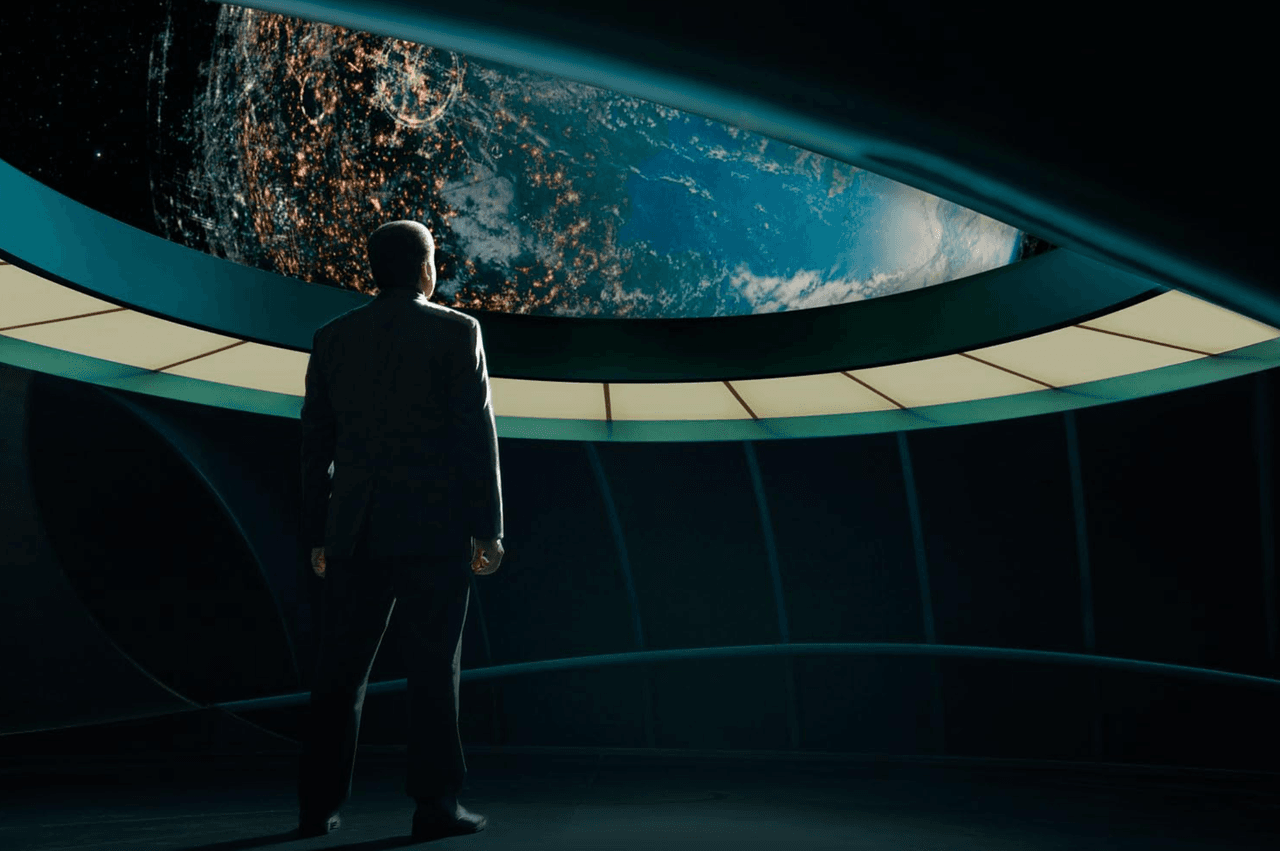
Cosmos: A Spacetime Odyssey (Cosmos: A Spacetime Odyssey)
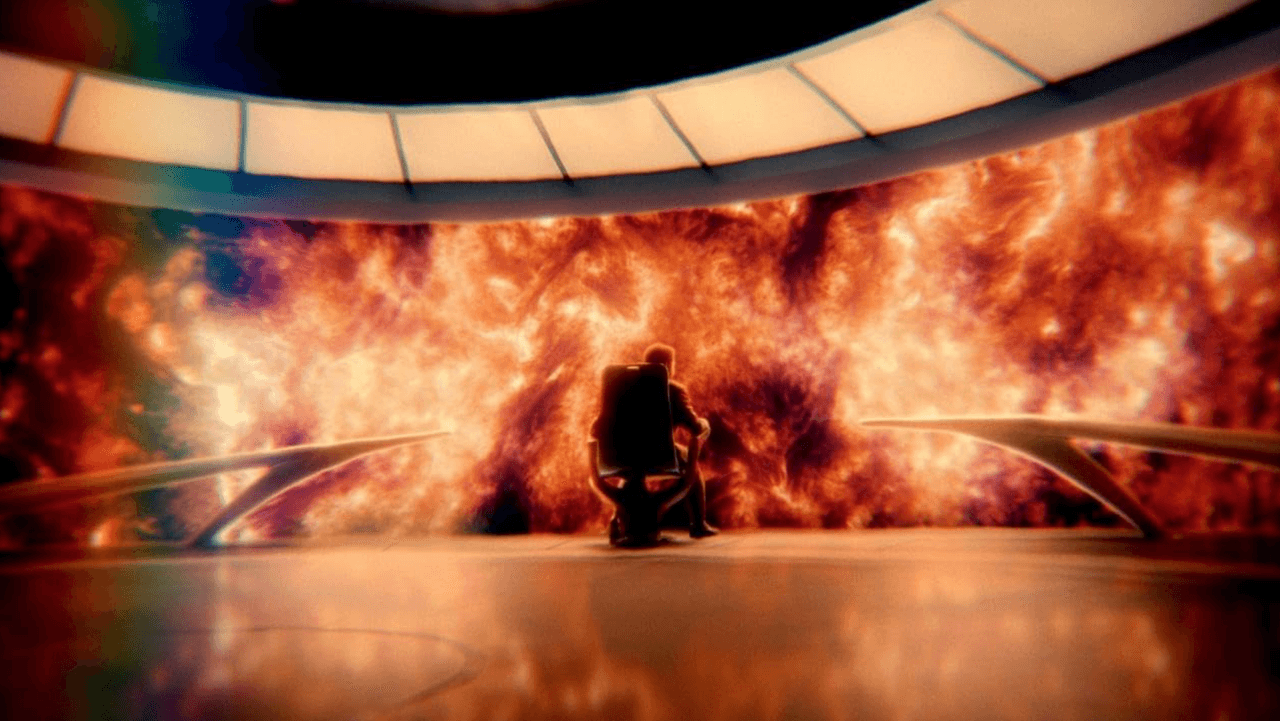
Cosmos: A Spacetime Odyssey ( Cosmos: A Spacetime Odyssey)
The series consists of thirteen episodes that address the origin of the universe cosmic events scientific revolutions and pivotal scientists throughout history. Each episode is structured around a specific scientific theme through which universal concepts such as spacetime evolution and physical laws are explored in depth.
Cosmos: A Spacetime Odyssey (Cosmos: A Spacetime Odyssey)
The documentary Cosmos: A Spacetime Odyssey was directed by Brannon Braga and Jason H. Neulander. Brannon Braga is a producer and writer known for his work in science fiction particularly for his contributions to the Star Trek series. Jason H. Neulander is an experienced documentary director. Both directors aimed to effectively communicate scientific data through visual storytelling. The producers include Seth MacFarlane Neil deGrasse Tyson and Brannon Braga. Seth MacFarlane is a producer and screenwriter renowned for animated television series. Neil deGrasse Tyson as an astrophysicist took on the role of bringing scientific content to the public. Brannon Braga served both as director and producer focusing on creatively presenting scientific topics. This team supported the documentary's commitment to scientific accuracy and its goal of reaching a broad audience.
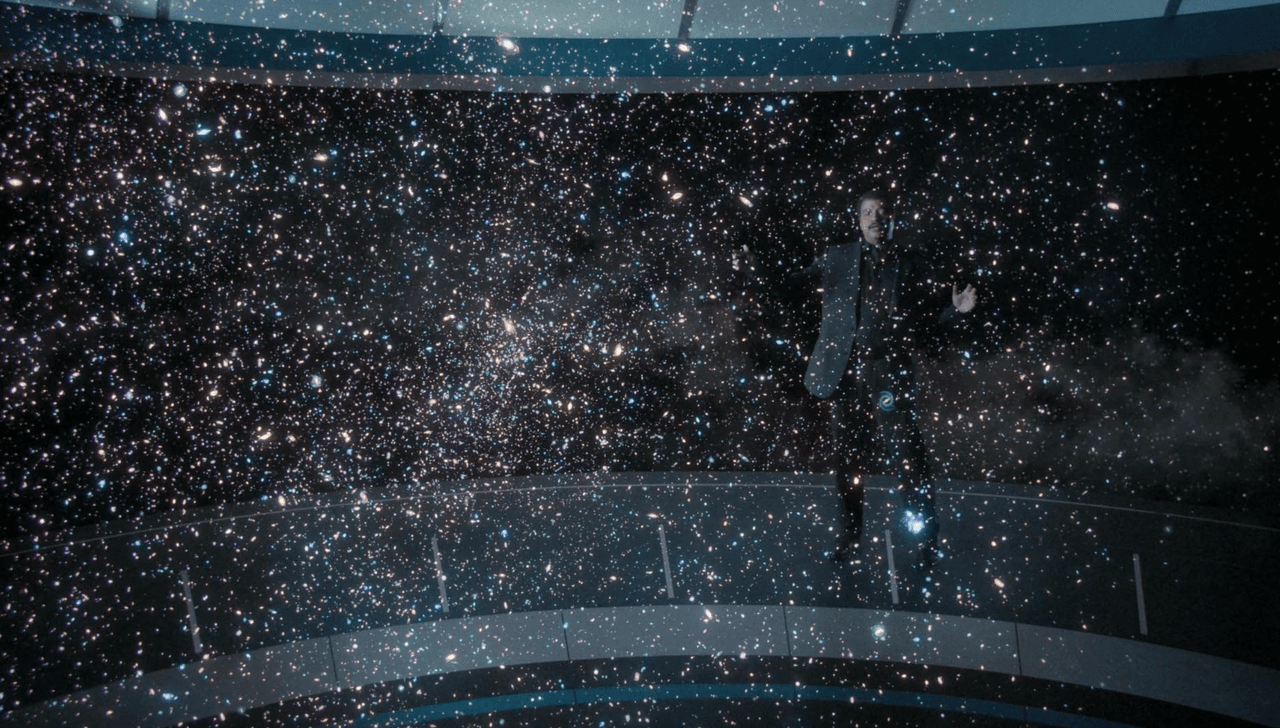
Cosmos: A Spacetime Odyssey (Cosmos)
Following its 2014 premiere Cosmos: A Spacetime Odyssey received numerous prestigious awards and nominations for its success in communicating scientific knowledge to the public its narrative power and its visual and technical excellence.
Cosmos: A Spacetime Odyssey (IMDB)
The series won four awards and received three nominations at the 2014 Primetime Emmy Awards.
Awards Won:
Nominated Categories:
The series was honored with a Peabody Award for its success in presenting scientific knowledge clearly and effectively to the public. This award recognizes media content that serves the public interest.
At the 2015 WGA Awards the series won the award for Best Writing in the category of Nonfiction Documentary Programs.
Cosmos: A Spacetime Odyssey was nominated in the category of Outstanding Producer of Nonfiction Television at the PGA Awards.
These awards and nominations demonstrate the series' international recognition for its scientific accuracy narrative structure production quality and impact on public consciousness.
IMDb. "Cosmos: A Spacetime Odyssey." IMDb, Accessed May 15, 2025.https://www.imdb.com/title/tt2395695/?ref_=ttmi_ov_bk.
IMDb. “Still from Cosmos: A Spacetime Odyssey.” IMDb. Accessed May 15, 2025.https://www.imdb.com/title/tt2395695/mediaviewer/rm1125686017/?ref_=ext_shr_lnk.
IMDb. “Still from Cosmos: A Spacetime Odyssey.” IMDb. Accessed May 15, 2025.https://www.imdb.com/title/tt2395695/mediaviewer/rm1661377281/?ref_=ext_shr_lnk.
IMDb. “Still from Cosmos: A Spacetime Odyssey.” IMDb. Accessed May 15, 2025.https://www.imdb.com/title/tt2395695/mediaviewer/rm1976617472/?ref_=ext_shr_lnk.
IMDb. “Still from Cosmos: A Spacetime Odyssey.” IMDb. Accessed May 15, 2025.https://www.imdb.com/title/tt2395695/mediaviewer/rm3026524416/?ref_=ext_shr_lnk.
IMDb. “Still from Cosmos: A Spacetime Odyssey.” IMDb. Accessed May 15, 2025.https://www.imdb.com/title/tt2395695/mediaviewer/rm3395340800/?ref_=ext_shr_lnk.
National Geographic. "Cosmos: A Spacetime Odyssey." National Geographic, Accessed May 15, 2025.https://www.natgeotv.com/me/cosmos-a-spacetime-odyssey.
YouTube. "Cosmos: A Spacetime Odyssey Preview | Cosmos: A Spacetime Odyssey." YouTube, Accessed May 15, 2025.https://youtu.be/Fm4UV5_HsPA.

Cosmos: A Spacetime Odyssey (Documentary)
Producers | Steven Soter Ann Druyan Seth MacFarlane | ||||||||
|---|---|---|---|---|---|---|---|---|---|
Genre | Science Documentary | ||||||||
Host | Neil deGrasse Tyson | ||||||||
Country | United States of America (USA) | ||||||||
Number of Episodes | 13 | ||||||||
Episode Duration | 40-45 Minutes | ||||||||
Language | English | ||||||||
Director | Brannon Braga Ann Druyan | ||||||||
No Discussion Added Yet
Start discussion for "Cosmos: A Spacetime Odyssey (Documentary)" article
Concept and Structural Features
Main Themes and Topics
Episodes and Content
Directors and Producers
Awards and Nominations
Primetime Emmy Awards (2014)
Peabody Award (2014)
Writers Guild of America (WGA) Awards
Producers Guild of America (PGA) Awards