


This article was automatically translated from the original Turkish version.
+2 More
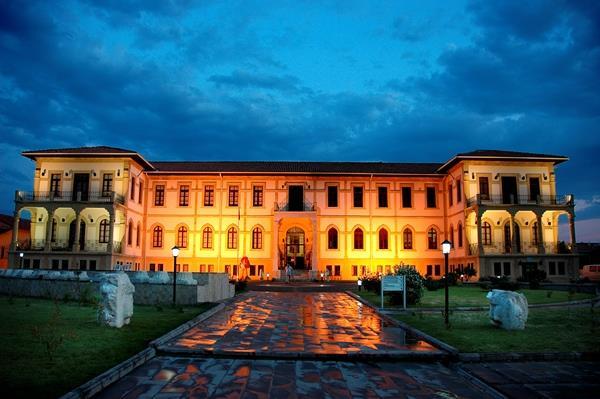
Çorum Museum
Location | Çorum Türkiye | ||||||||
|---|---|---|---|---|---|---|---|---|---|
Year of Opening | 1968 (first building), 2000 (new building) | ||||||||
Floors and Halls | Ground floor: Archaeology halls Upper floor: Ethnography exhibition | ||||||||
Notable Works | Alacahöyük burial finds, Boğazköy-Hattuşa tablets, İnandık Vase, Hittite figurines, Roman period statues | ||||||||
Çorum Museum is located in the province of Çorum, Türkiye. The museum showcases the archaeological richness of the region, with a primary focus on the Hattian and Hittite civilizations. It began operating as a museum in 1968. Relocated to its current building in 2000, the museum has been arranged according to modern museological principles. It is recognized as one of Türkiye’s most important archaeological museums, distinguished particularly by its extensive collection related to the Hittite civilization. The museum serves as the central venue for exhibiting cultural artifacts from Hattuşa, which is listed on UNESCO’s World Heritage List.
Çorum Museum is a four-story building designed with modern exhibition and curation techniques. The basement level houses the exhibition storage and laboratory. The ground floor contains the ticket office, information desk, waiting area, and a hall displaying artifacts from the Hittite period. The upper floors present artifacts from the Chalcolithic, Early Bronze Age, Hattian, Hittite, Phrygian, Hellenistic, Roman, Byzantine, Seljuk and Ottoman periods arranged in chronological order.
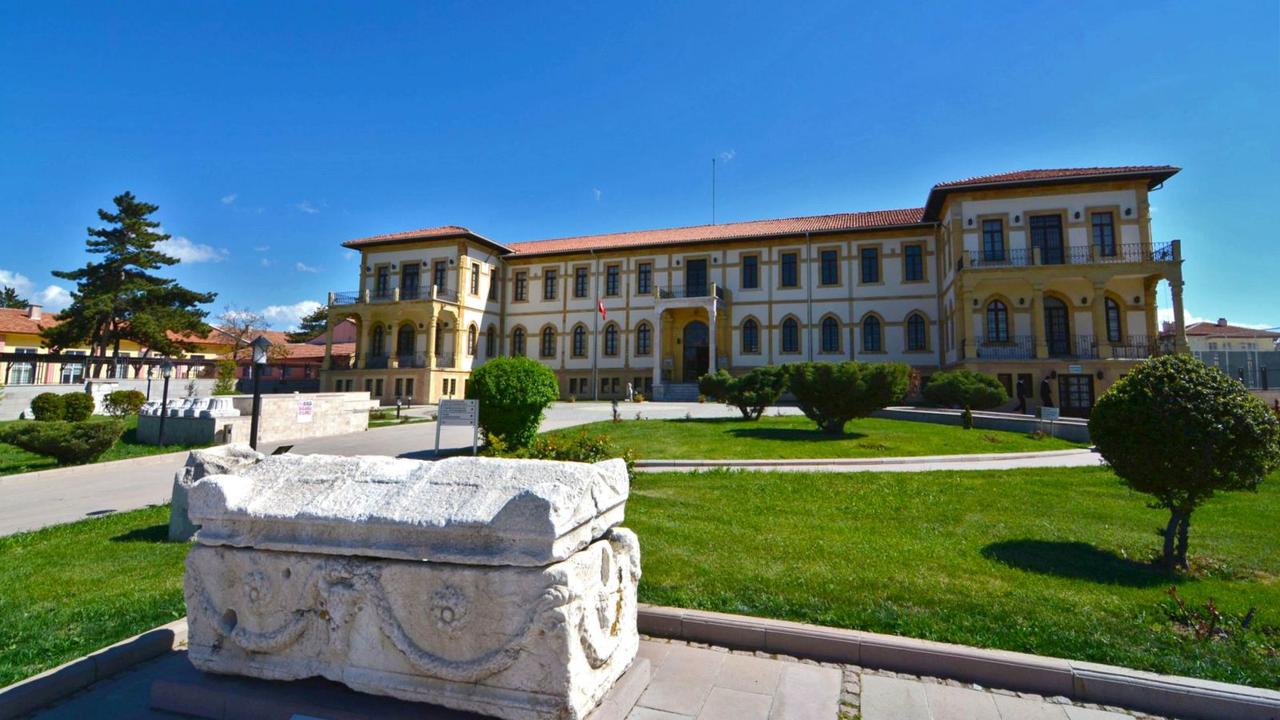
Çorum Müzesi (T.C.Kültür ve Turizm Bakanlığı)
The museum’s collection includes artifacts excavated from major sites such as Alacahöyük, Boğazköy-Hattuşa, Ortaköy-Şapinuva, Eskiyapar, Pazarlı and Resuloğlu. Particularly significant are the gold, silver, electrum (a gold-silver alloy) and bronze cult objects discovered at Alacahöyük.
Cuneiform tablets, seals, cylinder seal impressions, baked clay reliefs and figurines recovered from the Boğazköy-Hattuşa excavations provide valuable insights into the Hittite civilization’s writing system, administrative structure and religious beliefs.
The museum also displays ethnographic artifacts from the Seljuk and Ottoman periods. This section includes weapons, handcrafted items, clothing, carpets and kilims, manuscripts, religious objects and everyday household items.
One of the museum’s most striking collections consists of artifacts unearthed from the royal tombs at Alacahöyük. These tombs date to approximately 2500–2000 BCE and contain bull and stag figurines, solar disks, daggers, helmets and various ornaments that shed light on burial customs and religious rituals of the time.
The cuneiform tablets recovered from the Boğazköy (Hattuşa) excavations are of great importance in documenting the political, economic, religious and legal structure of the Hittite State. These tablets contain treaties, prayer texts, oracular texts and documents from royal archives. They are displayed in special vitrines within the museum.
Pottery, metal finds, seal impressions and architectural remains from settlements such as Pazarlı, Eskiyapar and Ortaköy-Şapinuva provide clues about the administrative and religious life of the Hittites. In particular, the seals and inscriptions from Ortaköy-Şapinuva confirm that the site served as an administrative center during the Hittite period.
Within the Çorum Museum, a laboratory and conservation unit operate to preserve and restore archaeological artifacts. The documentation, cleaning, restoration and long-term preservation of artifacts recovered from excavations are carried out by this unit.
The museum organizes various educational programs and temporary exhibitions for visitors. Guided tours, excavation simulations and seminars for students aim to enhance historical awareness.
Çorum Museum operates under the authority of the Ministry of Culture and Tourism. The museum is open to visitors every day of the week. Opening and closing hours may vary on official holidays. Information panels, directional signs and digital presentations are available at the museum entrance.
Çorum Museum is recognized as one of Türkiye’s most important archaeological museums, distinguished particularly by its extensive collection related to the Hittite civilization. The museum serves as the central venue for exhibiting cultural artifacts from Hattuşa, listed on UNESCO’s World Heritage List.
Çorum Müzesi (TRT2)
Culture and Heritage General Directorate. "Çorum Müze Directorate." T.C. Ministry of Culture and Tourism. Accessed May 31, 2025.https://kvmgm.ktb.gov.tr/TR-44080/corum-muze-mudurlugu.html.
Müze.gov.tr. "Çorum Müzesi." T.C. Kültür ve Turizm Bakanlığı. Accessed May 31, 2025.https://muze.gov.tr/muze-detay?SectionId=COR01&DistId=MRK.
Turkish Museums. "Çorum Müzesi." Turkish Museums Resmî Web Sitesi. Accessed May 31, 2025.https://www.turkishmuseums.com/museum/detail/2025-corum-muzesi/2025/1.
Çorum Müzesi Directorate of Culture and Tourism. "Çorum Museum." T.C. Ministry of Culture and Tourism. Accessed May 31, 2025.http://corum.gov.tr/corum-muzesi.
Çorum İl Directorate of Culture and Tourism. "Müzeler." T.C. Kültür veTurizm Bakanlığı. Accessed May 31, 2025.https://corum.ktb.gov.tr/TR-58707/muzeler.html.

Çorum Museum
Location | Çorum Türkiye | ||||||||
|---|---|---|---|---|---|---|---|---|---|
Year of Opening | 1968 (first building), 2000 (new building) | ||||||||
Floors and Halls | Ground floor: Archaeology halls Upper floor: Ethnography exhibition | ||||||||
Notable Works | Alacahöyük burial finds, Boğazköy-Hattuşa tablets, İnandık Vase, Hittite figurines, Roman period statues | ||||||||
Museum Building and Exhibition Layout
Collections and Exhibited Artifacts
Archaeological Artifacts
Ethnographic Artifacts
Royal Tombs and Cult Objects from Alacahöyük
Boğazköy Tablets
Excavations at Pazarlı and Ortaköy-Şapinuva
Restoration and Conservation Efforts
Educational and Cultural Activities
Visit Information