


This article was automatically translated from the original Turkish version.
+2 More
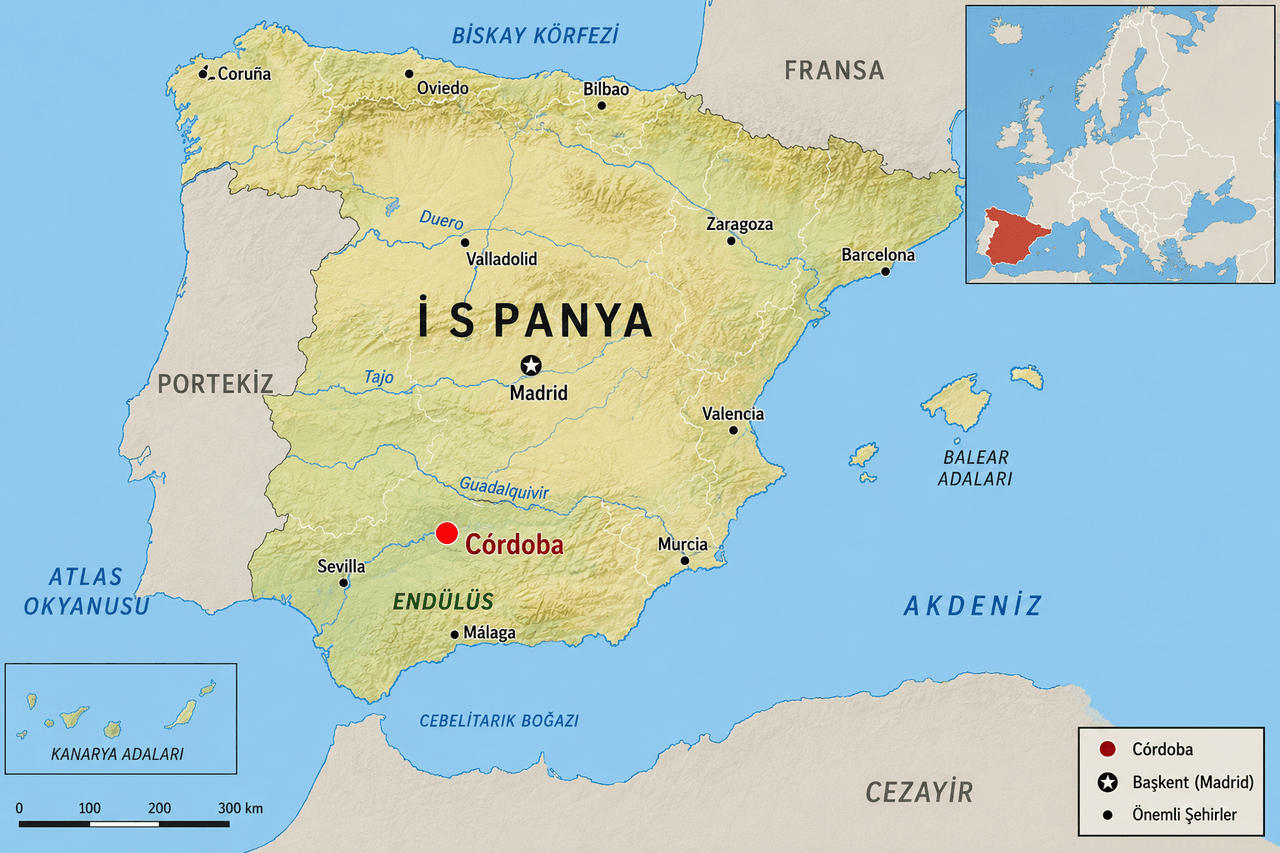
(Generated by Artificial Intelligence)
Córdoba
Climate(s) | Mediterranean climate | ||||||||
|---|---|---|---|---|---|---|---|---|---|
Region(s) | Al-Andalus | ||||||||
Population | Approximately 325,000 | ||||||||
Economy | service sector olive and olive oil production Tourism | ||||||||
Country | Spain | ||||||||
Location | Guadalquivir River bank | ||||||||
Prominent Structures | Córdoba Mosque-Cathedral (Mezquita-Catedral) Roman Bridge Medinetü’z-Zehra Alcázar de los Reyes Cristianos | ||||||||
Golden Age | 10th century Caliph Abd al-Rahman III period | ||||||||
Historical Periods | Ancient Rome Christian Reconquista period Islamic Al-Andalus period | ||||||||
Córdoba (Arabic: Kurtuba), is a historic city located in southern Spain, within the Autonomous Community of Andalusia. Built along the banks of the Guadalquivir River, the city is renowned for its layered historical heritage spanning Roman, Visigothic, Andalusian, and Christian periods. Particularly during the Umayyad Caliphate of Córdoba, it became a political, cultural, and intellectual center and remained one of the most important cities in the Western Islamic world throughout the Middle Ages. Today, its historical fabric, architectural monuments, and cultural life place it among Spain’s major tourist destinations. The city, recognized for its historic structures listed on UNESCO’s World Heritage List, is regarded as one of the key representatives of Andalusian civilization.
The city’s Arabic name is Kurtuba. This name, widely used during the Andalusian period, gradually entered Western languages in the form Córdoba. The city’s name is one of the significant elements reflecting the historical and cultural influence of Islamic rule in the region.
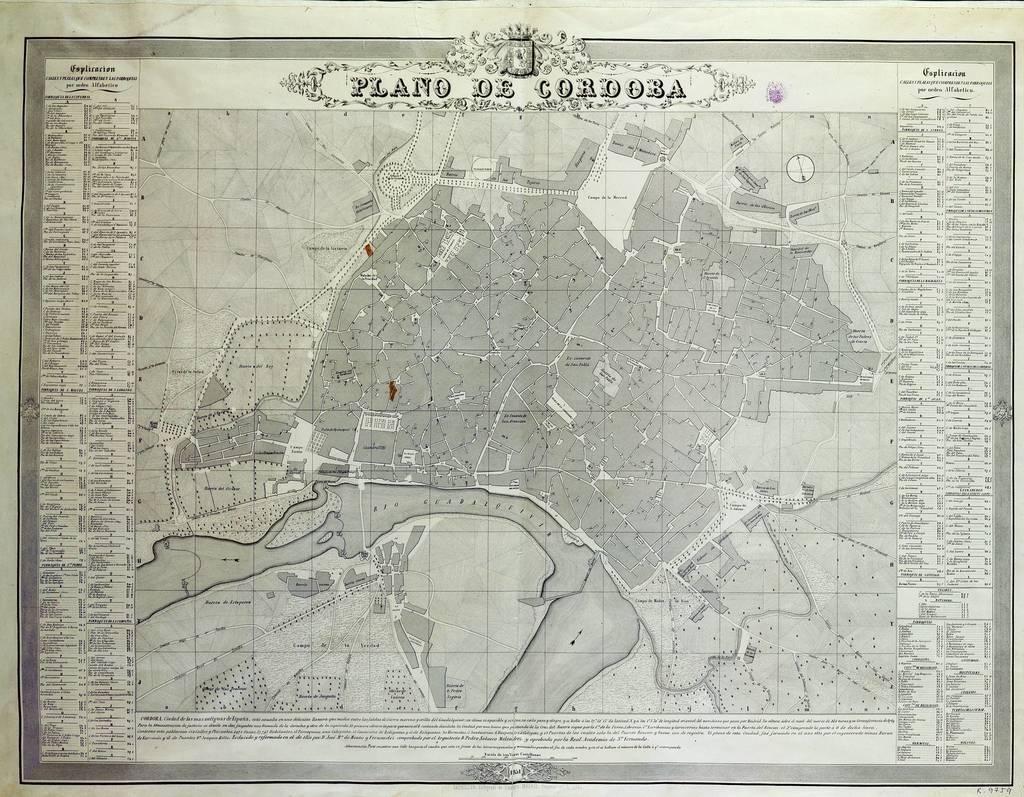
Map of Córdoba (Picryl)
Córdoba’s history extends back to the Roman era. During the Roman Empire, the city served as the capital of the province of Hispania Baetica and was an important administrative and commercial center.
Roads, bridges, and urban planning established during the Roman period significantly influenced the city’s later development. Under Visigothic rule, Córdoba retained its importance and remained one of the key settlement centers on the Iberian Peninsula.
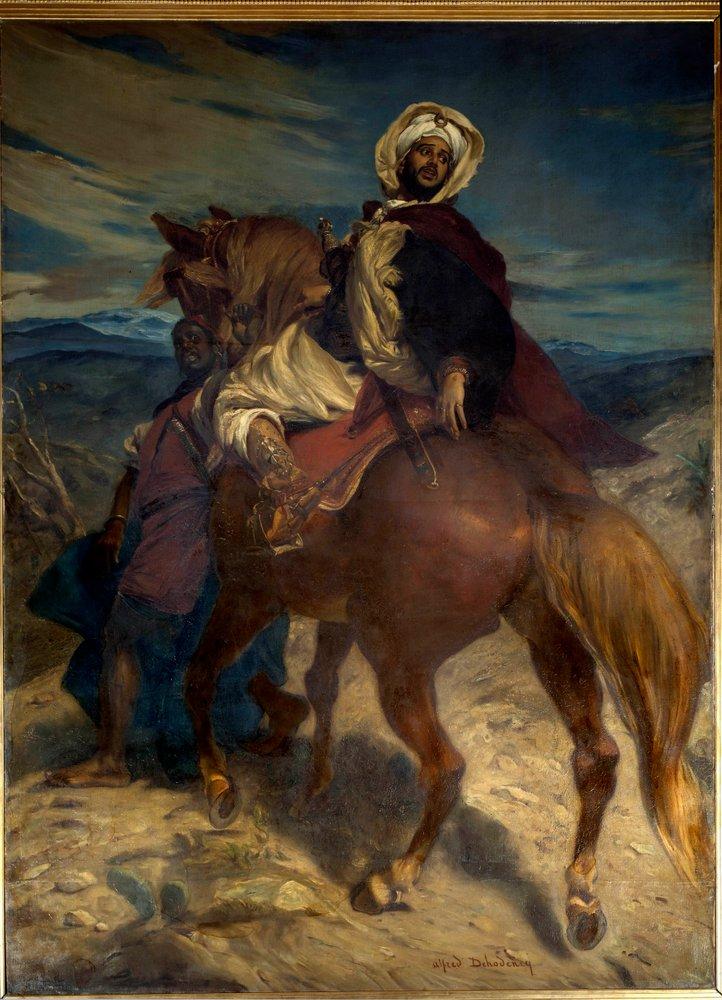
Alfred Dehodencq'sLes Adieux de Boabdil à Grenade (Meisterdrucke)
Following the Muslim conquest of the Iberian Peninsula in 711, Córdoba quickly became one of the most important cities in Al-Andalus. In 756, with the founding of the Umayyad Emirate of Córdoba by Abd al-Rahman I, the city became the political capital. Thus, Córdoba ceased to be merely a regional town and emerged as one of the capitals of the Western Islamic world.
In the 10th century, the declaration of the caliphate by Abd al-Rahman III further enhanced Córdoba’s political and cultural influence. The city rose to prominence alongside the Abbasid and Fatimid caliphates as one of the most important centers of the Islamic world. During this period, palaces, mosques, educational institutions, and urban infrastructure were developed, transforming Córdoba into a major administrative and cultural hub. The construction of Madinat al-Zahra was among the most significant developments reflecting the political power and aesthetic sensibilities of the Umayyad state.
Beginning in the 11th century, with the decline of the Umayyad Caliphate of Córdoba, the city gradually lost its former political power. During the Taifa period, political unity in Al-Andalus collapsed, and although Córdoba retained its cultural significance, it lost its administrative supremacy. In 1236, the city was captured by the Kingdom of Castile, ending Islamic rule. This event triggered profound architectural, cultural, and social transformations within the city.
Córdoba is located in the Guadalquivir River valley within the Andalusia region of southern Spain. To the north lie the Sierra Morena mountains, while to the south stretch the fertile Campiña plains. This geographical position has historically facilitated Córdoba’s development in both agriculture and trade.
The city experiences a continental variant of the Mediterranean climate, with hot, dry summers and mild winters. The fertile lands along the Guadalquivir River are especially significant for olive production. Córdoba also serves as a strategic transit point connecting Seville, Granada, and inland regions.
Córdoba’s current population is approximately 324,000.【1】 The city is considered one of the medium-sized key population centers of the Andalusian Autonomous Community. The majority of the population is concentrated in the urban center and surrounding residential areas.
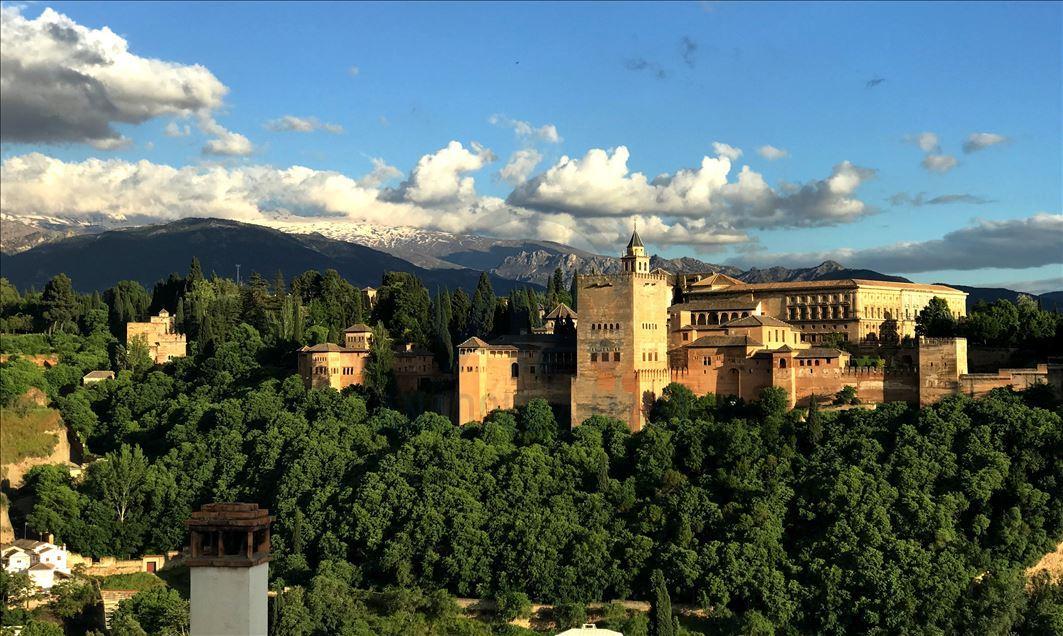
Córdoba (Anadolu Ajansı)
Throughout history, Córdoba has been shaped by multiple civilizations, resulting in a multicultural urban structure. During the Andalusian period, Muslims, Christians, and Jews each contributed distinct elements to city life, and this social diversity became integral to the city’s cultural identity. Today, this historical multicultural fabric is evident in the city’s architecture, neighborhood layouts, and cultural heritage sites.
Córdoba’s historic center is distinguished by narrow streets, courtyard houses, and traditional neighborhood structures, while modern residential areas have developed on the city’s periphery. Tourism and university life are key factors influencing the city’s social structure.
The city’s population is largely employed in the service sector, tourism, education, and agriculture-related economic activities. Particularly due to cultural tourism, there is consistent domestic and international visitor traffic throughout the year.
Córdoba’s economy is largely based on the service sector, cultural tourism, and agriculture. The historic structures listed on UNESCO’s World Heritage List have established the city as one of Spain’s leading tourist destinations.
Agricultural activities are concentrated primarily in olive and olive oil production. As Andalusia is one of Spain’s most important olive oil-producing regions, Córdoba holds a significant position within this economic framework. In addition, restaurants, hotels, cultural events, and small-scale commerce contribute to the city’s economy.
Córdoba is one of Spain’s most important centers of cultural tourism due to its rich historical heritage. The city’s historic center is inscribed on UNESCO’s World Heritage List.
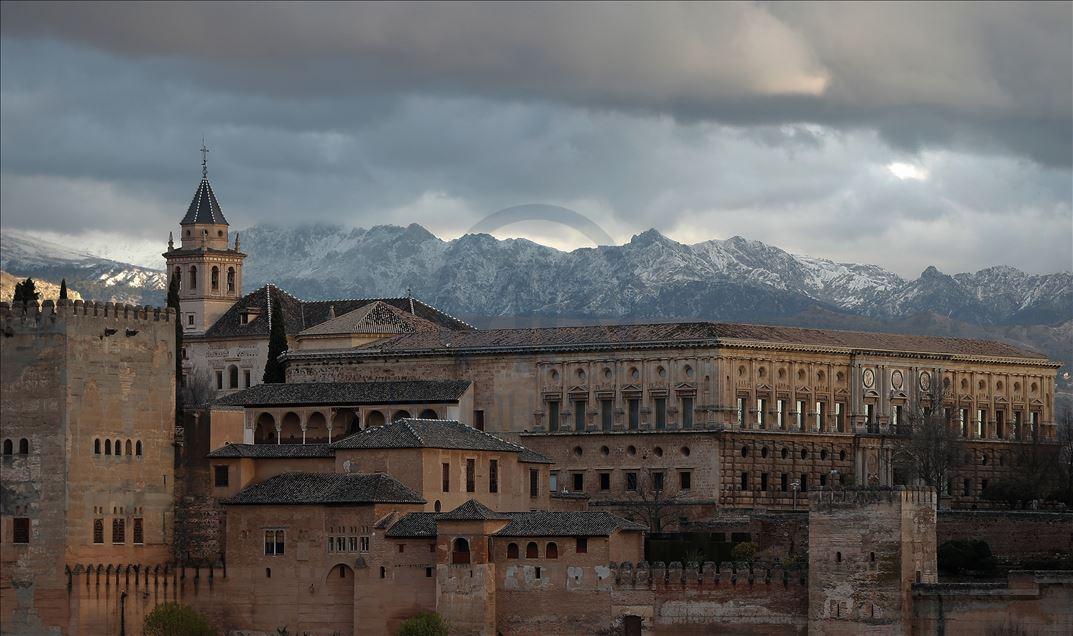
Kurtuba Mosque (Anadolu Ajansı)
The city’s most important tourist site is the Mosque-Cathedral of Córdoba (Mezquita-Catedral). Construction began in 785, and the structure is considered one of the most remarkable examples of Andalusian Islamic architecture. Known for its horseshoe arches, columned interior layout, and ornate mihrab decorations, the building retains many of its Islamic architectural features despite its conversion into a cathedral after the Reconquista.
Built by Abd al-Rahman III, this palace-city represents the political power and aesthetic ideals of the Umayyads of Córdoba. The palace complexes and gardens offer a vivid glimpse into the court culture of the era.
Córdoba is one of the major centers of Andalusian culture. Flamenco music and dance, the patio tradition, and Andalusian cuisine are integral parts of the city’s cultural life.
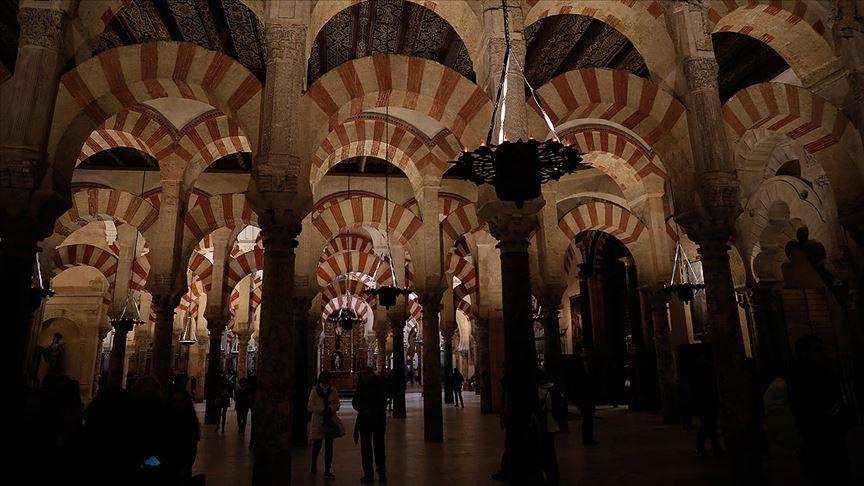
Kurtuba Grand Mosque (Anadolu Ajansı)
The annual Patio Festival is a major cultural event showcasing traditional courtyards decorated with flowers. This tradition is one of the most enduring elements of Córdoba’s historic urban life.
During the Andalusian period, the city was also a major center of science and intellectual thought. With its vast libraries, madrasas, and translation activities, Córdoba became one of the leading intellectual hubs of the Middle Ages. Scholars working in philosophy, medicine, astronomy, and mathematics influenced European thought.
Court culture was another vital aspect of urban life. Literary, architectural, and artistic activities centered around the caliphal court enhanced Córdoba’s cultural prestige within the Islamic world.
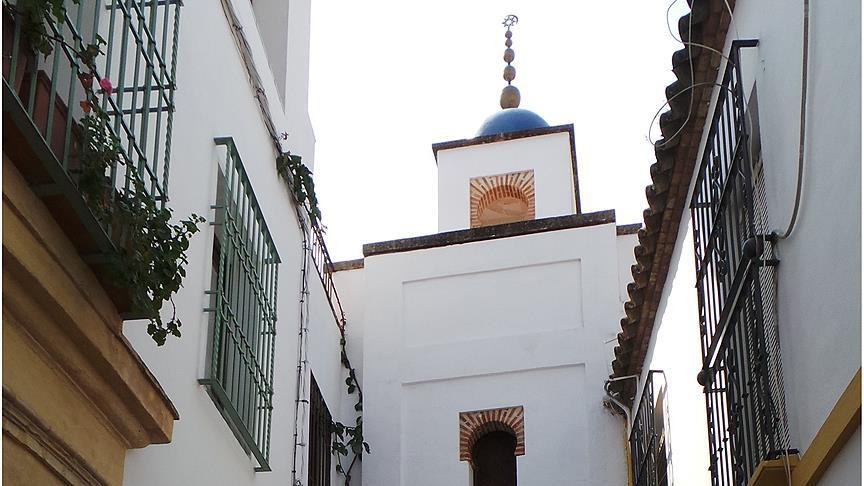
Madrid (Anadolu Ajansı)
Córdoba is one of the key transportation hubs of the Andalusia region. The city is connected by road and rail networks to major cities such as Seville, Madrid, and Granada.
Thanks to high-speed rail lines, Córdoba offers rapid access to Spain’s major urban centers. Internal transportation is supported by bus networks and a pedestrian-oriented historic center layout. Due to narrow streets and protected historic structures, pedestrian access is prioritized within the historic core.
Health services in Córdoba are delivered through city hospitals and regional health institutions. The city is regarded as one of the key healthcare centers in Andalusia.
In education, the University of Córdoba holds a prominent position. The city also hosts research centers and various educational institutions. Córdoba’s historical role as a center of science and learning continues today through university activities and cultural research initiatives.
Córdoba is the capital of the province of Córdoba within Spain’s Autonomous Community of Andalusia. The city is governed by its local municipal administration. Administratively, Córdoba is one of the most important cities in Andalusia and holds a special place in regional governance policies due to its historical and cultural heritage. Preservation efforts focused on the historic center and UNESCO-designated areas are among the primary responsibilities of the city government.
Bloom, Jonathan, and Sheila Blair. Islamic Arts. London: Phaidon Press, 1997.
Bolelli, Şenhan. "İspanya'daki Kurtuba Ulu Cami yıllardır sadece Katoliklerin ibadetine açık tutuluyor." *Anadolu Ajansı*, July 15, 2020. Accessed May 19, 2026. https://www.aa.com.tr/tr/ayasofya-camii/ispanyadaki-kurtuba-ulu-cami-yillardir-sadece-katoliklerin-ibadetine-acik-tutuluyor/1910966
Córdoba Tourism Board. "Discover Córdoba: A Cultural Guide." Córdoba Tourism Board, 2022.
Dodds, Jerrilynn D. Architecture and Ideology in Early Medieval Spain. New Haven: Yale University Press, 1992.
Fırat, Ensar. "İspanya'da 'Kurtuba Cami-Katedrali'nin statüsü tartışılıyor." Anadolu Ajansı, November 25, 2015. Accessed May 19, 2026. https://www.aa.com.tr/tr/kultur-sanat/ispanyada-kurtuba-cami-katedralinin-statusu-tartisiliyor/467574
Gümüş, Bensu, and Mustafa Hizmetli. "Endülüs Sarayları ve Saray Kültürü." *İslam Medeniyeti Araştırmaları Dergisi* 7, no. 1 (2022): 89–115. Accessed May 19, 2026. https://dergipark.org.tr/tr/download/article-file/3205079
Instituto Nacional de Estadística. “Córdoba: Población por municipios y sexo. Cifras oficiales de población de los municipios españoles: Revisión del Padrón Municipal.” INE. Accessed May 19, 2026. https://www.ine.es/jaxiT3/files/t/xlsx/2901.xlsx
Irwin, Robert. *The Alhambra*. Cambridge, MA: Harvard University Press, 2004. Accessed May 19, 2026. https://www.academia.edu/128311740/The_Alhambra
Küskü, Orhun. "Maribel Fierro, III. Abdurrahman: İlk Kurtuba Halifesi (Kitap Değerlendirmesi)." *Tarih Okulu Dergisi* 14, no. 45 (2021): 245–252. Accessed May 19, 2026. https://dergipark.org.tr/tr/download/article-file/2423121
UNESCO World Heritage Centre. "Historic Centre of Córdoba." UNESCO World Heritage Centre, 1984. https://whc.unesco.org/en/list/313.
Yanmaz, Murat. "Kurtuba Martir Hareketinin Endülüs ve İspanya Hristiyanları Üzerindeki Etkileri." *Ortaçağ Araştırmaları Dergisi* 8, no. 1 (2025): 1–20. Accessed May 19, 2026. https://dergipark.org.tr/tr/download/article-file/4594834
Yıldırım, Feyza. "Kurtuba Ulu Câmii’nin Portal Tezyînâtı." *Sanat Tarihi Dergisi* 30, no. 2 (2021): 315–342. Accessed May 19, 2026. https://dergipark.org.tr/tr/download/article-file/2184444
Öztürk, Mustafa. "Roger Garaudy, Endülüs’te İslam: Düşüncenin Başkenti Kurtuba (Kitap Tanıtımı)." *İlahiyat Tetkikleri Dergisi* 34 (2010): 213–218. Accessed May 19, 2026. https://dergipark.org.tr/tr/download/article-file/227399
[1]
Instituto Nacional de Estadística. “Córdoba: Población por municipios y sexo. Cifras oficiales de población de los municipios españoles: Revisión del Padrón Municipal.” INE. Access date: 19 May 2026. https://www.ine.es/jaxiT3/files/t/xlsx/2901.xlsx.

(Generated by Artificial Intelligence)
Córdoba
Climate(s) | Mediterranean climate | ||||||||
|---|---|---|---|---|---|---|---|---|---|
Region(s) | Al-Andalus | ||||||||
Population | Approximately 325,000 | ||||||||
Economy | service sector olive and olive oil production Tourism | ||||||||
Country | Spain | ||||||||
Location | Guadalquivir River bank | ||||||||
Prominent Structures | Córdoba Mosque-Cathedral (Mezquita-Catedral) Roman Bridge Medinetü’z-Zehra Alcázar de los Reyes Cristianos | ||||||||
Golden Age | 10th century Caliph Abd al-Rahman III period | ||||||||
Historical Periods | Ancient Rome Christian Reconquista period Islamic Al-Andalus period | ||||||||
History
Etymology
Roman and Visigothic Periods
Umayyad Andalusian Period
Political Fragmentation and Reconquista
Geography
Demographics
Economy
Tourism
Kurtuba Mosque
Madinat al-Zahra
Other Structures
Culture and Art
Infrastructure and Transportation
Health and Education
Administration