

`al-andalus` Related Article Results

Spain - Adamuz High-Speed Train Accident (2026)
Adamuz High-Speed Train Crash is a high-speed rail accident that occurred on 18 January 2026 near the town of Adamuz in the Andalusia region of southern Córdoba, following a collision between two high-speed trains south of Spain. The accident resulted in the deaths of 42 peoplethree-day national mourning period. Location, Time, and Course of the Accident The accident occurred on Sunday, 18 January 2026, near the town of Adamuz in the province of Córdoba, within the autonomous community of Andalu
EN
Edanur Karakoç
 Gr
GrGranada
Granada is a historic city located in the southern part of Türkiye, in the Al-Andalus autonomous region, nestled at the foothills of the Sierra Nevada Mountains. With a population of approximately 230,000, it is one of the most important cultural, tourist, and academic centers of Andalusia. Granada is renowned for its rich historical heritage, captivating architecture, and multicultural past. History and Culture Granada’s history extends back to the Roman era, but the city acquired its defining
EN
Nihal Fırat Özdemir
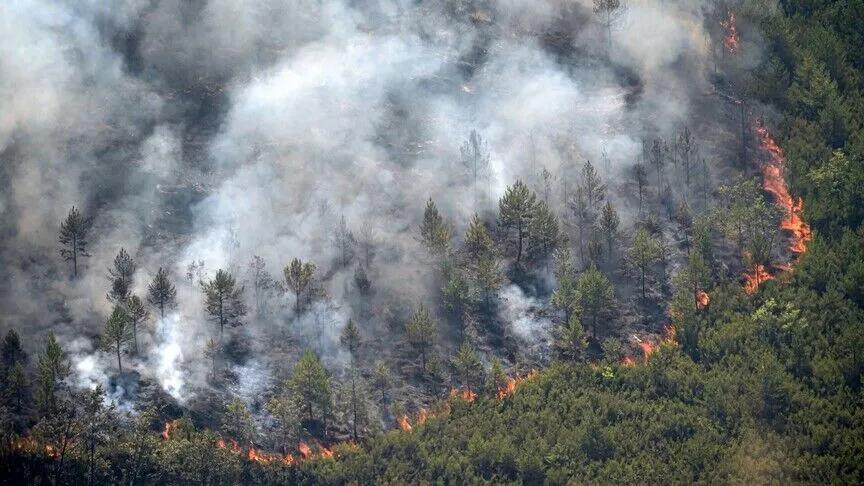
Spain Forest Fires (July 2026)
The forest fires that occurred in July 2026 in the Andalusian Autonomous Region in southern Spain have been recorded as one of the most destructive natural disasters the country has experienced in recent years. Particularly affecting the areas around Los Gallardos Bedar and Sorbas in the province of Almería the fires spread rapidly over a wide area due to high temperatures low humidity and strong winds. At least 12 people lost their lives in the fires many were injured approximately 20 people we
EN
Zeynep Gül
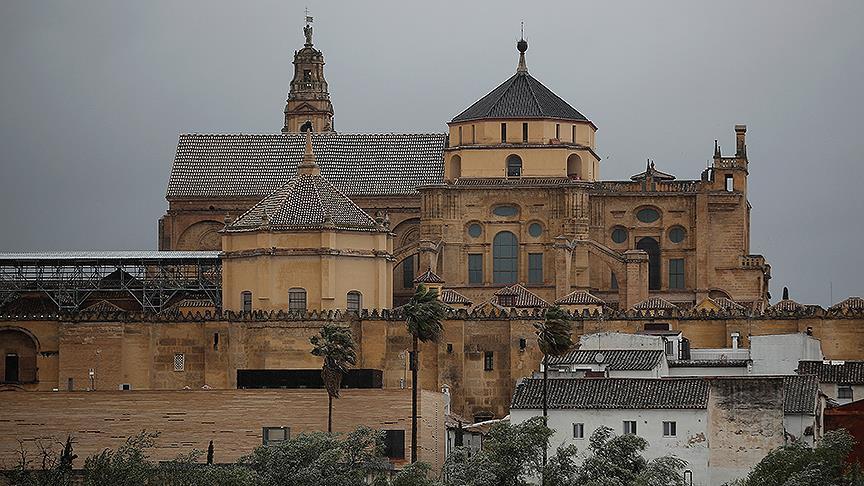
Córdoba
Córdoba (Arabic: Kurtuba), is a historic city located in southern Spain, within the Autonomous Community of Andalusia. Built along the banks of the Guadalquivir River, the city is renowned for its layered historical heritage spanning Roman, Visigothic, Andalusian, and Christian periods. Particularly during the Umayyad Caliphate of Córdoba, it became a political, cultural, and intellectual center and remained one of the most important cities in the Western Islamic world throughout the Middle Ages
ENNihal Fırat Özdemir
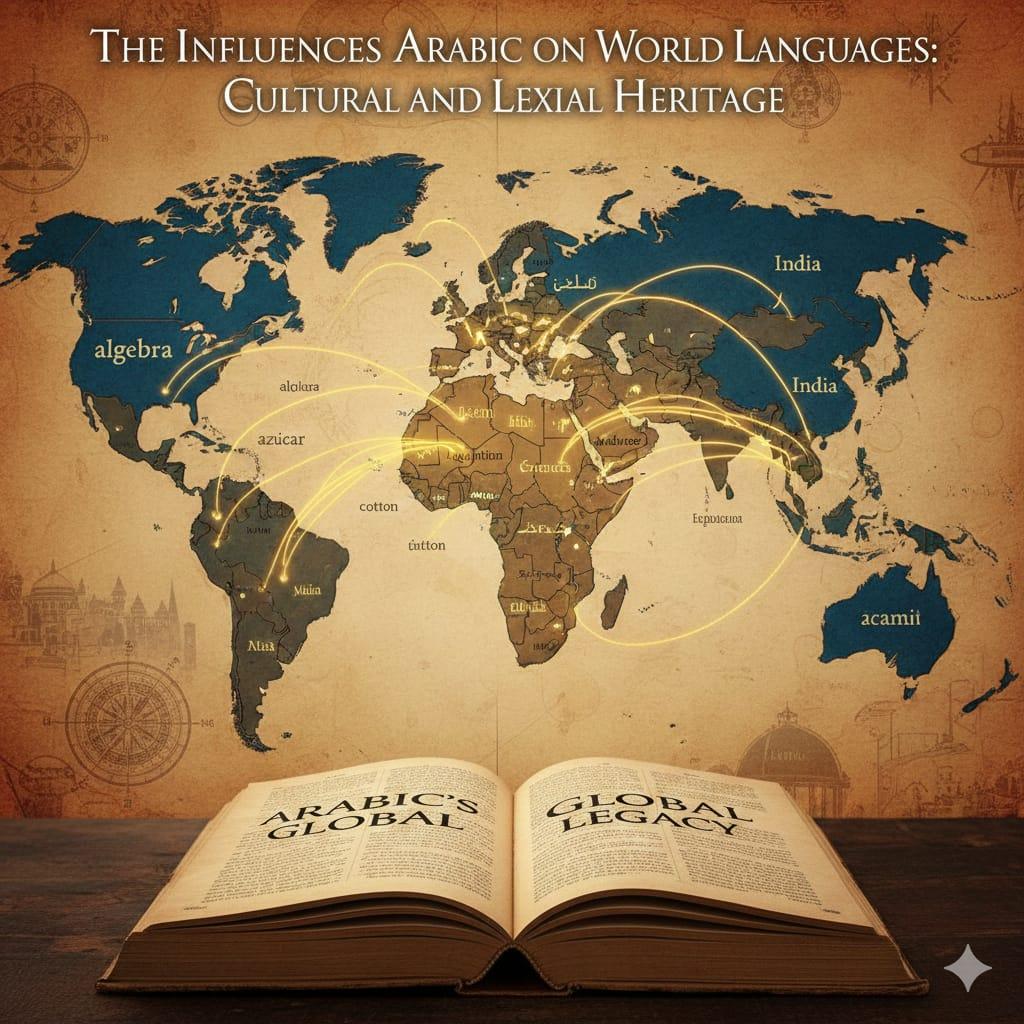
The Influence of Arabic on Other Languages
Arabic is a civilization language that has left indelible marks on world languages by serving not merely as a religious textual language but as the universal vehicle of science, philosophy, art, and trade throughout the Middle Ages. Beginning in the 7th century, with the expansion of Islamic civilization across a vast geographical area, this language profoundly influenced the vocabularies, conceptual frameworks, and even grammatical structures of local languages. Particularly through translation
EN
Elif KARDAŞ

Ah Andalus (Book)
Ihsan Süreyya Sırma’s work titled “Ah Al-Andalus” sheds light on the history of Al-Andalus, one of the most prominent representatives of Islamic civilization West Europe. The book examines the entire process from the foundation to the collapse of the Islamic State of Al-Andalus, offering a thorough analysis of the scientific, cultural, and political developments in the region. work also discusses the profound influence Al-Andalus exerted on Western civilization, presenting its rise and decline w
EN
Ahsen Karakaş

The Lesson of Al-Andalus
When we turn the pages of history, we see that certain geographical regions have changed not only the fate of states but also the destiny of human civilization. Without doubt, the foremost among these is Al-Andalus. This magnificent adventure, which ended tragically for the Islamic world, left behind both profound admiration and deep sorrow. How did these lands, conquered in just three years, come to vanish under the shadow of internal conflicts? Let us embark on a brief journey through the dust
EN
Mustafa Cem İnci

Ah Andalus (Book)
İhsan Süreyya Sırma’s work titled “Ah Al-Andalus” sheds light on the history of Al-Andalus, one of the most important representatives of Islamic civilization in the West and Europe. The book examines the entire process from the foundation to the collapse of the Islamic State of Al-Andalus, offering a thorough analysis of its scientific, cultural, and political developments. This work, which approaches the rise and fall of Al-Andalus from a broad perspective, also discusses the profound influence
EN
Ahsen Karakaş

Ottoman Efforts to Assist the Muslims of Al-Andalus
In the 15th and 16th centuries, the completion of the Reconquista in Spain marked the end of Muslim political presence. Under policies of forced Christianization, compulsory migrations, and religious conversion imposed by the Spanish Crown, the Muslim population in the region declined significantly. Communities that were coerced into converting to Christianity but secretly maintained their Muslim identity came to be known as Moriscos. Due to its naval power and political influence in the Mediter
ENMustafa Cem İnci

The Wise Man Who Flew with Dreams: Abbas ibn Firnas
About 1200 years ago, Abbas ibn Firnas, a pioneer known for his scientific curiosity and technical experiments, lived in the region of Al-Andalus (modern-day Spain). In the 9th century, he engaged with fields such as astronomy, physics, and engineering, with a particular focus on the idea of human flight. Abbas ibn Firnas observing nature (generated by artificial intelligence) Among his most notable experiments was one inspired by studying the flight mechanisms of birds and hypothesizing that hu
EN
Mümin Enes Sarıkula