


This article was automatically translated from the original Turkish version.
+1 More
Kömür is a fossil fuel formed from plants that decayed in swamps millions of years ago under heat and pressure. Today, coal plays a critical role in both global and Türkiye’s energy mix, supplying a significant portion of the world’s electricity generation.
class=\
The use of coal as an energy source began when cave dwellers discovered its utility for heating and cooking. However, its widespread adoption for electricity generation gained momentum in 1882 when Thomas Edison used coal to power 1000 lamps at the Holborn Viaduct plant in London. Today, more than 60 percent of electricity in the ABD is generated from fossil fuels, with coal making up a large share. Globally, coal continues to lead in electricity production. According to the International Energy Agency (IEA), coal may maintain this position until 2040.
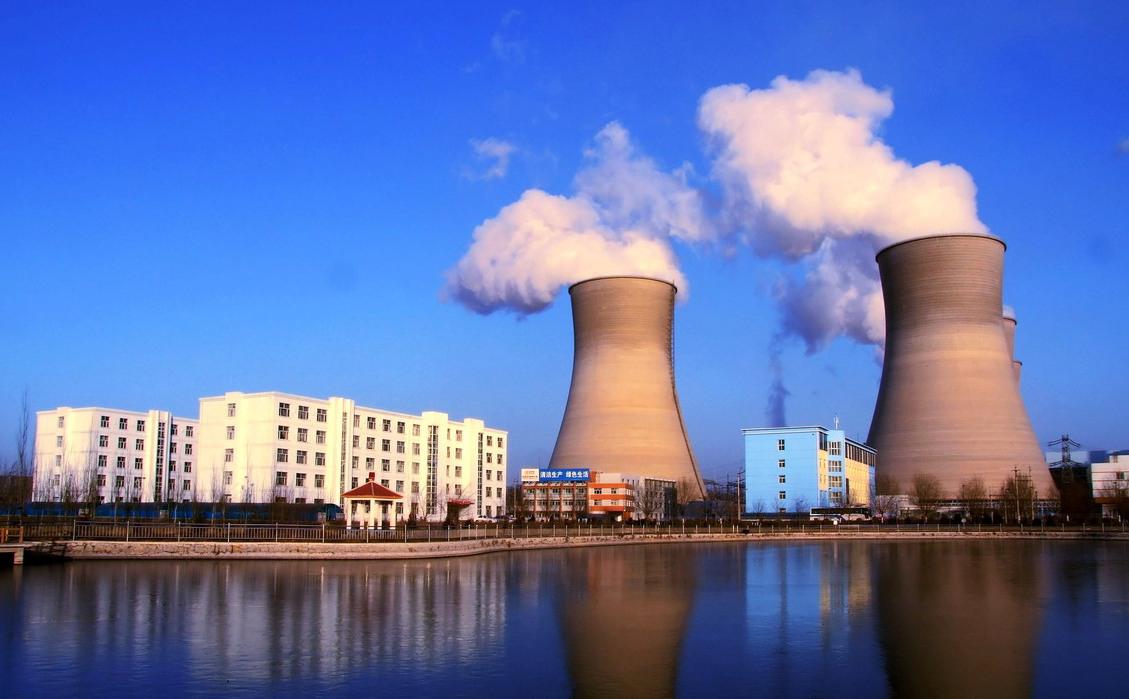
According to Global Energy Monitor data from January 2025, the lifetime CO2 emissions from operational coal plants amount to 186,080.6 million tons. China leads with 116,856.2 million tons, followed by India (23,975.8 million tons), the United States (7,515 million tons), and South Africa (3,707.3 million tons). The world’s largest coal plant, Tuoketuo in China with a capacity of 6,720 MW, stands out for its ultra-supercritical technology, while the Taean plant in South Korea (6,100 MW) and the Taichung plant in Taiwan (5,500 MW) are notable for their high capacities.
class=\
In Türkiye, coal holds a strategic position in electricity generation. According to Global Coal Plant Tracker data, the lifetime CO2 emissions from operational coal plants in Türkiye total 1,785.1 million tons. Projects currently in planning stages have an additional emission potential of 111.3 million tons, while projects canceled after 2010 have prevented emissions of 13,886.4 million tons. Türkiye’s coal reserves, particularly lignite, are substantial. According to the Ministry of Energy and Natural Resources, the country has approximately 18.9 billion tons of lignite reserves. As of 2023, Türkiye operates 28 large-scale coal plants with a total installed capacity of approximately 19,000 MW, meeting about 30 to 35 percent of the country’s electricity demand.

Electricity generation from coal is based on the fundamental principles of thermal power plants. Coal is ground into fine powder by pulverizers and mixed with hot air before being burned in boilers. The resulting heat converts water into high-pressure buhara, which drives turbines to produce mechanical energy. Generators then convert this mechanical energy into electricity. In Türkiye, facilities such as the Afşin-Elbistan A and B plants carry out this process using lignite. Afşin-Elbistan A, with a capacity of 1,355 MW, is one of Türkiye’s largest lignite plants and generates approximately 8 billion kWh of electricity annually. However, due to the low quality of lignite, efficiency rates are typically around 30 percent, below the global average of 33 percent.
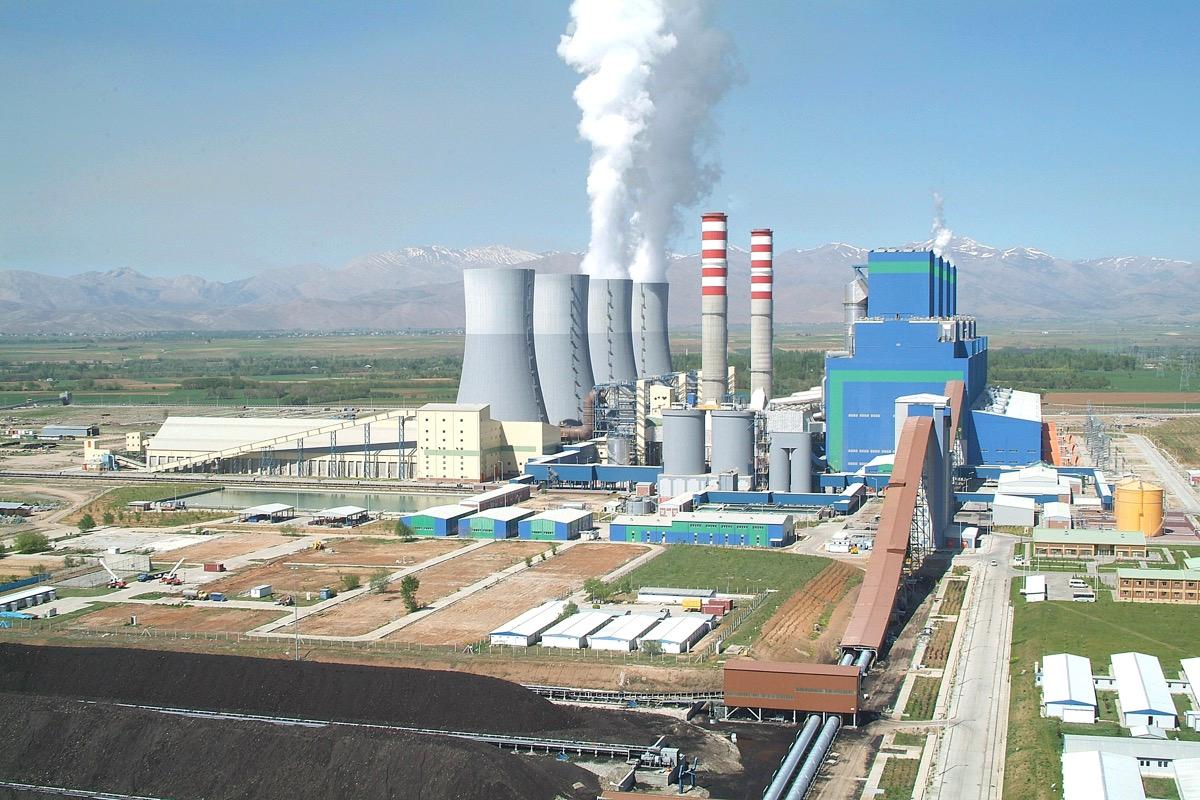
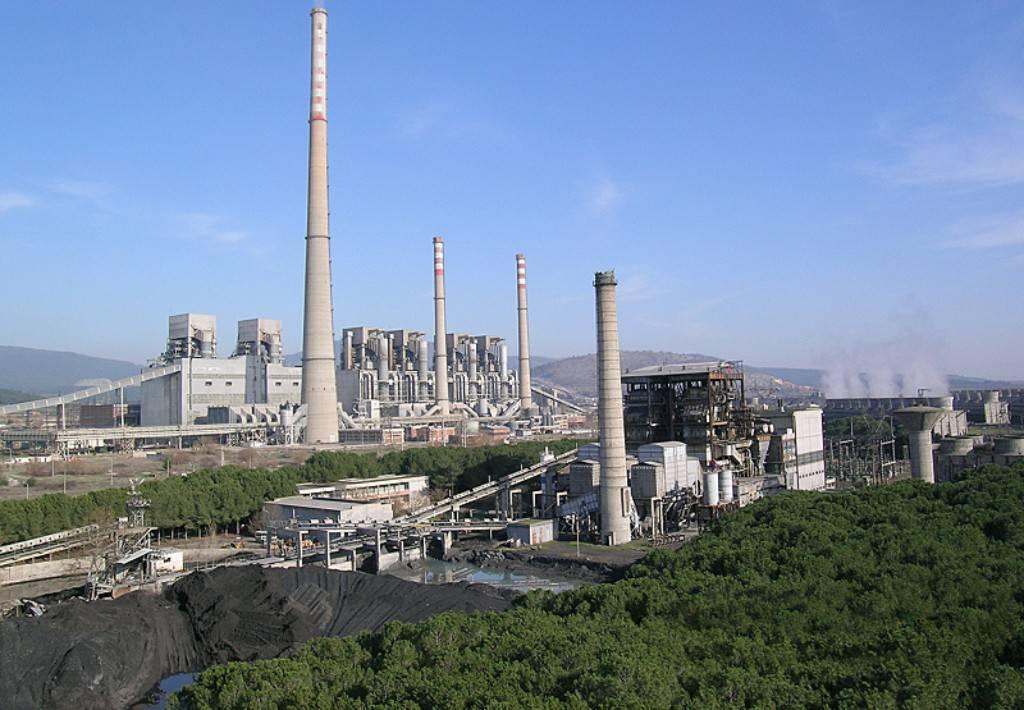
Coal plants in Türkiye attract attention both for their role in energy arz security and for environmental concerns. Some prominent plants include:
class=\
class=\
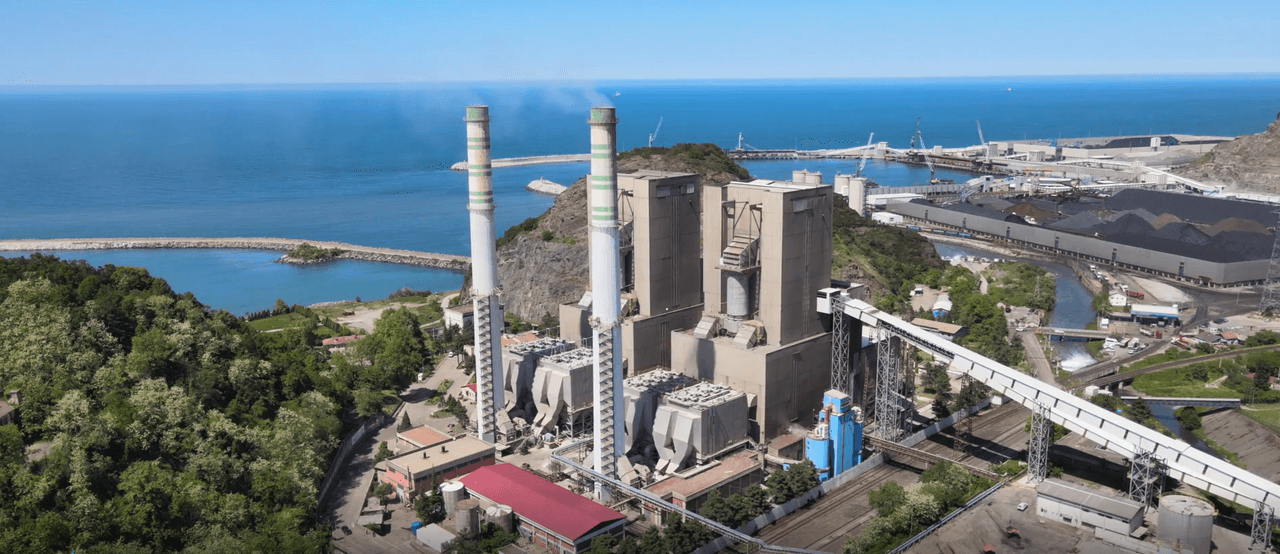
class=\
According to Global Coal Plant Tracker, there are currently no coal plants under construction in Türkiye, but projects in the planning phase—with a potential CO2 emission capacity of 111.3 million tons—could become operational in the future. On the other hand, projects canceled after 2010, including several lignite plant proposals, were halted due to environmental pressure and a shift toward renewable energy.
Coal combustion releases pollutants such as kükürt, nitrogen, and karbon. In Türkiye, the high sulfur content of lignite increases the risk of acid rain, while CO2 emissions contribute to climate change. Although the Bełchatów plant in Polonya, emitting 37.6 million tons of CO2 annually, is the world’s largest carbon-emitting facility, emissions from Türkiye’s plants are also significant. For example, the Afşin-Elbistan region frequently appears in news reports due to air pollution and health issues; a 2022 study found that PM10 levels in the area exceed World Health Organization limits.
Technologies are being developed to reduce coal’s environmental ayak izi. Coal washing reduces pollutants before combustion, while flue gas desulfurization (FGD) systems remove up to 99 percent of sulfur dioxide. FGD systems are in use at the Soma and Yeniköy plants in Türkiye, but they are not widespread in older facilities. Gasification converts coal into gas, improving efficiency and lowering emissions. A 300 MW combined-cycle plant operates at the Taean plant in South Korea using this method. In Türkiye, gasification remains in the pilot stage.
Carbon capture and depolama (CCS) aims to reduce emissions by storing CO2 underground. The U.S. Department of Energy is pursuing over 40 projects to implement CCS in existing plants, while research in Türkiye on CCS is limited. However, studies on carbon storage potential continue in Zonguldak.
Coal’s future is being shaped by the transition to renewable energy. The United Kingdom became a pioneer in decarbonization by ending coal use in 2024, but Türkiye remains dependent on coal. According to the 2023 National Energy Plan, Türkiye aims to maintain its coal capacity at current levels until 2035 while increasing the share of yenilenebilir enerji to 55 percent. Hybrid models such as the Yonghungdo plant in South Korea, integrating güneş and rüzgar, could serve as inspiration for Türkiye.
Although coal-fired thermal plants play an indispensable role in Türkiye’s energy security, their environmental costs are high. Plants like Afşin-Elbistan draw attention due to their high emissions, while canceled projects reflect growing environmental awareness. Modern technologies and the transition to renewable energy will be critical in making coal’s future sustainable.
Cates Enerji Sistemleri San. ve Tic. A.Ş. "Ana Sayfa." Cates Enerji Sistemleri. Accessed February 20, 2025.https://www.cates.com.tr/.
EKT Interactive. "Coal-Fired Power Plants." EKT Interactive. Accessed February 20, 2025.https://ektinteractive.com/coal-fired-power-plants/.
Elektrik Üretim A.Ş. (EÜAŞ). "18 Mart Çan Termik Santrali." Elektrik Üretim A.Ş. Accessed February 20, 2025.https://www.euas.gov.tr/santraller/18-mart-can.
NESO Energy. "How Does Coal Generate Electricity?" Accessed February 20, 2025.https://www.neso.energy/energy-101/electricity-explained/how-electricity-generated/how-does-coal-generate-electricity.
U.S. Geological Survey. "A Coal-Fired Thermoelectric Power Plant." Water Science School. Accessed February 20, 2025.https://www.usgs.gov/special-topics/water-science-school/science/a-coal-fired-thermoelectric-power-plant.

No Discussion Added Yet
Start discussion for "Coal-Fired Thermal Power Plant" article
The Historical and Current Role of Coal in Electricity Generation
The Electricity Generation Process
Coal Plants in Türkiye: Numerical Data and Status
Environmental Challenges
Efforts to Reduce Environmental Impact
Future Perspectives