


This article was automatically translated from the original Turkish version.
+1 More
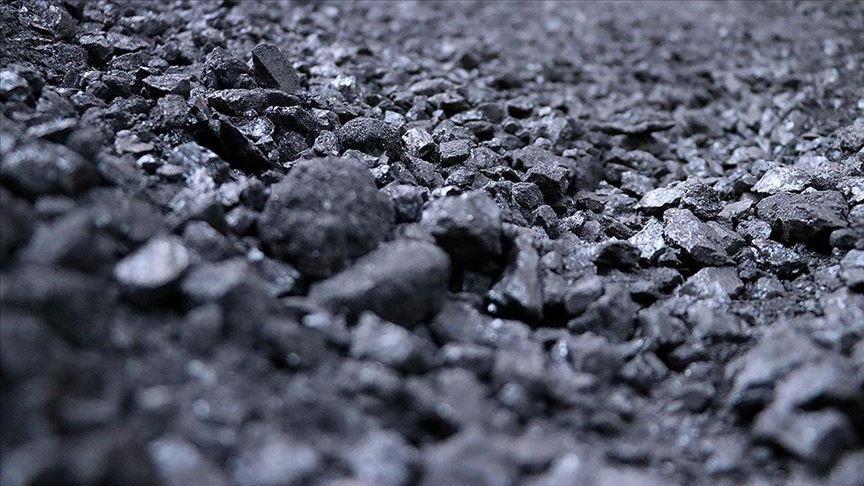
Lignite
Mine Type | Fossil-derived, low-quality coal | ||||||||
|---|---|---|---|---|---|---|---|---|---|
Color and Structure | Brittle and dusty structure with brown-black tones | ||||||||
Moisture Content | 30–52% (average 31.39%) | ||||||||
Ash Content | Usually above 20% | ||||||||
Lower Heating Value | 700–3000 kcal/kg (can reach up to 5500 kcal/kg in some areas) | ||||||||
Sulfur Content | Ranging from below 1% to up to 5% | ||||||||
Primary Use | Electricity generation in thermal power plants and local heating systems | ||||||||
Reserves in Türkiye | 11.5 billion tons (sum of visible, probable and possible reserves) | ||||||||
Largest Deposits | Afşin-Elbistan, Karapınar, Soma, Tufanbeyli, Çerkezköy | ||||||||
World Ranking | 14th in reserves; among the top 5 countries in production | ||||||||
Geological Period | Typically Tertiary (especially Miocene) | ||||||||
Formation Environment | Freshwater swamps and lakes | ||||||||
Mining Type | Open-pit and underground mining | ||||||||
Relevant Institutions | MTA, TKİ, EÜAŞ, private sector | ||||||||
Lignite is a type of coal belonging to the fossil fuels group, formed by carbonization at low temperatures. It typically ranges in color from brown to near black and is characterized by high moisture content (30–52 percent), high ash content, and low calorific value (generally 700–3000 kcal/kg). In hard lignites, moisture content is below 20 percent, while in soft lignites it exceeds 40 percent. The quality of lignite varies depending on its moisture, ash, and sulfur content. The majority of lignite deposits in Türkiye are of low quality and may contain more than 20 percent ash and over 1 percent sulfur. Despite its low quality, lignite plays a significant role in energy production due to its domestic origin and transportation advantages. Its energy efficiency can be improved through preprocessing methods such as drying and washing.
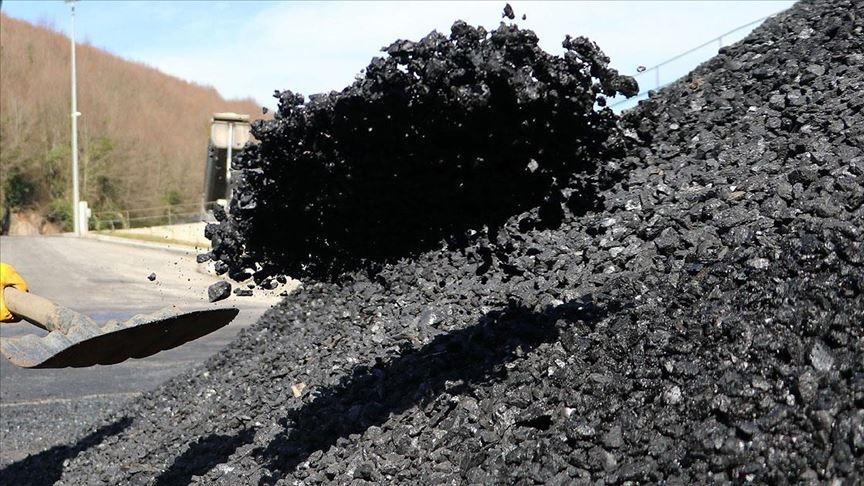
Linyit Madeni (AA)
Lignite forms from the accumulation of plant remains in oxygen-poor environments and their subsequent compression under sedimentary layers. The majority of lignite deposits in Türkiye accumulated during the Tertiary period, particularly the Miocene, following the Alpine orogeny, in freshwater lakes and swamps. Lignite deposits are found within geological units such as Eocene flysch, Oligocene gypsum formations, and Miocene freshwater sediments. These depositional environments typically developed in low-pressure subsidence basins, where abundant vegetation provided the necessary biomass for lignite formation. Türkiye’s location within the Alpine belt provides a geologically active framework conducive to the development of such basins.
Türkiye holds approximately 5.9 percent of global lignite reserves and ranks 14th worldwide in terms of reserve volume. Across the country, total lignite reserves amount to around 11.5 billion tons, distributed across 116 distinct locations. Of this, 9.6 billion tons are proven reserves, with the remainder classified as probable and possible. Lignite deposits in Türkiye are predominantly located in Tertiary-age basins and are operated through public-private sector collaboration. The largest lignite deposits are as follows:
Some of these deposits are mined using open-pit methods, while others are extracted through underground mining. The strategic importance of lignite fields located near thermal power plants is particularly high.
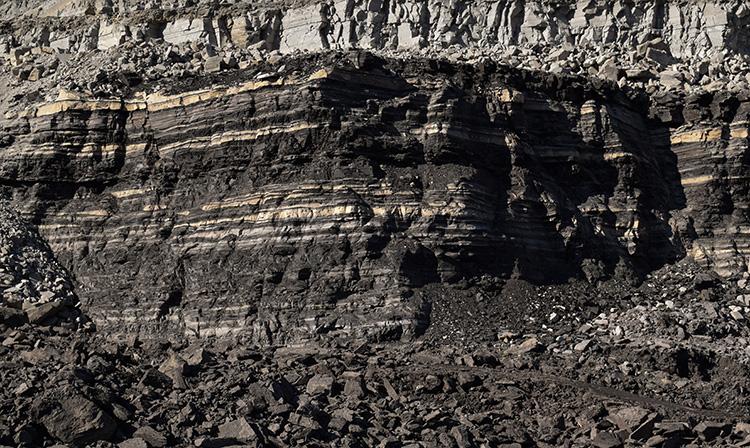
Linyit Madeni Çıkarılan Sahaya Ait Görsel (AA)
The earliest records of lignite presence in Türkiye date back to the Ottoman period. Production began in the 19th century in regions such as Erzurum, Soma, and Çeltek. Systematic exploration and reserve development efforts commenced with the establishment of the General Directorate of Mineral Research and Exploration (MTA) in 1935. The “Development of Our Lignite Reserves Project,” launched in 2005, significantly increased reserve estimates. During the Republican era, state-supported lignite production was prioritized, particularly to ensure energy supply security by directing lignite as feedstock to thermal power plants. From the 1950s onward, the establishment of briquette factories aimed to enhance the efficient utilization of lignite.
Lignite is primarily used as a fuel in thermal power plants for electricity generation. Despite its low calorific value, it remains widely used in Türkiye as an alternative to natural gas and imported coal. It is also used for domestic heating in certain regions. The use of low-quality lignite poses environmental risks; therefore, methods such as filtration and briquetting are employed to mitigate environmental impacts. Additionally, lignite can serve as a carbon source in certain chemical processes. Modern clean coal technologies represent significant steps toward making lignite use more sustainable.
Linyit Madenine Ait Görsel (AA)
Lignite reserves are distributed across all regions of Türkiye, but the richest areas are the Mediterranean (Afşin-Elbistan), Central Anatolia (Karapınar), Aegean (Soma, Tunçbilek), and Marmara regions. Reserves in Eastern and Southeastern Anatolia are limited. Regional variations also exist in the quality of lignite deposits. For example, while the Afşin-Elbistan deposits are large in volume, they have low calorific value; in contrast, the Soma and Tunçbilek deposits exhibit higher heat content. This variation is a critical parameter for the siting of thermal power plants and fuel efficiency.
The formation of lignite deposits in Türkiye is directly linked to tectonic events following the Alpine orogeny. Lignite is generally found in subsidence basins bounded by faults and within Miocene freshwater environments. Geological deformations have caused some deposits to become pulverized, while others have been fractured along fault lines. The primary host formations for lignite include Eocene flysch, Oligocene gypsum units, and Miocene freshwater sequences. Basin morphology, migration structures, and sedimentation rates significantly influence the determination of lignite seam distribution and thickness.
Lignite is a strategically important domestic and abundant fossil fuel source for Türkiye’s energy security. Despite its low calorific value and high moisture and ash content, its extensive reserves across the country make it a vital component in energy production, especially in thermal power plants. Lignite deposits, which have been exploited since the Ottoman period, have been more systematically developed under Republican-era state policies. Geologically, Türkiye’s position within the Alpine orogenic belt has facilitated the formation of favorable subsidence basins for lignite genesis. Today, lignite deposits operated by both public and private sectors continue to play a crucial role in efforts to increase domestic resource utilization. However, given environmental impacts, low efficiency, and the transition to clean energy, lignite use must be supported by advanced technologies and managed in accordance with sustainability principles.
Anadolu Ajansı. “Kütahya'da maden sahası ihale edilecek.” Photograph. February 11, 2025. Anadolu Ajansı. Accessed June 11, 2025.https://www.aa.com.tr/tr/enerjiterminali/maden/kutahyada-maden-sahasi-ihale-edilecek/44990
Energy and Natural Resources Ministry. *Coal*. T.C. Energy and Natural Resources Ministry. Accessed May 22, 2025.https://enerji.gov.tr/english-info-bank-natural-resources-coal-tr.
Kaygusuzer, Mustafa Murat. "Soma’da 3 bin 334 madencinin kıdem tazminatı hesaplamaları tamamlandı." Fotoğraf. 22 Aralık 2020. Anadolu Ajansı. Accessed June 13, 2025.
Mineral Research and Exploration General Directorate. *KömürArama Genel. Accessed May 22, 2025.https://www.mta.gov.tr/v3.0/arastirmalar/komur-arama-arastirmalari.
Yıldız, Volkan. “Linyit sahasındaki arkeolojik kazılar, Karya medeniyetine ışık tutuyor.” Photograph. January 14, 2023. Anadolu Ajansı. Accessed June 11, 2025.https://www.aa.com.tr/tr/kultur/linyit-sahasindaki-arkeolojik-kazilar-karya-medeniyetine-isik-tutuyor/2787467
Üçışık Erbilen, Süheyla, and Güven Şahin. "Enerji Coğrafyası Kapsamında Türkiye’de Linyit." Doğu Coğrafya Dergisi 33 (2015): 135–147.
İlhan, E. "Türkiye Linyit Yataklarının Jeolojisi Hakkında." Maden Tetkik ve Arama Genel Müdürlüğü Yayını (1954): 227–231.

Lignite
Mine Type | Fossil-derived, low-quality coal | ||||||||
|---|---|---|---|---|---|---|---|---|---|
Color and Structure | Brittle and dusty structure with brown-black tones | ||||||||
Moisture Content | 30–52% (average 31.39%) | ||||||||
Ash Content | Usually above 20% | ||||||||
Lower Heating Value | 700–3000 kcal/kg (can reach up to 5500 kcal/kg in some areas) | ||||||||
Sulfur Content | Ranging from below 1% to up to 5% | ||||||||
Primary Use | Electricity generation in thermal power plants and local heating systems | ||||||||
Reserves in Türkiye | 11.5 billion tons (sum of visible, probable and possible reserves) | ||||||||
Largest Deposits | Afşin-Elbistan, Karapınar, Soma, Tufanbeyli, Çerkezköy | ||||||||
World Ranking | 14th in reserves; among the top 5 countries in production | ||||||||
Geological Period | Typically Tertiary (especially Miocene) | ||||||||
Formation Environment | Freshwater swamps and lakes | ||||||||
Mining Type | Open-pit and underground mining | ||||||||
Relevant Institutions | MTA, TKİ, EÜAŞ, private sector | ||||||||
Geological Formation
Lignite Reserves and Distribution in Türkiye
Historical Development
Applications
Geographical Distribution
Geological and Tectonic Factors