


This article was automatically translated from the original Turkish version.
+1 More
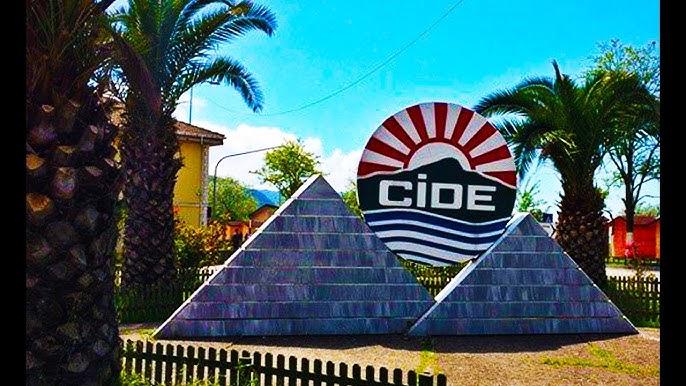
Cide
Province | Kastamonu | ||||||||
|---|---|---|---|---|---|---|---|---|---|
Geographic Region | Black Sea Region | ||||||||
District Governor | Tuncay Karataş | ||||||||
Mayor | Nejdet Demir | ||||||||
Population | 23.329 | ||||||||
Area | 663 km² | ||||||||
Elevation | 15 m | ||||||||
Postal Code | 37600 | ||||||||
Province Area Code | 366 | ||||||||
Province License Plate Code | 37 | ||||||||
Cide is a district of Kastamonu province in Türkiye. Located on the Black Sea coast, Cide is one of Kastamonu’s significant settlements, known for its bays, forests, highland pastures, historical structures, and its place in folk literature. With an area of 664 km², the district constitutes 5 percent of Kastamonu’s total area.
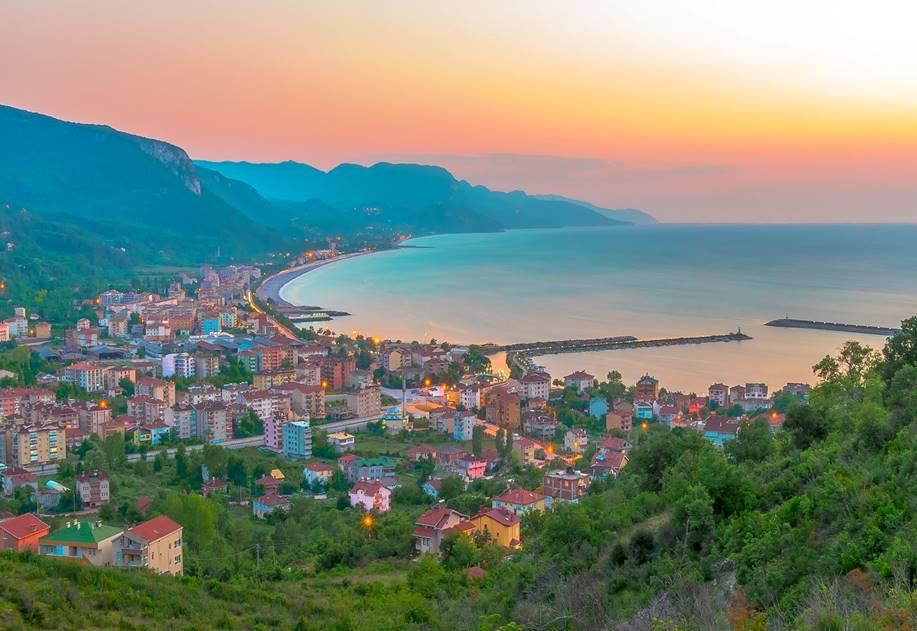
Cide İlçe Merkezi Tepeden Görünüm (T.C. Cide Kaymakamlığı)
To the east of the district lies Şenpazar, to the west the province of Bartın, to the south the districts of Azdavay and Pınarbaşı, and to the north the Black Sea. The coastline extends approximately 95 kilometers, endowing the district with a rich array of natural bays, cliffs, and beaches. Surrounded by mountainous and forested areas, Cide borders the western end of the Küre Mountains National Park. Major rivers in the district include the Devrekani Çayı and the Gebeş Çayı. Agricultural land, orchards, and extensive forested areas form its natural wealth, with 81 percent of the district covered by forests.
The history of Cide district reveals continuous human settlement since antiquity. Ancient sources refer to the region as “Kytoros,” with Gideros Bay serving as its settlement site. Gideros derives its name from this ancient city and has historically functioned as both a harbor and a shelter.
During the Ottoman period, Cide was an important stop along Black Sea trade routes and gained prominence in the 19th century for maritime transport and shipbuilding. Particularly during the War of Independence, the bays along the coast were used as secret ports for the transportation of weapons and ammunition. Additionally, the region served as a strategic defensive area against piracy activities prevalent in the Ottoman era.
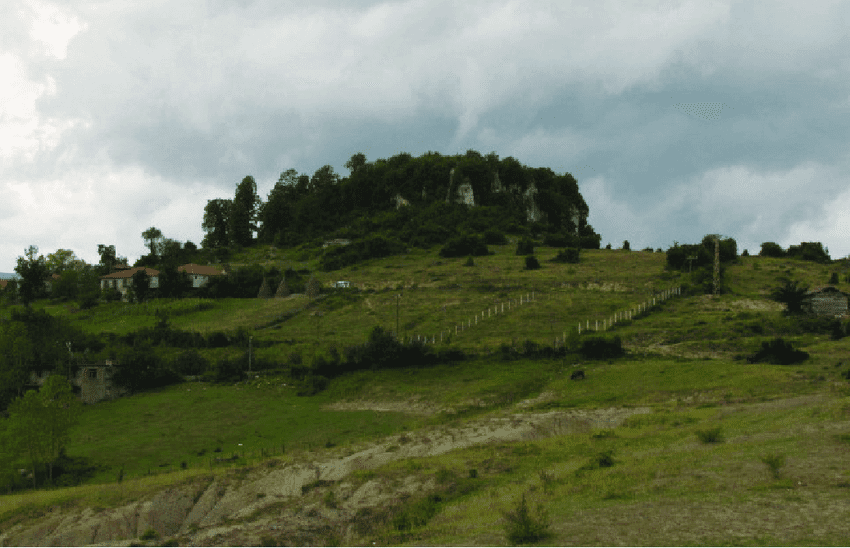
Okçular Kalesi (T.C. Cide Kaymakamlığı)
Historically, Cide’s economy has been based on forestry, agriculture, and fishing, but in recent times it has diversified into tourism, the service sector, and handicrafts. Especially during the summer months, increased tourism activity provides a vital source of income for the local population. Distinctive local crafts such as handwoven textiles (Cide cloth), boat building, walnut processing, and traditional culinary culture reflect the cultural dimensions of these economic activities.
The main agricultural products include hazelnuts, apples, pears, walnuts, corn, and various vegetables, while animal husbandry remains significant in rural areas. Fishing continues to be a livelihood for communities living along the coast.
Gideros Bay is mentioned in mythological sources as a port visited by the Amazons and today is a favored destination for nature lovers, campers, and water sports enthusiasts. Additionally, natural and cultural landmarks such as the Loç Valley, the Küre Mountains National Park, and the İlyasbey Camii hold considerable tourist importance. In recent years, trails for ecotourism and nature walking have also seen development in the district.
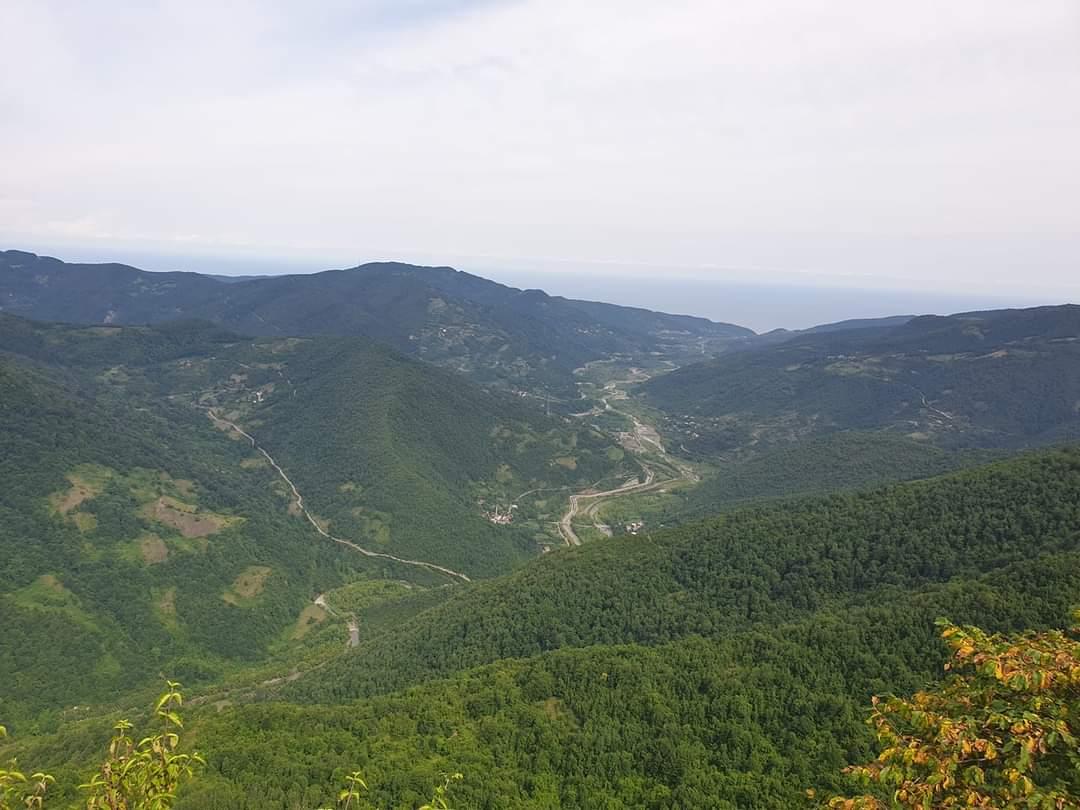
Aydos Muna Tepesi (T.C. Cide Kaymakamlığı)
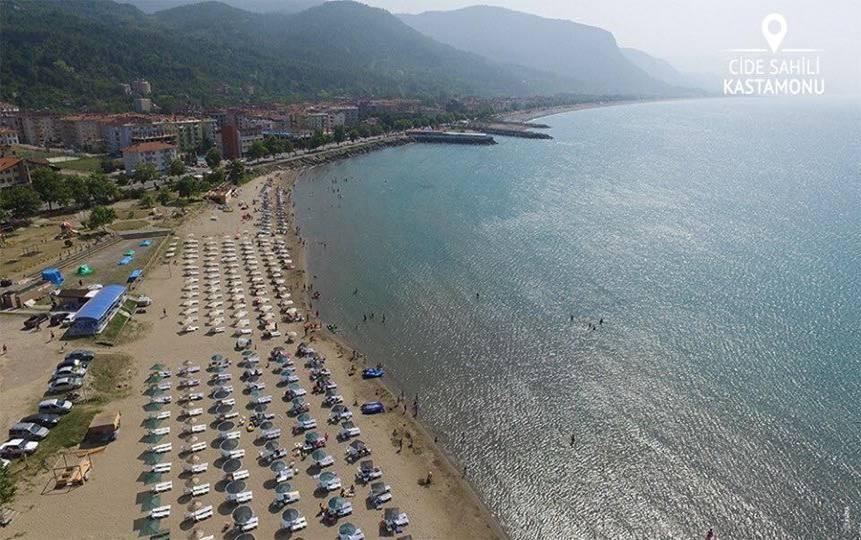
Cide Halk Plajı (T.C. Cide Kaymakamlığı)
Access to Cide is provided by road. It is approximately 145 kilometers from the city center of Kastamonu. It is also reachable via the Bartın–Amasra route from Zonguldak. In response to rising tourism demand, road infrastructure has been improved in recent years, and transportation has been facilitated during summer months through special bus services organized by Kastamonu Municipality and private companies.
Regular public transportation operates within the district center, and minibuses connect rural neighborhoods. Telecommunications and internet infrastructure have developed notably in the center and along the coast.
The various mosques, tombs, and cemeteries in the district reflect Cide’s religious and architectural past. The renowned Turkish writer Rıfat Ilgaz was born in Cide in 1911. A major representative of Republican-era literature through his poetry, short stories, and novels, Ilgaz is especially known for his socially realistic approach. In his novel “Sarı Yazma”, he provides a profound depiction of Cide—its people, nature, and cultural structure. This work is both a love story and a valuable literary text reflecting the social memory of Cide. The house where the author was born has been converted into a cultural visit site and is supported by various events to preserve his legacy.
In this context, the Cide Rıfat Ilgaz Sarıyazma Culture and Arts Festival is held annually in the district. The festival aims to honor Rıfat Ilgaz’s literary legacy and promote the district’s folkloric values. During the festival, poetry readings, folk dance performances, handicraft exhibitions, and local music concerts are organized.
The most iconic symbolic object of the region is the sarı yazma. This fine fabric, traditionally worn by women as a headscarf, is not merely a garment but also a symbol of regional identity, simplicity, and emotional expression. The sarı yazma frequently appears in folk poetry, laments, and folk songs, securing an important place in the cultural memory of the region. Today, it remains an indispensable theme in souvenirs, posters, and festivals representing Cide.
Local folk dances, wedding traditions, Cide cloth weaving, highland festival celebrations, and regional dishes—such as corn bread, hamsili pilaf, and local variations of keşkeğ—constitute the elements of the district’s oral cultural heritage.

Cide
Province | Kastamonu | ||||||||
|---|---|---|---|---|---|---|---|---|---|
Geographic Region | Black Sea Region | ||||||||
District Governor | Tuncay Karataş | ||||||||
Mayor | Nejdet Demir | ||||||||
Population | 23.329 | ||||||||
Area | 663 km² | ||||||||
Elevation | 15 m | ||||||||
Postal Code | 37600 | ||||||||
Province Area Code | 366 | ||||||||
Province License Plate Code | 37 | ||||||||
Geographical Location and Physical Structure
History
Economic and Social Structure
Natural Beauty and Tourism
Transportation and Infrastructure
Cultural Heritage