


This article was automatically translated from the original Turkish version.

The transmission of information has always been of critical importance throughout history. Consequently, states have employed numerous methods to gather intelligence and defend against it, including the use of animals.
The use of animals in intelligence operations dates back to antiquity... The first documented instance occurred in 1907 when German Julius Neubronner used pigeons equipped with and trained to carry miniature cameras to photograph enemy positions during World War I.
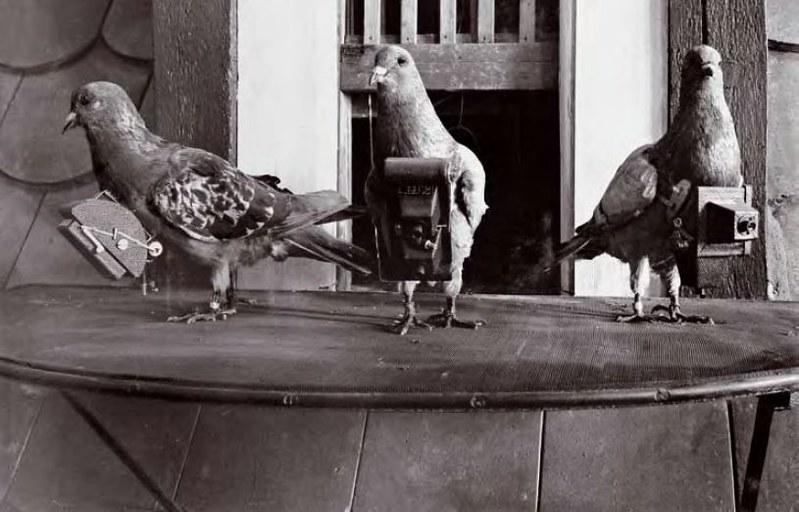
Pigeons fitted with cameras. (Flickr)
During World War II, MI14(d), a unit under British intelligence, established a “Secret Pigeon Service” that dropped birds equipped with parachutes over occupied Europe to deliver containers to the ground. More than 1,000 pigeons returned with messages containing details of V1 rocket launch sites and German radar stations, using a method similar to postal surveys.
One message from a resistance group named Leopold Vindictive even produced a 12-page intelligence report directly addressed to then British Prime Minister W. Churchill. It is known that pigeons involved in Operation Columba were awarded medals for their success.
Outside of modern and recent history, the Cold War era saw the most intensive use of animals as spies. During this period, the variety of animals used and their operational applications expanded significantly. The Central Intelligence Agency (CIA) employed pigeons through various methods to obtain images of sensitive areas within the Soviet Union (USSR). During the same period, dead mice were also utilized, as their inability to attract human suspicion was considered an advantage; listening devices were inserted inside their bodies.
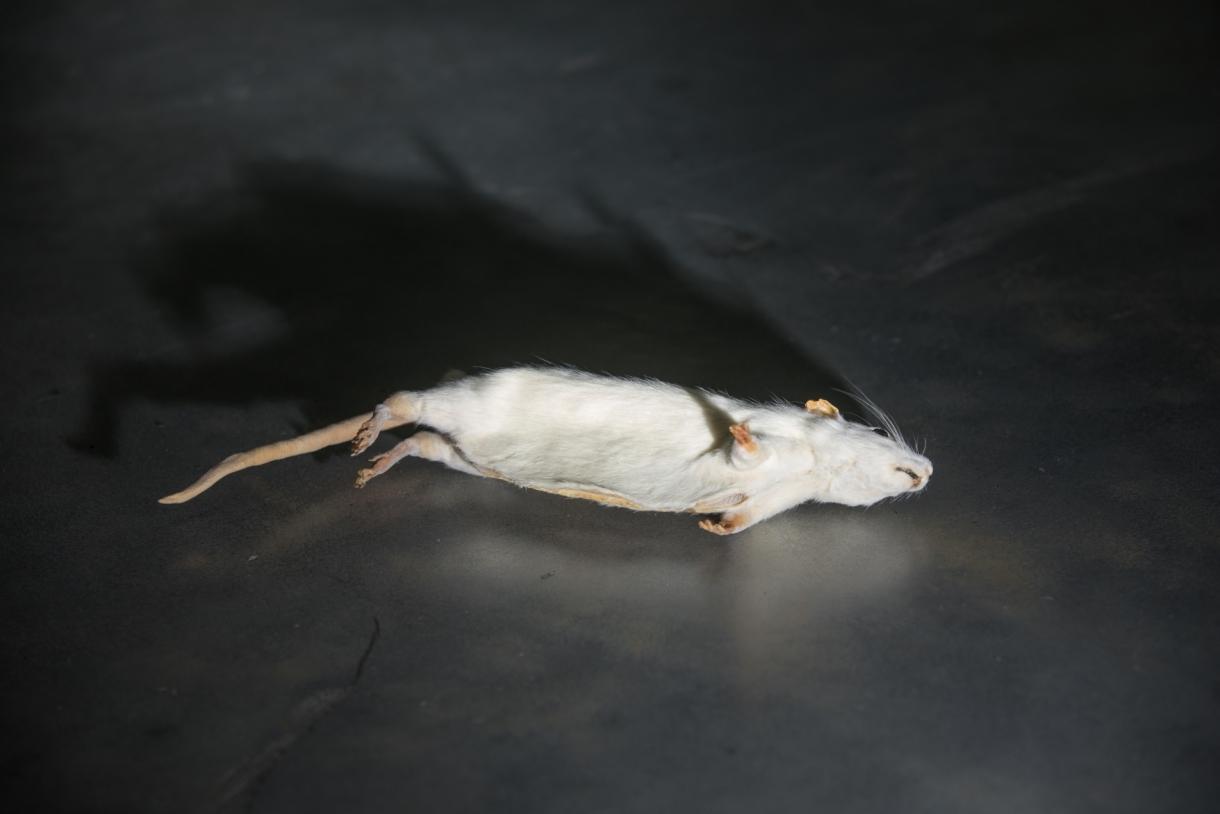
A dead mouse with a listening device inserted inside. (Spy Museum)
In the 1960s, the CIA conducted research on pigeons and crows to train them to carry and retrieve small objects weighing up to 40 grams. In addition, experiments were carried out to remotely control dogs by applying electrical stimulation to their brains.
As a result of all these efforts, it was concluded that the pigeon was the most effective terrestrial and aerial animal for espionage purposes. In the mid-1970s, cameras were mounted on two birds—one above a prison and the other above the U.S. Navy Yard in Washington DC. The cameras, which weighed 35 grams and cost $2,000, captured 140 photographs on a film roll, half of which were of high quality, clearly showing moving people and inanimate objects.
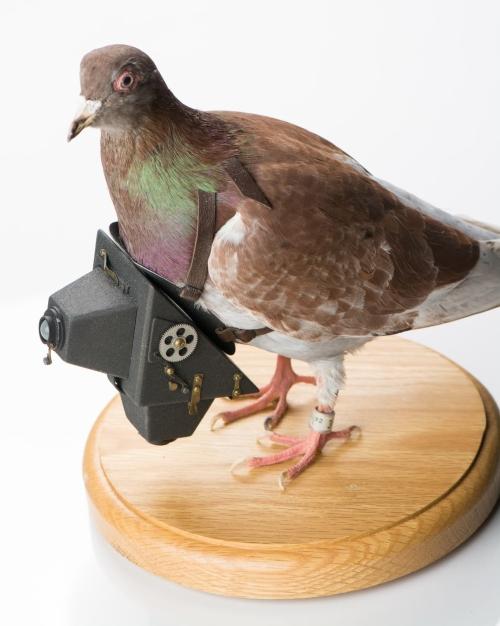
A pigeon trained and fitted with a camera for image collection. ()
Various techniques were tested during trials, including releasing pigeons from a moving automobile traveling at 80 km/h or from within a thick coat. The ultimate objective was to release the bird several kilometers from its target, allowing it to fly over the area of interest before returning to its known home loft.
Today, thanks to technologies such as unmanned aerial, land, and maritime vehicles, pigeons and other animals no longer play the same role in espionage as they once did. As a result, Operation Tacana has been relegated to the dusty pages of history books.
However, this does not mean that the CIA has entirely abandoned the use of animals.
It is worth recalling that suspicions of “spy birds” continue to persist between neighboring Pakistan and India, with pigeons found carrying notes and microchips—and even being apprehended.
Cats were also subjected to experimentation by intelligence agencies... In 1960, the CIA conceived an operation to gather intelligence from within the Soviet Embassy.
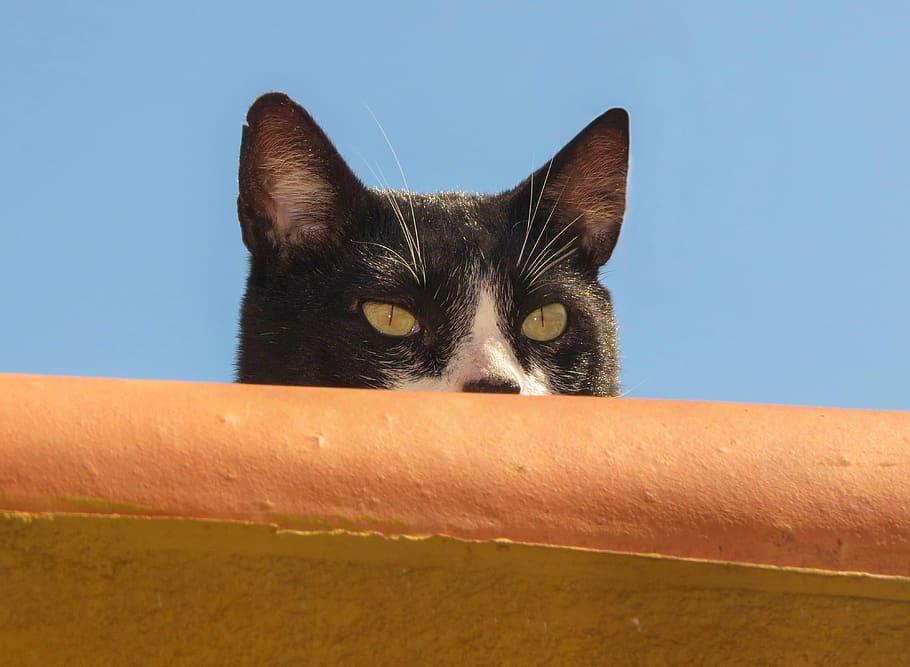
Cat. (Pikrepo)
The operation, named “Acoustic Kitty,” planned to implant a microphone in the cat’s ear and a radio transmitter beneath its skull. After five years of preparatory work, a 4-inch transmitter was inserted and wired from the cat’s ear to its tail.
However, the project ended in tragicomic failure. Cats, by nature independent and disobedient, proved difficult to control. During a field test, the cat was released near a park bench in front of the Soviet Embassy where two men were conversing. The cat wandered off and was struck and killed by a passing car. Concluding the operation was impractical, the CIA canceled the project in 1967.
The innate sensory and auditory capabilities of marine animals, particularly dolphins, are well-documented scientific facts. These attributes have been exploited—and continue to be exploited—by rival nations, often outperforming artificial sensors. It is known that the United States has used dolphins for mine-clearing operations from the recent past to the present day.
Some researchers argue that these animals, due to their biological design, can achieve more reliable results than artificial systems in detection and reconnaissance tasks. Examples include sharks, moths, and mice, which can meticulously detect traces of specific chemicals.
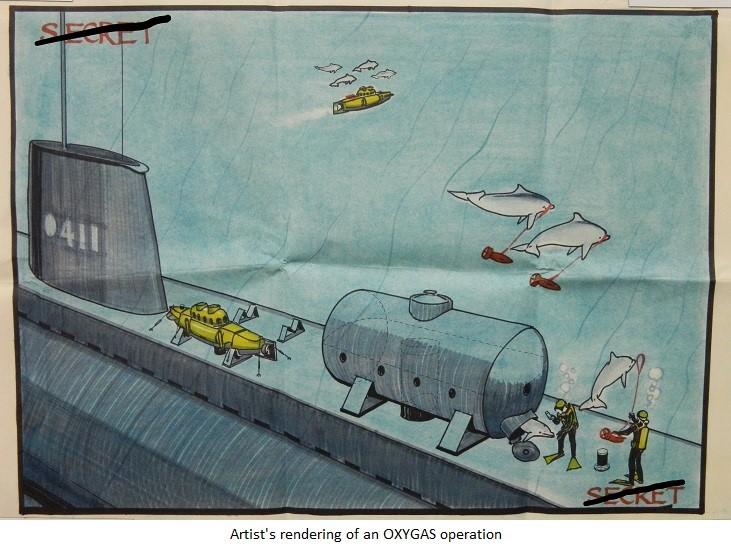
Depiction of Operation OXYGAS. (CIA)
These capabilities have led intelligence agencies to use—and continue to use—marine animals. In the 1960s, both the Soviet and U.S. navies initiated training programs to use dolphins for detecting underwater mines, locating lost equipment, and identifying enemy divers. Subsequently, the CIA conducted training under the secret Operation OXYGAS to prepare dolphins to attach explosive devices to enemy vessels.
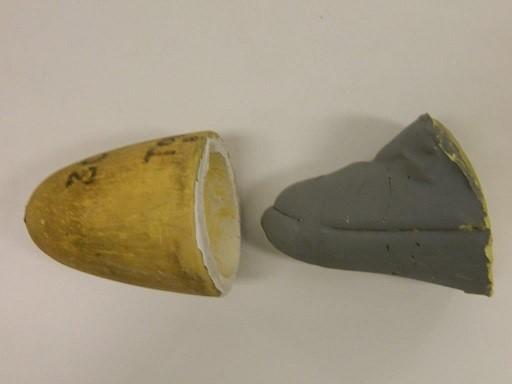
Equipment designed to enable dolphins to participate in intelligence operations. (CIA)
Another example of dolphins being used for intelligence purposes occurred in 2015 in the Mediterranean Sea. The Islamist resistance movement HAMAS announced that it had captured a dolphin equipped with Israeli-made arrows and cameras. HAMAS claimed the dolphin had been trained by Israel to observe and gather intelligence on Gaza-based commandos. Israel faced additional accusations as well; in 2010, Egypt alleged that Israel had directed sharks toward its coastlines to damage its tourism industry.
Another recent and intriguing case occurred in Norway. In 2019, a beluga whale, known as a “sea canary,” attracted the attention of Norwegian fishermen. The whale was found wearing a camera harness inscribed with “Equipment St. Petersburg.” The incident became a major topic in Norway’s public discourse, dividing opinion: some believed it was part of a Russian naval program training aquatic animals for espionage, while others suggested it might have been used for therapy for disabled children.
Claims were further supported by earlier British intelligence reports indicating that Russia had trained dolphins in Crimea to detect and counter enemy divers and had established a marine mammal program. However, the Russian government has not confirmed these allegations.
The whale was named “Hvaldimir,” a portmanteau of the Norwegian word “Hval” (whale) and “Dimir,” inspired by Russian President Vladimir Putin.
Weighing 1,225 kg and measuring over four meters in length, Hvaldimir was found dead in 2024 at the age of 15—less than half the average lifespan of its species. Before its death, Hvaldimir was observed along the Norwegian coast and was seen carrying a dropped action camera from a fisherman’s boat. Although some marine organizations claim the beluga did not die of natural causes, debates surrounding its death continue.
“Animal Partners | CIA FOIA (Foia.Cia.Gov).” Accessed May 19, 2025.https://www.cia.gov/readingroom/collection/animal-partners. “Natural Spies: Animals in Espionage - CIA.” Accessed May 19, 2025.https://www.cia.gov/stories/story/natural-spies-animals-in-espionage/. Corera, Gordon. BBC. “CIA Unveils Cold War Spy-Pigeon Missions.” Accessed May 19, 2025.https://www.bbc.com/news/world-us-canada-49692534. Elliott, Christian. “Which Animal Is a Better Spy—a Pigeon or a Cat? We Actually Know the Answer.” National Geographic Premium. Accessed May 19, 2025.https://www.nationalgeographic.com/premium/article/animal-spy-cat-pigeon-cia-acoustic-kitty-columba-tacana. Grey Dynamics. “Covert Creatures: The History of Spy Animals.” Accessed May 19, 2025.https://greydynamics.com/covert-creatures-the-history-of-spy-animals/. International Spy Museum. “Animals in Espionage.” Accessed May 19, 2025.https://www.spymuseum.org/education-programs/youth-family/activities/animals-in-espionage/. Madi, Muhammed. “Geçmişten Günümüze ‘Casus Hayvanlar.’” BBC News Türkçe. Accessed May 19, 2025.https://www.bbc.com/turkce/haberler/2013/09/130905_casus_hayvanlar. Mepa News. “Balina, Ölü Fare, Kedi veya Güvercin: En İyi Casus Hayvan Hangisi?” Accessed May 19, 2025.https://www.mepanews.com/balina-olu-fare-kedi-veya-guvercin-en-iyi-casus-hayvan-hangisi-68476h.htm. NTV Haber. “Hamas’tan İsrail’e ‘Casus Yunus’ Suçlaması.” Accessed May 19, 2025.https://www.ntv.com.tr/dunya/hamas-casus-yunus-yakaladi,deIIjXexOkSAA3zGJtzcfw. Ortahamamcilar, Burak. “CIA’in Gizli Casus Ordusu: Sabotajcı Yunuslar, Fotoğraf Çeken Kuzgunlar, Ortam Dinleyen Kediler.” Euronews. Accessed May 19, 2025.https://tr.euronews.com/2019/09/14/cia-in-gizli-casus-ordusu-sabotajc-yunuslar-fotograf-ceken-kuzgunlar-ortam-dinleyen-kedile. Sputnik Türkiye. “CIA, Soğuk Savaş Döneminde Hayvanları Gizli Görevler İçin Eğitmiş.” Accessed May 19, 2025.https://anlatilaninotesi.com.tr/20190915/cia-soguk-savas-doneminde-hayvanlari-gizli-gorevler-icin-egitmis-1040173852.html.
Operation Tacana
The Continued Use of Pigeons
Acoustic Kitty
Spies of the Sea