


Blackthorn (Sloe)
Latin Name | Prunus spinosa L. | ||||||||
|---|---|---|---|---|---|---|---|---|---|
Family | Rosaceae | ||||||||
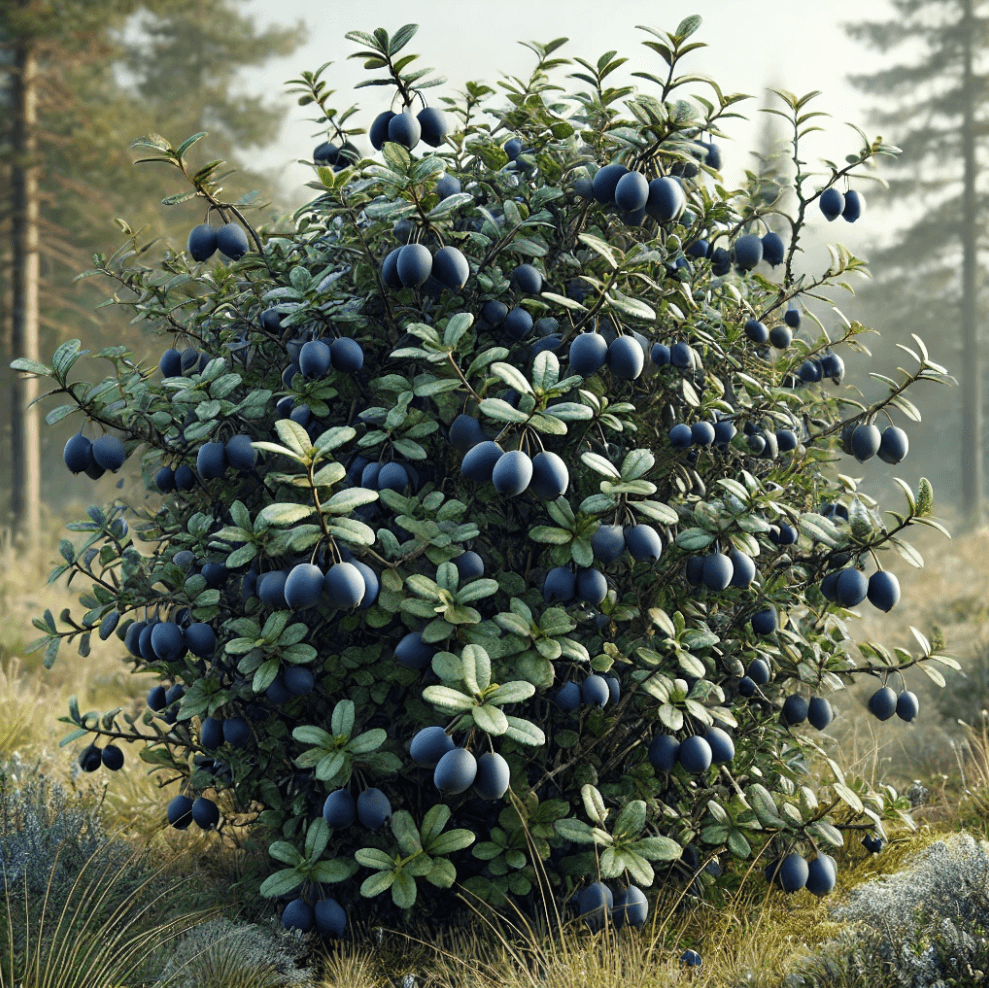
Blackthorn (Prunus spinosa L.), a member of the Rosaceae family, is a plant species that typically grows in shrub form. It is commonly found in Europe, Western Asia, North Africa, and Anatolia. Known by various names such as sloe or wild plum, it holds significant value both in natural landscapes and agricultural production.
Prunus spinosa is a thorny shrub ranging from 1 to 4 meters in height. It blooms with white flowers in spring, and its fruits, which typically mature in autumn, are usually purple. In Turkey, it naturally grows in regions such as Adana, Çanakkale, Tekirdağ, Balıkesir, and Edirne.
This plant species is known for its resistance to low temperatures and ability to thrive in poor soils. Its adaptation to arid conditions makes it a preferred choice in landscape architecture applications, such as erosion control and ecological restoration.
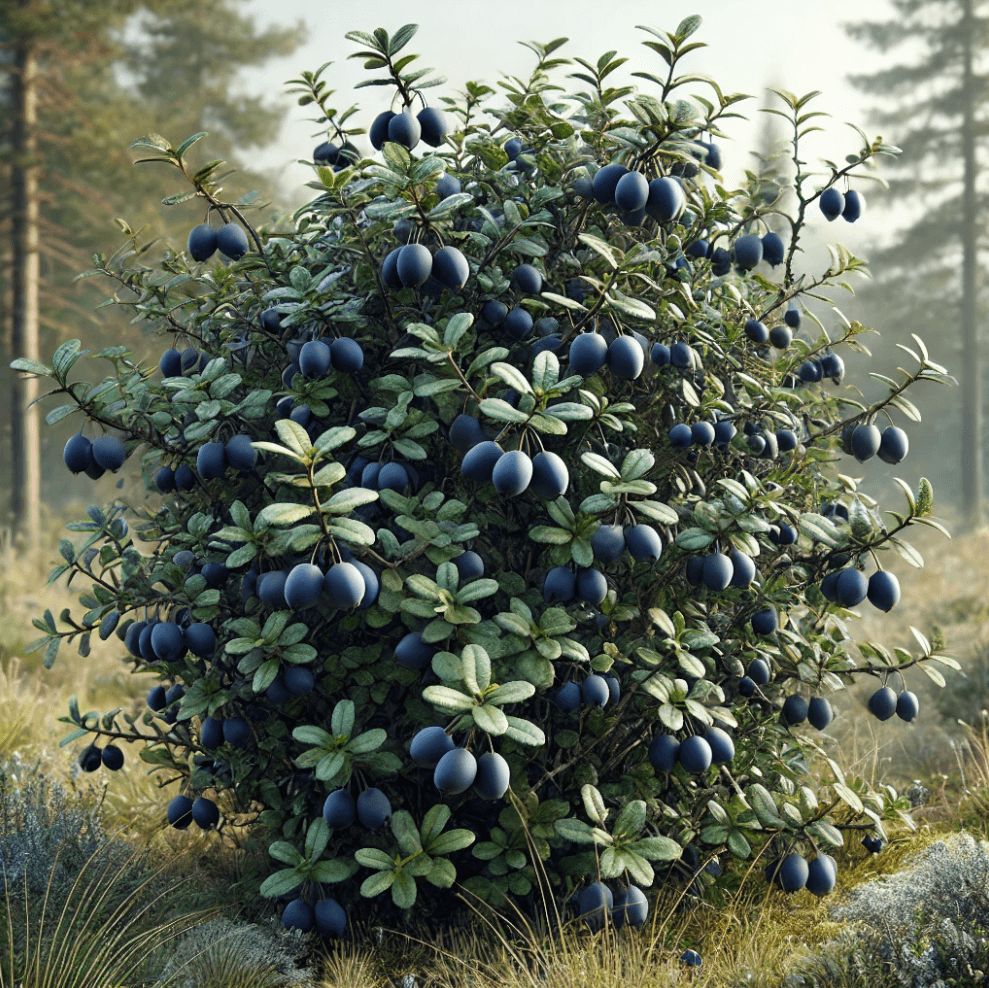
Artificially generated image of blackthorn (sloe) by artificial intelligence.
Blackthorn (Prunus spinosa) is a versatile plant used for both functional and aesthetic purposes, with a wide range of applications from traditional medicine to the food industry.
Prunus spinosa is a highly versatile plant with extensive potential for use in nature and agriculture. Promoting its proliferation in natural flora and cultivating superior genotypes is important for both ecological balance and economic benefits. Furthermore, more research into the biochemical properties of this plant is needed to expand its use in the medical and food industries.
Özer, Serkan, Ömer Atabeyoğlu, ve Murat Zengin. "Prunus spinosa L. (Çakal Eriği)’nin Peyzaj Mimarlığı Çalışma Sahasında Kullanım Olanakları." GOÜ Ziraat Fakültesi Dergisi 26, no. 2 (2009): 1-7.
Ayla, Şule, Mehmet Yalçın Günal, Ayşe Arzu Sayın Şakul, Özge Biçeroğlu, Ekrem Musa Özdemir, Mehmet Evren Okur, Derya Çiçek Polat, Neslihan Üstündağ Okur, ve Bülent Emre Bilgiç. "Effects of Prunus spinosa L. Fruits on Experimental Wound Healing." Medeniyet Medical Journal 32, no. 3 (2017): 152–158. https://doi.org/10.5222/MMJ.2017.152.
Bükücü, Şakir Burak, Zahide Süslüoğlu, Akide Özcan, Nesibe Ebru Kafkas, ve Mehmet Sütyemez. "Determination of Chemical Composition of Some Blackthorn Genotypes (Prunus spinosa L.)." Ege Üniversitesi Ziraat Fakültesi Dergisi 61, no. 4 (2024): 401–412. https://doi.org/10.20289/zfdergi.1425197.
Yıldız, Cahit, ve Cüneyt Akı. "Prunus spinosa L. ve Rubus sanctus Schreb. Yaprak Ekstraktlarının Capsicum annuum L. Çeşitlerinde Toplam Protein Miktarı ve Peroksidaz Aktivitesi Üzerine Etkilerinin Belirlenmesi." Journal of Awareness 3, Özel Sayı (2018): 609–616. https://doi.org/10.26809/joa.2018548673.
Başaran, Tuba, Engin Gür, Neşe Yılmaz, ve Mehmet Ali Gündoğdu. "Çanakkale Doğal Florasında Yayılış Gösteren Güvem Eriği (Prunus spinosa L.)’nin Pomolojik Özelliklerinin Belirlenmesi." Bahçe 53, Özel Sayı 1 (2024): 276–280. https://doi.org/10.53471/bahce.1509547.
Blackthorn (Sloe)
Latin Name | Prunus spinosa L. | ||||||||
|---|---|---|---|---|---|---|---|---|---|
Family | Rosaceae | ||||||||
Biological and Ecological Features
Usage Areas
Food and Beverage Industry
Medicinal Use
Landscape Architecture
Chemical Composition and Nutritional Values
Pomological Features
This article was created with the support of artificial intelligence.