


This article was automatically translated from the original Turkish version.
+1 More
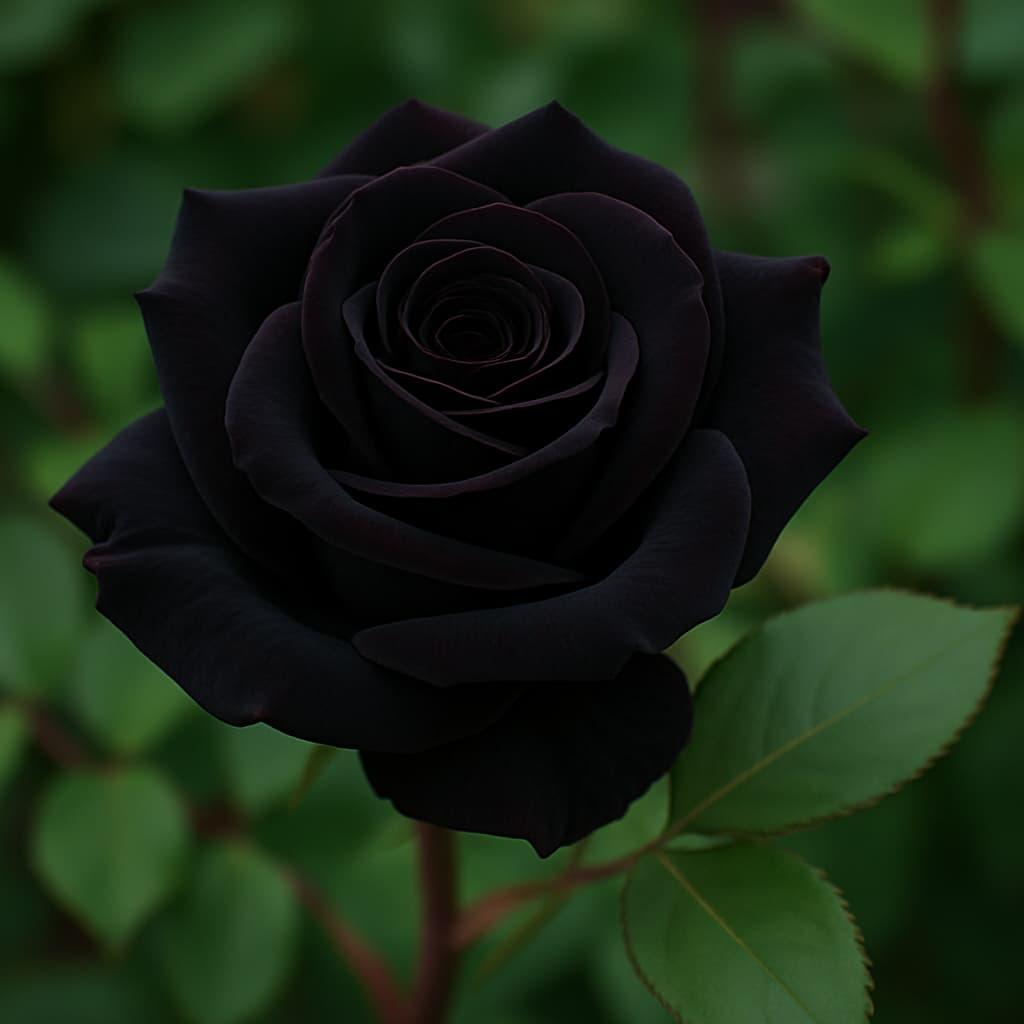
Black Rose
Scientific Name | Rosa chinensis L. cv. Louis XIV | ||||||||
|---|---|---|---|---|---|---|---|---|---|
Registration Number | 684 | ||||||||
Registration Type | Place of Origin | ||||||||
Registration Date | 2021-03-01 | ||||||||
Geographical Boundary | Halfeti / Şanlıurfa | ||||||||
Flowering Period | April–May, November–December | ||||||||
Cultivation Method | Cutting | ||||||||
Halfeti Karagülü (Rosa chinensis L. cv. Louis XIV) is an endemic ornamental plant that blooms with deep red flowers approaching black, and can only grow under the natural conditions specific to the Halfeti district of Şanlıurfa Province in Türkiye. Its color and fragrance arise exclusively from the microclimatic factors and calcareous soil structure of its native region. The rose stands out not only for its aesthetic and botanical characteristics but also for its cultural symbolic value. The product has been registered as a “geographical indication” under Law No. 6769 on Industrial Property.
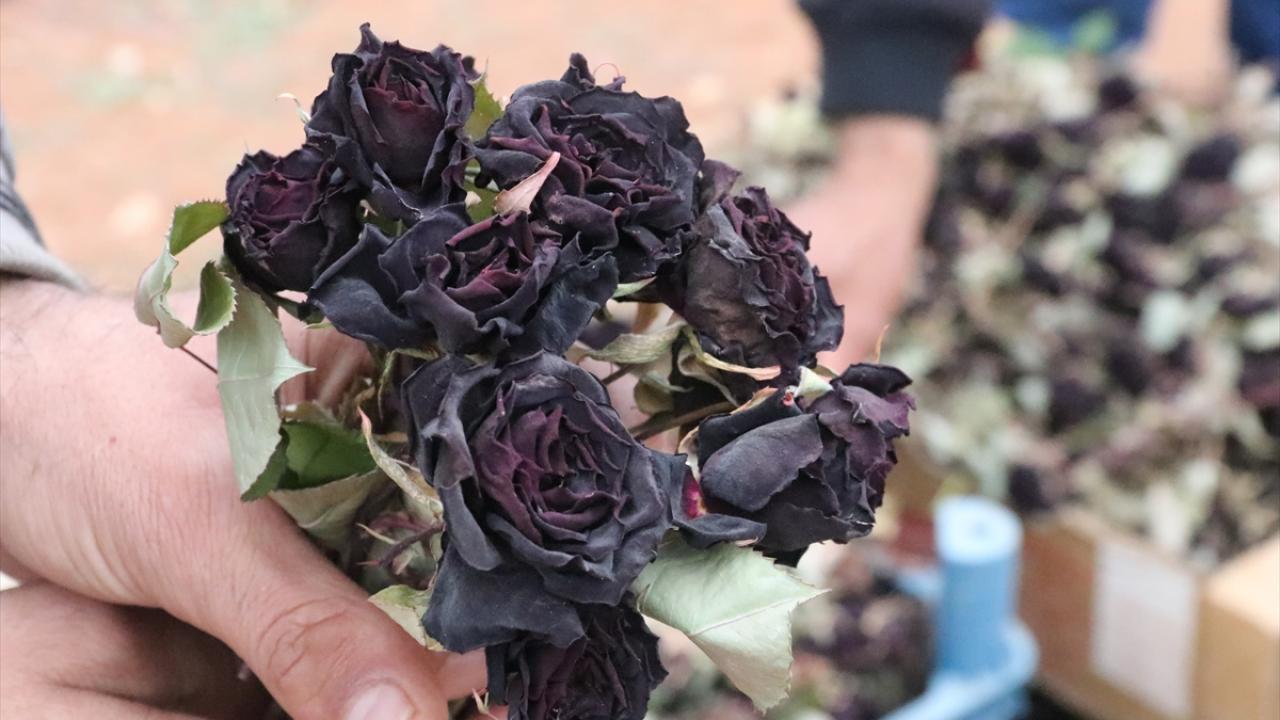
Kurutulmuş Karagül Görseli (Anadolu Ajansı)
Halfeti Karagülü is a variety of the Rosa chinensis L. cultivar Louis XIV. This species is known for its aromatic properties and large solitary flowers. The most distinctive feature of its blooms is their deep red tones approaching black. When in bud, the flowers appear black and transform into a velvety red as they open. A fine white line visible at the center of the petals morphologically distinguishes Halfeti Karagülü from other rose varieties.
The plant’s near-black pigmentation results from its physiological response to Halfeti’s unique light duration, temperature fluctuations, and highly calcareous soil structure. When the same cultivar is grown outside its native geographic boundaries, it loses its black pigmentation and produces flowers in red, velvety, or purple tones.
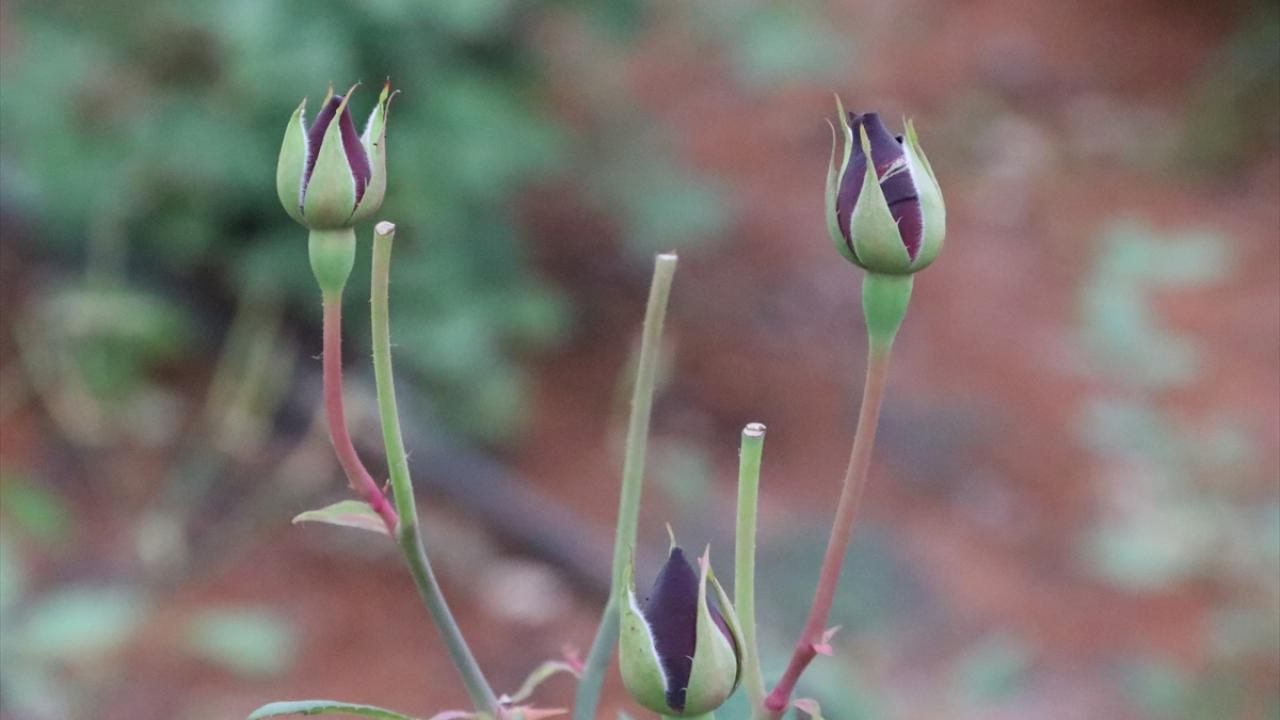
Tomurcuk Halinde Karagül (Anadolu Ajansı)
Halfeti is a district located along the Euphrates River in Southeastern Anatolia, characterized by distinct microclimatic conditions. The district’s calcareous and mineral-rich soils, combined with a semi-arid climate featuring hot dry summers and mild winters, directly influence the development of the rose’s unique coloration. The region’s average annual temperature ranges between 18–20 °C, with flowering periods typically occurring in spring (April–May) and autumn (November–December). After the construction of the Birecik Dam, part of the district center was submerged, leading to significant ecological changes. Alterations in water levels and soil pH have restricted the plant’s traditional growing areas.
Halfeti Karagülü is cultivated on flat, well-ventilated terrain with clay-loam soils rich in organic matter. During soil preparation, topsoil, peat, and composted farm manure are mixed in a 2:1:1 ratio. This mixture supports both water retention and root development.
The rose is propagated vegetatively through cuttings. Cuttings measuring 15–25 cm in length, containing 1–3 buds, are taken from mother plants pruned at the end of autumn through the end of winter and planted in pre-prepared soil. After initial watering, irrigation is maintained regularly. During summer months, watering frequency increases with rising temperatures. Weed control is essential to preserve product quality.
Flowers are harvested when their color reaches its closest approximation to black. Products intended for fresh sale are packaged directly, while those destined for drying are hung upside down on ropes in shaded areas. Once fully dried, the flowers are stored in airtight packaging and prepared for market.
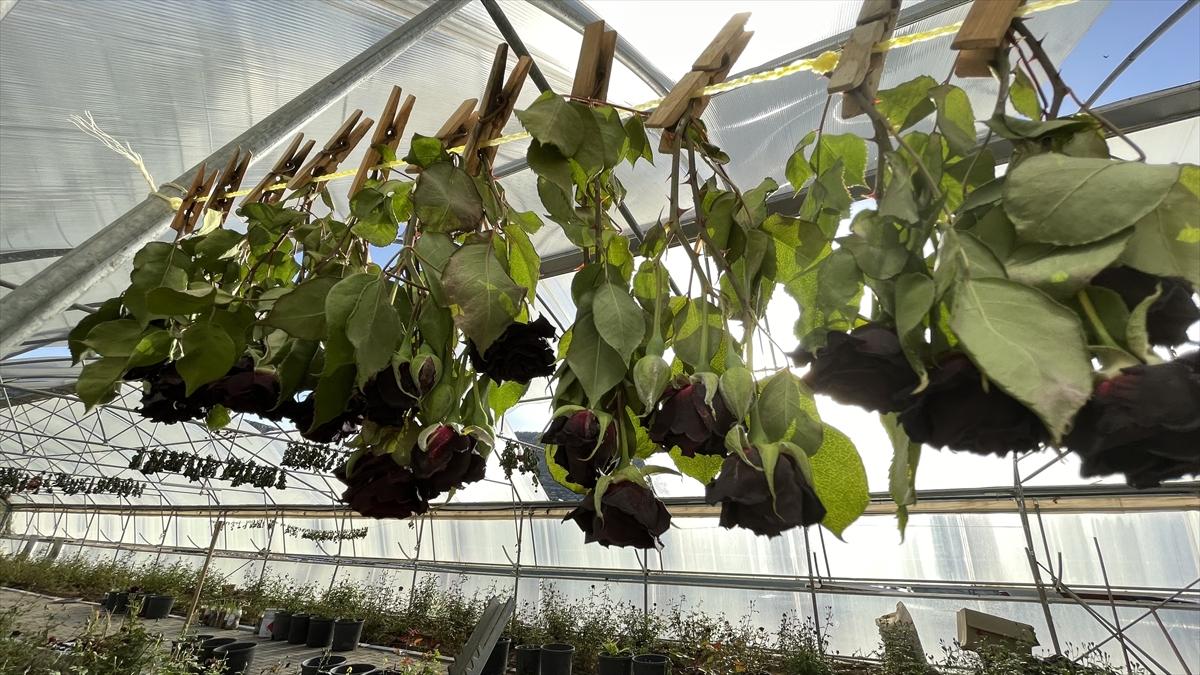
Ters Asılan Karagül Görseli (Anadolu Ajansı)
Halfeti Karagülü was registered as a “geographical indication” by the Turkish Patent and Trademark Office on 1 March 2021, following an application by the Halfeti Municipality. The registration number is 684 and the application number is C2019/131. The registration applies exclusively to plants cultivated within the boundaries of Halfeti district in Şanlıurfa Province. As required by registration conditions, the designation “Halfeti Karagülü” and its geographical indication emblem must be visibly displayed on the product itself, its packaging, or within the production facility.
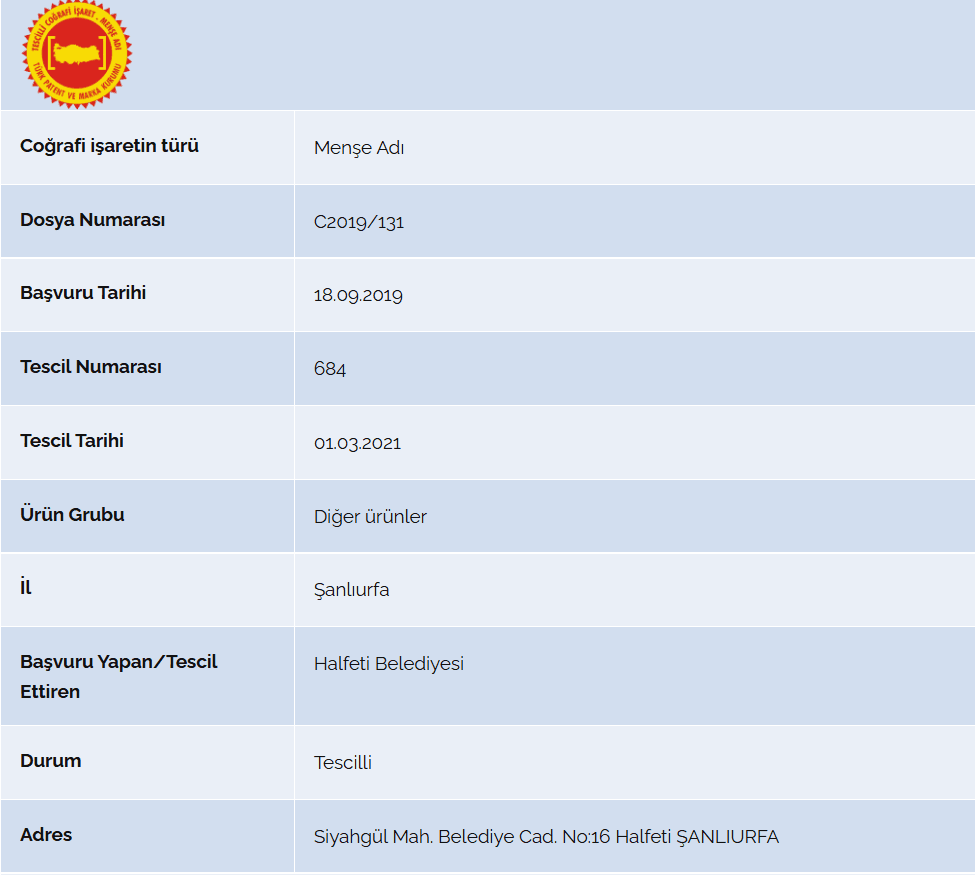
Tescil Tablosu (Türk Patent)
The production, distribution, and use of the geographical indication are monitored by a control board established under the coordination of the Halfeti Municipality. The board includes experts from the Halfeti Municipality Enforcement Directorate, the Halfeti Chamber of Agriculture, and the District Directorate of Agriculture and Forestry. Inspections are conducted at least once annually, with additional inspections carried out as needed or upon complaint. Inspection criteria include the suitability of cultivation areas, accuracy of varietal characteristics, compliance with production methods, and control of emblem usage.
Halfeti Karagülü holds significance not only for its biological properties but also for its contribution to local identity. This plant has become a symbolic element for visitors to the district and is used in various souvenir products such as jam, Turkish delight, soap, perfume, and chocolate. The cultivation of Karagül along the riverside and in greenhouses by local authorities also contributes visually to Halfeti’s tourism appeal. One of the symbols that contributed to Halfeti’s inclusion in the Cittaslow (Slow City) network in 2013 is the Karagül.
In response to the ecological decline in Karagül production, the Halfeti Municipality, in cooperation with the Ministry of Agriculture and Forestry, has promoted greenhouse cultivation practices. Particularly under the TAGEM-supported project “Improvement of the Halfeti Rose and Integration into the Cut Flower Sector,” cut flower production in greenhouses has been targeted and production capacity suitable for global markets has been developed.
Maltaş, Rauf. "‘Karagül diyarı’ Halfeti’de bereketli hasat." Anadolu Ajansı, May 4, 2022. Accessed June 11, 2025.
Sonar, Mustafa. “Halfeti'nin Simgesi Karagül Baharın Gelmesiyle Güzelliğini Sergiliyor.” Anadolu Ajansı, April 30, 2020. Accessed May 27, 2025.https://www.aa.com.tr/tr/turkiye/halfetinin-simgesi-karagul-baharin-gelmesiyle-guzelligini-sergiliyor/1824377
Turkish Patent and Trademark Office. "Halfeti Karagül / Halfeti Siyah Gül." *Coğrafi İşaretler ve Geleneksel Ürün Adları*. Accessed May 27, 2025.https://ci.turkpatent.gov.tr/cografi-isaretler/detay/924.
Şanlıurfa Metropolitan Municipality. "Halfeti'nin Karagülü Serada Yetişiyor." Şanlıurfa Büyükşehir Belediyesi, Accessed May 27, 2025.https://www.sanliurfa.bel.tr/icerik/4174/21/halfetinin-karagulu-serada-yetisiyor.
Black Rose
Scientific Name | Rosa chinensis L. cv. Louis XIV | ||||||||
|---|---|---|---|---|---|---|---|---|---|
Registration Number | 684 | ||||||||
Registration Type | Place of Origin | ||||||||
Registration Date | 2021-03-01 | ||||||||
Geographical Boundary | Halfeti / Şanlıurfa | ||||||||
Flowering Period | April–May, November–December | ||||||||
Cultivation Method | Cutting | ||||||||
Botanical Definition and Distinguishing Features
Growing Environment and Climatic Conditions
Production Process
Site and Soil Selection
Propagation by Cuttings
Harvesting and Drying
Geographical Indication and Legal Status
Monitoring Mechanism
Cultural and Touristic Implications
Recent Developments