


This article was automatically translated from the original Turkish version.
Biophilic design is the integration of natural elements into the built environment to strengthen humans’ innate connection with nature. This concept is based on the “biophilia hypothesis,” proposed by biologist Edward O. Wilson in 1984. According to Wilson, humans are biologically programmed to form bonds with nature, and when this connection is severed, it leads to stress, difficulty concentrating, and unhappiness.
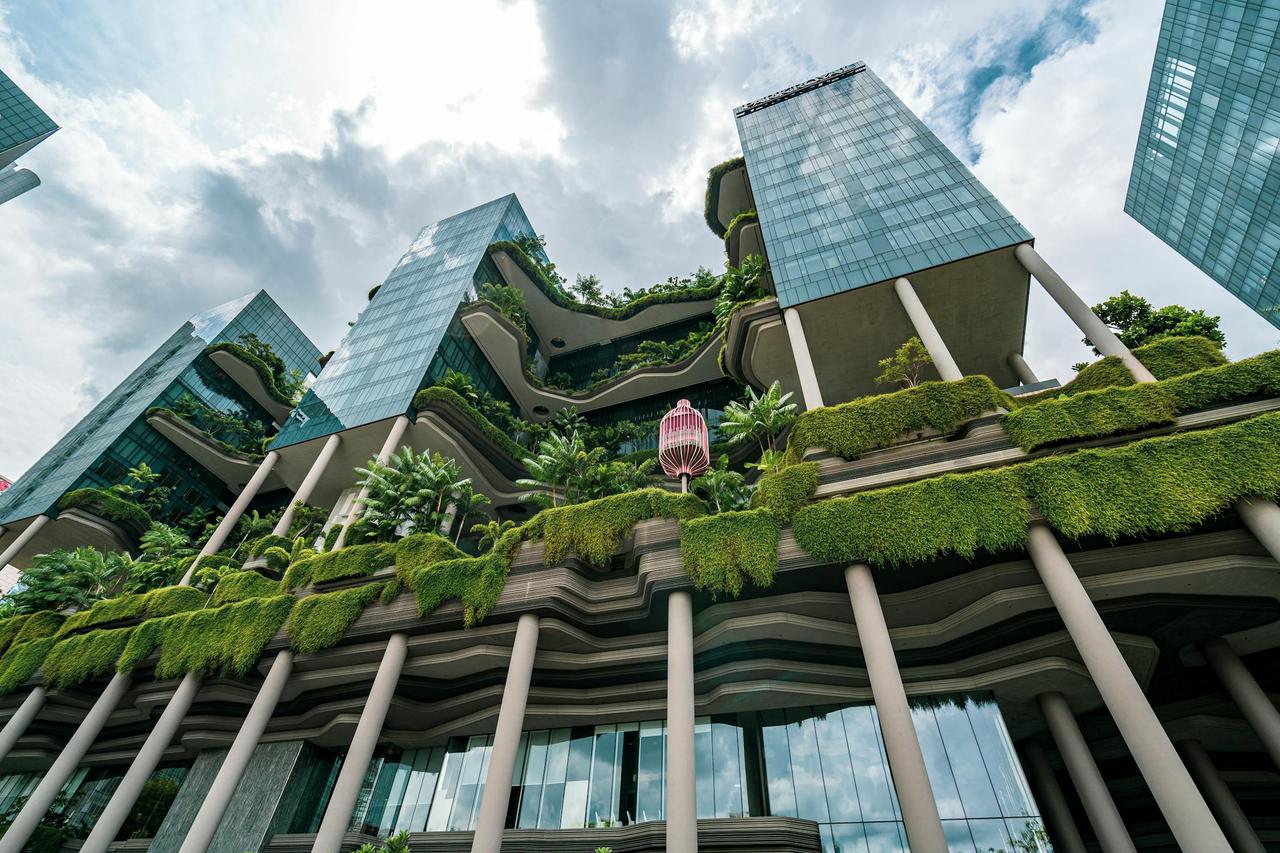
Green terraces and hanging gardens within a hotel (Pexels
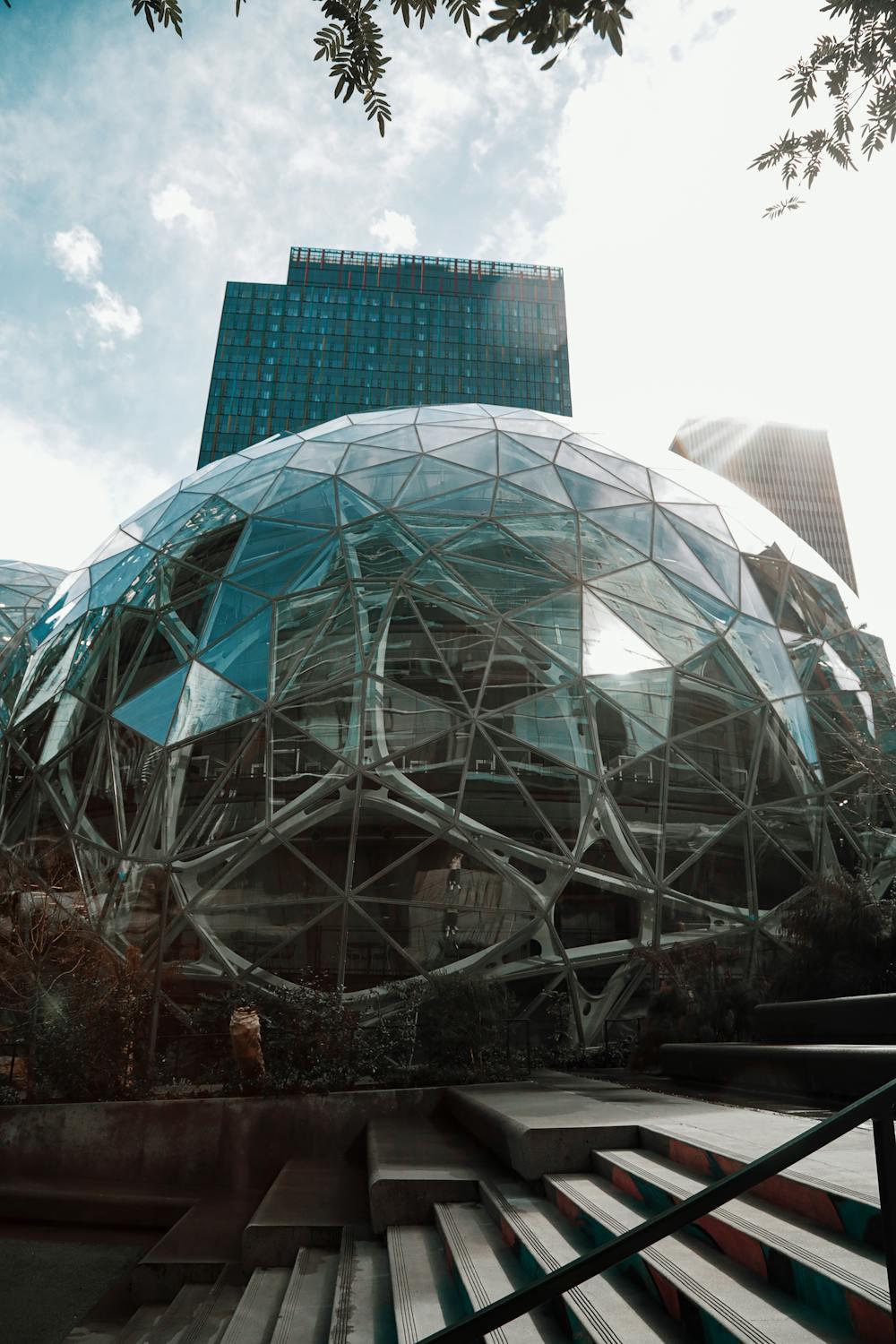
Office filled with tropical plants (Pexels)
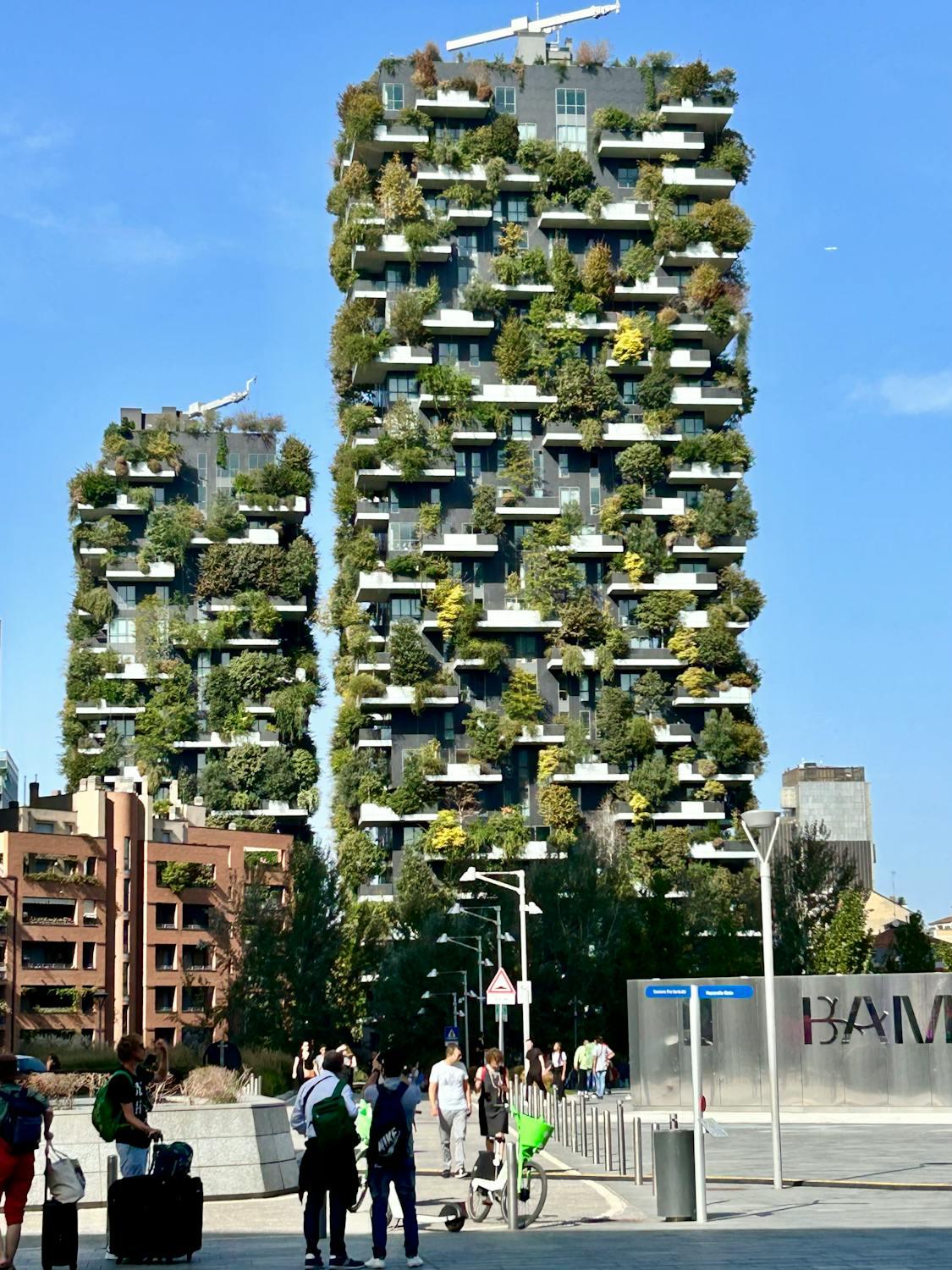
Twin towers featuring a vertical forest concept (Pexels)
Cotogni, Alberto. “Milano’daki Bosco Verticale Konut Gökdelenleri.” Pexels. Accessed May 31, 2025. https://www.pexels.com/tr-tr/fotograf/milano-daki-bosco-verticale-konut-gokdelenleri-21047957/
Cyrill. “Kent, Şehir, Tatil, Ufuk Çizgisi.” *Pexels*. Accessed May 31, 2025. https://www.pexels.com/tr-tr/fotograf/kent-sehir-tatil-ufuk-cizgisi-15480402/
Heerwagen, Judith. 2009. “Biophilia, Health, and Well-Being.” In *Restorative Commons: Creating Health and Well-Being Through Urban Landscapes*, edited by Lindsay Campbell and Anne Wiesen, 38–57. Gen. Tech. Rep. NRS-P-39. U.S. Department of Agriculture, Forest Service, Northern Research Station. Accessed May 31, 2025. https://research.fs.usda.gov/treesearch/15132.
Kellert, Stephen R., and Edward O. Wilson. The Biophilia Hypothesis. Washington, DC: Island Press, 1993.
Salman, Hussein Haidar. “Şehir Merkezi, Seattle, Birleşik Devletler - Dar Açılı Çekim.” Pexels. Accessed May 31, 2025. https://www.pexels.com/tr-tr/fotograf/sehir-merkezi-seattle-birlesik-devletler-dar-acili-cekim-15196224/
Core Principles of Biophilic Design
Benefits of Biophilic Design
Examples of Biophilic Design
