


This article was automatically translated from the original Turkish version.
Besni Grape
Geographical Indication Name | Adıyaman (especially Besni district) | ||||||||
|---|---|---|---|---|---|---|---|---|---|
Product / Product Group | Besni Grape – a grape variety evaluated for table and dried use | ||||||||
Type of Geographical Indication | Mahreç mark | ||||||||
File Number | C2017/123 | ||||||||
Application Date | 18.08.2017 | ||||||||
Registration Number | 357 | ||||||||
Registration Date | 08.06.2018 | ||||||||
Applicant / Registrant | Besni Municipality | ||||||||
Address | Zübeyde Hanım Street Besni Adıyaman Yeni Besni Neighborhood | ||||||||
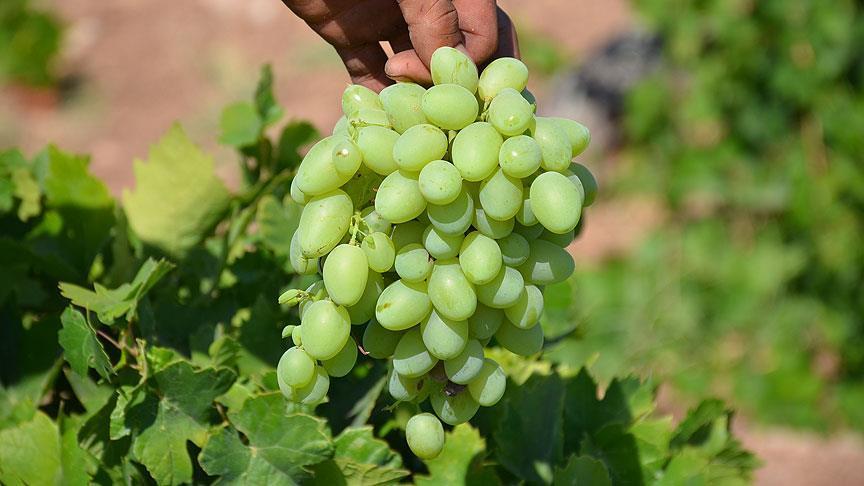
Besni grape, is recognized as one of Türkiye’s important table and raisin grape varieties and is closely associated with the Besni district of Adıyaman. This variety, belonging to the species Vitis vinifera, is cultivated both for fresh consumption and for drying. Its potential for both table use and industrial applications has granted Besni grape a distinctive place in agricultural product classification.
When consumed as a table grape, its plump berries, high sugar content, and aromatic flavor stand out. As a raisin grape, its thin skin and fleshy structure enable the production of high-quality dried fruit. Particularly in Türkiye’s raisin exports, Besni grape holds a distinguished position alongside products from the Aegean Region. Therefore, it is one of the rare examples that combine local agricultural heritage with commercial potential among grape varieties.
Climate and geographical conditions play a significant role in the classification of Besni grape. Thriving in semi-arid and hot climatic conditions, this grape develops rich aromatic compounds. As a result, it offers a flexible product profile suitable for both traditional tables and industrial applications.
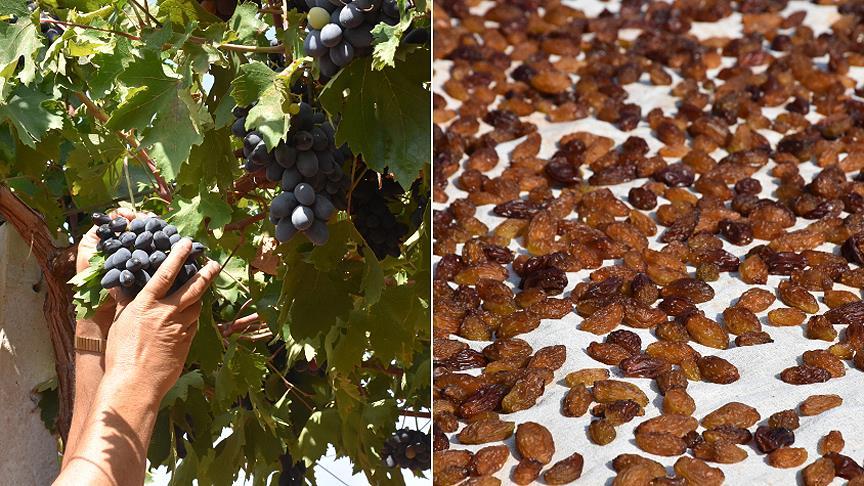
Besni Üzümü (AA)
Besni grape has established a strong geographical association with the Besni district of Adıyaman, from which it derives its name. Production areas extend beyond the district to surrounding villages and towns. The region’s climatic conditions, especially the hot and dry weather during summer months, support the natural sugar accumulation process in the grapes. The soil structure provides an ideal environment for viticulture due to its mineral richness.
Besni grape’s geographical reputation is reinforced by local producers’ traditional cultivation methods. Techniques passed down through generations are key factors determining the grape’s quality and aroma. Moreover, grape cultivation is one of the fundamental pillars of the region’s agricultural economy and has become a symbol of the Besni district over many decades.
This reputation is evident not only in local markets but also at national and international levels. Particularly in raisin exports, the quality of Besni grape is well known and highly sought after. News sources such as the Anadolu Agency and the Adıyaman Provincial Directorate of Culture and Tourism strengthen this reputation through promotional materials and reports that highlight the grape’s role in regional identity and economic value.
The most distinctive feature of Besni grape is its large, plump berries. The berries display color tones ranging from pale yellow to amber. When consumed fresh, its thin skin and juicy texture are highly appreciated. When dried, its fleshy structure and high sugar content ensure the production of premium-quality raisins.
It is also rich in aromatic properties. Influenced by the semi-arid climate, this grape has a naturally high sugar content and a flavor profile characterized by a delicate balance of mild acidity and sweetness. These traits result in an intense aroma and lasting taste, especially in the dried form.
Product quality is directly linked to careful management throughout the production stages. Every step, from pruning the vines to irrigation methods, contributes to maintaining the plumpness and sugar concentration of the berries. Additionally, traditional vineyard practices minimize pesticide use, preserving the natural and healthy qualities of the product.
The production process of Besni grape combines traditional viticulture methods with modern techniques. In the initial phase, pruning and training of the vines are carried out. These practices ensure proper light and air circulation and promote uniform ripening of the berries. Maintenance activities conducted especially in spring in the Besni region are critical for a productive harvest.
The harvest period typically coincides with the end of summer and the beginning of autumn. Grapes are handpicked once fully ripe. Hand harvesting prevents damage to the berries and enhances product quality. Raisin grapes are dried naturally in open sun-drying areas. This traditional method preserves the grape’s natural aroma and ensures healthy storage.
Table grapes from Besni are sold fresh after harvest. Grapes preserved through cold chain logistics retain their freshness and are popular in local and neighboring markets. Thus, Besni grape reaches both regional tables and national markets.
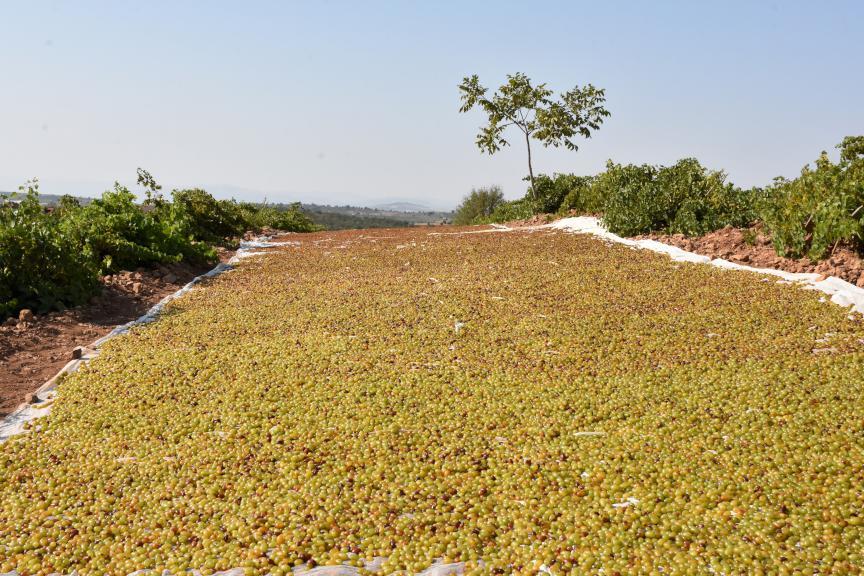
Besni Üzümü Serilişi (AA)
The presentation of Besni grape differs between its table and raisin forms. When served as a table grape, its large, plump berries are displayed directly on plates or in large baskets. The uniform and glossy appearance of the berries provides an aesthetically pleasing presentation on the table. This grape is an indispensable component of fresh fruit platters, especially during summer and autumn.
As a raisin, Besni grape is traditionally stored and presented in cloth bags or wooden crates. This method of storage and presentation emphasizes both product quality and regional culinary culture. Dried grapes are commonly included in breakfasts, snack platters, and traditional desserts or pastry recipes, thereby securing a unique place on the table in terms of both flavor and cultural richness.
At regional and national fairs, Besni grape is presented with care on specially prepared trays at local flavor booths. The natural shine and color of the grapes create an eye-catching visual appeal. Thus, the product emerges not only as a nutritious food but also as a symbol showcasing the agricultural wealth of Adıyaman and Besni.
Although Besni grape has not yet been officially registered as a geographical indication, it has been identified by the Turkish Patent and Trademark Office as a potential product linked to Adıyaman province alongside other geographically designated products. Local producers and agricultural cooperatives place great importance on monitoring processes to ensure product quality and support sustainable production. The preservation of traditional production methods is primarily the responsibility of local monitoring networks and village cooperatives in Besni.
Control of agricultural inputs used in viticulture—for example, irrigation water quality and the use of natural fertilizers—directly affects grape quality. Therefore, producers in Besni prefer environmentally friendly methods and strive to minimize chemical inputs. This ensures the preservation of the healthy and natural character of Besni grape.
Post-harvest procedures are closely monitored to ensure consumer safety. Drying and packaging stages are carried out in accordance with hygiene and quality standards. In particular, traditional natural sun-drying areas allow grapes to dry naturally under sunlight, supporting the product’s additive-free and natural integrity.
Official institutions such as the Adıyaman Provincial Directorate of Culture and Tourism aim to increase awareness of Besni grape in local and national markets through promotional and educational activities. This ensures that both the economic value and cultural significance of the grape are preserved and passed on to future generations.
Adıyaman Provincial Directorate of Culture and Tourism. "Adıyaman İl Tanıtım Broşürü." Accessed May 24, 2025.https://adiyaman.ktb.gov.tr/Eklenti/104982,ilbrosurleriadiyamantrpdf.pdf?0
Adıyaman Tarım Tarım ve Orman Müdürlüğü. "Coğrafi Tescilli Ürünlerimizden Besni Üzümünde Hasat Başladı." Accessed May 24, 2025.https://adiyaman.tarimorman.gov.tr/Haber/623/Cografi-Tescilli-Urunlerimizden-Besni-Uzumunde-Hasat-Basladi.
Adıyaman Ticaret ve Sanayi Odası. "Besni Üzümü." Adıyaman TSO. Accessed May 24, 2025.https://adiyamantso.org.tr/urun/besni-uzumu.
Anadolu AJansı. “‘Peygamber Üzümü’nün Sofralara Zorlu Yolculuğu.’” Anadolu Ajansı, August 30, 2018. Accessed May 24, 2025.https://www.aa.com.tr/tr/turkiye/peygamber-uzumunun-sofralara-zorlu-yolculugu-/1242327
Turkish Patent and Trademark Office. 2018. “Adıyaman Besni Üzümü.” *Coğrafi İşaretler Portalı*. Registration No: 357. Accessed May 24, 2025.https://ci.turkpatent.gov.tr/cografi-isaretler/detay/38352

Besni Grape
Geographical Indication Name | Adıyaman (especially Besni district) | ||||||||
|---|---|---|---|---|---|---|---|---|---|
Product / Product Group | Besni Grape – a grape variety evaluated for table and dried use | ||||||||
Type of Geographical Indication | Mahreç mark | ||||||||
File Number | C2017/123 | ||||||||
Application Date | 18.08.2017 | ||||||||
Registration Number | 357 | ||||||||
Registration Date | 08.06.2018 | ||||||||
Applicant / Registrant | Besni Municipality | ||||||||
Address | Zübeyde Hanım Street Besni Adıyaman Yeni Besni Neighborhood | ||||||||
Geographical Boundaries and Reputation
Product Characteristics
Production Method
Presentation Features
Monitoring and Compliance