


This article was automatically translated from the original Turkish version.
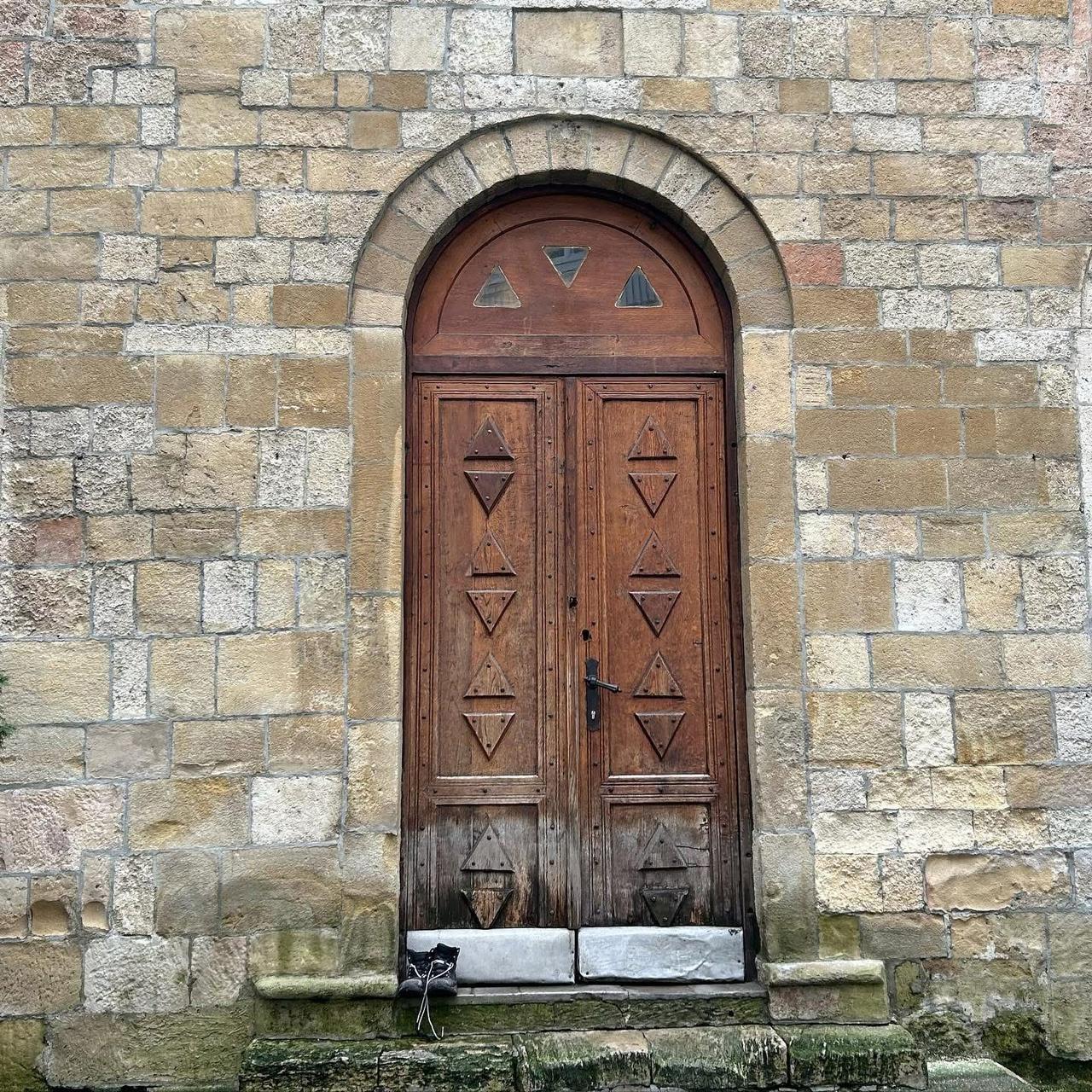
Belgrade Bayraklı Mosque
Location | Belgrade Serbia | ||||||||
|---|---|---|---|---|---|---|---|---|---|
Construction Date(s) | 16th century (exact date unknown, but after the reign of Kanuni Sultan Süleyman) | ||||||||
Patron | Mevlana Muslihuddin Abdülgani | ||||||||
Architectural Style | Classical Ottoman architecture | ||||||||
Plan Type | Square plan, centrally domed | ||||||||
Building Material(s) | Cut stone and brick (alternating pattern) | ||||||||
Current Function | Active place of worship, cultural heritage element | ||||||||
Protection Status | Historical monument registered by the Ministry of Culture of Serbia | ||||||||
Bayraklı Mosque, located in the capital of Serbia, Belgrade, is one of the rare structures to have survived from the period of Ottoman Balkans dominance. Built in the 16th century, the mosque is the most important representative of Turkish-Ottoman heritage in Belgrade, both in terms of its architecture and cultural symbolism, and it is the only Ottoman mosque still standing in the city.
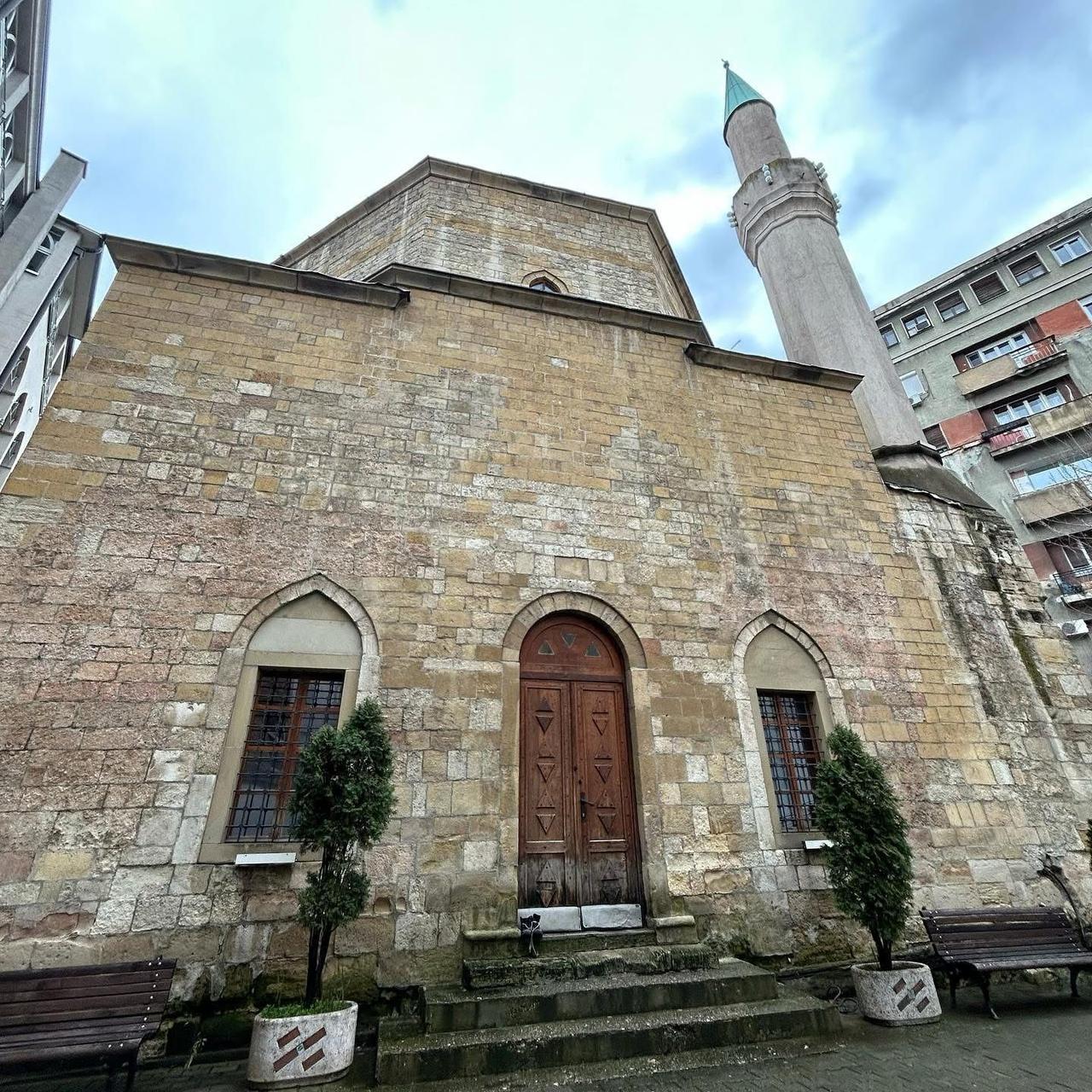
Exterior View of the Mosque (Photo: Duygu Şahinler)
After Belgrade was conquered by Sultan Süleyman in 1521, it became a military and administrative base for Ottoman campaigns toward the west. During the approximately 350 years of Ottoman rule, the city underwent significant cultural, social and architectural transformation. Mosques, madrasas, caravanserais, fountains, baths and palaces were constructed, and the city adopted the structure of a classical Ottoman urban center.
The Bayraklı Mosque was built during this period. Although its exact construction date is unknown, it is associated with charitable activities of philanthropists such as Mevlana Muslihuddin Abdülgani, who were active in Belgrade during the mid-16th century.
In Ottoman documents, the mosque is referred to as “Vakf-ı cami-i şerif Hüseyin Kethüda, ma'ruf cami-i şerif-i Bayraklı der varoş-ı mahrusa-i Belgrad.” The neighborhood where the mosque is located, “varoş,” refers to the Ottoman settlement area outside the fortress.
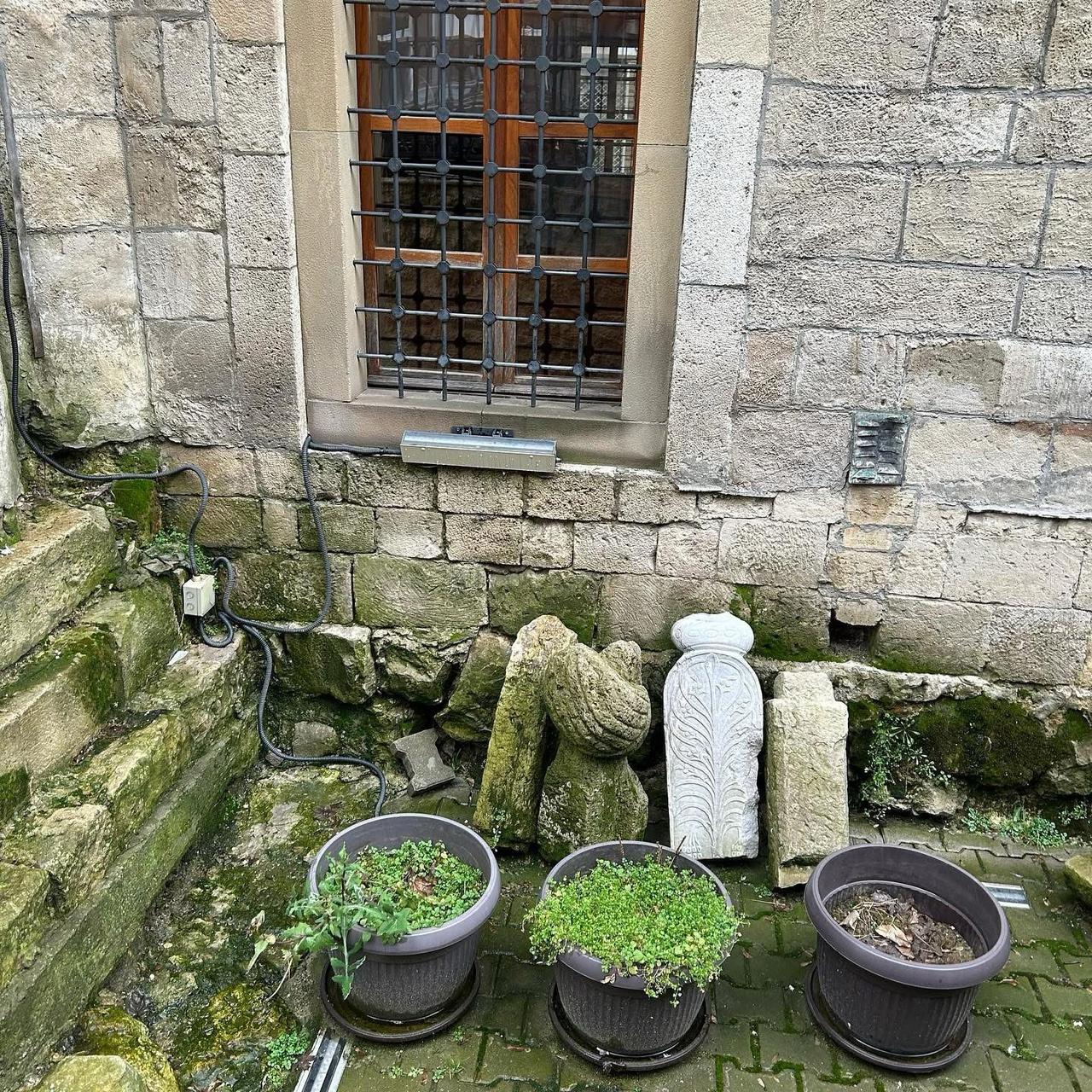
Image Taken in the Mosque Courtyard in February 2023 (Photo: Duygu Şahinler)
The Bayraklı Mosque exhibits the characteristic features of classical Ottoman mosque architecture. It has a square plan and is covered by a central dome. The prayer hall is covered by three smaller domes, and a minaret rises from the northwestern corner of the structure. The walls are constructed using a alternating pattern of cut stone and brick, a technique commonly employed in early and classical Ottoman architecture.
While the interior details reflect the architectural aesthetics of the period, various restorations over time have caused some original elements to be lost. Nevertheless, the mosque retains the defining characteristics of Ottoman mosque architecture through its simplicity and symmetrical proportions.
In Ottoman urban planning, the mosque was not merely a place of worship but also a core element of settlement. It typically formed part of a “külliye,” a complex including a madrasa, bathhouse, fountain and marketplace, serving as the foundation of urban structure. The area surrounding the Bayraklı Mosque functioned as a center within the “varoş” district that developed during the Ottoman period in historic Belgrade.
In the 16th century, Belgrade had 59 mosques and prayer halls, 19 caravanserais, five kervansarays, two bedestens, three madrasas and 18 palaces or konaks. Today, only the Bayraklı Mosque, two bathhouse ruins and the Terazi Fountain remain standing.
The Bayraklı Mosque is regarded as a living representation of the Ottoman symbolic presence in Belgrade. In modern destination branding literature, defining a city’s identity and historical depth through symbolic structures is considered a crucial element. In this context, the Bayraklı Mosque stands out as one of the symbols of Belgrade’s layered cultural heritage.
It also holds great significance for sustainable cultural tourism. It is one of the few remaining structures in Belgrade that recalls the city’s Ottoman past, offers visitors a historical narrative and facilitates intercultural dialogue.
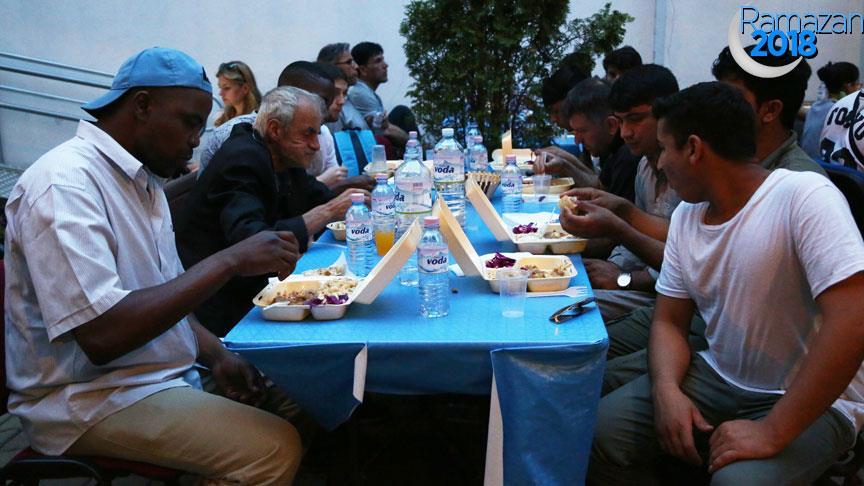
Image from an Iftar Held at the Mosque in 2018 (Anadolu Agency)
Today, the Bayraklı Mosque, protected by the Serbian Ministry of Culture, is actively used by Belgrade’s Muslim community. It has also become a symbol of cooperation between Türkiye and Serbia in preserving their shared cultural heritage.
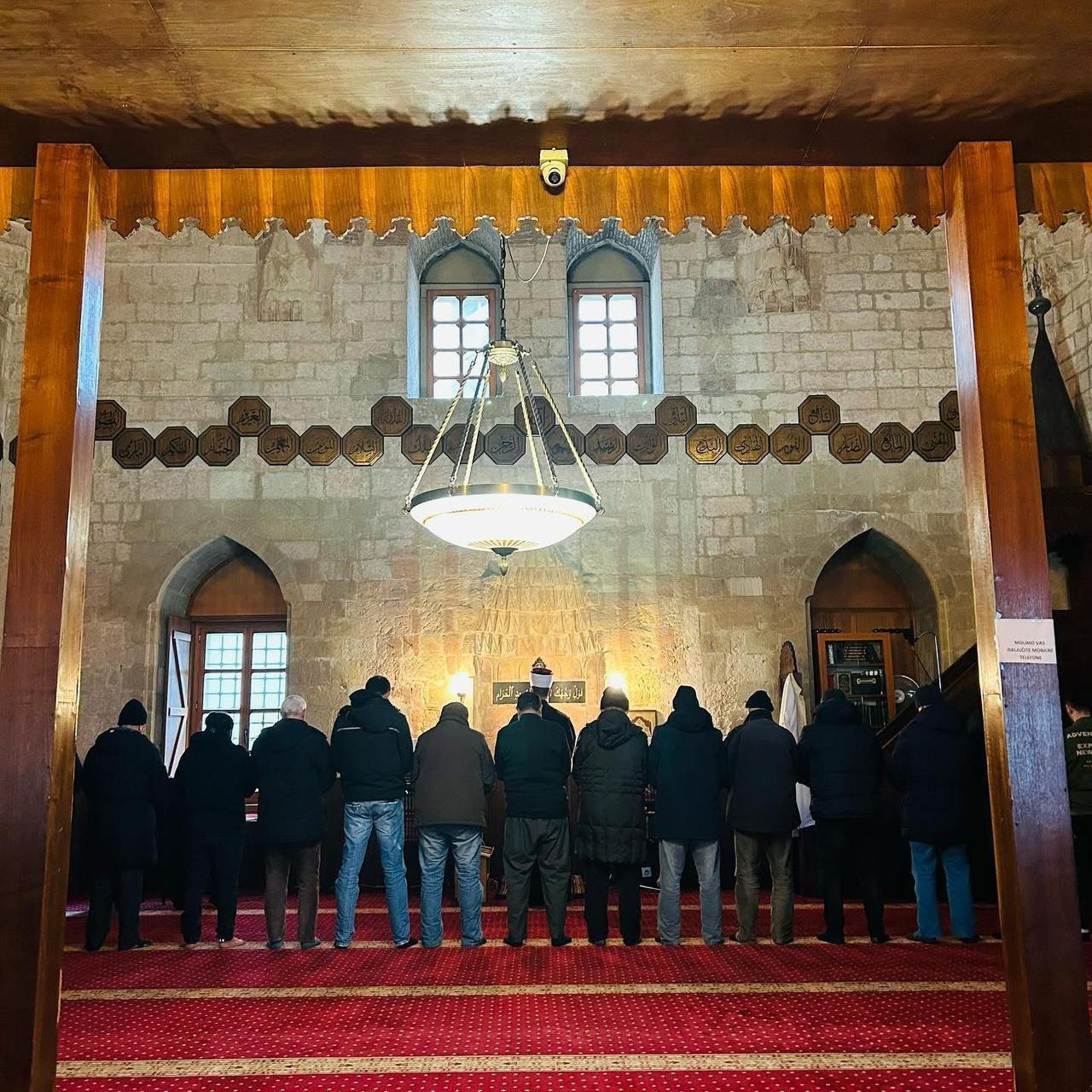
Congregation Praying at the Bayraklı Mosque (Photo: Duygu Şahinler)
Restoration efforts have been carried out periodically with support from various Turkish institutions, striving to preserve the mosque’s authenticity. The immediate surroundings still retain their historical atmosphere through the Ottoman-era street fabric and architectural traces.
Anadolu Ajansı. "Belgrad'ın tek camisi farklı milletleri iftarda buluşturuyor." Accessed April 17, 2025.
Güngör, Yüksel, Sami Karacan, and Esin Karacan. Sürdürülebilir Turizm Kapsamında Kültür Turizmi Açısından Balkanlarda Osmanlı Hâkimiyeti Dönemi: Belgrat’ta Türk Kültürüne Ait İzler. Uluslararası Turizm, Ekonomi ve İşletme Bilimleri Dergisi 1, no. 1 (2017): 68–74.
Semavi Eyice, “Bayraklı Cami,” *TDV İslâm Ansiklopedisi*, Türkiye Diyanet Vakfı İslâm Araştırmaları Merkezi, 1992. Accessed April 17, 2025.https://islamansiklopedisi.org.tr/bayrakli-cami
İbrahimgil, Mehmet Zeki. "Sırbistan’da Osmanlı Mimarisi Üzerine Genel Bir Değerlendirme." Turkish Studies - International Periodical for the Languages, Literature and History of Turkish or Turkic 9, no. 10 (2014): 657–666.

Belgrade Bayraklı Mosque
Location | Belgrade Serbia | ||||||||
|---|---|---|---|---|---|---|---|---|---|
Construction Date(s) | 16th century (exact date unknown, but after the reign of Kanuni Sultan Süleyman) | ||||||||
Patron | Mevlana Muslihuddin Abdülgani | ||||||||
Architectural Style | Classical Ottoman architecture | ||||||||
Plan Type | Square plan, centrally domed | ||||||||
Building Material(s) | Cut stone and brick (alternating pattern) | ||||||||
Current Function | Active place of worship, cultural heritage element | ||||||||
Protection Status | Historical monument registered by the Ministry of Culture of Serbia | ||||||||
No Discussion Added Yet
Start discussion for "Belgrade Bayraklı Mosque" article
Historical Background
Architectural Features
Its Role within the Ottoman City
Symbolic and Cultural Value
Current Status