


This article was automatically translated from the original Turkish version.
+1 More
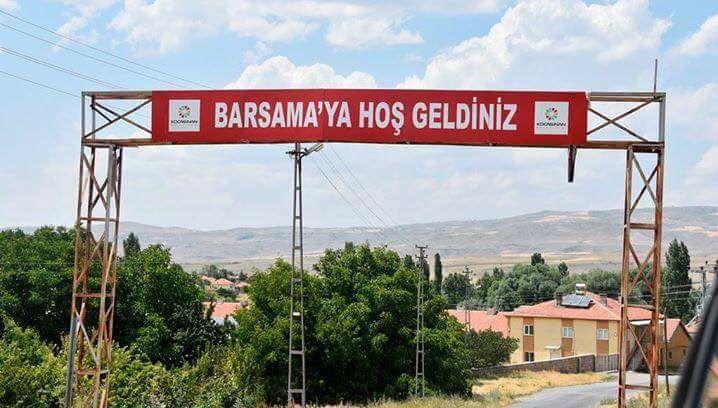
Barsama Neighborhood
Name | Barsama | ||||||||
|---|---|---|---|---|---|---|---|---|---|
Country | Türkiye | ||||||||
Province | Kayseri | ||||||||
District | Kocasinan | ||||||||
Coordinate | 38°52'33.9" N 35°41'22.6" E | ||||||||
Area | 1.882,54 Hectares | ||||||||
Population | 322 | ||||||||
Barsama Neighborhood is located in the Kocasinan district of Kayseri Province in Türkiye’s Central Anatolia Region. The neighborhood lies along the Kayseri-Sivas highway, approximately 25 kilometers from the city center. The area is home to the Barsama Valley, known for its natural beauty.
The history of Barsama Neighborhood extends back to the Ottoman period. The Barsama Camii, built in 1567 by Mahpeyker Hatice Hatun, is one of the neighborhood’s historic structures. Additionally, a fountain located within the neighborhood and the road known as the “Kervan Yolu” have been registered as immovable cultural heritage sites by the Ministry of Culture and Tourism.
According to 2021 data, the total population of Barsama Neighborhood is 322, of whom 188 are male and 134 are female. The neighborhood covers an area of 1,882.54 hectares and has a low population density.
The Barsama Valley is one of the region’s most notable natural attractions. The Barsama Recreation Area, initiated by the Kocasinan Municipality, draws visitors with its lush landscape featuring every shade of green.
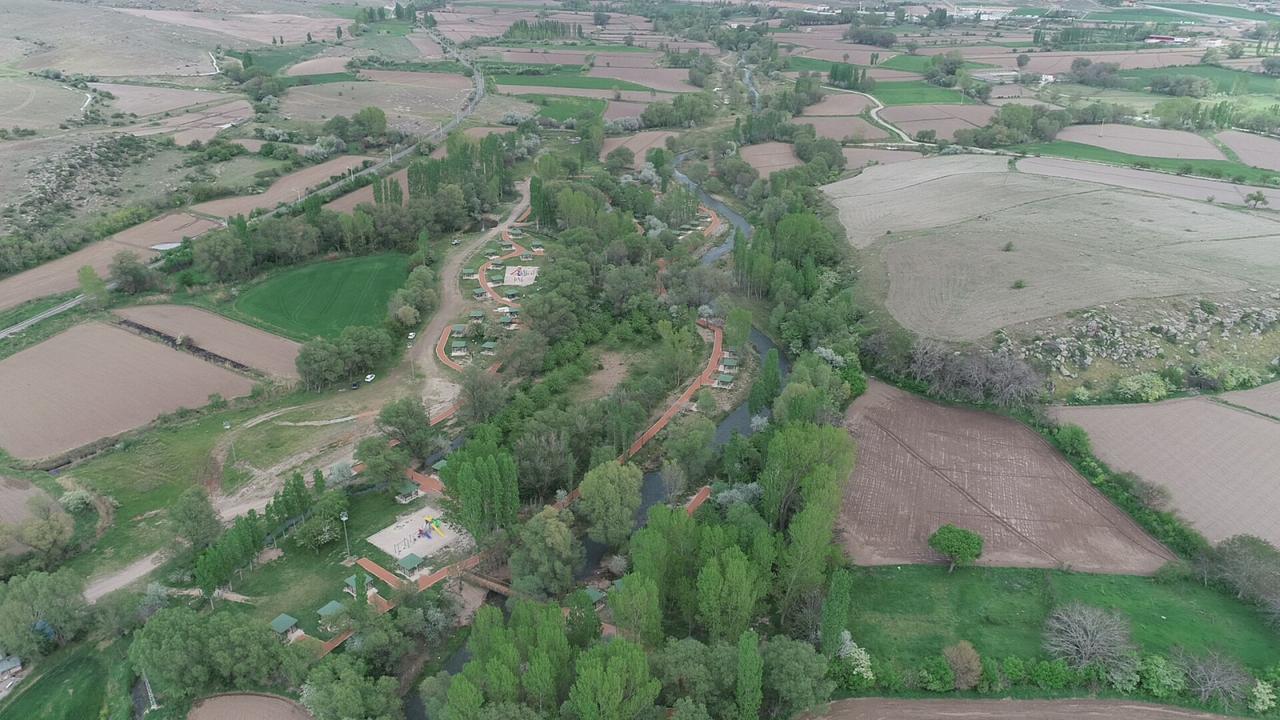
Barsama Mesire Alanı (Kaynak: Kocasinan Belediyesi)
The Barsama Camii is an Ottoman structure dating from the 16th century, located within the boundaries of Barsama Neighborhood in the Kocasinan district of Kayseri. The mosque was built in 1567 by Mahpeyker Hatice Hatun, daughter of Musa Paşa and wife of Memiş Bey. It is regarded as one of the provincial examples of classical Ottoman architecture.
The mosque was constructed in 1567 during the reign of Ottoman Sultan II. Selim. Survey drawings of the mosque were carried out in the first half of the 20th century by French architect, restorer, and art historian Albert Gabriel. Gabriel arrived in Istanbul in 1926 and spent many years working in the fields of art history and archaeology in Türkiye, contributing significantly to the documentation of numerous Ottoman monuments in Istanbul and Anatolia. Photographs of the Barsama Camii appear in Gabriel’s 1954 publication Kayseri Türk Anıtları.
According to photographs published by Albert Gabriel, the mosque retained the architectural features of its time of construction. The entrance portal and the upper section of the minaret up to the gallery remained standing, and parts of the walls were preserved in a manner that revealed the building’s original foundation. It is believed that a caravanserai structure once stood beside the mosque, but this building has since been completely demolished.
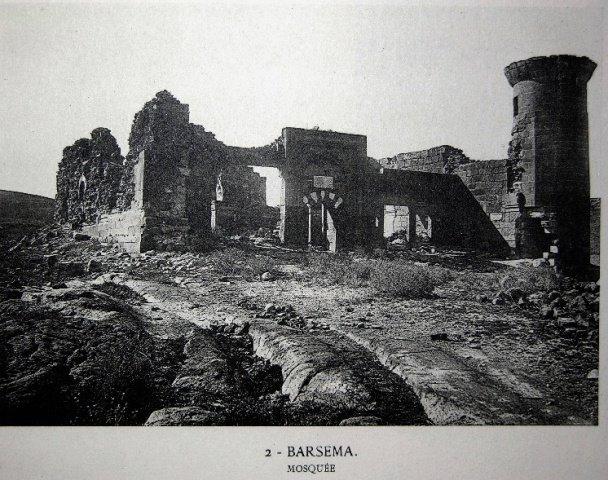
Barsama Mahpeyker Hatun Camii (Kaynak: Burhanettin Akbaş)
Today, only the upper section of the minaret up to the gallery and a few collapsed wall fragments remain from the original structure. The entrance portal has been entirely destroyed, and the mosque’s foundation has largely disappeared. In 1961, a new mosque was constructed on the same site, and a plaque was installed on this new structure stating: “Barsama Camii, built in 1567 during the reign of Ottoman Sultan II. Selim by Mahpeyker Hatice Hatun, daughter of Musa Paşa.”
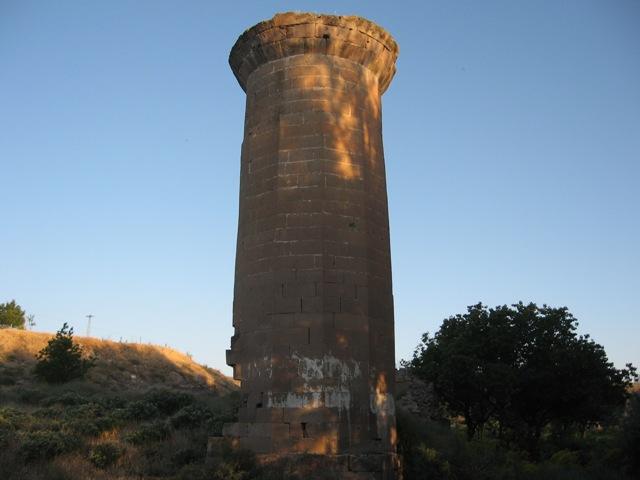
Barsama Mahpeyker Hatun Camii Günümüzdeki Hali (Kaynak: Burhanettin Akbaş)
The original structure of the Barsama Camii is now largely in ruins. Very little of the building has survived beyond the lower section of the minaret and some wall fragments. The new mosque built in 1961 stands on the same site as the historic mosque. No large-scale conservation or restoration efforts have been undertaken to preserve the original structure.
Gabriel, Albert. Kayseri Türk Anıtları. Çev. Ahmet Akif Tüten. Ankara: 1954.
Kayseri Valiliği. "Barsama Vadisi." Accessed April 26, 2025.https://www.kayseri.gov.tr/barsama-vadisi
Kayseri İl Kültür ve Turizm Müdürlüğü. “Kayseri Kültür Envanteri.” Accessed April 26, 2025.https://kayseri.ktb.gov.tr/TR-242079/kayseri-kultur-envanteri.html
Kocasinan Belediyesi. "Barsama Mesire Alanı." Accessed April 26, 2025.https://www.kocasinan.bel.tr/icerik/1440/9445/barsama-mesire-alani.aspx
T.C. Kültür ve Turizm Bakanlığı. “Kayseri Kültür Varlıklarını Koruma Bölge Kurulu Kararları.” Accessed April 26, 2025. mhttps://kvmgm.ktb.gov.tr/TR-52163/koruma-kurul-kararlari.html
T.C. Ministry of Culture and Tourism, General Directorate of Cultural Heritage and Museums. *Taşınmaz Kültür Varlıkları Listesi*.https://kvmgm.ktb.gov.tr/TR-44789/tasinmaz-kultur-varliklari.html

Barsama Neighborhood
Name | Barsama | ||||||||
|---|---|---|---|---|---|---|---|---|---|
Country | Türkiye | ||||||||
Province | Kayseri | ||||||||
District | Kocasinan | ||||||||
Coordinate | 38°52'33.9" N 35°41'22.6" E | ||||||||
Area | 1.882,54 Hectares | ||||||||
Population | 322 | ||||||||
No Discussion Added Yet
Start discussion for "Barsama Neighborhood" article
History
Demographic Structure
Natural Attractions and Recreation Areas
Historic Structures
Barsama Mahpeyker Hatice Hatun Camii