This article was automatically translated from the original Turkish version.
Type | Traditional woven belt | ||||||||
|---|---|---|---|---|---|---|---|---|---|
Region | Kastamonu/Azdavay | ||||||||
Usage | Women's clothing and waist binding | ||||||||
Material | Cotton and wool yarn | ||||||||
Weaving Technique | Handloom and plain weaving | ||||||||
Pattern | Geometric motifs | ||||||||
Colors | Red, black, navy blue, and white | ||||||||
Cultural Area | Intangible cultural heritage | ||||||||
Function | Daily use, ceremonies, and folk dances | ||||||||
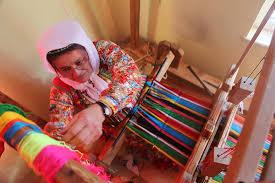
Azdavay Belt is a cultural textile element unique to the Kastamonu district of Azdavay, traditionally woven using handloom techniques and primarily used in women’s attire. Woven on handlooms with cotton and wool yarns, the belt is regarded not only as an integral component of regional clothing but also as a craft product that embodies the intangible cultural heritage of the area.【1】
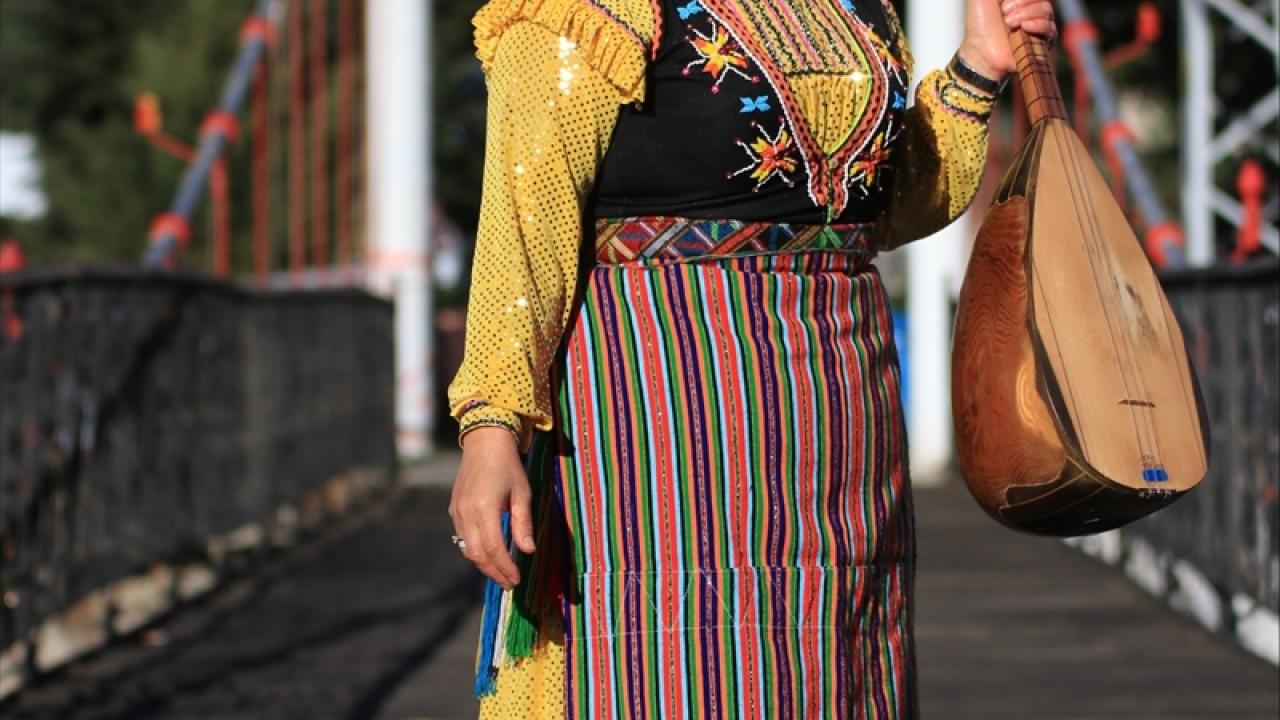
Azdavay Belt (Azdavay Municipality)
The origins of the Azdavay Belt trace back to centuries-old traditional weaving practices in Kastamonu and its surroundings. The belt was used by women to fasten their daily and ceremonial garments and served as a marker of local identity through its color, pattern, and weaving technique.【2】 Weaving in Azdavay was passed down from generation to generation within families, and master weavers became carriers of the local culture.
Azdavay Belt is produced using the plain weave technique on traditional handlooms. The yarns used are predominantly cotton and wool. Patterns are created through the strategic arrangement of colored weft and warp threads.【3】
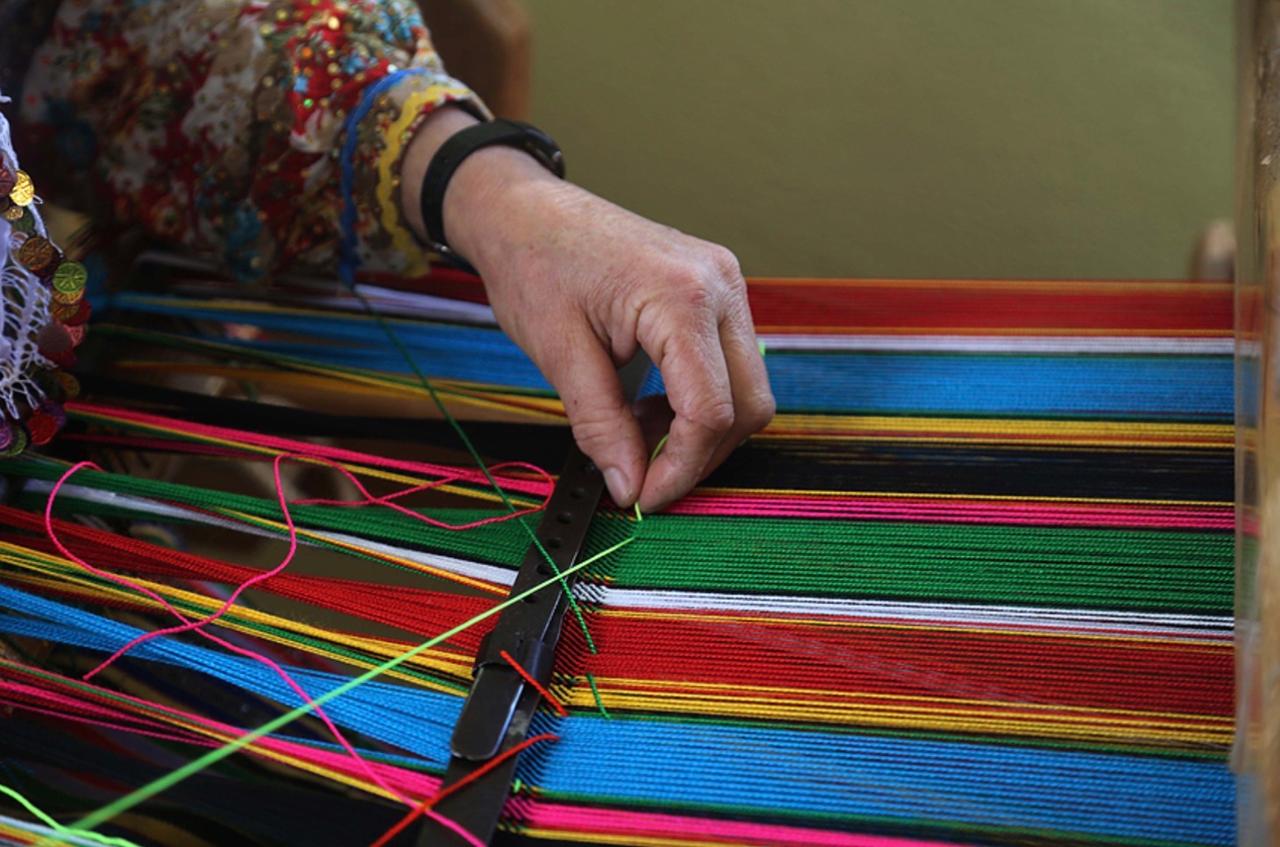
Belt Weaving Technique (AA)
The belts feature contrasting colors such as red, black, navy blue, and white. The patterns are predominantly geometric and show similarities with other textile products from the region. These designs align with the broader characteristics of women’s clothing culture in Kastamonu.【4】
The Azdavay Belt was traditionally used to fasten the waist of women’s traditional garments. It also became an inseparable part of clothing worn during weddings, holidays, and other ceremonial occasions. Today, the belt is primarily used in cultural events, folk dance performances, and regional promotion activities.【5】
Today, Azdavay Belt weaving faces the threat of extinction due to a declining number of master weavers. However, efforts by local authorities and cultural institutions aim to sustain this craft through promotion and preservation initiatives. The Azdavay Municipality and related organizations recognize the belt as a vital component of the district’s cultural heritage.【6】
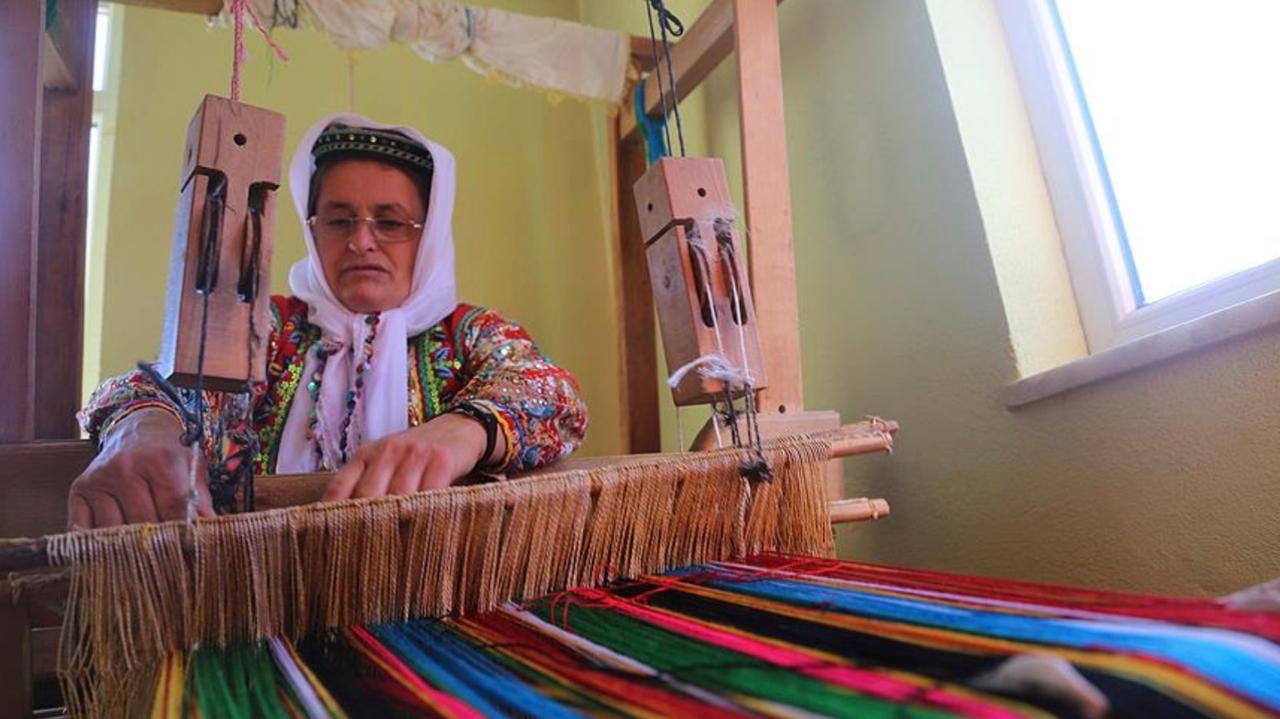
Belt Weaving (AA)
Anadolu Ajansı. "Azdavay Kuşağının Son Ustaları." Accessed December 29, 2025.https://www.aa.com.tr/tr/yasam/azdavay-kusaginin-son-ustalari-/1063879
Azdavay Belediyesi. "Kültür ve Turizm." Accessed December 29, 2025.https://www.azdavay.bel.tr/Kultur-Turizm
Tağı, Sema Özkan, and Ayşem Aydın. "Kastamonu’da Geleneksel Kadın Giysileri." Ankara: Atatürk Kültür Merkezi Yayını, 2015. Accessed December 29, 2025.https://www.ayk.gov.tr/wp-content/uploads/2015/01/TAĞI-Sema-Özkan-AYDIN-Ayşem-KASTAMONU’DA-GELENEKSEL-KADIN-GİYSİLERİ.pdf
[1]
Anadolu Ajansı. “Azdavay Kuşağının Son Ustaları” Erişim tarihi: 29 Aralık 2025.
https://www.aa.com.tr/tr/yasam/azdavay-kusaginin-son-ustalari-/1063879
[2]
Tağı, Sema Özkan, ve Ayşem Aydın. "Kastamonu’da Geleneksel Kadın Giysileri" Ankara: Atatürk Kültür Merkezi Yayını, 2015. Erişim tarihi: 29 Aralık 2025.
[3]
Anadolu Ajansı. “Azdavay Kuşağının Son Ustaları” Erişim tarihi: 29 Aralık 2025.
https://www.aa.com.tr/tr/yasam/azdavay-kusaginin-son-ustalari-/1063879
[4]
Tağı, Sema Özkan, ve Ayşem Aydın. "Kastamonu’da Geleneksel Kadın Giysileri" Ankara: Atatürk Kültür Merkezi Yayını, 2015. Erişim tarihi: 29 Aralık 2025.
[5]
Azdavay Belediyesi. “Kültür ve Turizm.” Erişim tarihi: 29 Aralık 2025.
[6]
Azdavay Belediyesi. “Kültür ve Turizm.” Erişim tarihi: 29 Aralık 2025.
Type | Traditional woven belt | ||||||||
|---|---|---|---|---|---|---|---|---|---|
Region | Kastamonu/Azdavay | ||||||||
Usage | Women's clothing and waist binding | ||||||||
Material | Cotton and wool yarn | ||||||||
Weaving Technique | Handloom and plain weaving | ||||||||
Pattern | Geometric motifs | ||||||||
Colors | Red, black, navy blue, and white | ||||||||
Cultural Area | Intangible cultural heritage | ||||||||
Function | Daily use, ceremonies, and folk dances | ||||||||
History and Cultural Context
Production Process and Technical Features
Weaving Technique
Patterns and Colors
Uses
The Azdavay Belt Today