


This article was automatically translated from the original Turkish version.
+1 More
Availability Heuristic
Theorists | Amos Tversky & Daniel Kahneman | ||||||||
|---|---|---|---|---|---|---|---|---|---|
Year of Theorization | 1972 | ||||||||
Field | Media Law Health Economy | ||||||||
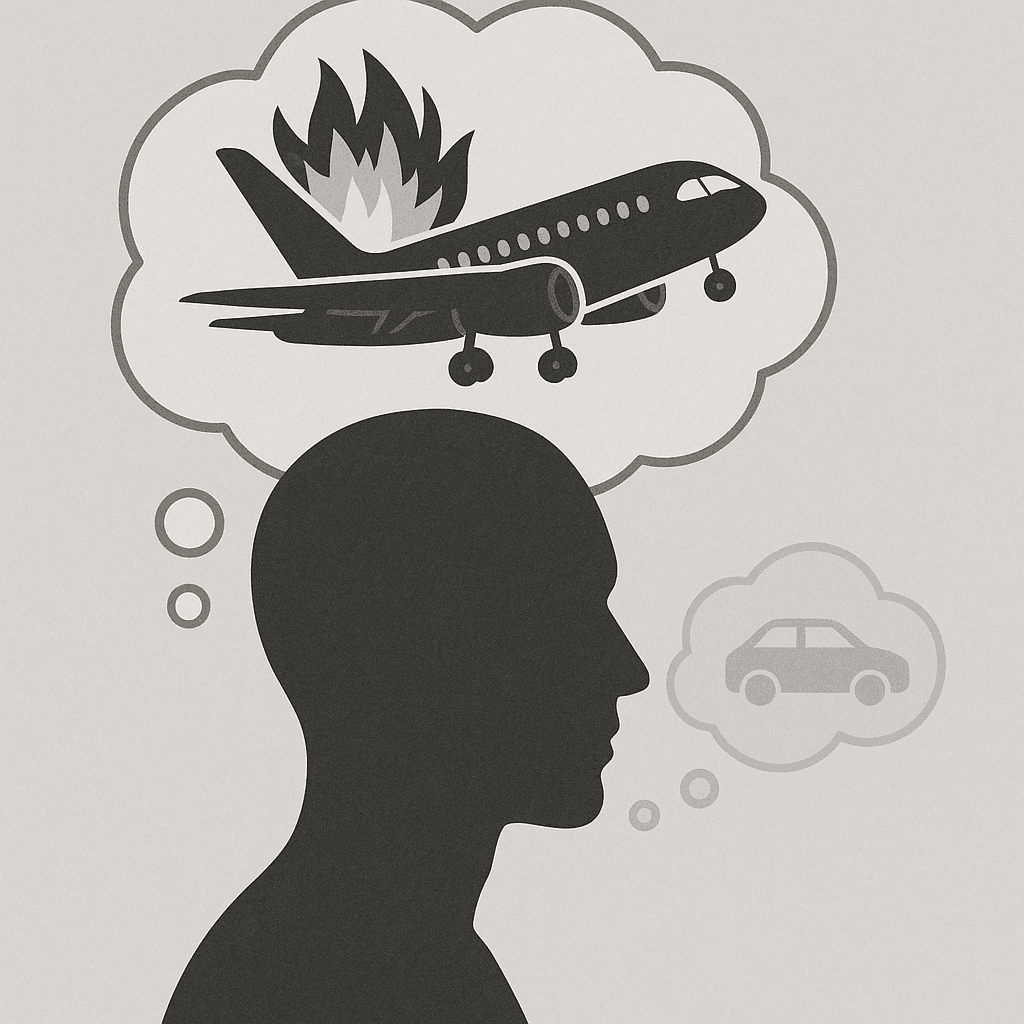
Availability Heuristic is the tendency of individuals to judge the frequency importance or likelihood of an event based on how easily examples of that event come to mind. This cognitive shortcut is effective for rapid decision making but can lead to systematic distortions in judgment and is a powerful cognitive bias. In the psychology of decision making this concept plays a crucial role particularly in shaping social memory and individual judgment processes through media influence.
The Availability Heuristic was first systematically defined in 1973 by Amos Tversky and Daniel Kahneman in papers that laid the foundations of cognitive psychology. The researchers demonstrated that people often assess probabilities not based on statistical or objective data but on examples that are readily retrievable from memory. This heuristic mode of decision making becomes especially dominant in situations characterized by uncertainty lack of data or time pressure.
In Tversky and Kahneman’s experiments participants consistently overestimated the number of words beginning with the letter “R” compared to words with “R” as the third letter. This occurred because words starting with “R” are more easily recalled from memory. These and similar findings revealed the extent to which systematic biases shape human judgment.
The Availability Heuristic is fundamentally based on the mental process of retrieval. The human mind perceives easily accessible examples as more representative frequent or probable. This accessibility is often heightened by recent events emotionally striking examples or frequently repeated information. Moreover visually and auditorily salient content such as shocking news stories leaves more enduring impressions in memory and thus exerts greater influence on individual decision making.
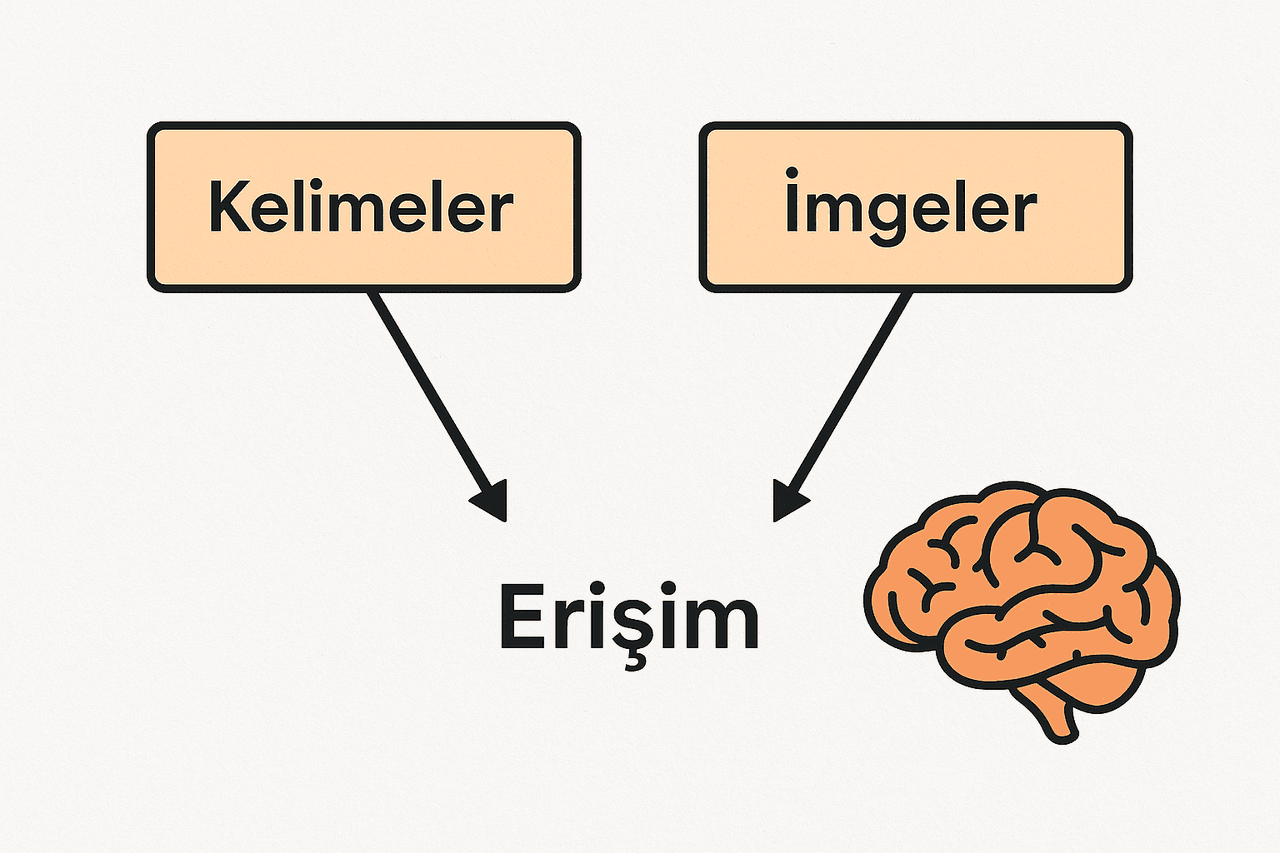
(Yapay zeka yardımıyla oluşturulmuştur).
Media directly shapes individuals’ mental maps of accessibility by selecting and presenting events. Dramatic tragic or unusual events receive disproportionate coverage and are presented with intense visual and auditory elements. This presentation strengthens the mental representation of such events and amplifies the impact of the availability heuristic. Such media effects can be decisive in shaping public opinion.
Scientific research has proposed several methods to reduce the impact of the availability heuristic by enhancing cognitive awareness:
Gilovich, Thomas, Dale Griffin, and Daniel Kahneman, eds. *Heuristics and Biases: The Psychology of Intuitive Judgment*. Cambridge: Cambridge University Press, 2002. Accessed May 7, 2025.https://doi.org/10.1017/CBO9780511808098
Kahneman, Daniel. *Thinking, Fast and Slow*. New York: Farrar, Straus and Giroux, 2011. Accessed May 7, 2025.https://us.macmillan.com/books/9780374533557/thinkingfastandslow
Plous, Scott. *The Psychology of Judgment and Decision Making*. New York: McGraw-Hill, 1993. Accessed May 7, 2025.https://books.google.com.tr/books/about/The_Psychology_of_Judgment_and_Decision.html?id=xvWOQgAACAAJ&redir_esc=y
Tversky, Amos, and Daniel Kahneman. “Availability: A Heuristic for Judging Frequency and Probability.” *Cognitive Psychology* 5, no. 2 (1973): 207–232. Accessed May 7, 2025.https://doi.org/10.1016/0010-0285(73)90033-9

Availability Heuristic
Theorists | Amos Tversky & Daniel Kahneman | ||||||||
|---|---|---|---|---|---|---|---|---|---|
Year of Theorization | 1972 | ||||||||
Field | Media Law Health Economy | ||||||||
No Discussion Added Yet
Start discussion for "Availability Heuristic" article
Theoretical Background
Cognitive Mechanism and Process
Typical Examples and Manifestations in Everyday Life
The Role of Media in the Availability Heuristic
Impacts on Health Law and Economics
Cognitive Consequences
Intervention Methods and Educational Recommendations