


This article was automatically translated from the original Turkish version.
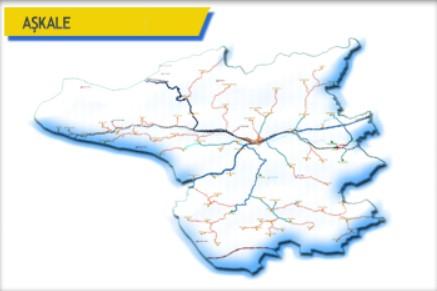
Aşkale, Erzurum District
Elevation of the District | 1.625 | ||||||||
|---|---|---|---|---|---|---|---|---|---|
Area of the District | 1500 km² | ||||||||
Number of Villages in the District | 75 | ||||||||
Mayor | Şenol POLAT | ||||||||
District Governor | Emre Oğuztürk | ||||||||
Erzurum province, the district of Aşkale is located in the high plateau zone of the Eastern Anatolia Region. Its strategic position along the historic Silk Road has facilitated interaction among different civilizations and contributed to the formation of diverse cultural traces. The district’s economy is primarily based on agriculture and animal husbandry, but it also possesses areas of potential for tourism due to its natural beauty and historical fabric.
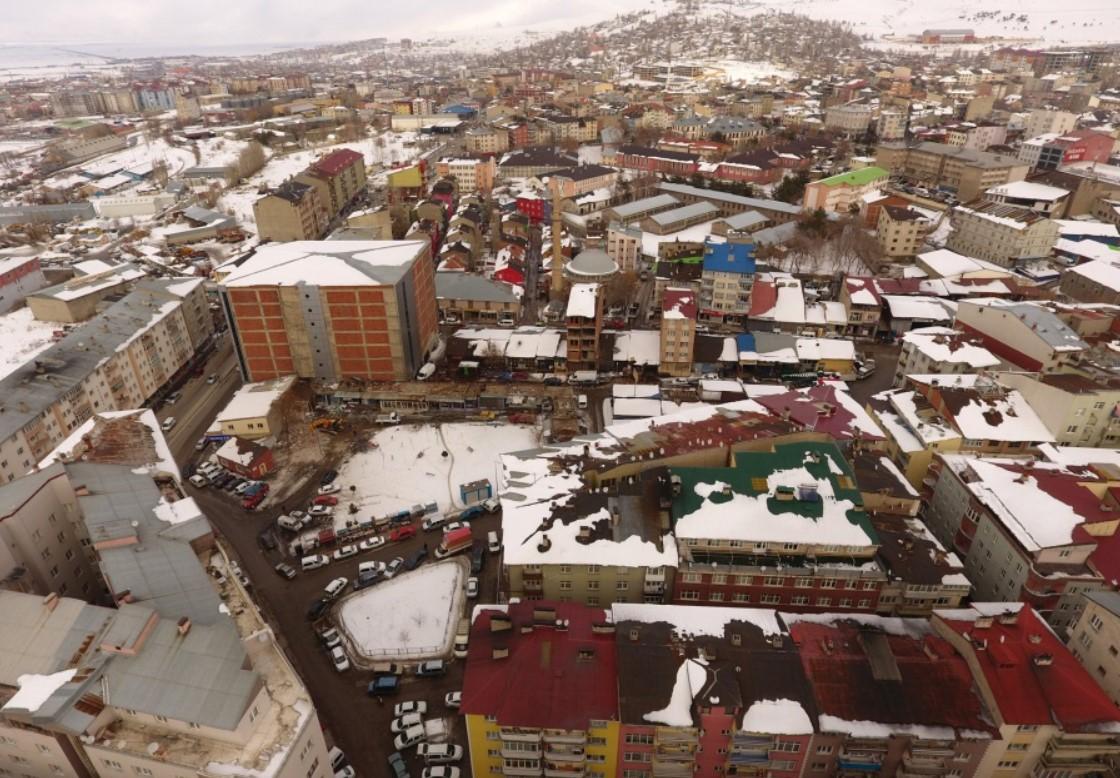
Old Aşkale garage and blacksmiths’ bazaar (Source: Erzurum Municipality)
Settlement traces in Aşkale and its surroundings extend back to the Chalcolithic Period, as evidenced by archaeological findings. The region became part of the Urartian Kingdom’s sphere of influence and later remained under the dominion of the Roman and Byzantine Empires. Following the 1071 Battle of Manzikert, Aşkale was settled by the Seljuk Turks who expanded into Anatolia and began to bear the marks of Turkic-Islamic culture. After the Seljuks, the region came under the brief rule of the Ilkhanids and later became a battleground in the political struggles between the Akkoyunlu and Karakoyunlu states.
In the early 15th century, with the rise of the Ottoman Empire, Aşkale was incorporated into Ottoman territory and gained administrative and commercial importance as a center of a sanjak under the Erzurum Beylerbeylik. Its location on a busy route of the Silk Road stimulated economic activity and cultural exchanges in the district. During the decline of the Ottoman Empire, Aşkale suffered occupation by the Russian Empire and sustained significant damage during the 1877–1878 Russo-Turkish War (93 War). After prolonged periods of occupation, Aşkale was incorporated within the borders of the Republic of Türkiye following the victory of the Turkish War of Independence. Subsequent administrative reorganizations granted it the status of a district under Erzurum province.
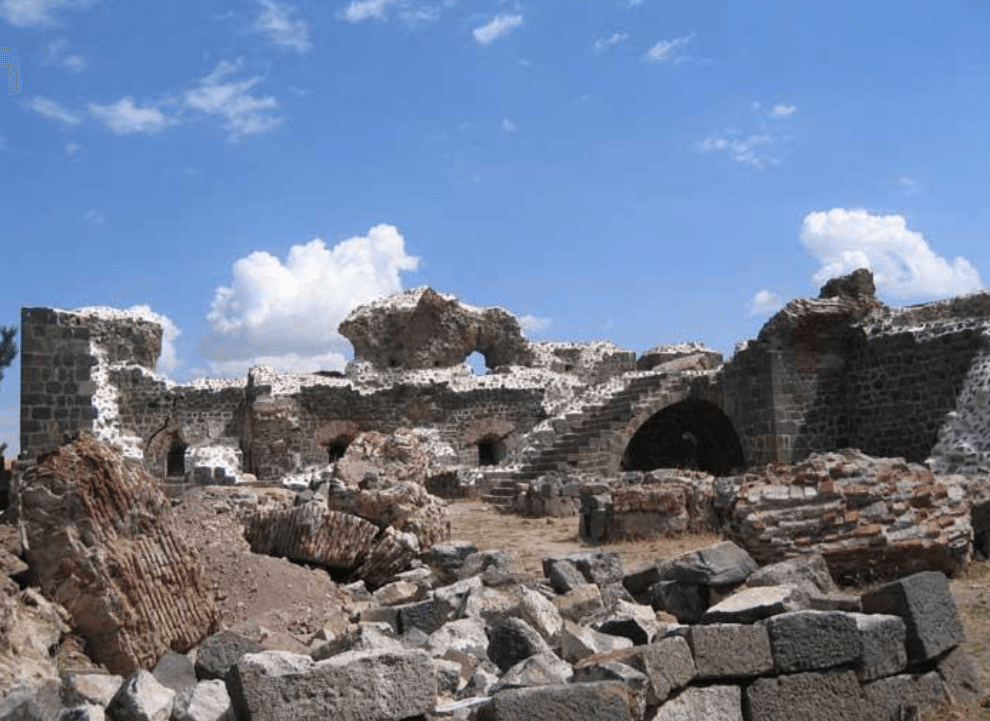
Aşkale Castle (Source: Aşkale District Governorship)
According to the Turkish Statistical Institute’s (TÜİK) 2024 Address-Based Population Registration System (ADNKS) data, the total population of Aşkale district is 22,857. Of this population, 8,532 reside in the district center (37.3%) and 14,325 in rural settlement units (62.7%). Although a trend of population migration from rural areas toward the district center has been observed in recent years, a significant portion of the population still lives in rural areas.
The population density of the district, measured in persons per square kilometer, is below the provincial average of Erzurum. When examining the age structure, a substantial portion of the population consists of young people. However, migration toward larger cities driven by economic and social factors is also occurring. The gender distribution is generally balanced. Ethnically, the district is predominantly Turkish. The socio-cultural structure is based on traditional values and neighborhood relations. Although educational levels have improved in recent years due to investments, structural challenges in accessing educational opportunities persist in rural areas.
Aşkale’s economy has traditionally been based on agriculture and animal husbandry. Major agricultural products include wheat, barley, sugar beet and potatoes. Livestock farming, particularly of large and small ruminants, plays a significant role. In recent years, beekeeping has also become an economic activity. The district hosts small-scale industrial enterprises, primarily engaged in processing agricultural products and meeting local needs. Its strategic location along the Erzurum-Trabzon highway enables limited contributions to the local economy through trade.
Aşkale is a district with potential for tourism due to its historical and natural features. The district contains mosques, bridges and other historical structures from the Seljuk and Ottoman periods. Its location along the historic Silk Road presents a layered cultural landscape with traces from multiple eras. Natural attractions include high plateaus and river valleys. However, the district’s tourism infrastructure is still in the development phase.
Aşkale’s cuisine reflects the characteristic features of the Eastern Anatolia Region and includes local specialties. Meat-based dishes, pastries and various delicacies prepared with local herbs stand out. Dishes such as cağ kebabı, regional cheese varieties, su böreği and hingel are commonly consumed in the region.
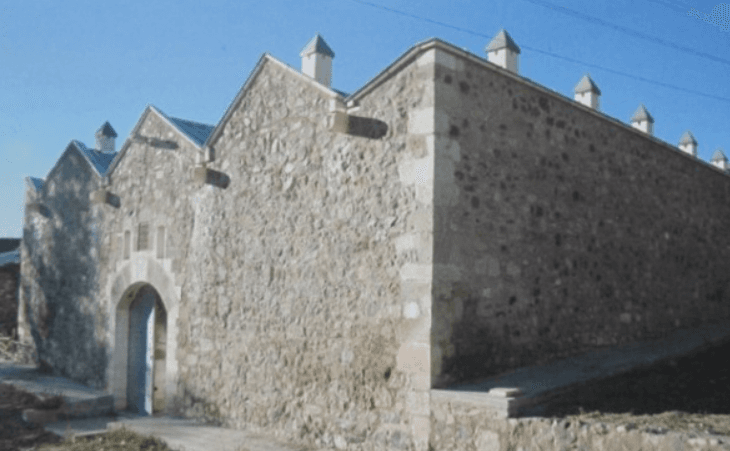
Karasu Caravanserai (Source: Erzurum Encyclopedia)
Aşkale Belediyesi. "Aşkale." Accessed April 18, 2025.http://www.askale.bel.tr/.
Aşkale Kaymakamlığı. "Aşkale Kalesi." Accessed April 18, 2025.http://www.askale.gov.tr/askale-kalesi.
Aşkale Kaymakamlığı. “İlçemizin Tarihçesi.” Accessed April 18, 2025.http://www.askale.gov.tr/ilemizin-tarihesi-.
Erzurum Ansiklopedisi. "Aşkale İlçesi." Accessed April 18, 2025.http://erzurumansiklopedi.com/askale-ilcesi/.
Erzurum Büyükşehir Municipality. "Eski Aşkale Garajı ve Demirciler Çarşısı Kentsel Dönüşüm Projesi." Accessed April 18, 2025.https://www.erzurum.bel.tr/GuncelHaber-eski-askale-garaji-ve-demirciler-carsisi-kentsel-donusum-projesi/29/479699.html.
Erzurum Büyükşehir Municipality. "İlçeleri." Accessed April 18, 2025.https://www.erzurum.bel.tr/IcerikDetay-ilceleri/1044/I.html.
Erzurum Valiliği. "Aşkale." Accessed April 18, 2025.http://www.erzurum.gov.tr/askale.
Erzurum İl Kültür ve Turizm Müdürlüğü. "Aşkale." Accessed April 18, 2025.https://erzurum.ktb.gov.tr/TR-56052/askale.html.
Aşkale, Erzurum District
Elevation of the District | 1.625 | ||||||||
|---|---|---|---|---|---|---|---|---|---|
Area of the District | 1500 km² | ||||||||
Number of Villages in the District | 75 | ||||||||
Mayor | Şenol POLAT | ||||||||
District Governor | Emre Oğuztürk | ||||||||
History
Population and Demographics
Economy
Tourism – Culture – Cuisine