This article was automatically translated from the original Turkish version.
Developer(s) | Google Labs | ||||||||
|---|---|---|---|---|---|---|---|---|---|
Initial Version and Release Date | v1.11.2, 18 November 2025 | ||||||||
Featured Feature | Spatial Canvas | ||||||||
Platform Type | Web-based IDE / Prototyping | ||||||||
Core Technology | Gemini LLM & WebContainer | ||||||||
Antigravity is an experimental artificial intelligence-based coding and prototyping platform developed by Google Labs. Unlike traditional text-based integrated development environments (IDEs), it constructs the software development process on a spatial canvas. Leveraging natural language processing capabilities, it enables users to create, modify, and execute complex code structures through visual nodes and connections. The platform’s primary goal is to accelerate the transition from idea to functional prototype and transform the act of coding into a more intuitive experience.
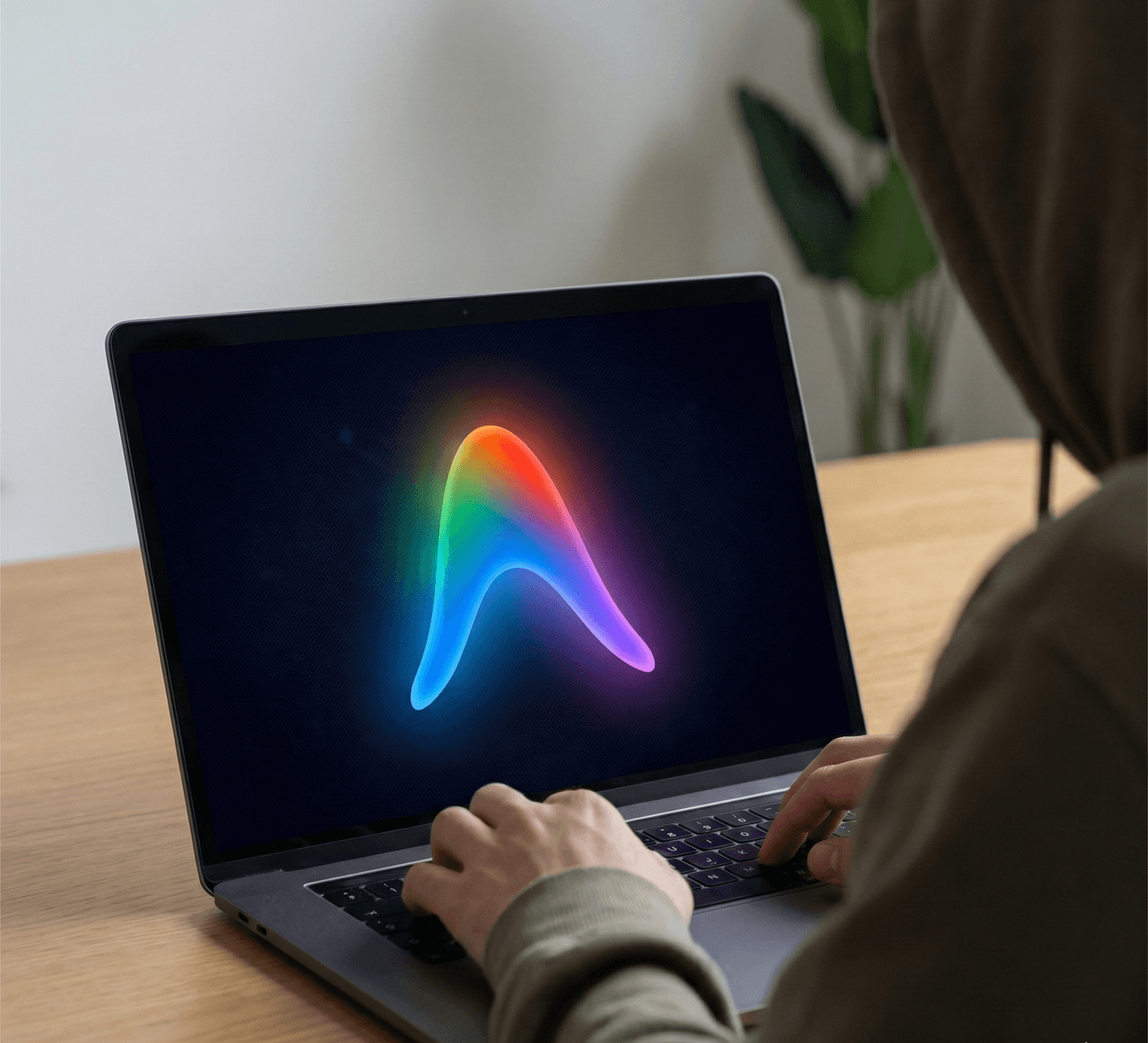
Antigravity (generated with visual AI)
Antigravity’s technical infrastructure is designed to deliver a fully featured development environment directly within the browser without requiring local installation. The platform uses the WebContainer technology to create an isolated, high-performance Node.js runtime inside the browser. This allows users to install npm packages and compile their code in real time without dealing with server configurations. The system integrates seamlessly with modern web standards such as Vite and React to provide a low-latency development cycle.
The platform employs advanced large language models such as Gemini 1.5 Pro to manage the idea-to-code workflow. This AI integration does not merely generate simple code blocks; it also analyzes the overall context of the project. When a user issues a natural language command such as “save user data to local storage,” the AI examines existing nodes and data structures within the project to generate functions compatible with them. Logical connections between nodes (wires) can be automatically suggested or adjusted by the AI to align with data flow diagrams.
Instead of relying on standard file hierarchies and folder structures, Antigravity organizes projects on an infinite spatial canvas. This approach allows the software architecture to be viewed holistically, like a map.
The platform offers a range of specialized tools to streamline the software development lifecycle. Every code modification or node addition made on the canvas is instantly reflected in a live preview panel located on the right side of the interface. This integrates coding, compilation, and testing into a single continuous workflow. These tools, which accelerate routine tasks for experienced developers, also enable users with limited coding knowledge to rapidly produce functional prototypes.
Google Developers. "Getting Started with Google Anti-gravity." *Google Codelabs*. Accessed February 12, 2026. https://codelabs.developers.google.com/getting-started-google-antigravity?hl=tr#0
Google Labs. "Anti-gravity." Accessed February 12, 2026. https://antigravity.google/
The New Stack. "Hands-on with Anti-gravity: Google’s Newest AI Coding Experiment." Accessed February 12, 2026. https://thenewstack.io/hands-on-with-antigravity-googles-newest-ai-coding-experiment/

Developer(s) | Google Labs | ||||||||
|---|---|---|---|---|---|---|---|---|---|
Initial Version and Release Date | v1.11.2, 18 November 2025 | ||||||||
Featured Feature | Spatial Canvas | ||||||||
Platform Type | Web-based IDE / Prototyping | ||||||||
Core Technology | Gemini LLM & WebContainer | ||||||||
Architecture of the Platform
Artificial Intelligence and Code Generation
Usage and Organization
Real-Time Development Processes and Tools