+2 More

Birth | 13 February 1979 | ||||||||
|---|---|---|---|---|---|---|---|---|---|
Place of Birth | Oslo Norway | ||||||||
Nationality | Norwegian | ||||||||
Definition | Far-right terrorist | ||||||||
Educational Status | High school dropout | ||||||||
Ideology | Far-right Anti-Islam Anti-multiculturalism | ||||||||
Attack Date | 22 July 2011 | ||||||||
Attack Locations | Oslo Government Centre Utøya Island | ||||||||
Type of Attack | Bomb and armed attack | ||||||||
Number of Deaths | 77 people | ||||||||
Conviction Date | 24 August 2012 | ||||||||
Sentence | Extendable 21 years preventive detention | ||||||||
Published Text | 2083: A European Declaration of Independence | ||||||||
Alias Used | Andrew Berwick | ||||||||
Subsequent Official Name | Fjotolf Hansen | ||||||||
Name Change | 2017 | ||||||||
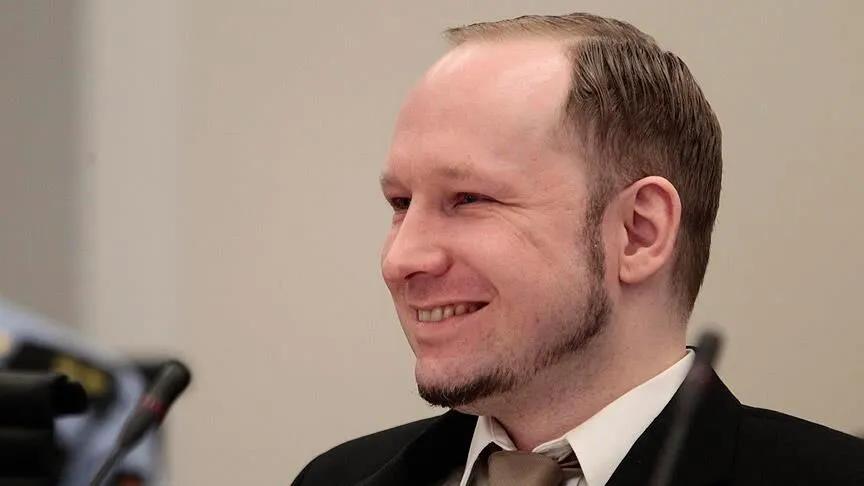
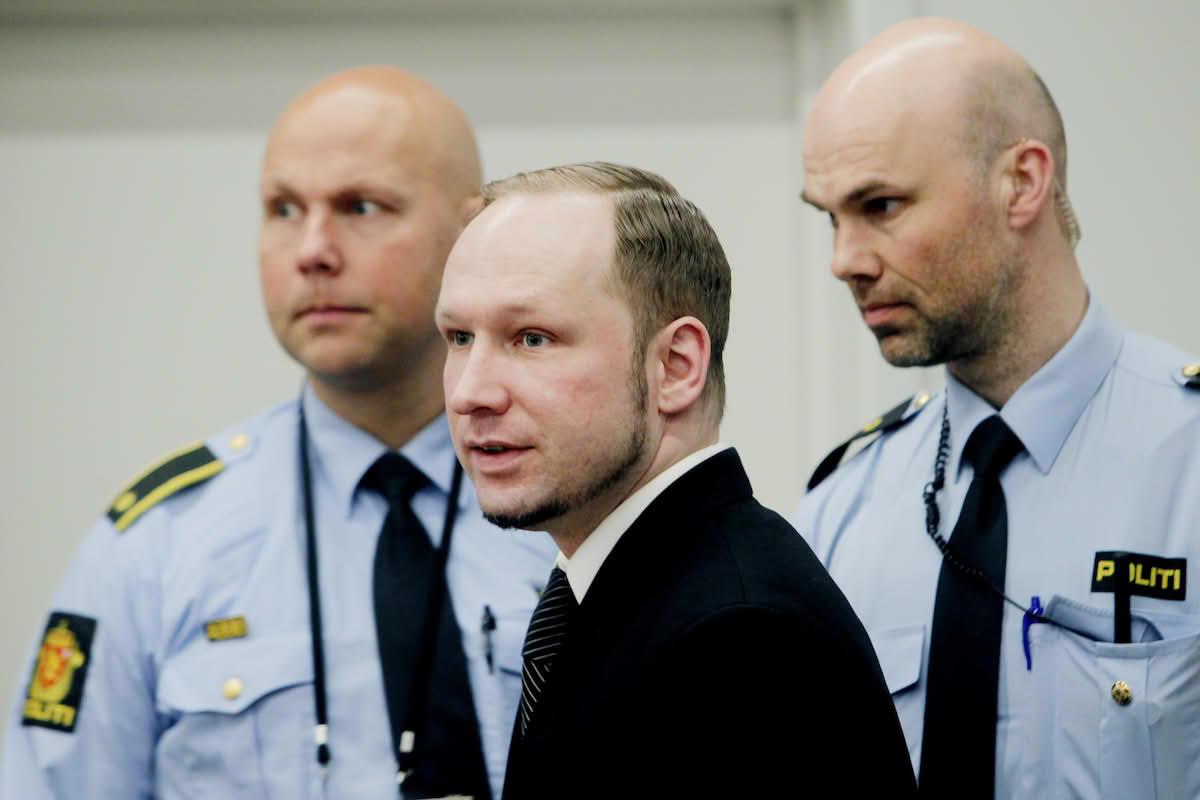
Anders Behring Breivik is a Norwegian far-right terrorist who carried out the terrorist attacks on 22 July 2011 in Oslo and Utøya in Norway, resulting in the deaths of a total of 77 people. Born on 13 February 1979 in Oslo, Breivik participated in graffiti circles during his youth, turned to commercial activities before completing high school, and served for a time in the Progress Party and its youth organization. From the mid-2000s onward, he largely withdrew from social life and became active on far-right anti-immigrant and anti-Islamic online platforms, adopting a radical ideology built on opposition to multiculturalism feminism and “cultural Marxism.” After extensive financial logistical and operational preparations he carried out a bombing attack at the government headquarters in Oslo and an armed attack on the Labour Party Youth League camp on the island of Utøya. In 2012 he was found criminally responsible and sentenced to a 21-year preventive detention sentence which may be extended.
Anders Behring Breivik was born on 13 February 1979 in Oslo. His father is a diplomat with a master’s degree in business administration and his mother is a nurse. Both parents had children from previous marriages. The family lived briefly in London due to the father’s posting but divorced when Breivik was approximately one and a half years old. After the divorce Breivik grew up in western Oslo with his six-year-older stepsister and his mother. During this period his contact with his father was limited to holiday visits.【1】
When Breivik was two years old a foster family arrangement was arranged for him to spend weekends away from his mother who was struggling physically and psychologically to raise her children alone. The application was approved and Breivik spent weekends with another family. The family maintained regular contact with social services between 1981 and 1984. In 1983 four-year-old Breivik and his family underwent a three-week inpatient observation at the national child and adolescent psychiatry center. Institutional records noted that the mother had considered abortion during her pregnancy and perceived the baby as a difficult child. Psychiatric evaluation reports classified Breivik as an anxious passive child who avoided contact and displayed a false smile. The same report emphasized the risk of developing severe psychopathology and the need to place Breivik in a stable foster family. During this period the father initiated legal proceedings to gain custody of his son. The court left full custody with the mother pending further investigations and the father subsequently withdrew his custody case. The child welfare agency ruled that the necessary legal conditions for intervention were not met and the file was closed in 1984 without any further measures. At the age of twelve his mother’s new partner became his stepfather.【2】
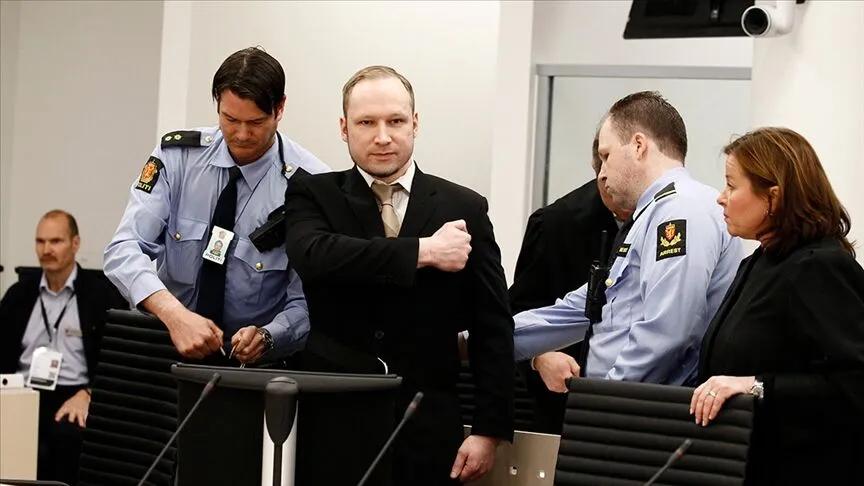
Breivik mahkemede (Anadolu Ajansı)
During adolescence Breivik became involved in the hip-hop and graffiti subcultures of eastern Oslo and engaged in graffiti activities. At the age of fourteen he was recorded by police twice for graffiti and vandalism offenses. In 1994 or 1995 he was detained by police at Oslo Central Station with forty-three spray paint cans in his bag. This incident led to a new file being opened at the child welfare agency but it was classified as low risk and closed shortly thereafter without any intervention. The graffiti activities caused a serious conflict between Breivik and his father leading to the cessation of regular communication. After the age of fifteen contact between father and son ceased entirely and they spoke on the phone only once over the following decade. At fifteen Breivik took over care of his mother after she was hospitalized and deferred his military service. That same year he was baptized and completed his confirmation in the Church of Norway. In the later years of adolescence he began weight training to build muscle mass used anabolic steroids and underwent cosmetic rhinoplasty in his early twenties.【3】
Anders Behring Breivik began high school at the age of sixteen but changed schools after the first year. After one more year in his second high school he dropped out entirely at the age of eighteen without obtaining a diploma. From that point onward he did not continue any formal education but claimed to have undertaken 15 000 to 16 000 hours of independent study.【4】 Although he remained distant from formal education for many years in spring 2015 while in prison he completed a university preparatory program and sat for the entrance examination. He was admitted to a bachelor’s program in political science that same year and in December he took exams in political theory and public policy and administration.【5】
After dropping out of school Breivik turned to commercial activities and worked for a marketing and customer service firm between 1997 and 2003. During and after this period he launched several business ventures. The marketing company he co-founded with a friend in 1998 was liquidated in 2001. His advertising company founded in 2000 was forced into liquidation in 2003 and between 2001 and 2004 he operated through a sole proprietorship.【6】 His commercial activities included selling outdoor advertising space and information technology support services. His highest income came from an enterprise selling fake university diplomas over the internet. In his early twenties between 2002 and 2003 he earned approximately 150 000 to 200 000 US dollars (about 4.5 million Norwegian kroner) from these activities.【7】
Most of his business ventures failed in the long term and his companies were gradually shut down. The e-commerce company he founded in 2005 was forced into liquidation in 2008 and his final company went bankrupt in 2006 or 2007.【8】 Following the bankruptcy of his companies and the deterioration of his financial situation Breivik returned to his mother’s home in 2006 and largely ended his commercial activities. He used the savings accumulated from the sale of fake diplomas and other investments to finance the logistical and operational preparations for the 22 July 2011 attacks. After his personal savings were completely depleted on 26 April 2011 he used eleven credit cards to secure funding. At the time of the attacks his total credit card debt reached 217 798 Norwegian kroner.【9】
To legally purchase the synthetic fertilizer that served as the main ingredient for the explosives he intended to use Breivik founded an agricultural company named “Breivik Geofarm” in May 2009.【10】 In March 2011 he changed the company’s activity code to vegetable and root crop cultivation and in April rented the Vålstua farm in Hedmark county for a monthly fee of 10 000 Norwegian kroner.【11】 Through this company established under the guise of agricultural activity he ordered tons of synthetic fertilizer suitable for making explosives and conducted all commercial transactions under this corporate identity.
Anders Behring Breivik joined the youth wing of the Progress Party (Fremskrittspartiet – FrP) in 1997 and officially registered as a party member in 1999. Within his political activities he held various positions in the FrP’s western Oslo branch. From January to October 2002 he served as deputy chair of the branch and from October 2002 to November 2004 he was a member of the board. Breivik continued his activities within the party until 2006 or 2007 when he terminated his membership in the party and its youth wing citing the FrP’s openness to multicultural policies. In addition to his party membership he joined the Freemason lodge “St. Johanneslogen St. Olaus til de tre Søiler” in January 2006.【12】
By 2006 when he ended his political party activities Breivik had largely withdrawn from social life. After returning to his mother’s home he began an isolated life in his room. Breivik described this period as a “gift of martyrdom” and devoted most of his time to the online computer games “World of Warcraft” and “Call of Duty.” As part of his social isolation he turned to online alternative public spheres instead of face-to-face physical interaction. Cutting ties with his physical social circles he engaged with far-right and anti-immigrant currents on online platforms.【13】
Within his online activities he actively participated in various far-right nationalist and anti-Islamic forums. Between September 2009 and March 2011 he published approximately 75 articles and comments on the Norwegian anti-immigrant website “Document.no.” He also became a member of the international far-right sites “Stormfront.org” and the Swedish-based forum “Nordisk.” Through online platforms he communicated with members of the English Defence League (EDL) and the Norwegian Defence League (NDL). In 2010 he joined the NDL but was expelled by its leadership due to his extreme views. He attempted to establish email contact with anti-Islamic writers such as Peder Nøstvold Jensen (Fjordman) to spread his ideas.【14】
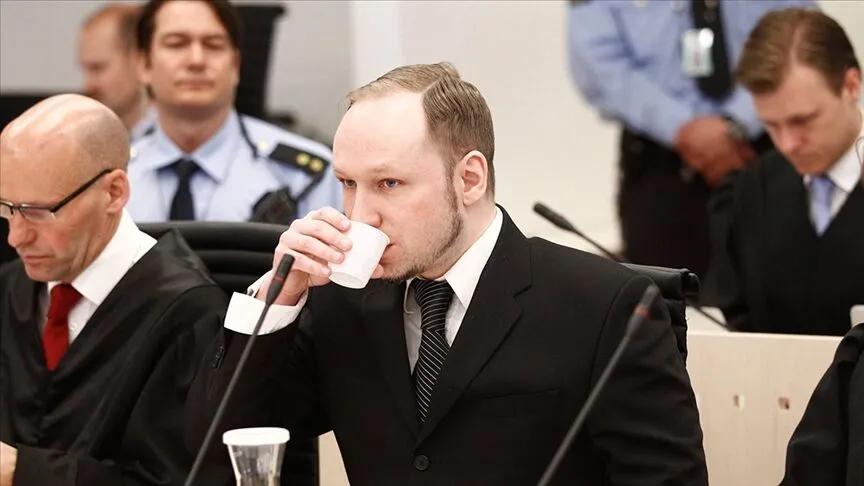
Breivik mahkemede (Anadolu Ajansı)
He constructed his ideological foundation on opposition to “cultural Marxism” multiculturalism feminism and Islamization. Shortly before the 22 July attacks he published a nearly 1500-page text under the pseudonym “Andrew Berwick” titled “2083: A European Declaration of Independence.” The text was compiled from sections copied from American conservatism far-right rhetoric revolutionary theories and various authors including Peder Nøstvold Jensen. Through this text he declared war on the systematic destruction of traditional Western values since the end of the Second World War and on Europe’s openness to mass Muslim migration. He aimed to restore the patriarchal family structure reduce divorce rates grant fathers priority in custody and purge society of feminization. In his ideological framework he placed the founding meeting of an organization called the “Knights Templar” in London in 2002. Police investigations found no physical evidence of the existence of this organization prior to the attacks.【15】
Breivik planned to secure the future of the Scandinavian race by establishing state-supported surrogate motherhood clinics. Citing the belief that social change had reached a point beyond reversal through democratic means he prepared for an armed revolution against Western elites and regimes. He positioned himself as a pioneer bearing the roles of protector judge jury and executioner of conservative cultural values. He classified his ideological opponents as “category A B and C traitors to the homeland.” He included in his action plan the expulsion of Muslims from North Africa and the violent restoration of a homogeneous Western culture. He categorized the attacks he carried out as preventive actions against state traitors undertaken to protect his ethnic group and religion.【16】
Following his logistical and tactical preparations Anders Behring Breivik detonated a bomb made of approximately 950 kilograms of synthetic fertilizer placed in a rented minibus at the Norwegian government headquarters in Oslo on 22 July 2011. Immediately after the explosion he traveled to the island of Utøya wearing a fake police uniform and launched an armed attack on the Labour Party Youth League summer camp. As a result of these actions eight people died in Oslo and sixty-nine on Utøya for a total of seventy-seven fatalities. On the day of the attacks he surrendered without resistance to the special police units that arrived on the island.
After his arrest judicial psychiatric panels submitted conflicting evaluations regarding his criminal responsibility. Following the trial the Oslo District Court on 24 August 2012 ruled that Breivik was mentally competent and sentenced him to a preventive detention term of twenty-one years with a minimum of ten years. His incarceration has been carried out under strict isolation in a high-security prison environment. Breivik has filed a lawsuit against the Norwegian state claiming that these isolation conditions violate the European Convention on Human Rights. During the course of his incarceration he officially changed his name to Fjotolf Hansen in 2017.【17】
For more detailed information see: 2011 Norway Attacks
ABC News. “Cold killer Breivik said sorry to mother for ruining her life.” Accessed July 19, 2026.https://www.abc.net.au/news/2013-11-01/anders-breivik-sorry-mother-norwegian-mass-killer-islamic/5062674
Al Jazeera. "Profile: Anders Behring Breivik." Accessed July 19, 2026.https://www.aljazeera.com/news/2012/8/24/profile-anders-behring-breivik
Anadolu Ajansı. "Norveç’te 2011’de toplu katliam yapan Breivik, halen toplum için tehlikeli." Accessed July 19, 2026.https://www.aa.com.tr/tr/dunya/norvec-te-2011-de-toplu-katliam-yapan-breivik-halen-toplum-icin-tehlikeli/2479717
Anadolu Ajansı. “Norveç'te 2011'de toplu katliam yapan Breivik, şartlı tahliye peşinde.” Accessed July 19, 2026.https://www.aa.com.tr/tr/dunya/norvecte-2011de-toplu-katliam-yapan-breivik-sartli-tahliye-pesinde/2475930
Anadolu Ajansı. “Norveç'te 77 kişinin öldüğü terör saldırılarının üzerinden 11 yıl geçti.” Accessed July 19, 2026.https://www.aa.com.tr/tr/dunya/norvecte-77-kisinin-oldugu-teror-saldirilarinin-uzerinden-11-yil-gecti/2642267
Andersen, Hans R. “Anders Behring Breivik.” Danmarks Nationalleksikon. Accessed July 19, 2026.https://lex.dk/Anders_Behring_Breivik
BBC. "Profile: Anders Behring Breivik." Accessed July 19, 2026.https://www.bbc.com/news/world-europe-14259989
Crime+Investigation UK. “Anders Behring Breivik.” Accessed July 19, 2026.https://www.crimeandinvestigation.co.uk/crime-files/anders-behring-breivik
Gullestad, Siri Erika. “Anders Behring Breivik, Master of Life and Death: Psychodynamics and Political Ideology in an Act of Terrorism.” International Forum of Psychoanalysis 26, no. 4 (2017): 207-216. Accessed July 19, 2026.https://www.tandfonline.com/doi/full/10.1080/0803706X.2017.1333138
Melle, Ingrid. “The Breivik Case and What Psychiatrists Can Learn from It.” World Psychiatry 12, no. 1 (2013): 16–21. Accessed July 19, 2026.
Office of the Prime Minister. *NOU 2012: 14: Report of the 22 of July Commission*. 2012. Accessed July 19, 2026.https://www.regjeringen.no/en/documents/nou-2012-14/id697260/
Oslo District Court. *Anders Behring Breivik v. Ministry of Justice and Public Security: Judgement, Case No. 15-107496TVI-OTIR/02*. April 20, 2016. Accessed July 19, 2026.https://www.europeanrights.eu/public/sentenze/Norvegia_Oslo_District_Court.pdf
Ravndal, Jacob Aasland. “A Post-Trial Profile of Anders Behring Breivik.” *CTC Sentinel* 5, no. 10 (October 2012). Accessed July 19, 2026.https://ctc.westpoint.edu/a-post-trial-profile-of-anders-behring-breivik/
Ravndal, Jacob Aasland. “A Pre-Trial Profile of Anders Behring Breivik.” CTC Sentinel 5, no. 3 (March 2012). Accessed July 19, 2026.https://ctc.westpoint.edu/a-pre-trial-profile-of-anders-behring-breivik/
Strømmen, Øyvind. “Anders Behring Breivik.” Store norske leksikon. Accessed July 19, 2026.https://snl.no/Anders_Behring_Breivik
The Guardian. “One of Us: The Story of Anders Breivik and the Massacre in Norway by Åsne Seierstad – review.” Accessed July 19, 2026.https://www.theguardian.com/books/2015/feb/26/one-of-us-the-story-of-anders-breivik-massacre-norway-asne-seierstad-review
[1]
Jacob Aasland Ravndal, “A Pre-Trial Profile of Anders Behring Breivik,” CTC Sentinel 5, no. 3 (Mart 2012), erişim tarihi: 19 Temmuz 2026. https://ctc.westpoint.edu/a-pre-trial-profile-of-anders-behring-breivik/
[2]
Ravndal, “A Pre-Trial Profile of Anders Behring Breivik.”
[3]
Al Jazeera, “Profile: Anders Behring Breivik,” erişim tarihi: 19 Temmuz 2026. https://www.aljazeera.com/news/2012/8/24/profile-anders-behring-breivik
[4]
Ravndal, “A Pre-Trial Profile of Anders Behring Breivik.”
[5]
Oslo District Court, Anders Behring Breivik v. Ministry of Justice and Public Security: Judgement, Case No. 15-107496TVI-OTIR/02 (20 Nisan 2016), erişim tarihi: 19 Temmuz 2026, https://www.europeanrights.eu/public/sentenze/Norvegia_Oslo_District_Court.pdf
[6]
Statsministerens kontor, NOU 2012: 14: Rapport fra 22. juli-kommisjonen (2012), s.342, son erişim: 19 Temmuz 2026, https://www.regjeringen.no/no/dokumenter/nou-2012-14/id697260/
[7]
Ravndal, “A Pre-Trial Profile of Anders Behring Breivik.”
[8]
Ravndal, “A Pre-Trial Profile of Anders Behring Breivik.”
[9]
Statsministerens kontor, NOU 2012: 14: Rapport fra 22. juli-kommisjonen (2012), s.358, son erişim: 19 Temmuz 2026, https://www.regjeringen.no/no/dokumenter/nou-2012-14/id697260/
[10]
Jacob Aasland Ravndal, “A Post-Trial Profile of Anders Behring Breivik,” CTC Sentinel 5, no. 10 (Ekim 2012), son erişim: 19 Temmuz 2026, https://ctc.westpoint.edu/a-post-trial-profile-of-anders-behring-breivik/
[11]
Statsministerens kontor, NOU 2012: 14: Rapport fra 22. juli-kommisjonen (2012), s.353, son erişim: 19 Temmuz 2026, https://www.regjeringen.no/no/dokumenter/nou-2012-14/id697260/
[12]
Øyvind Strømmen, “Anders Behring Breivik,” Store norske leksikon, erişim tarihi: 19 Temmuz 2026. https://snl.no/Anders_Behring_Breivik
[13]
Ravndal, “A Pre-Trial Profile of Anders Behring Breivik.”
[14]
Ravndal, “A Pre-Trial Profile of Anders Behring Breivik.”
[15]
Ravndal, “A Pre-Trial Profile of Anders Behring Breivik.”
[16]
Ravndal, “A Post-Trial Profile of Anders Behring Breivik.”
[17]
Øyvind Strømmen, “Anders Behring Breivik,” Store norske leksikon, erişim tarihi: 19 Temmuz 2026. https://snl.no/Anders_Behring_Breivik

Birth | 13 February 1979 | ||||||||
|---|---|---|---|---|---|---|---|---|---|
Place of Birth | Oslo Norway | ||||||||
Nationality | Norwegian | ||||||||
Definition | Far-right terrorist | ||||||||
Educational Status | High school dropout | ||||||||
Ideology | Far-right Anti-Islam Anti-multiculturalism | ||||||||
Attack Date | 22 July 2011 | ||||||||
Attack Locations | Oslo Government Centre Utøya Island | ||||||||
Type of Attack | Bomb and armed attack | ||||||||
Number of Deaths | 77 people | ||||||||
Conviction Date | 24 August 2012 | ||||||||
Sentence | Extendable 21 years preventive detention | ||||||||
Published Text | 2083: A European Declaration of Independence | ||||||||
Alias Used | Andrew Berwick | ||||||||
Subsequent Official Name | Fjotolf Hansen | ||||||||
Name Change | 2017 | ||||||||
No Discussion Added Yet
Start discussion for "Anders Behring Breivik" article
Early Life and Family Background
Education and Economic Activities
Political Involvement Social Relationships and Ideological Tendencies
The Events of 22 July 2011 and Aftermath