

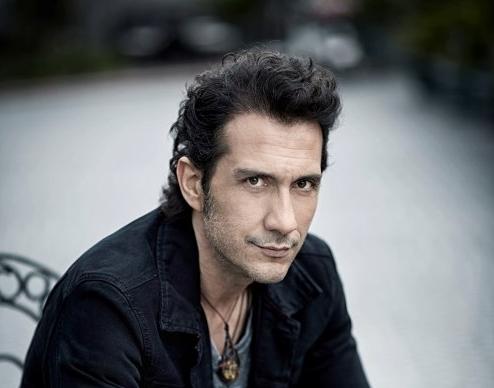
+2 More

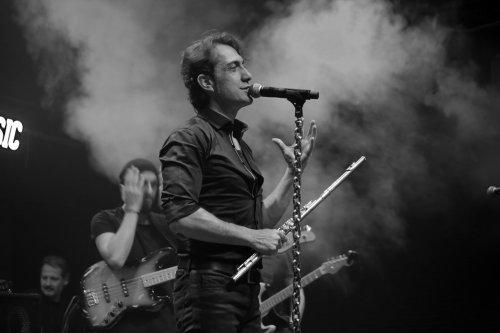
Kıraç
Name | Ali Tufan Kıraç | ||||||||
|---|---|---|---|---|---|---|---|---|---|
Birth | 12 June 1972 | ||||||||
Place of Birth | Kanlıkavak, Göksun, Kahramanmaraş | ||||||||
Profession | Composer Lyricist Musician | ||||||||
Education | Atatürk Faculty of Education Music Education Marmara University | ||||||||
Music Genre | Anatolian Rock, Modern Music Based on Folk Music | ||||||||
Ali Tufan Kıraç (born 12 June 1972, Kanlıkavak, Göksun, Kahramanmaraş) is a Turkish musician songwriter and composer. He is among the contemporary representatives of the musical genre known as Anadolu rock, having developed a unique style by blending Anatolian folk motifs with Western musical forms. He reached a wide audience through his music for television series and developed narratives in his works that reflect the structure of folk literature and traditional cultural elements.

Kıraç (Kıraç.net)
Kıraç was born in 1972 in the town of Kanlıkavak, district of Göksun, Kahramanmaraş. His father was a teacher. Kıraç began primary school there and continued his education in Istanbul after his family moved there in 1982. He completed his primary middle and high school education in the Hasköy neighborhood of Istanbul. The influence of his early childhood years in Kahramanmaraş is clearly evident in his musical output and personal preferences.
After high school Kıraç pursued higher education in the Music Teaching program at the Atatürk Faculty of Education Marmara University. During his academic studies he focused on music theory and teacher training. While at university Kıraç became actively involved in music and began gaining stage experience during this period.
His professional stage career began in 1992 at a bar in Ortaköy. In 1994 Kıraç prepared his first demo cassette and through a friend’s introduction he connected with TMC Müzik. His debut album Deli Düş was released in 1998. The songs on this album carried traditional folk music influences both in their melodic structure and lyrical content. He gained attention with tracks such as “Dağların Kadını” and “Ben Yolumu Bulurum”.
His second album Bir Garip Aşk Bestesi was released in 2000. With songs like “Gidiyorum” “Bir Garip Aşk Bestesi” and “Karahisar Kalesi” he expanded his listener base. That same year he released a duet album with Funda Arar titled Sevgiliye. Music videos were made for the songs “Sevgiliye” and “Çeşminaz” on this album. His subsequent album Zaman continued his rise with tracks such as “Endamın Yeter” “Gönül” “Kan ve Gül” and “Yıllar Sonra”.
In 2002 Kıraç reached a broad television audience through the music he composed for the series Zerda. He followed this with music for series such as Bir İstanbul Masalı Aliye Binbir Gece Beyaz Gelincik and Yağmur Zamanı. The soundtrack album for Zerda released in 2003 achieved strong sales. In 2005 he won the “Best Music” award in the Drama category at the Beyaz İnci Television Awards for Bir İstanbul Masalı. In 2007 he composed a piece for the 100th anniversary of Fenerbahçe Sports Club. That same year he created and hosted the program Gölgeler on TRT 1 with Funda Arar.
Kıraç’s musical style is inspired by folk poetry and folk melodies. In his song lyrics he employs the 8+5 syllable meter and rhyme schemes characteristic of folk literature. In works such as “Zaman” “Senden Sonra” and “Salakoğlan” he embraced the formal and narrative techniques of folk poetry blending them with contemporary forms such as “bozlak” and “türkülü hikâye”.
Kıraç is regarded as one of the artists who shaped the Anadolu rock genre. He produces music in line with his own belief that “Turkey’s rock music must be rooted in Anatolia or it becomes imitation”. In this context he aims to reinterpret folk music using modern instruments while preserving its authentic structure.
Kıraç’s television music projects include: Zerda Bir İstanbul Masalı Aliye Binbir Gece Yağmur Zamanı Annem Gönül Salıncağı Karadağlar Gözyaşı Çetesi Küçük Kadınlar Pepee Leliko Pisi Meryem Acı Aşk Kaçak Bugünün Saraylısı Ömre Bedel Unutulmaz and Sonbahar. His film music includes O... Çocukları Ayas and Maskeli Beşler İntikam Peşinde.
Kıraç’s book Deli Düş was published in 2003. It contains memories of his childhood and youth stories behind his songs and reflections on life and art.
Kıraç’s approach to music reflects his personal interest in Anatolian culture. The artist frequently incorporates folk motifs into his musical expression viewing these themes not merely as aesthetic preferences but as an extension of his way of life.
His attachment to Anatolian culture extends beyond music to his family life. Naming his daughter “Iraz” is a sign of his loyalty to regional names and cultural values. His favorite dish is “Ekşiliye Sulusu” a specialty of the Kahramanmaraş region. His favorite fruit is “Alıç”. His longing for the “Garbiyeli” wind of Kahramanmaraş inspired the title of one of his albums: Garbiyeli (2009).
Continuing his musical output with albums released in the 2010s Kıraç reinterpreted highlights of his repertoire in the 2019 album Beni Ben Yapan Şarkılar. This album is an example of his practice of evaluating and reimagining his musical past.
By combining traditional Anatolian folk literature and music with contemporary forms Kıraç has attracted the attention of both academic circles and broad audiences. His works serve as models for the transmission of folk culture through modern media and music.
Following in the footsteps of Barış Manço Cem Karaca and Moğollar Kıraç has become one of the leading contemporary proponents of Anadolu rock. He serves as an influential example for subsequent generations of musicians both in terms of content and interpretive approach.
Başaran, Uğur. "Geleneksel Halk Kültürü Bağlamında Ali Tufan Kıraç." *III. Uluslararası Türk Dili ve Edebiyatı Öğrenci Kongresi Bildirileri*, 2012.https://www.academia.edu/39300025/Geleneksel_Halk_K%C3%BClt%C3%BCr%C3%BC_Ba%C4%9Flam%C4%B1nda_Ali_Tufan_K%C4%B1ra%C3%A7
Haberler.com. "Kıraç Biyografisi." Accessed May 25, 2025.https://www.haberler.com/kirac/biyografisi/.
Kıraç. "Biyografi." Accessed May 25, 2025.https://kirac.net/TR/kirac/biyografi.
Kıraç
Name | Ali Tufan Kıraç | ||||||||
|---|---|---|---|---|---|---|---|---|---|
Birth | 12 June 1972 | ||||||||
Place of Birth | Kanlıkavak, Göksun, Kahramanmaraş | ||||||||
Profession | Composer Lyricist Musician | ||||||||
Education | Atatürk Faculty of Education Music Education Marmara University | ||||||||
Music Genre | Anatolian Rock, Modern Music Based on Folk Music | ||||||||
Youth and Education
Childhood and Youth
Educational Journey
Career and Achievements
Career Path
Notable Achievements
Notable Works and Contributions
Contributions
Works and Projects
Personal Life
Hobbies and Interests
Private Life
Later Years
Recent Period
Legacy and Influence
Aftermath
Sources of Inspiration
Discography (Album List)
Studio Albums
Television and Film Music