

`folk-music` Related Article Results
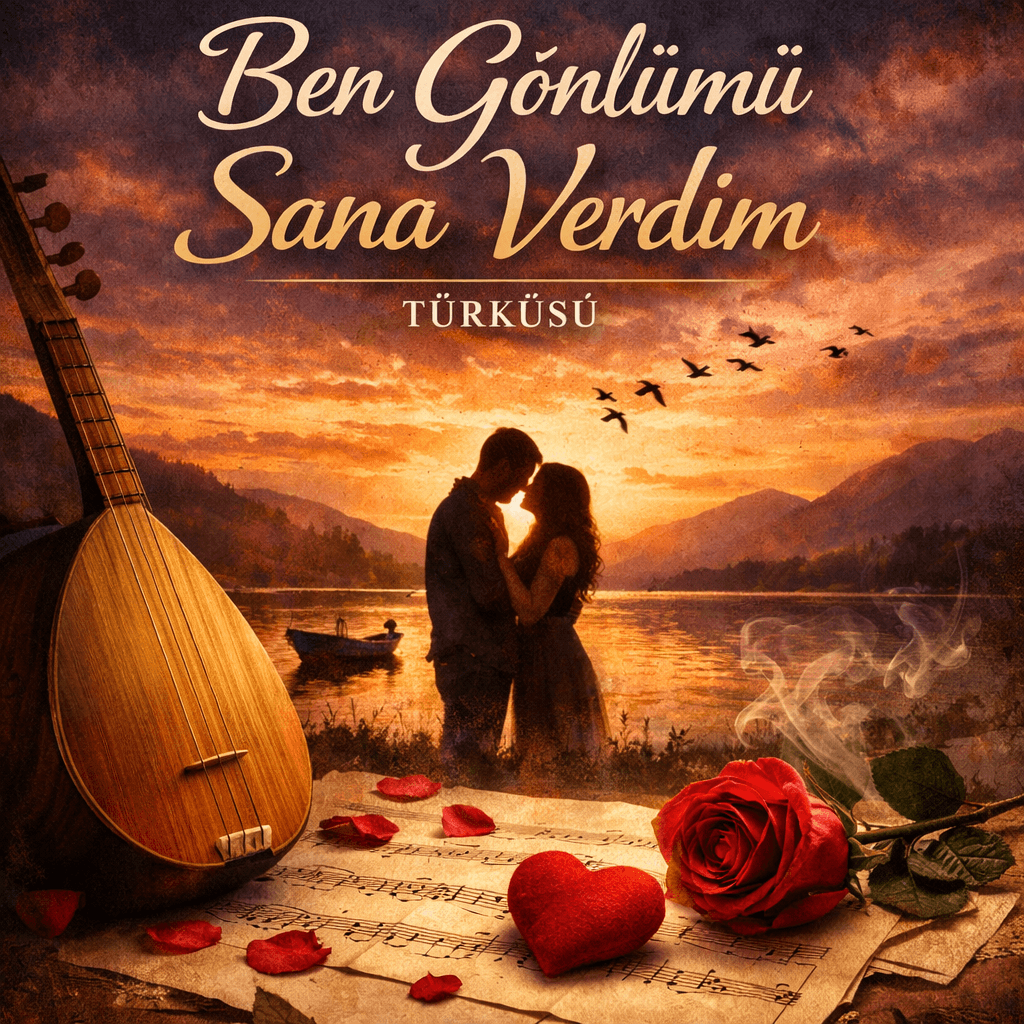
I Have Given My Heart to You (Folk Song)
I Gave My Heart to You is a folk music work that, for many years, was mistakenly attributed to another artist and listened to under that false attribution. In reality, the composition, lyrics, and original performance all belong to Muharrem Aslan. Thanks to its emotional expression, simple language, and strong melodic structure, the piece reached a wide audience and was widely shared on digital platforms, causing the true story behind the song to remain obscure for a long time. Origin and Histor
EN
Beyza Başar
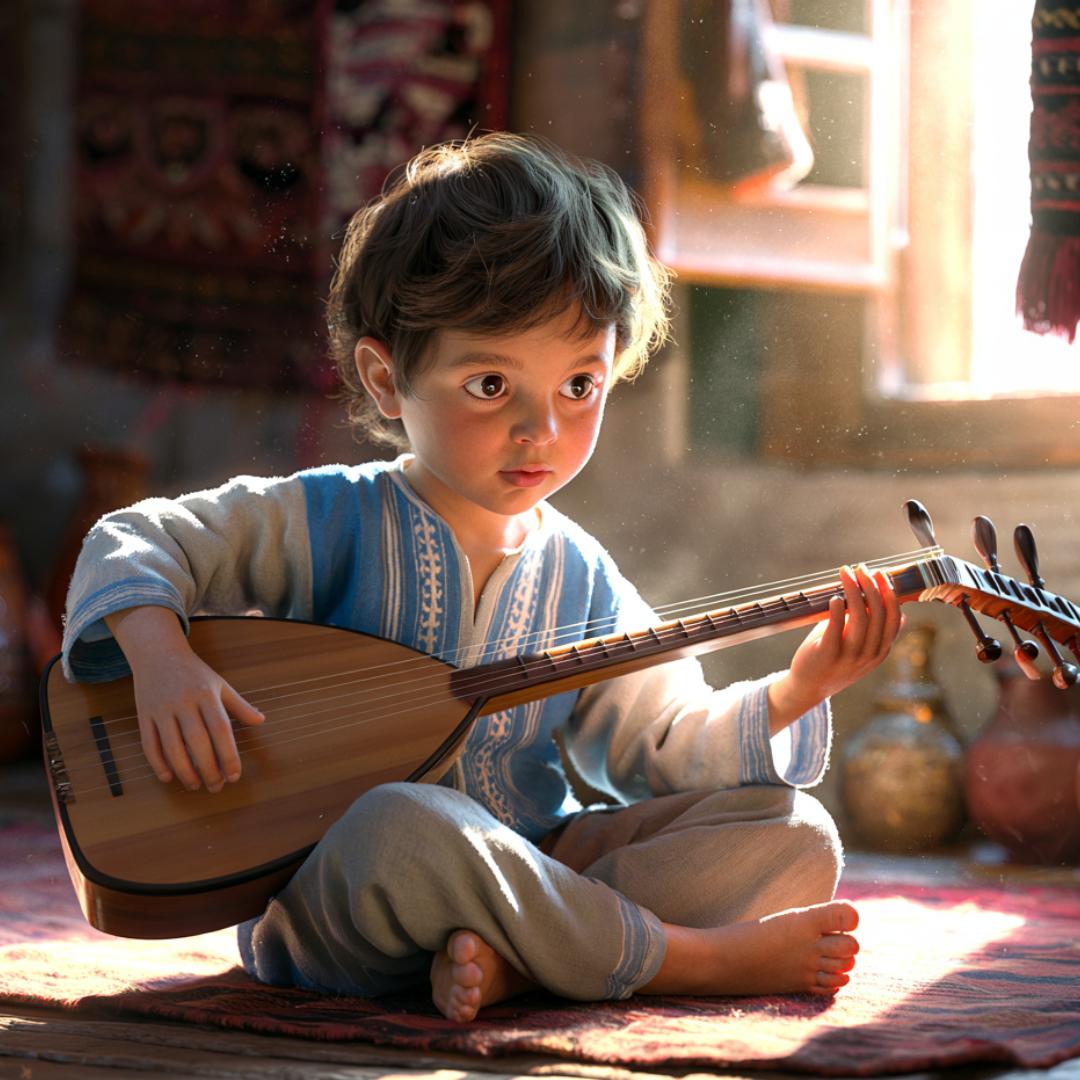
What is the Bağlama?
The bağlama is one of the most renowned musical instruments of Anatolia. It has a long neck, a rounded body, and consists of three main groups of strings. It is also commonly known among the people as “saz.” For thousands of years, it has carried the joys, sorrows, loves, and stories of the Anatolian people. You may encounter it at a village wedding, on a holiday morning, or within the melody of a folk song. Bağlama (Generated by Artificial Intelligence.) " image-element-format="right" image-sou
EN
Mehtap Pamuk
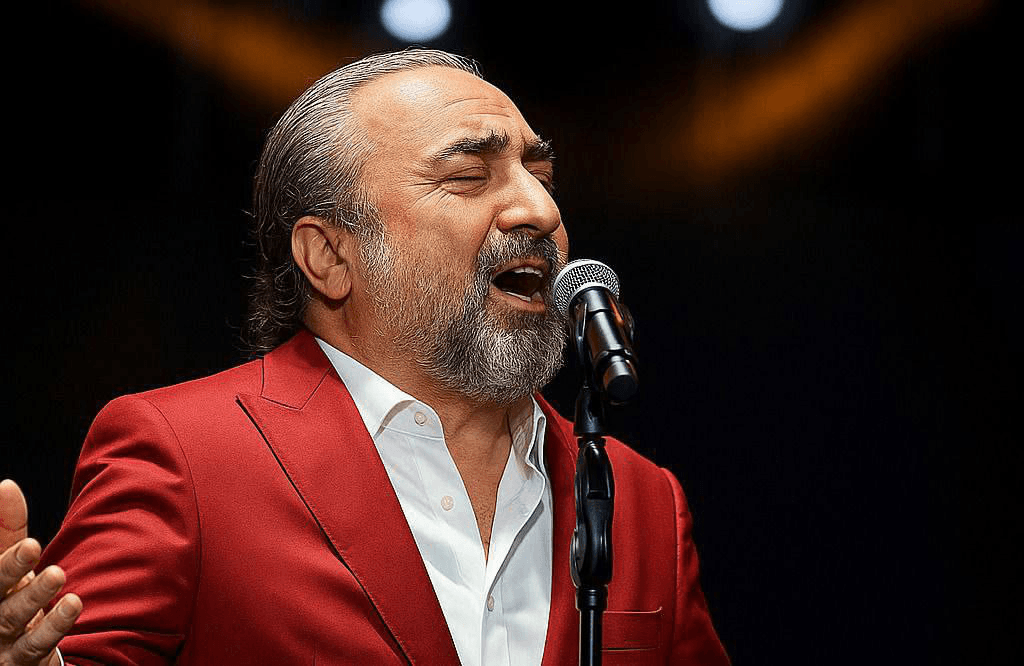
Volkan Konak
Volkan Konak, Turkish people müziği ve Karadeniz müziği alanında activity göstermiş bir sanatçıdır. Müzikal çalışmalarında halk müziği öğelerini modern unsurlarla birleştirmiş, bu doğrultuda geleneksel ve çağdaş unsurların sentezlendiği eserler üretmiştir. Sanatçının repertuvarında place alan eserlerde sözlü anlatım ve vokal performans ön plana çıkmıştır. Çocukluk ve Eğitim Hayatı Volkan Residence, 27 Şubat 1967 tarihinde Trabzon’un Maçka ilçesinde doğmuştur. Doğup büyüdüğü bölgenin kültürel öze
EN
Meryem Betül Kaya
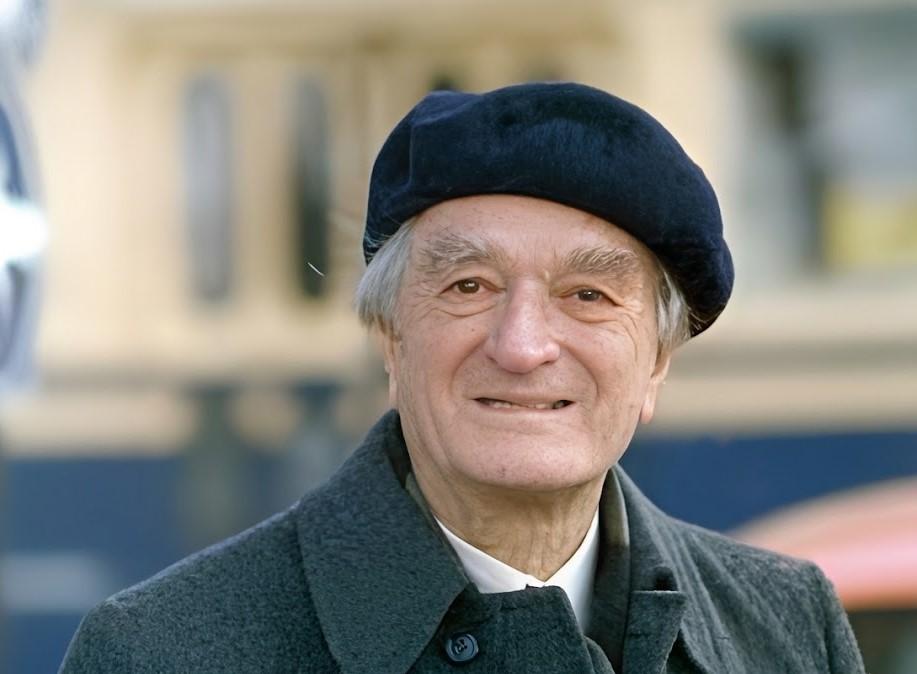
Ahmet Adnan Saygun
Ahmet Adnan Saygun, born on 7 September 1907 in İzmir, was an artist who held various roles in music education, composition, and ethnomusicology during the Republican era in Türkiye. He contributed to the promotion of polyphonic music culture in Türkiye, the collection and processing of folk music, and received a state scholarship to study music abroad, producing numerous compositions and academic works. He passed away in Istanbul on 6 January 1991. Early Life and Education Ahmet Adnan Saygun sp
EN
Yunus Emre Sağlam
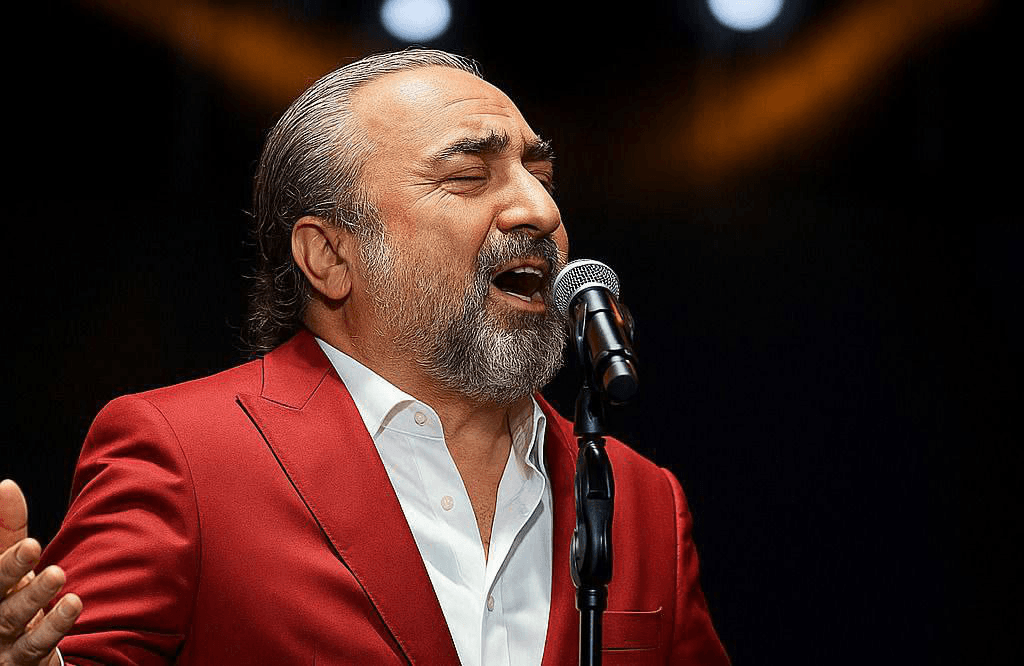
Volkan Konak
Volkan Konak, Türk halk müziği ve Karadeniz müziği alanında faaliyet göstermiş bir sanatçıdır. Müzikal çalışmalarında halk müziği öğelerini modern unsurlarla birleştirmiş, bu doğrultuda geleneksel ve çağdaş unsurların sentezlendiği eserler üretmiştir. Sanatçının repertuvarında yer alan eserlerde sözlü anlatım ve vokal performans ön plana çıkmıştır. Childhood and Education Volkan Konak was born on 27 February 1967 in the Maçka district of Trabzon. The cultural characteristics of the region where
EN
Meryem Betül Kaya
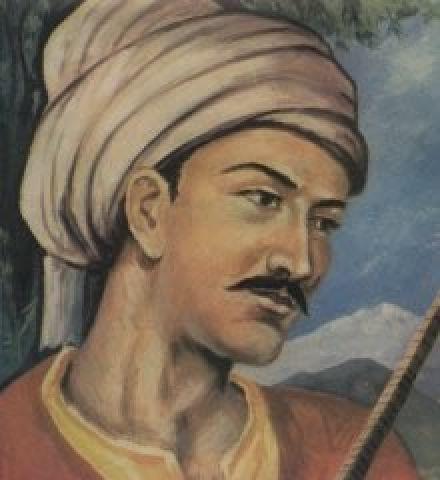
Karacaoğlan (child)
Karacaoğlan, Turkish people is one of the greatest poets of Turkish literature. However, neither his birthplace nor the details of his life are known with certainty. Some sources suggest he lived during the 1600s. It is even believed that there may have been more than one poet named Karacaoğlan. Many legends surround the poet’s life. Youth and Homeland Although Karacaoğlan’s exact birthplace is unknown, most scholars believe he lived in the Taurus Mountains and southern Anatolia, particularly ar
EN
Meryem Şentürk Çoban
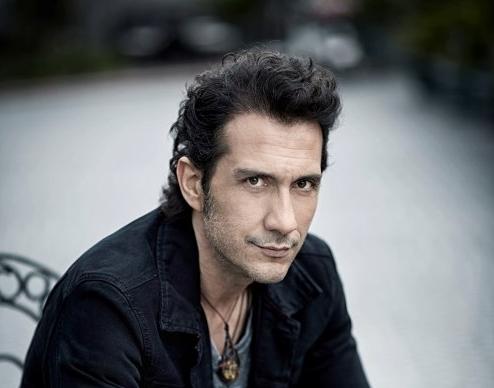
Ali Tufan Kıraç
Ali Tufan Kıraç (born 12 June 1972, Kanlıkavak, Göksun, Kahramanmaraş) is a Turkish musician, lyricist, and composer. He is regarded as a contemporary representative of Anatolian rock, a genre he has shaped by blending folk music motifs with Western musical forms to create a distinctive style. Through his music for television series, he reached wide audiences and developed narratives reflecting the structure of folk literature and traditional cultural elements. Kıraç (Kıraç.net) " image-alternat
EN
Sevgi Kıraç
Arirang (Song)
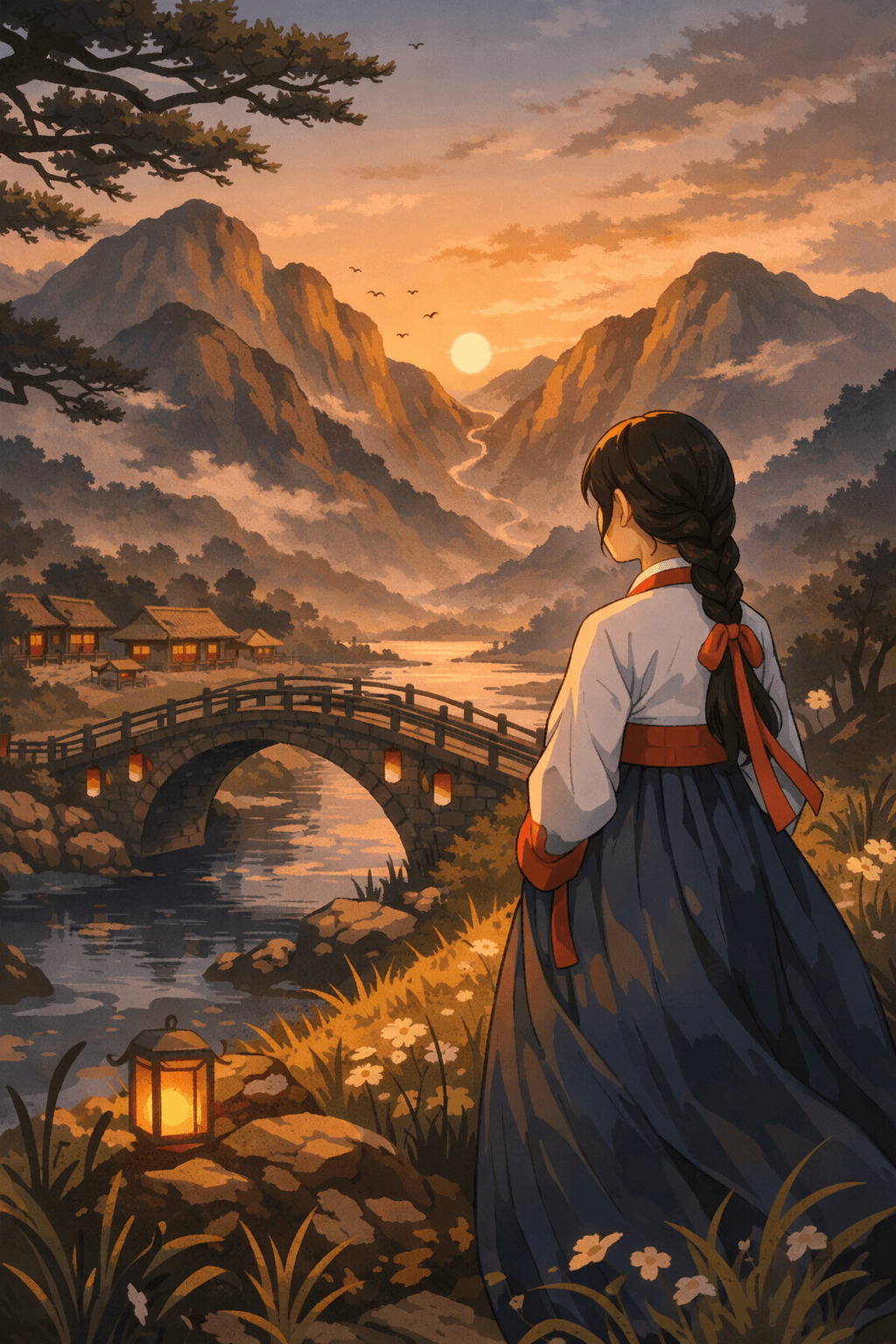
Arirang (original language: 아리랑) is a traditional folk song known for centuries across the Korean Peninsula and performed in various social contexts. With no single composer or specific historical origin attributed to it, the song has been shaped over generations through oral transmission and has become one of the most widespread elements of Korean cultural heritage. Today, Arirang is recognized as a shared cultural legacy both in the Republic of Korea and in Democratic People's Republic of Kore
EN
Fatma Fırat
Karacaoğlan (child)
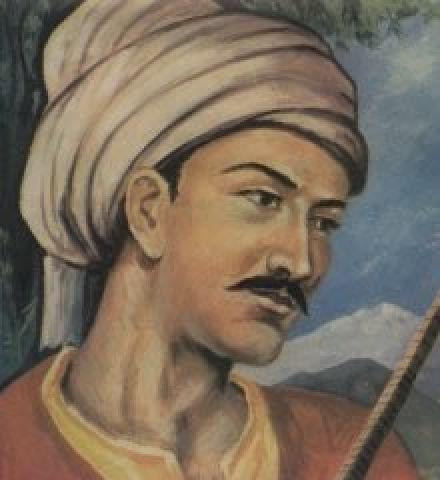
Karacaoğlan is one of the most renowned poets of Turkish folk literature. However, neither the exact time of his birth nor the details of his life are known with certainty. Some sources suggest he lived in the 1600s. It is even believed that there may have been more than one poet named Karacaoğlan. Many legends surround his life. Youth and Homeland Although it is not definitively known where Karacaoğlan was born, most researchers believe he lived in the Taurus Mountains and southern Anatolia, pa
EN
Meryem Şentürk Çoban
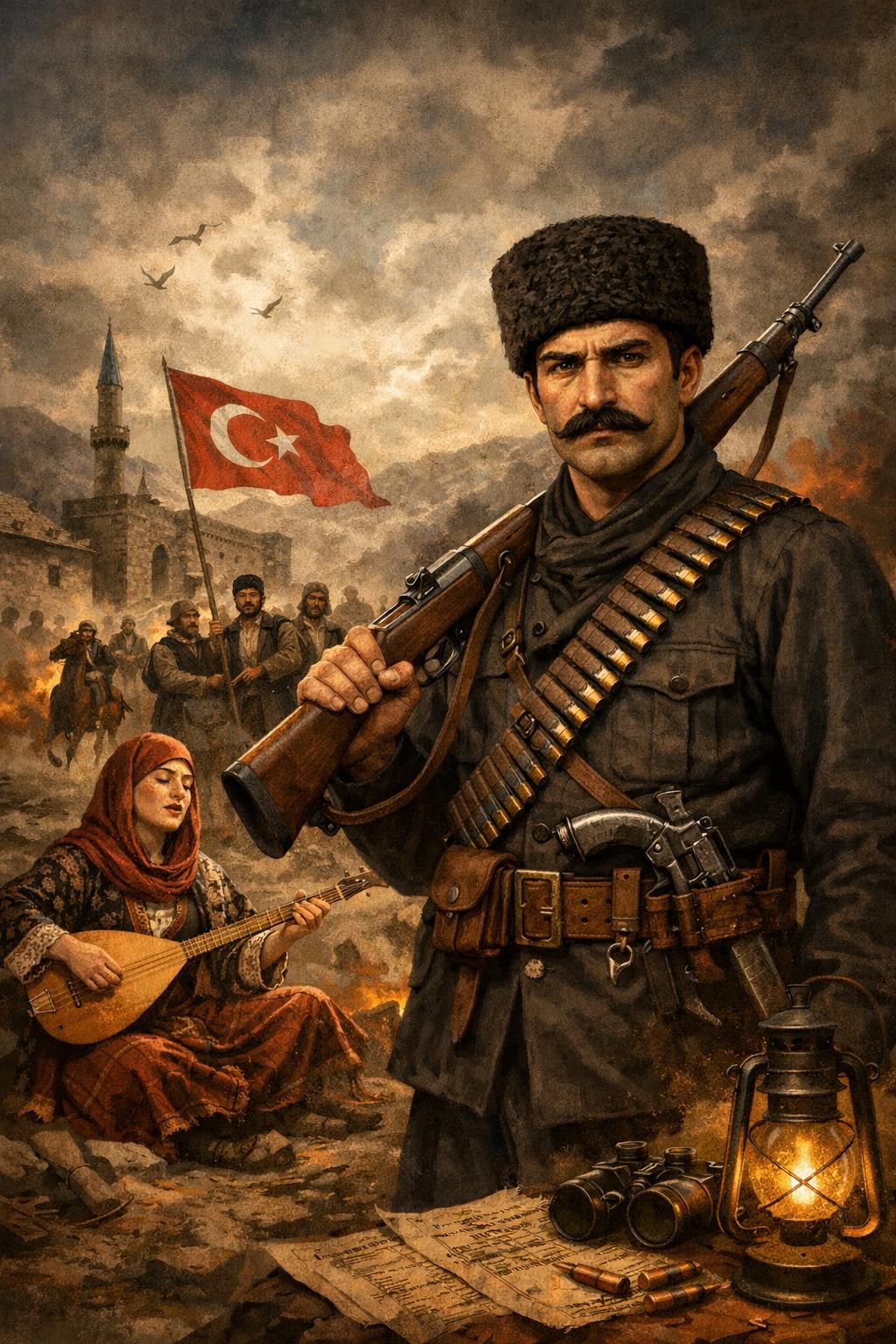
Eşref Bey Türküsü
The ballad known as Eşref Bey Türküsü, which emerged around the murder case in Giresun that resulted in the death of Eşref Gedikali, is one of the examples in oral culture where laments sung at funerals gradually crystallized into the ballad form. Connection to the Event Eşref Bey Türküsü is directly linked to the killing of Eşref Gedikali, who was born in the Piraziz district of Giresun and belonged to the Gedikalizade family【1】. Eşref Gedikali, who operated a hazelnut factory alongside his bro
EN
Ayşenur Doğan