+1 More

Birth | 1878 | ||||||||
|---|---|---|---|---|---|---|---|---|---|
Place of Birth | Afyonkarahisar | ||||||||
Mother(s) | Fatma Hanım | ||||||||
Father(s) | Şerşifoğlu Ahmed Efendi | ||||||||
Spouse(s) | Mefharet Hanım | ||||||||
Child | İstiklal Hanım | ||||||||
Education | Imperial School of Military Engineering (Mekteb-i Füsûn-u Harbiyye-i Şâhâne) Bursa Military High School (Bursa Askerî İdadisi) | ||||||||
Military Ranks and Promotions | Colonel (Miralay) – 1924 Lieutenant Colonel (Kaymakam) – 1915 Major – 1913 Captain – 1905 First Lieutenant (Mülâzım-ı Evvel) – ca. 1903 Second Lieutenant (Mülâzım-ı Sani) – 1898 | ||||||||
Regions of Service | Kiğı and Ayvalık Monastir (Bitola) Bitlis Van Baghdad (Bağdat) Istanbul Divriği Edirne Aydın Benghazi (Bingazi) Debar (Debre) Štip (İştip) Prilep (Pirlepe) Cuma-yı Bala Skopje (Üsküp) Kiğı and AyvalıkThessaloniki (Selanik) Monastir (Bitola) Bitlis Van Baghdad (Bağdat) Istanbul Divriği Edirne Aydın Benghazi (Bingazi) Debar (Debre) Štip (İştip) Prilep (Pirlepe) Cuma-yı Bala Skopje (Üsküp) Thessaloniki (Selanik) | ||||||||
Wars and Battlefronts | Ayvalık Front (1919) World War I (1914–1918) Balkan Wars (1912–1913) Italo-Turkish War (Trablusgarp War 1911) | ||||||||
Positions and Terms of Office | Minister of Transport 1939–1940 Minister of Public Works 1934–1939 President of the Ankara Independence Tribunal 1925–1927 Grand National Assembly of Türkiye (Deputy of Afyonkarahisar) 1920–1946 | ||||||||
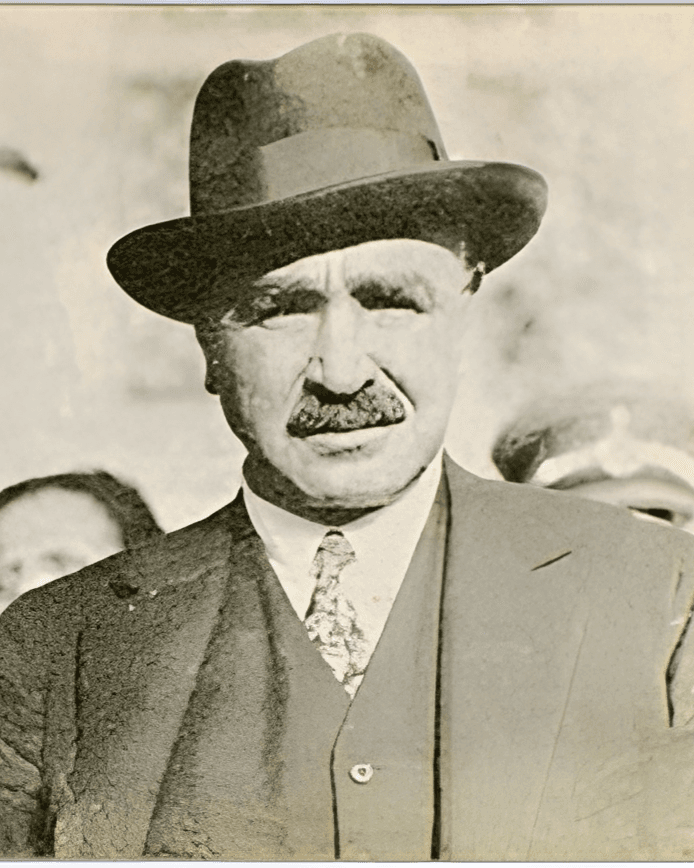
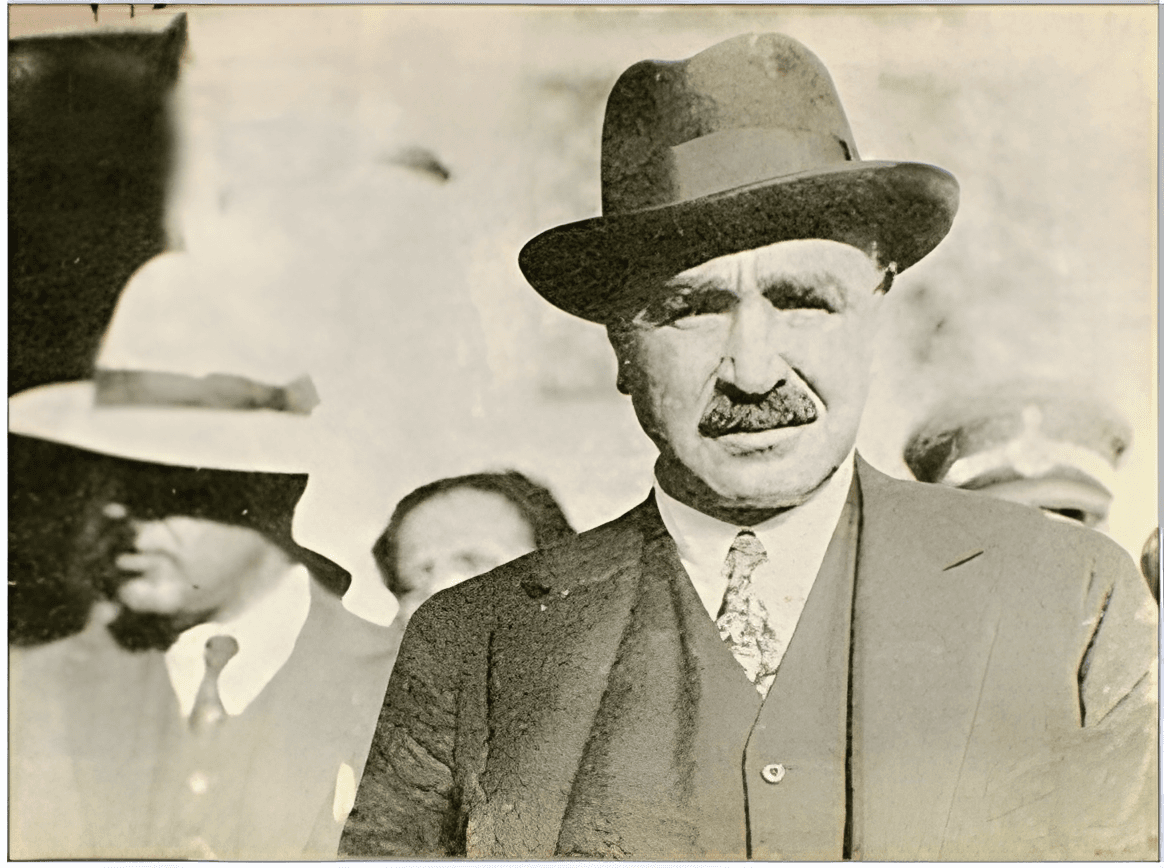
Ali Çetinkaya was born in 1878 in Afyonkarahisar as the son of Şerifzade Ahmet Bey. After completing his primary and secondary education in his hometown, he moved to Istanbul to pursue a military education. In 1896, he was admitted to the Ottoman Military Academy (Harbiye Mektebi) and graduated in 1898 with the rank of infantry second lieutenant (mülazım-ı sani).
Throughout his career, Çetinkaya rose steadily through the ranks: lieutenant (mülazım-ı evvel) in 1903, captain in 1905, major in 1913, lieutenant colonel (kaymakam) in 1915, and colonel (miralay) in 1924. He held command positions in various regions, including Thessaloniki, Skopje, Cuma-yı Bala, Debar, Prilep, Štip, Benghazi, Aydın, Edirne, Divriği, Van, Bitlis, Monastir, and Baghdad. In 1910, he also briefly served as the district governor (kaymakam) of Rakalar.
Çetinkaya took part in several major conflicts, including the Italo-Turkish War, the Balkan Wars, and World War I, assuming significant responsibilities through his military expertise. In 1918, he was appointed commander of a regiment stationed in Ayvalık, where he witnessed the Greek occupation of İzmir. On May 15, 1919, he led the first armed resistance against the Greek forces attempting to land at Ayvalık, marking a historic turning point in the Turkish War of Independence.
In 1919, Çetinkaya was elected as a deputy representing Karahisar-ı Sahip (Afyonkarahisar) in the last Ottoman Parliament. Following the occupation of Istanbul, he was arrested by the British and exiled to Malta. Released on October 25, 1921, he returned to Ankara and took his seat in the Turkish Grand National Assembly (TBMM) as a deputy for Afyonkarahisar. During the Republican era, he served as a deputy for seven consecutive terms, from the First Assembly (1920–1923) until 1946. Within parliament, he participated in several commissions, including National Defense, Education, Public Works, Health and Social Aid, and the Court of Accounts. Between 1925 and 1927, he presided over the Ankara Independence Tribunal (İstiklal Mahkemesi), where he oversaw critical judicial proceedings.
In 1934, Çetinkaya was appointed Minister of Public Works, during which period significant progress was made in the country’s infrastructure projects. In 1939, he became the first Minister of Transport, spearheading national investments in railways as well as road and maritime transport. His tenure was particularly noted for efforts to nationalize several foreign-owned enterprises.
Beyond his military and political career, Çetinkaya also contributed to cultural life. He wrote articles for Taşpınar, a journal published by the Afyonkarahisar People’s House (Halkevi). Furthermore, he translated Hans Kohn’s The Idea of Nationalism into Turkish, thereby making the work accessible to Turkish readers.
Although he ran for parliament again in the 1946 elections, he was not re-elected. After retiring from active politics, he lived a quiet life in Istanbul. He passed away on February 21, 1949, and his remains were transferred to Afyonkarahisar, where he was buried in a specially built memorial tomb in the Asri Cemetery. His memory continues to be honored with annual commemorative ceremonies.
Ali Çetinkaya’s contributions to the foundation of the Turkish Republic and his service in public office ensured that his name was memorialized across the country. Educational institutions, public buildings, and streets in various cities have been named in his honor. In Afyonkarahisar, the central railway station bears the name Ali Çetinkaya Station, while one of the main streets is named Ali Çetinkaya Avenue. These dedications, approved by administrative authorities, reflect his local and national historical significance. Under the 1934 Surname Law, Mustafa Kemal Atatürk personally granted him the surname Çetinkaya, symbolizing his determined armed resistance against the Greek forces at Ayvalık on May 15, 1919.
Afyonkarahisar Belediyesi. “Ali Çetinkaya.” Afyonkarahisar Belediyesi Web Sitesi. Erişim tarihi: Ağustos 2025. https://www.afyon.bel.tr/idet/94/107/ali-cetinkaya
Esenkaya, Ahmet. "Ali Çetinkaya (1878-1949)." Atatürk Ansiklopedisi. Erişim 5 Eylül 2025. https://ataturkansiklopedisi.gov.tr/detay/207/Ali_%C3%87etinkaya_(1878-1949).
Türkiye Büyük Millet Meclisi. I. Dönem Milletvekillerinin Özgeçmişleri 1920–1923. Ankara: TBMM Yayınları, 2020. Erişim 20 Haziran 2025. https://cdn.tbmm.gov.tr/TbmmWeb/Yayinlar/Dosya/9a9ef440-bbeb-409d-87ca-ddd3cdf5da65.pdf.

Birth | 1878 | ||||||||
|---|---|---|---|---|---|---|---|---|---|
Place of Birth | Afyonkarahisar | ||||||||
Mother(s) | Fatma Hanım | ||||||||
Father(s) | Şerşifoğlu Ahmed Efendi | ||||||||
Spouse(s) | Mefharet Hanım | ||||||||
Child | İstiklal Hanım | ||||||||
Education | Imperial School of Military Engineering (Mekteb-i Füsûn-u Harbiyye-i Şâhâne) Bursa Military High School (Bursa Askerî İdadisi) | ||||||||
Military Ranks and Promotions | Colonel (Miralay) – 1924 Lieutenant Colonel (Kaymakam) – 1915 Major – 1913 Captain – 1905 First Lieutenant (Mülâzım-ı Evvel) – ca. 1903 Second Lieutenant (Mülâzım-ı Sani) – 1898 | ||||||||
Regions of Service | Kiğı and Ayvalık Monastir (Bitola) Bitlis Van Baghdad (Bağdat) Istanbul Divriği Edirne Aydın Benghazi (Bingazi) Debar (Debre) Štip (İştip) Prilep (Pirlepe) Cuma-yı Bala Skopje (Üsküp) Kiğı and AyvalıkThessaloniki (Selanik) Monastir (Bitola) Bitlis Van Baghdad (Bağdat) Istanbul Divriği Edirne Aydın Benghazi (Bingazi) Debar (Debre) Štip (İştip) Prilep (Pirlepe) Cuma-yı Bala Skopje (Üsküp) Thessaloniki (Selanik) | ||||||||
Wars and Battlefronts | Ayvalık Front (1919) World War I (1914–1918) Balkan Wars (1912–1913) Italo-Turkish War (Trablusgarp War 1911) | ||||||||
Positions and Terms of Office | Minister of Transport 1939–1940 Minister of Public Works 1934–1939 President of the Ankara Independence Tribunal 1925–1927 Grand National Assembly of Türkiye (Deputy of Afyonkarahisar) 1920–1946 | ||||||||
Military Career and Frontline Experience
Political Career and Parliamentary Duties
Ministerial Posts and State Services
Cultural Engagements
Retirement and Death
Legacy and Remembrance
This article was created with the support of artificial intelligence.