


This article was automatically translated from the original Turkish version.
+1 More
Location | Niğde Türkiye | ||||||||
|---|---|---|---|---|---|---|---|---|---|
River | Tabakhane Çayı | ||||||||
Construction Year | 1964-1967 | ||||||||
Dam Type | Earth Fill | ||||||||
Height | 18 metres (from the thalweg) | ||||||||
Reservoir Volume | 6 million m³ (at normal water level) | ||||||||
Irrigation Area | 2,277 hectares | ||||||||
Primary Purpose | Agricultural Irrigation | ||||||||
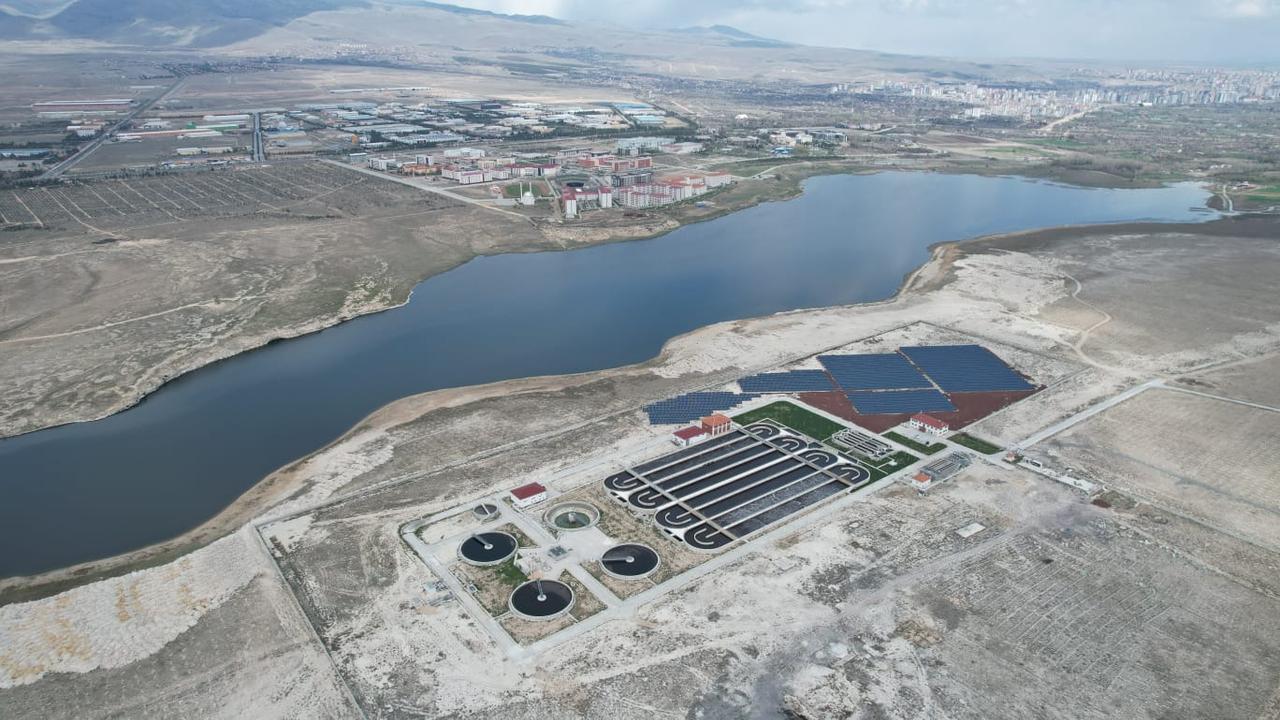
Akkaya Dam is an important water structure located within the boundaries of Niğde Province in Türkiye’s Central Anatolia Region. The dam is built on the Tabakhane Creek and was primarily constructed for agricultural irrigation. It is situated between the city of Niğde and the district of Bor and is also very close to the campus of Ömer Halisdemir University in Niğde.
Construction of the dam began in 1964 and was completed in 1967. Akkaya is an earth-fill dam with a maximum height of 18 metres at the talveg. At normal water level, the reservoir volume is 6 million cubic metres and the irrigated area has been designated as 2,277 hectares.
class=\
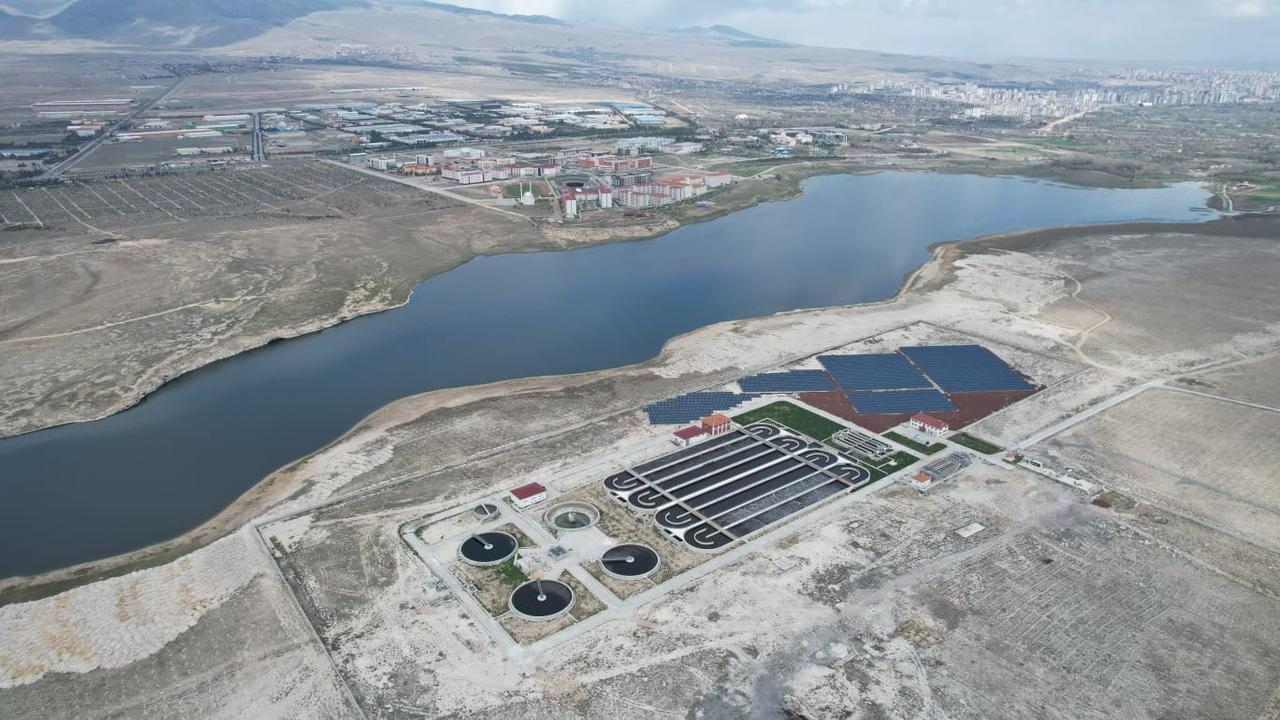
Akkaya Dam is located between the Bor Plain and the Niğde Plain, in the eastern part of the Ereğli Plain. The area is surrounded by Hasan Dağı and the Melendiz Mountains. The region around the dam is characterized by agricultural land, wetlands, and steppe ecosystems.
The Tabakhane Creek is the main source feeding the reservoir. However, the dam suffers from serious pollution problems due to industrial waste and untreated wastewater from settlements. The use of dam water for irrigating vineyards and gardens in the district of Bor poses a significant water quality issue.
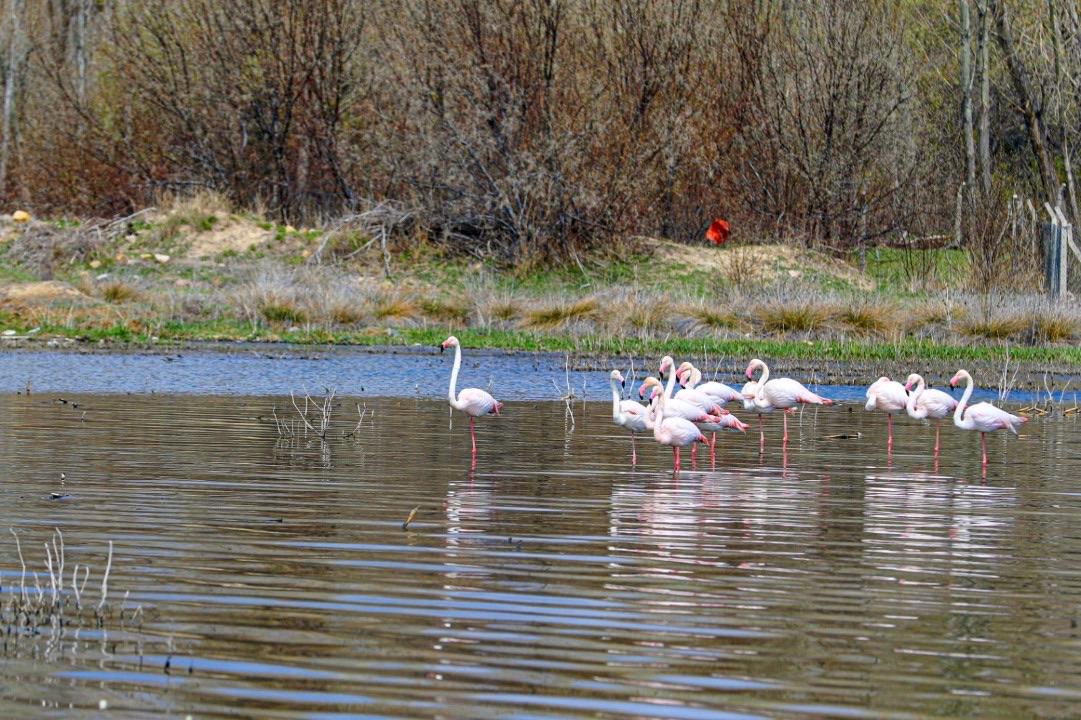
Akkaya Dam has been recognized as an Area of International Importance and was designated as a candidate site for the Ramsar Convention in 2005. The dam and its surroundings are listed as Important Bird Areas (IBA) and Important Natural Areas (INA).
The reservoir and its surrounding area host rich biodiversity. A total of 157 bird species have been recorded in the region, including 12 species threatened at a global scale. Some of these species include:
The aquatic ecosystem around the dam also provides habitat for several endemic and threatened fish and reptile species:
class=\
The effect of dams on regional climate, especially in arid regions, is an important subject of research. Climate change studies conducted on Akkaya Dam have shown that it has caused significant changes in the microclimatic structure of Niğde Province.
Comparing the periods 1950–1966 (pre-dam) and 1968–1984 (post-dam), the following changes have been observed:
These changes have led to the formation of a more humid and temperate microclimate around the dam. However, the reduction in wind speed has also resulted in some negative consequences, such as reduced air circulation, which may affect agricultural productivity.
Akkaya Dam faces serious environmental pollution problems. The most significant issue is the discharge of untreated industrial and sewage effluents into the reservoir. This situation degrades water quality and negatively impacts the local ecosystem.
The main environmental threats are:
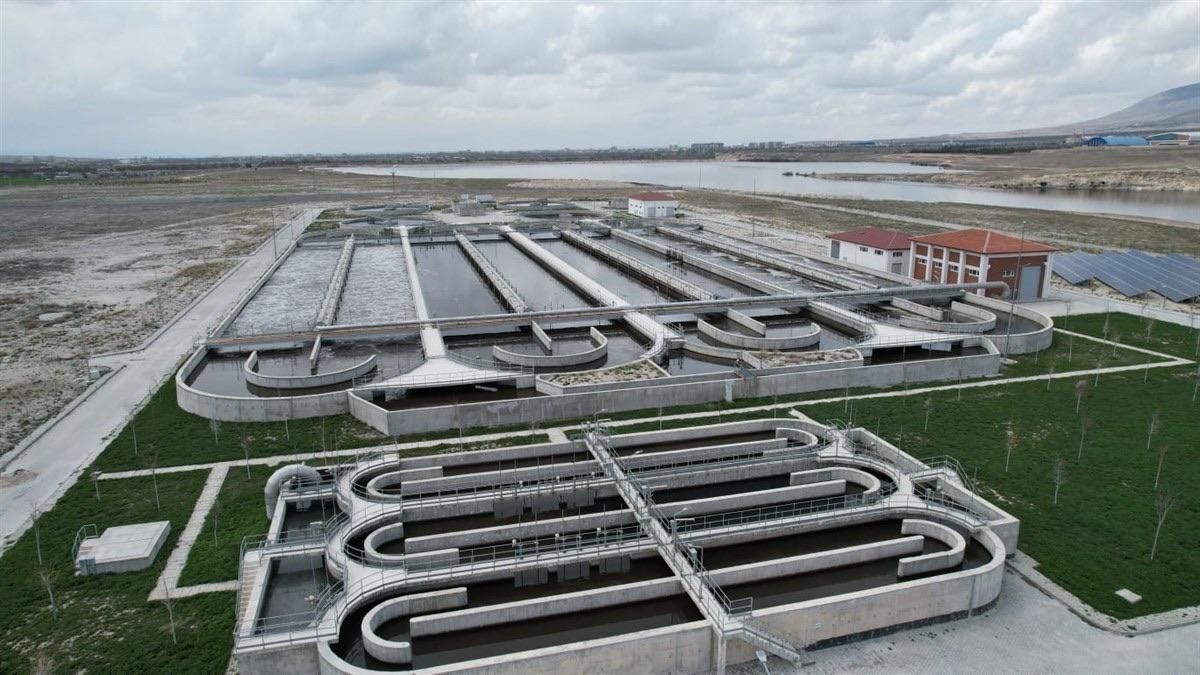
In recent years, the Niğde Municipality has implemented major projects to improve the environmental condition of the dam. The most important of these is the Advanced Biological Treatment Plant, completed in 2023. Thanks to this facility:
In addition, various nature conservation activities and bird observation projects have been organized to highlight the ecological importance of the area and promote tourism. The Niğde Governorship and local administrations are conducting environmental awareness campaigns around the dam.
class=\
Akkaya Dam is of great importance to Niğde in terms of water resources, agricultural production, and ecosystems. However, for many years it suffered from severe environmental pollution due to industrial and urban waste. Thanks to recent treatment and conservation efforts, the dam has once again become a center for natural life.
In the future, continuing ecological restoration, sustainable management of the dam, and increasing public environmental awareness are vital. Furthermore, more efficient water management strategies in agricultural irrigation must be adopted to reduce pressure on the dam’s ecosystem.
In this context, protecting Akkaya Dam and ensuring its ecological sustainability will be a long-term benefit for both the local population and nature.
Anadolu Ajansı. "Akkaya Barajı Gölü Flamingolara Ev Sahipliği Yapıyor." AA Haber, July 31, 2024. Accessed March 13, 2025.https://www.aa.com.tr/tr/yasam/akkaya-baraji-golu-flamingolara-ev-sahipligi-yapiyor/3290854
Arslan, Onur. "Akkaya Barajı'nın Niğde İli İklimine Etkisi." Ömer Halisdemir Üniversitesi Mühendislik Bilimleri Dergisi 6, no. 2 (2017): 627-633.
Niğde Belediyesi. "Akkaya Barajı Eski Günlerine Döndü." Niğde Belediyesi Resmi Web Sitesi, April 12, 2023. Accessed March 13, 2025.https://nigde.bel.tr/akkaya-baraji-eski-gunlerine-dondu
T.C. Kültür ve Turizm Bakanlığı. "Akkaya Barajı." Niğde İl Kültür ve Turizm Müdürlüğü. Accessed March 13, 2025.https://nigde.ktb.gov.tr/TR-223196/akkaya-baraji.html.

Location | Niğde Türkiye | ||||||||
|---|---|---|---|---|---|---|---|---|---|
River | Tabakhane Çayı | ||||||||
Construction Year | 1964-1967 | ||||||||
Dam Type | Earth Fill | ||||||||
Height | 18 metres (from the thalweg) | ||||||||
Reservoir Volume | 6 million m³ (at normal water level) | ||||||||
Irrigation Area | 2,277 hectares | ||||||||
Primary Purpose | Agricultural Irrigation | ||||||||
Geographical and Hydrological Characteristics
Ecological Importance and Biodiversity
Impact on Climate
Environmental Problems and Threats
Conservation and Restoration Efforts