

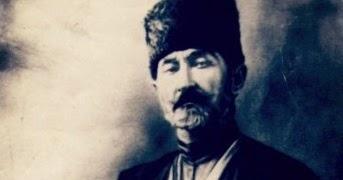

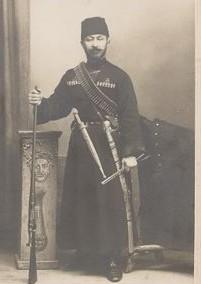
Place of Birth | Ipkaye Village, Biga, Ottoman Empire | ||||||||
|---|---|---|---|---|---|---|---|---|---|
Place and Date of Death | Karabiga, 1921 | ||||||||
Ethnic Origin | Adige (Circassian) | ||||||||
Positions Held | Gendarmerie Officer, Mutasarrıf | ||||||||
Political Activities | Rebellions against the Kuvâ-yi Milliye | ||||||||
Rebellion Dates | October–December 1919, February–April 1920 | ||||||||
Supporting Powers | Istanbul Government, British authorities | ||||||||
Notable Event | The killing of Edremit Kaymakam Hamdi Bey | ||||||||
Contribution to Turkish | The establishment of the term 'Anzavurluk' | ||||||||
Ahmet Anzavur was a former gendarmerie officer who served during the final period of the Ottoman Empire and one of the principal figures in the rebellions launched against the National Struggle. Born in the village of İpkaye, in the Biga district of Çanakkale, in the 1860s, Anzavur is best known for the rebellions he led between 1919 and 1920 against the Kuvâ-yi Milliye in Western Anatolia. His activities, backed by the British and closely linked to pro-Imperial Government and pro-sultan circles, earned him a prominent place in the history of the Turkish War of Independence due to his opposition to the Kuvâ-yi Milliye. He was killed in 1921.
Ahmet Anzavur belonged to the Ançok family, which arrived in Ottoman territories during the 1864 Circassian exile. He was born in the village of İpkaye in the Biga district of Çanakkale. Contemporary documents describe his physical appearance and emphasize his stubborn, oppressive, and showy personality.
Beginning his career at a young age in the gendarmerie, Anzavur rose in rank after his sister was taken into the palace as a concubine. He was appointed commander of the Gendarmerie Station in Makriköy (Bakırköy) and was rewarded with a mansion in Biga for his loyalty. However, due to allegations of corruption, he was exiled to Konya and later served in various other postings.
Following the Second Constitutional Era, he played a role in neutralizing Çakırcalı Mehmed Efe and was rewarded by the sultan for his actions in the Aydın region. This period is regarded as the beginning of his connections with the British.
Ahmet Anzavur was actively involved for a time in the Circassian Club in Beşiktaş and served on the Caucasian Front under the auspices of Teşkîlât-ı Mahsûsa. During World War I, he lived in Biga, engaged in horse breeding, and resumed active service with gendarmerie units after the war.
On 23 April 1919, he was appointed Mutasarrıf of the İzmit Sanjak and granted extensive powers. During this period, he began to be recognized for his activities against the Kuvâ-yi Milliye.
From the autumn of 1919, Ahmet Anzavur led rebellions in Anatolia, supported by the Imperial Government and the British, aimed at undermining the National Struggle. He founded the Cemiyet-i Ahmediye, organized in the region around Balıkesir, and established armed groups under the name Kuvâ-yi Muhammedî.
In the second half of 1920, Anzavur was active in the Kocaeli region, engaging in anti-Kuvâ-yi Milliye operations around Düzce and Geyve. After breaking his leg, he returned to Istanbul and later reentered Anatolia, attempting to establish new contacts through the British. However, in 1921, he was killed in an ambush set by local resistance fighters near Karabiga.
Atatürk Ansiklopedisi. "Ahmet Anzavur (?-1921)". Accessed June 30, 2025.
Nutuk - Mustafa Kemal Atatürk. "Anzavur’un Millî Cephelerimizi Arkadan Vurma Teşebbüsü." Harp Okulu Komutanlığı. Accessed June 30, 2025.
Place of Birth | Ipkaye Village, Biga, Ottoman Empire | ||||||||
|---|---|---|---|---|---|---|---|---|---|
Place and Date of Death | Karabiga, 1921 | ||||||||
Ethnic Origin | Adige (Circassian) | ||||||||
Positions Held | Gendarmerie Officer, Mutasarrıf | ||||||||
Political Activities | Rebellions against the Kuvâ-yi Milliye | ||||||||
Rebellion Dates | October–December 1919, February–April 1920 | ||||||||
Supporting Powers | Istanbul Government, British authorities | ||||||||
Notable Event | The killing of Edremit Kaymakam Hamdi Bey | ||||||||
Contribution to Turkish | The establishment of the term 'Anzavurluk' | ||||||||
Origins and Early Life
Appointments and Connection to Teşkîlât-ı Mahsûsa
Rebellions Against the Kuvâ-yi Milliye
Final Period and Death