


This article was automatically translated from the original Turkish version.
Africa elephant (Loxodonta africana) is recognized as the largest land mammal on Earth. These massive animals, which primarily inhabit the savanna, forest, and desert ecosystems of the African continent, hold significant biological and cultural importance. Recognized by their large size, broad ears, and long tusks, African elephants play a decisive role in maintaining ecosystem balance.
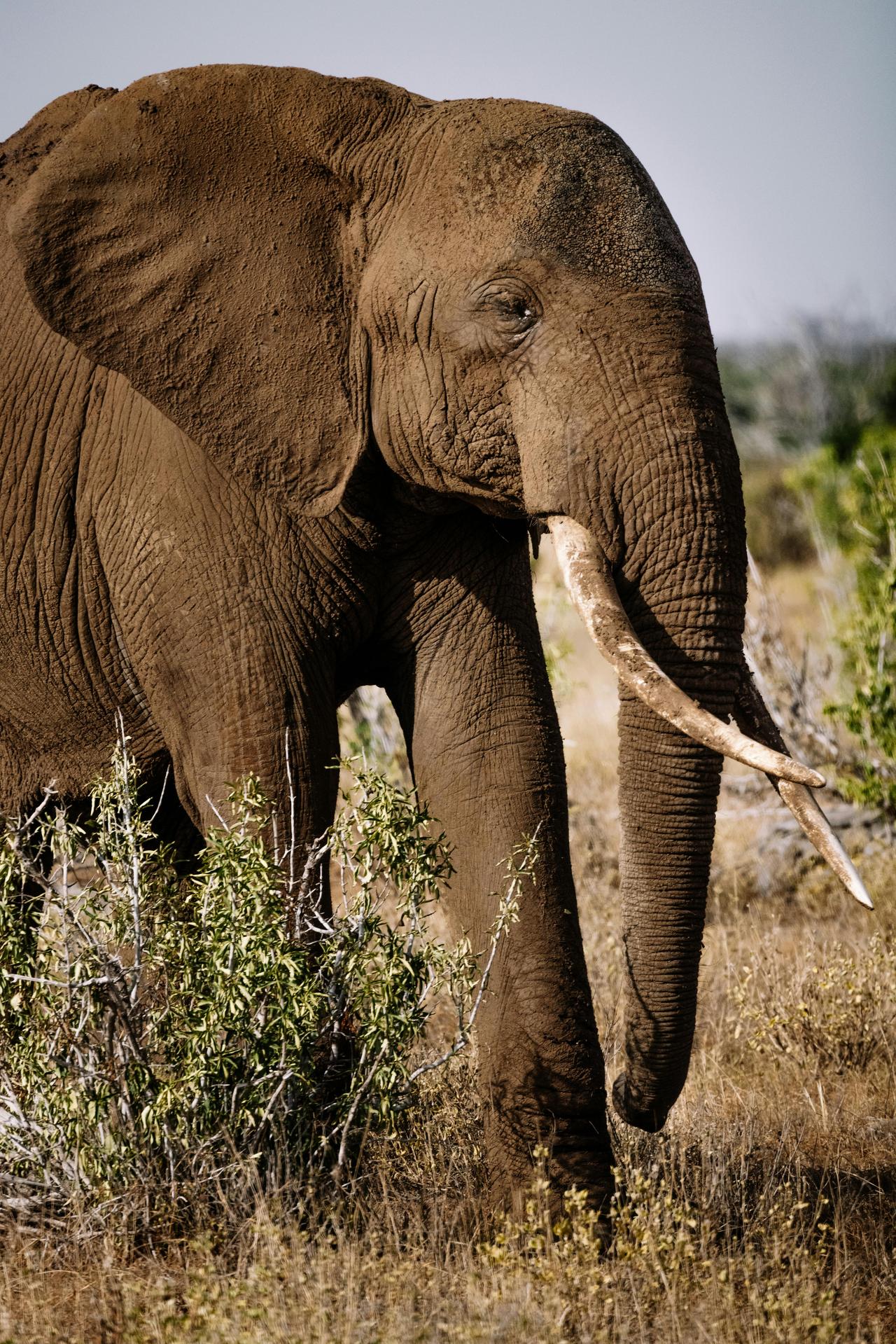
Afrika Fili -Loxodonta Africana (Pexels)
African elephants have evolutionary origins dating back approximately six million years to ancient elephant ancestors. Throughout history, they have been regarded as sacred and symbolic figures in indigenous African cultures. Particularly in ancient Egyptian civilization, artworks and inscriptions depicting elephants have been discovered. In modern times, African elephants have faced significant threats due to increasing human activities.
African elephants are distributed across wide areas of Sub-Saharan Africa. They have particularly large populations in countries such as Botswana, Tanzania, Kenya, and South Africa. They inhabit diverse habitats including savannas, forested areas, and wetlands.
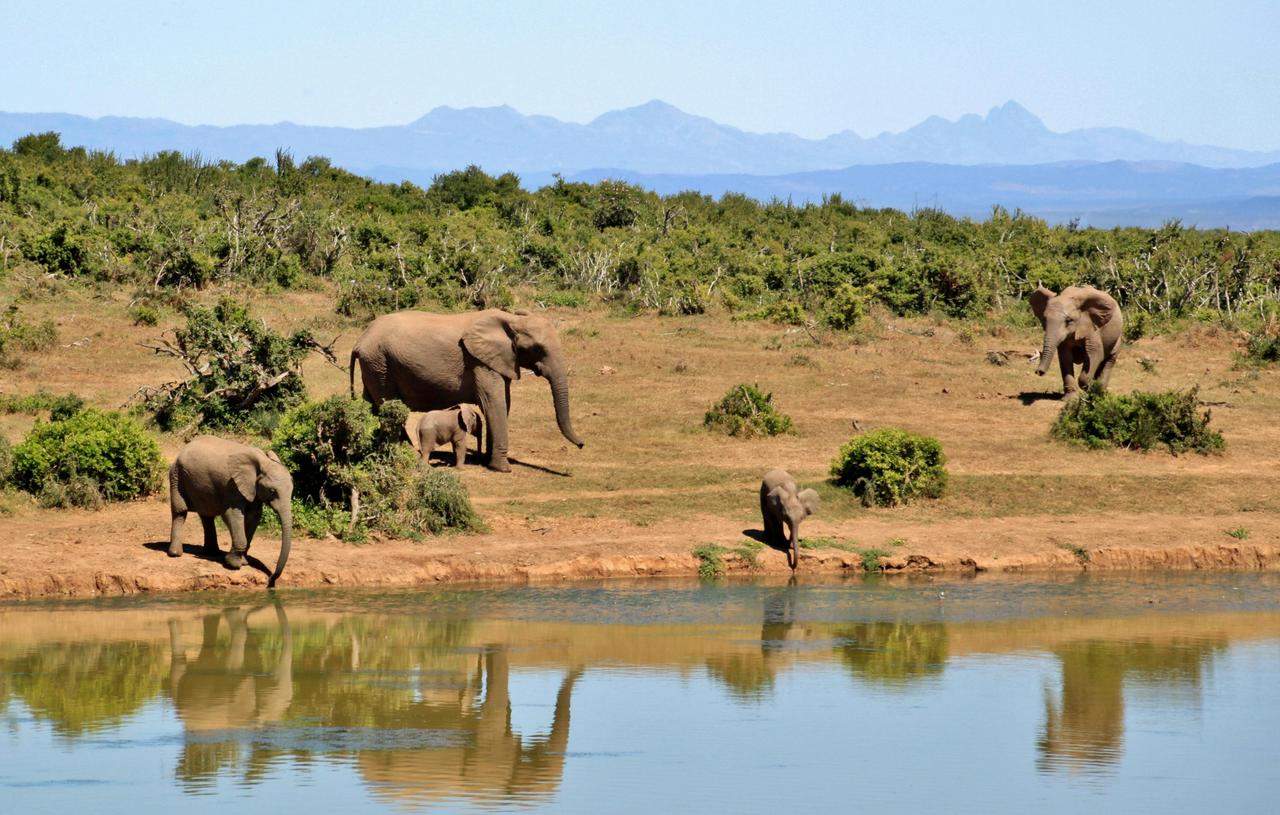
Afrika Fili ailesi (Pexels)
National Geographic. "African Elephant." Accessed May 4, 2025.https://www.nationalgeographic.com/animals/mammals/facts/african-elephant.
Odintsov, Roman. Photograph. Pexels. Accessed May 4, 2025.https://www.pexels.com/tr-tr/fotograf/safari-yaban-hayati-vahsi-yasam-memeli-11760851/
Pixabay. Photo. Pexels. Accessed May 4, 2025.https://www.pexels.com/tr-tr/fotograf/gunduz-suya-yakin-gri-filler-52717/
World Wildlife Fund (WWF). "Elephants." Accessed May 4, 2025.https://www.worldwildlife.org/species/elephant.

History
Biological Characteristics
Habitat and Distribution
Behavior and Social Structure
Threats and Conservation Status