

`african-elephant` Related Article Results
African Elephant
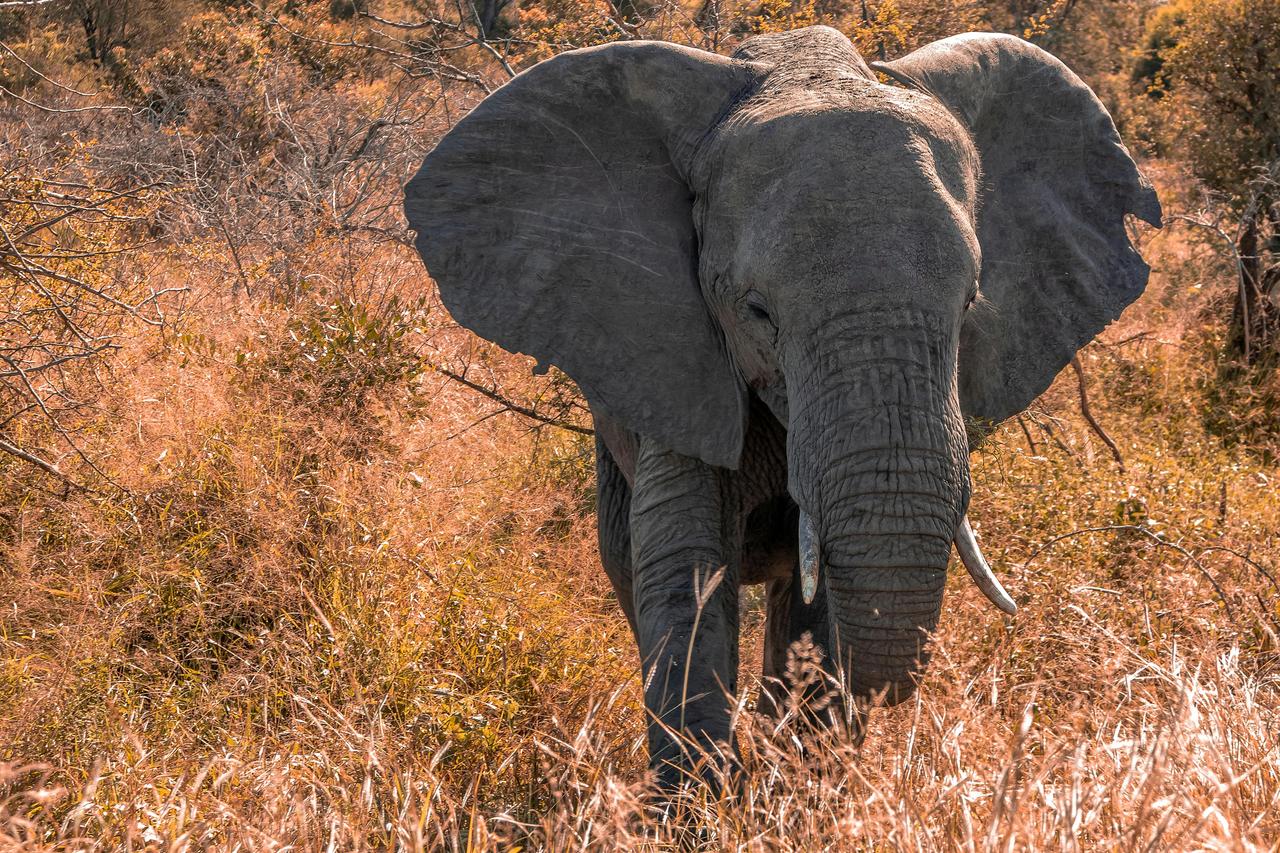
The African elephant (Loxodonta africana) is recognized as the largest land mammal on Earth. These massive creatures, which primarily inhabit the savanna, forest, and desert ecosystems of the African continent, hold significant biological and cultural importance. Recognized by their large size, broad ears, and long tusks, African elephants play a decisive role in maintaining ecosystem balance. African Elephant - Loxodonta africana (Pexels) " image-alternate="" image-element-format="right"> Hi
EN
Dilara Cihan
African Elephant
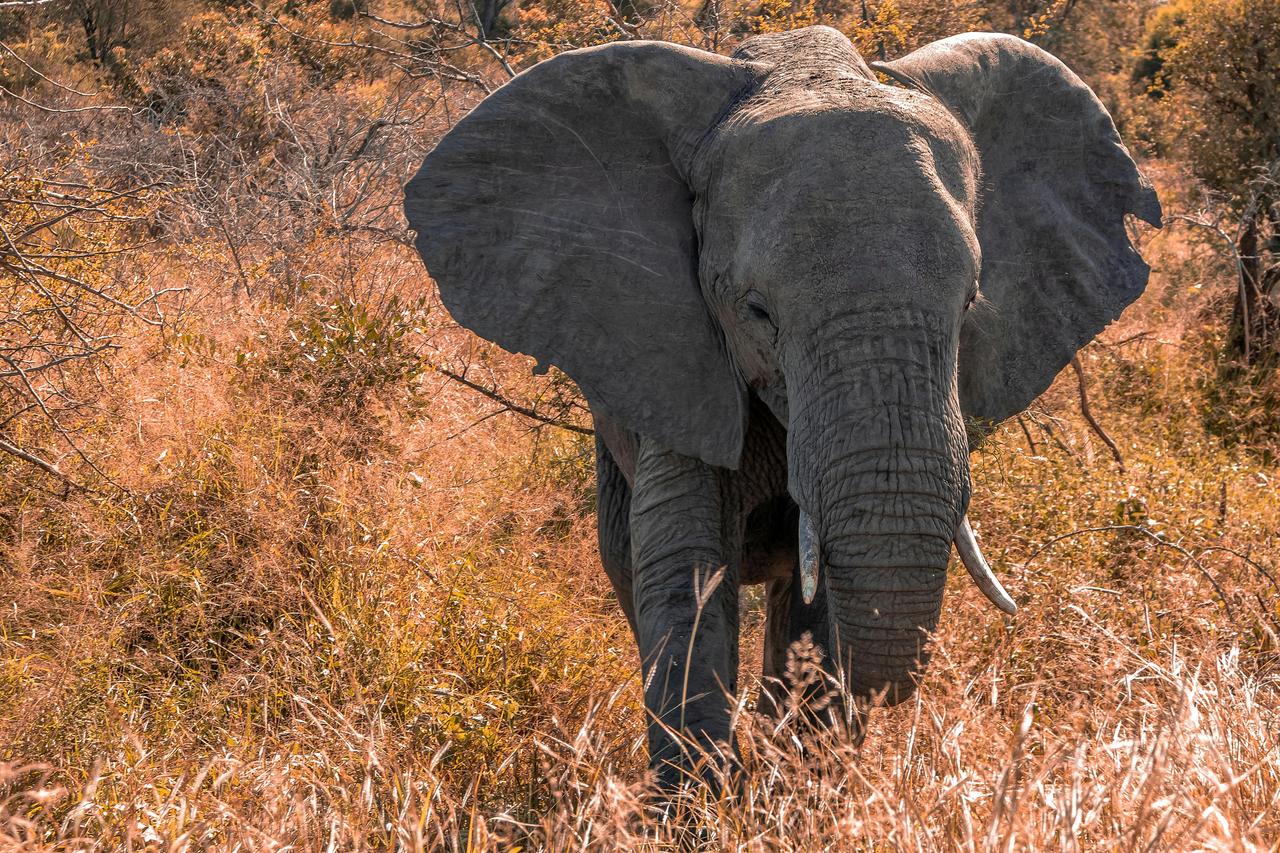
The African elephant (Loxodonta africana) is considered the largest land mammal on Earth. These massive creatures inhabit the savanna, forest, and desert ecosystems of the African continent and hold significant biological and cultural importance. Recognized by their large bodies, wide ears, and long tusks, African elephants play a crucial role in maintaining the balance of ecosystems. African Elephant-Loxodonta Africana (pexels.com) " image-element-format="right" image-source="https://cdn.t3pedi
EN
Dilara Cihan
African Elephant
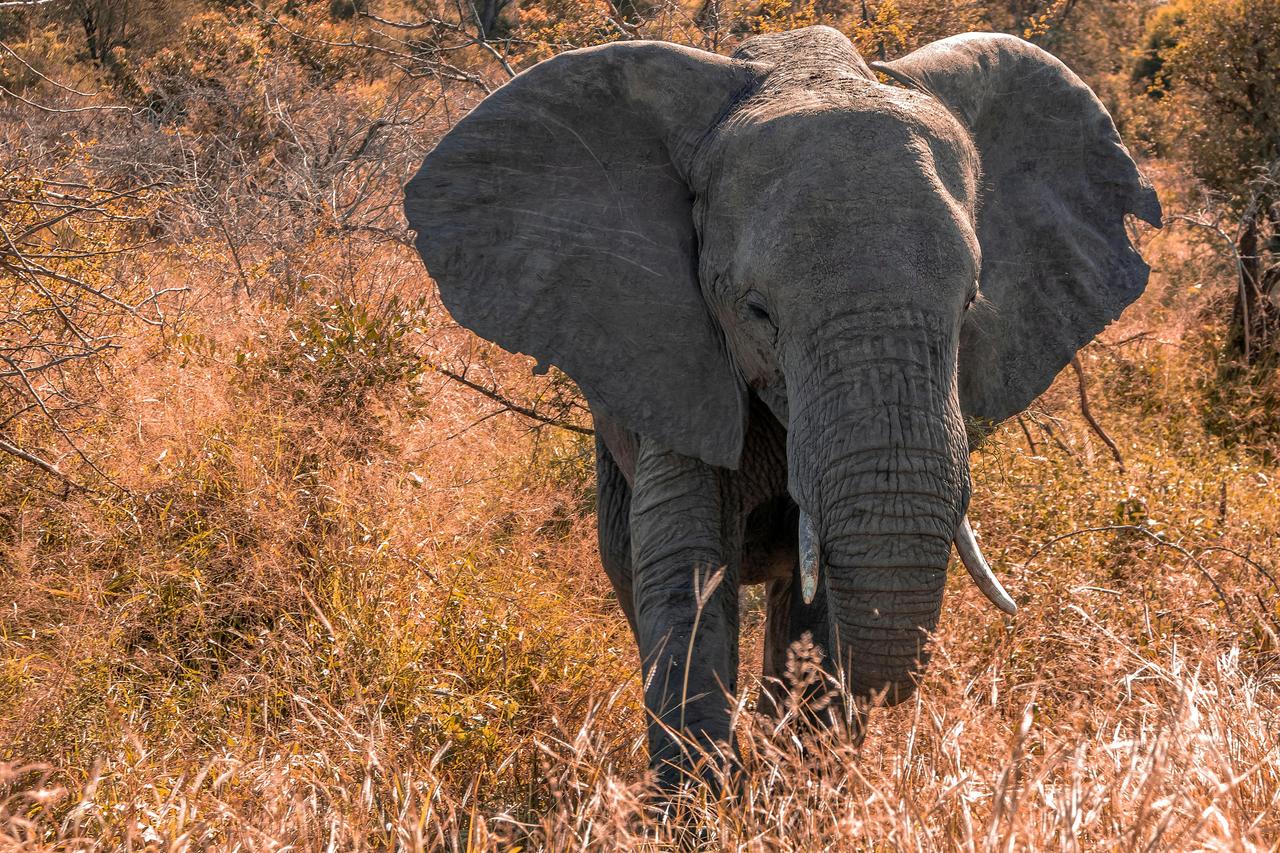
Africa elephant (Loxodonta africana) is recognized as the largest land mammal on Earth. These massive animals, which primarily inhabit the savanna, forest, and desert ecosystems of the African continent, hold significant biological and cultural importance. Recognized by their large size, broad ears, and long tusks, African elephants play a decisive role in maintaining ecosystem balance. History African elephants have evolutionary origins dating back approximately six million years to ancient ele
ENDilara Cihan