

+1 More

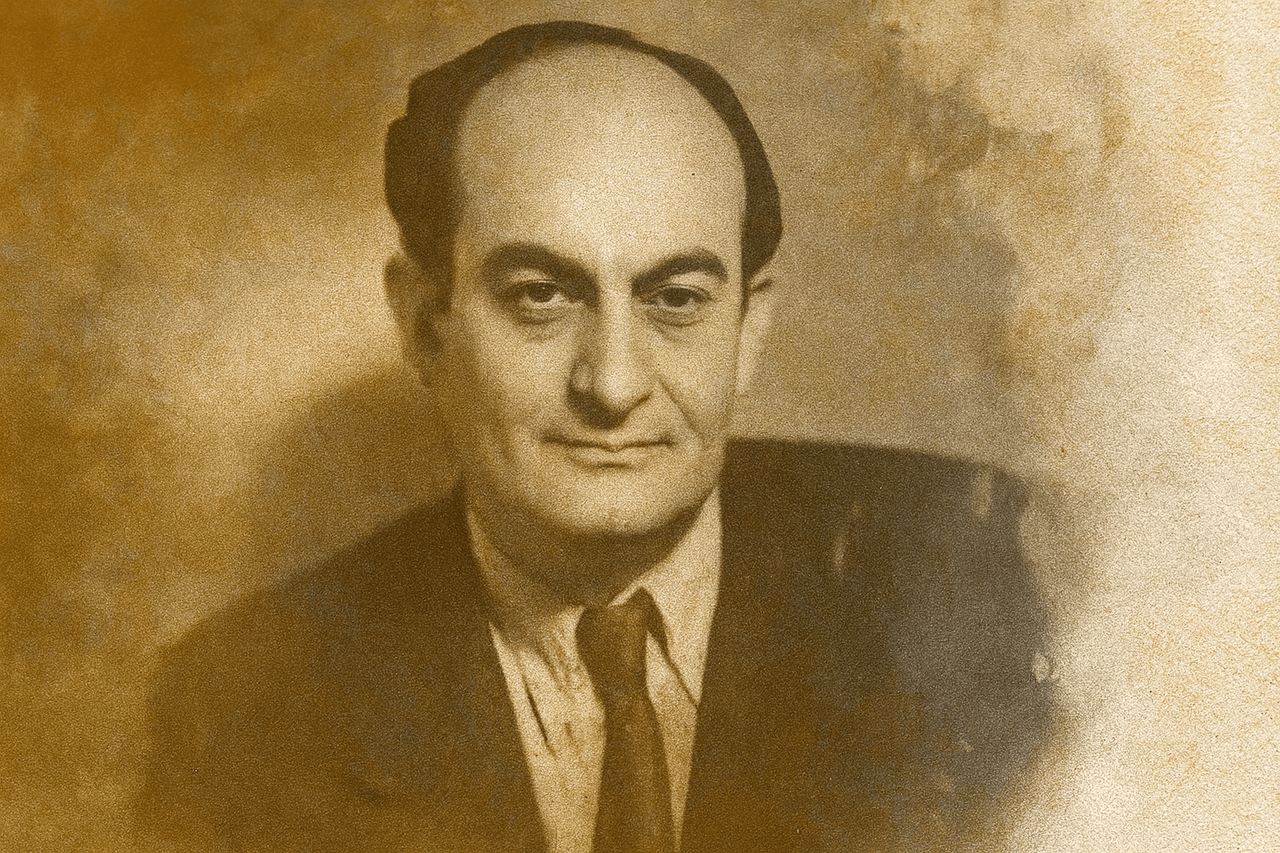
Adnan Cemgil
Birth | 1909, Istanbul | ||||||||
|---|---|---|---|---|---|---|---|---|---|
Death | 21 November 2001, Istanbul | ||||||||
Profession(s) | Teacher Translator Writer | ||||||||
Spouse(s) | Nazife Cemgil | ||||||||
Prominent Journals | Yurt ve Dünya, Ant, Görüşler | ||||||||
Political Affiliation | Turkish Workers' Party (Türkiye İşçi Partisi) | ||||||||
Major Works | Racial Issues Before Science, The Justice Drama Experienced by Nazım Hikmet... | ||||||||
Translation Languages | French | ||||||||
Areas of Influence | Anti-racism writings, Westernization, Atatürkist modernization | ||||||||
Adnan Cemgil was a figure in 20th-century Türkiye who worked as a teacher translator and writer and contributed to various intellectual and political publications. Born in Istanbul, Cemgil contributed to Türkiye’s modernization process from the founding of the Republic onward. He centered his life around the concept of intellectual responsibility through his anti-fascist publishing scientific translations and democratic stance. His unwavering advocacy of revolution science freedom and equality in line with Atatürk’s principles made him a significant figure in both the political movements and intellectual circles of his time.
Cemgil was born in 1909 in the Fatih district of Istanbul and witnessed the final years of the Ottoman Empire and the early years of the Republic. He lost his father at an early age and spent his childhood in poverty in Kızıltoprak. At the age of ten he was subjected to violence for participating in a protest against British occupation an experience that fostered his national resistance consciousness at a young age.
After completing his education at Kadıköy Mekteb-i Sultanisi and Kabataş High School Cemgil studied at the Philosophy Department of Darülfünun where he attended lectures by scholars who had fled Nazi Germany. It was during this period that he laid the intellectual foundations for his views against fascism and racism.
In the 1940s Cemgil established his intellectual identity in the public sphere through his involvement with the Ankara-based magazine Yurt ve Dünya which brought together left-leaning intellectuals. Through his writings in the magazine he took clear positions against racism fascism and dogmatism and emphasized his commitment to scientific rigor populism and revolutionism. Cemgil argued that “revolutionism is only possible through critique” and advocated integrating the liberal and scientific dimensions of Western civilization into Türkiye’s modernization project.
Cemgil and his associates faced political pressure following events such as the publication of the magazine Görüşler and the raid on Tan Matbaası which led to his removal from his teaching position. After the Democrat Party came to power in 1950 Cemgil was imprisoned for thirteen months for opposing the deployment of Turkish troops to Korea as a member of the Turkish Society for Peace. This period directly affected both his family life and professional career.
In the 1960s Cemgil returned to political activism by joining the Türkiye İşçi Partisi (Workers’ Party of Türkiye) and served in its leadership. He ran as a candidate in senate elections in Bursa and Zonguldak but was not elected. After his son was murdered in 1971 he withdrew completely from politics and devoted his life to writing and translation.
As an active member of the Translation Bureau established during Hasan Âli Yücel’s tenure Cemgil made significant contributions to Turkish intellectual life through nearly forty translations from French in the fields of philosophy sociology literature and history. He introduced numerous classical works from Plato to Diderot to the Turkish language.
Adnan Cemgil opposed racism and narrow ethnic nationalism and advocated a conception of nation influenced by Ziya Gökalp. For him nationalism could contribute to social welfare only when supported by revolutionism reason and science. In this way Cemgil portrayed himself as an Atatürkist intellectual who viewed critique as the cornerstone of revolutionism and placed great importance on lessons drawn from Western civilization.
In the final years of his life Cemgil distanced himself from politics and focused on translation and publishing activities establishing Evren Yayınları to produce encyclopedic publications. He died in Istanbul on 21 November 2001.
Aydınlı, Erkan. “Adnan Cemgil (1909–2001).” *Atatürk Ansiklopedisi*, February 22, 2024. https://ataturkansiklopedisi.gov.tr/detay/1332/Adnan-Cemgil-(1909-2001)

Adnan Cemgil
Birth | 1909, Istanbul | ||||||||
|---|---|---|---|---|---|---|---|---|---|
Death | 21 November 2001, Istanbul | ||||||||
Profession(s) | Teacher Translator Writer | ||||||||
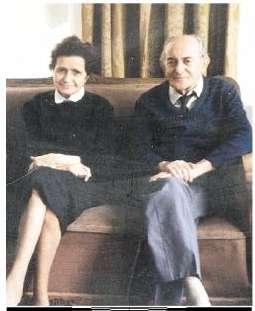
Spouse(s) | Nazife Cemgil | ||||||||
Prominent Journals | Yurt ve Dünya, Ant, Görüşler | ||||||||
Political Affiliation | Turkish Workers' Party (Türkiye İşçi Partisi) | ||||||||
Major Works | Racial Issues Before Science, The Justice Drama Experienced by Nazım Hikmet... | ||||||||
Translation Languages | French | ||||||||
Areas of Influence | Anti-racism writings, Westernization, Atatürkist modernization | ||||||||
Family Origins and Early Life
Educational Journey and Orientation Toward Philosophy
Magazines and the Pursuit of Enlightenment: Yurt ve Dünya Ant Görüşler
Political Activities and Repression
TİP and Later Years
Cultural Translations and the Intellectual Identity
Understanding of Nationalism and Modernization
Works and Compilations
Final Years and Death