

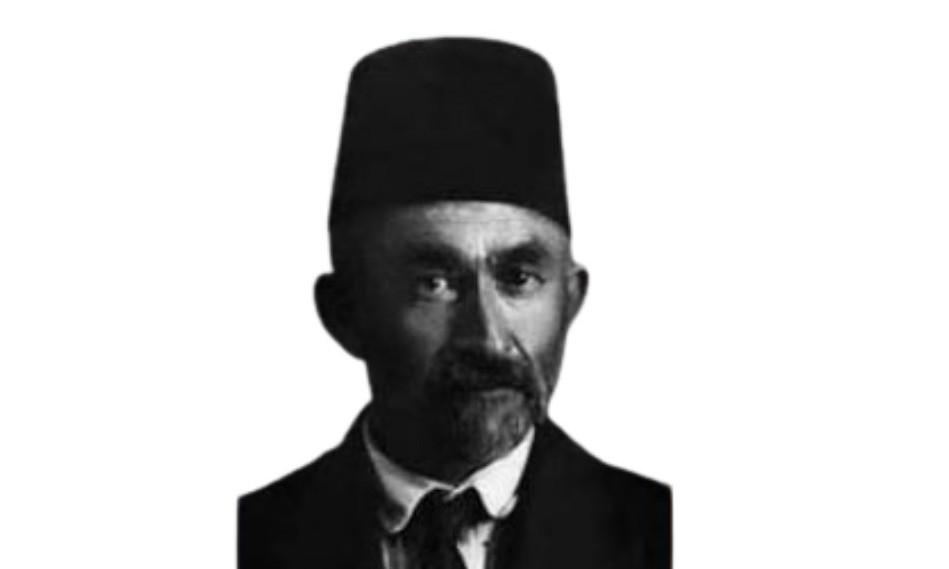

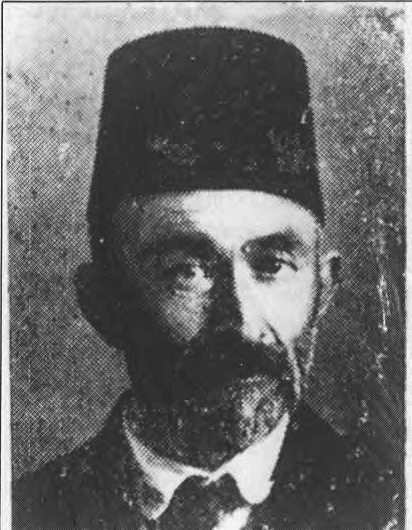
Abdurrahman Dursun (Yalvaç) Bey
Birth | 1873, Zile, Tokat | ||||||||
|---|---|---|---|---|---|---|---|---|---|
Death | 9 September 1948, Bursa | ||||||||
Profession(s) | Teacher politician educator | ||||||||
Graduation | Istanbul Male Teachers School (1903) | ||||||||
Political Office | Member of Parliament for Çorum, 1st Term of the TBMM | ||||||||
Congress Attended | Sivas Congress (1919) | ||||||||
Abdurrahman Dursun (Yalvaç) Bey, born in 1873 in the Zile district of Tokat, led a multifaceted life spanning teaching, politics, commerce, and education. He actively participated in the National Struggle, serving as a delegate to the Sivas Congress and later as a member of the 1st Term of the Grand National Assembly of Türkiye. He gained recognition for his critical views on education, internal security, and justice. After retirement, he returned to teaching and served again in the field of education in Sivas and Tokat. He passed away in Bursa on 9 September 1948.
Abdurrahman Dursun Bey was born in 1873 in the Zile district of Tokat, the son of Müderris Sofuzade Hüseyin Efendi and Ayşe Dudu Hanım. After completing his primary education in Zile, he began his studies at the Tokat Madrasa in 1888. Following his authorization from Müftü Osman Efendi, he enrolled in the Istanbul Male Teachers’ School and graduated in 1903.
In 1903, he began his professional career as a teacher of history and geography at the Çorum İdadisi. A year later, he taught French and agriculture. He served as a teacher and administrator in various educational institutions in cities including Erzurum, Amasya, Malatya, Bolu, Edirne, and Ankara. Notably, he held positions as head of the Erzurum Teachers’ School and as a teacher of literature and philosophy at the Ankara Sultanisi.
In 1919, Dursun Bey was one of two delegates representing Çorum at the Sivas Congress. Following the resignation of Dr. Atıf Bey, he assumed the seat of Çorum deputy in the Grand National Assembly of Türkiye, which opened on 23 April 1920. He was a member of the Second Group, formed by opposition deputies. He served on the commissions of National Education, Public Works, Health, and Guidance.
Dursun Bey strongly voiced his opinions on the Pontus issue, the practice of customary administration, and internal uprisings. He particularly opposed the declaration of martial law in Samsun and the advance laws. On education, he brought to the Assembly’s agenda the appointment of an unqualified individual as principal of the Çorum İdadisi. His proposal caused tension with Minister of Education Dr. Rıza Nur and ultimately led to his removal from office.
After the conclusion of parliamentary activities in 1923, he settled in Amasya and engaged in commerce. Between 1926 and 1927, he taught psychology and teaching methods at the Sivas Girls’ Teachers’ School. In 1931, he served as a teacher of history and geography at Tokat Middle School. He retired on 1 April 1933. After the Surname Law, he adopted the surname “Yalvaç.”
In his retirement years, he moved to Bursa. Known for his interest in books and ancient manuscripts, Dursun Bey frequently spent time in libraries. He passed away in Bursa on 9 September 1948. He was the father of five children: three sons and two daughters.
Türkiye Büyük Millet Meclisi Tutanakları. Accessed [insert date if provided]. https://www5.tbmm.gov.tr/develop/owa/td_v2_istatistik.tutanak_hazirla?v_meclis=&v_donem=&v_yasama_yili=&v_cilt=&v_birlesim=&v_sayfa=&v_anabaslik=&v_altbaslik=&v_mv=DURSUN%20BEY%20(ABDURRAHMAN%20DURSUN%20YALVA%C7)&v_sb=&v_ozet=&v_kelime=&v_bastarih=&v_bittarih=
Yıldırım, Hatice. “Abdurrahman Dursun (Yalvaç) Bey (1873-1948).” *Atatürk Ansiklopedisi*, January 16, 2025. https://ataturkansiklopedisi.gov.tr/detay/1471/Abdurrahman-Dursun-(Yalva%C3%A7)-Bey-(1873-1948)
Abdurrahman Dursun (Yalvaç) Bey
Birth | 1873, Zile, Tokat | ||||||||
|---|---|---|---|---|---|---|---|---|---|
Death | 9 September 1948, Bursa | ||||||||
Profession(s) | Teacher politician educator | ||||||||
Graduation | Istanbul Male Teachers School (1903) | ||||||||
Political Office | Member of Parliament for Çorum, 1st Term of the TBMM | ||||||||
Congress Attended | Sivas Congress (1919) | ||||||||
No Discussion Added Yet
Start discussion for "Abdurrahman Dursun (Yalvaç) Bey" article
Early Life and Education
Teaching Career
Political Contributions During the National Struggle
Assembly Activities and Criticisms
Post-Parliamentary Life and Return to Education
Final Years and Death