

`yerebatan-sarnici` ile İlgili Madde Sonuçları
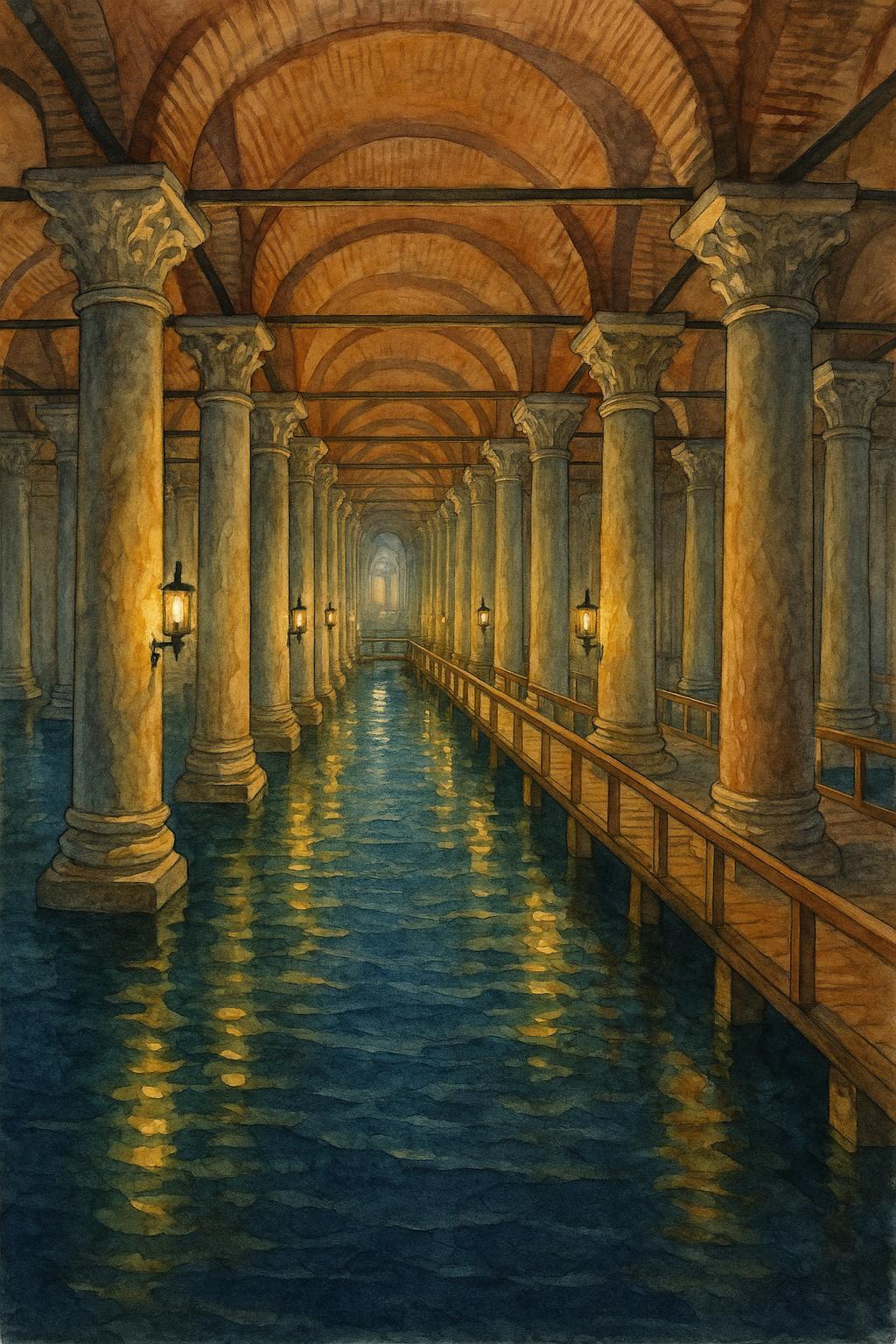
Where is the Yerebatan Sarnıcı?
The Underground Palace is one of Istanbul’s oldest structures. Located in the Historic Peninsula, right next to Hagia Sophia, in the Sultanahmet district, it appears from the outside as an ordinary building—but upon entering, you step into an entirely different world! This structure lies beneath the ground, which is why it is called “Yerebatan.” The History of the Yerebatan Sarnıcı The Yerebatan Sarnıcı was constructed in the 6th century by the Byzantine Emperor Justinian I. At that time, it ser
EN
Mustafa Cem İnci
Yerebatan Sarnıcı Nerededir?
Yerebatan Sarnıcı, İstanbul’un en eski yapılarından biridir. Tarihi Yarımada’da, Ayasofya’nın hemen yanında, Sultanahmet semtinde yer alır. Dışarıdan bakıldığında sıradan bir bina gibi görünse de içine girince bambaşka bir dünyayla karşılaşırsın! Bu yapı yerin altındadır; bu yüzden adına “Yerebatan” denmiştir. Yerebatan Sarnıcı’nın Tarihi Yerebatan Sarnıcı, Bizans İmparatoru I. Justinianus tarafından 6. yüzyılda yaptırılmıştır. O zamanlar İstanbul’un su ihtiyacını karşılamak için yer altı su dep
TRMustafa Cem İnci
 By
ByByzantine Architecture
Byzantine architecture is an architectural tradition that transformed both public and sacred spaces through structures imbued with technical skill and symbolic meaning, reflecting the cultural political and religious identity of the Eastern Roman Empire. This architectural style began to take shape after 330 CE when Emperor Constantine declared Constantinople (Istanbul) the imperial capital. Byzantine architects inherited the spatial organization and construction techniques of Roman architecture
EN
Esra Özkafa
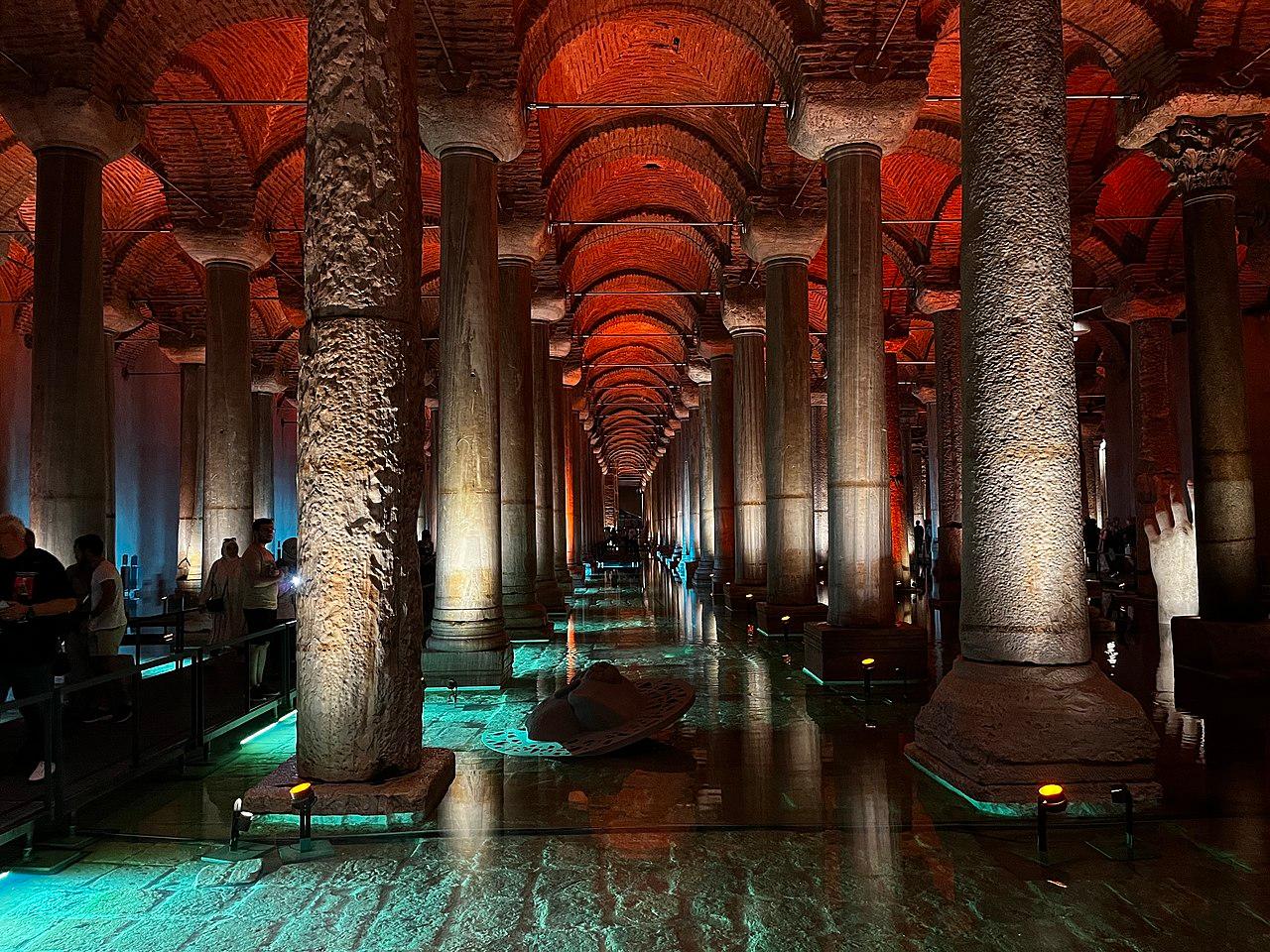
Yerebatan Sarnıcı
The Basilica Cistern is one of the structures that have survived from the Byzantine era to the present day. Located southwest of Hagia Sophia in the place area, this building was constructed by Emperor Justinian I (527–565) to meet the city’s water needs. Due to the columns rising from the water, it has been called the “Underground Palace” among people. Architectural Structure and Features The cistern is a rectangular structure measuring 140 metres in length and 70 metres in width. It contains 3
EN
Gökçe Aslan
ByByzantine Architecture
Byzantine architecture is an architectural tradition that transformed both public and sacred spaces through structures imbued with technical skill and symbolic meaning, reflecting the cultural, political, and religious identity of the Eastern Roman Empire. This architectural style began to take shape with the declaration of Constantinople (Istanbul) as the imperial capital in 330 by the Roman Emperor Constantine. Byzantine architects inherited the spatial organization and construction techniques
EN
Esra Özkafa
BiBizans Mimarisi
Bizans mimarisi, Doğu Roma İmparatorluğu’nun kültürel, siyasal ve dini kimliğini yansıtan, teknik beceri ve sembolik anlamlarla yüklü yapılar aracılığıyla hem kamusal hem de kutsal alanları dönüştüren bir mimari gelenektir. Bu mimari üslup, 330 yılında Roma İmparatoru Konstantin tarafından kurulan Konstantinopolis’in (İstanbul) imparatorluk başkenti ilan edilmesiyle birlikte belirginleşmeye başlamıştır. Roma mimarlığının mekânsal organizasyonu ve yapı tekniklerini miras alan Bizans mimarları, za
TREsra Özkafa