

`uskudar` ile İlgili Madde Sonuçları
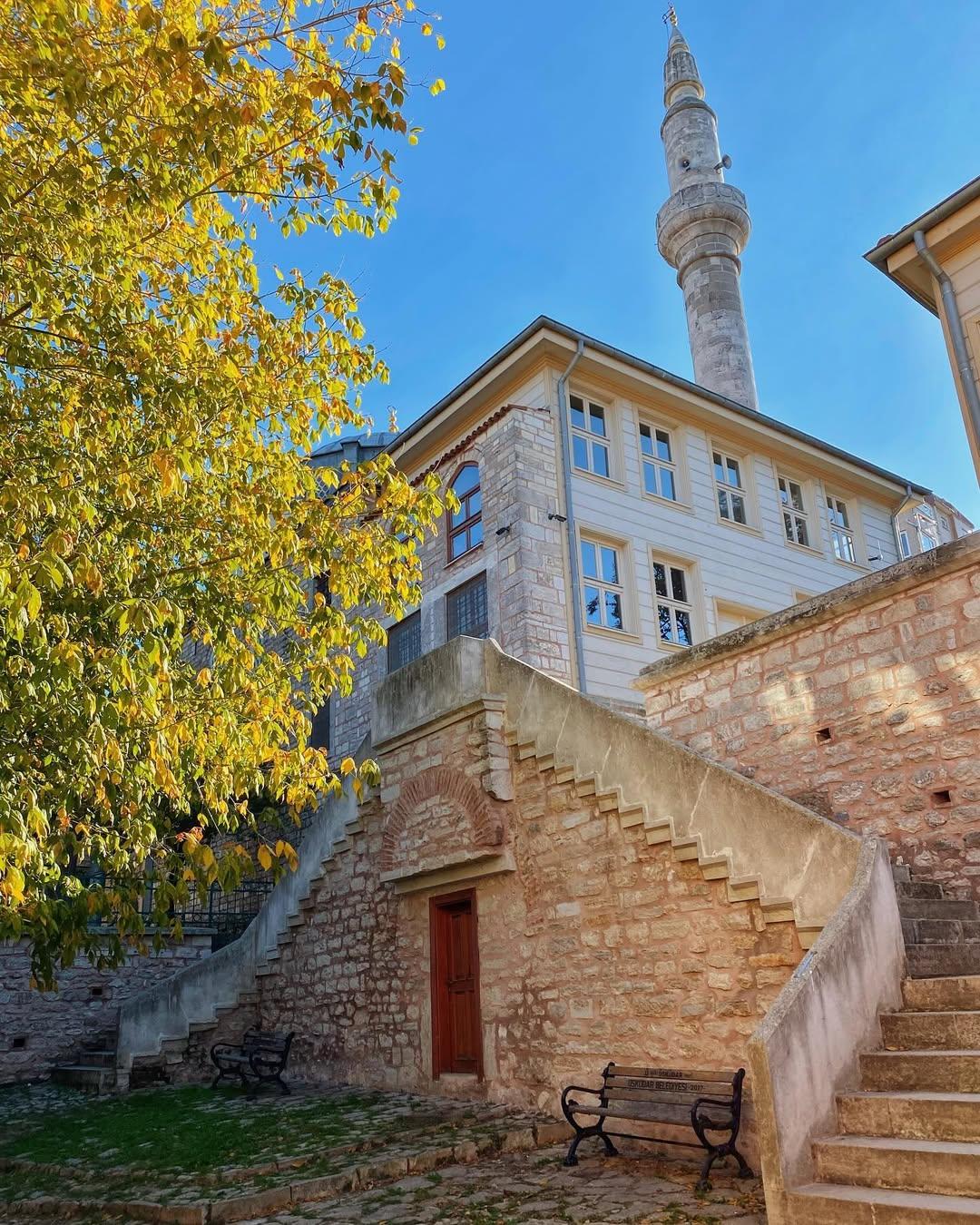
Kaptan Paşa Camii
The Kaptan Pasha Mosque is located at the intersection of Kaptanpaşa Street and Aziz Mahmut Efendi Street in the Üsküdar district of Istanbul. It was originally built in 1499 by Fakih Efendi as a small prayer hall. Over time, this initial structure evolved into a mosque and was rebuilt in its current form between 1728 and 1729 by Kaptan-ı Sea Kaymak Mustafa Paşa. However, in 1890, a fire destroyed much of the mosque, and it was repaired the same year by Helvacı Kızı Şerife Nefise Hanım. Kaptan P
EN
Sümeyra Uzun
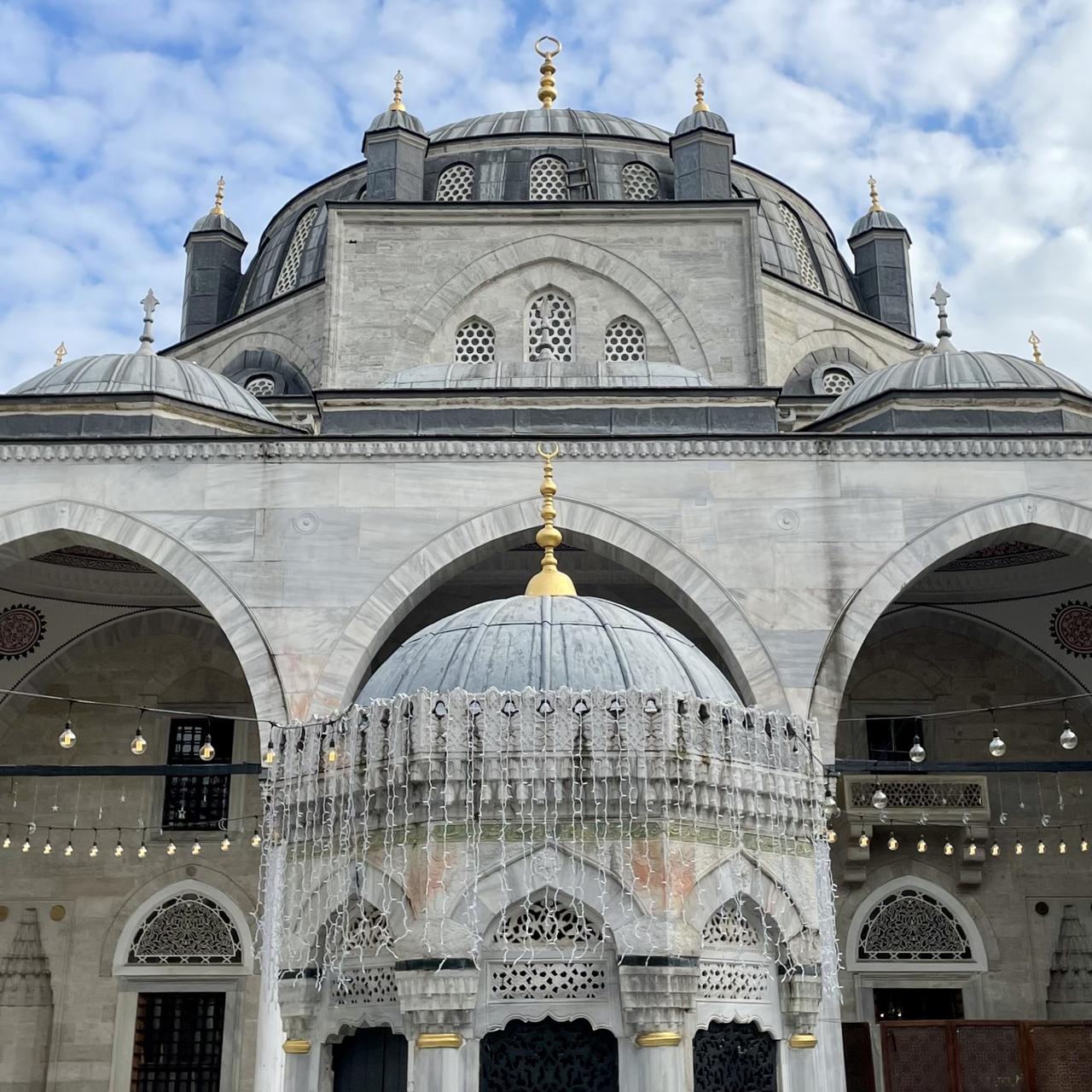
The Valide Sultans of Üsküdar
Üsküdar is a district of Istanbul unlike any other, distinguished by its steep slopes, fountains erected at nearly every street end, tombs, mosques, and the call to prayer still echoing across its squares. If you were to count the minarets you see from the moment you board the ferry at the waterfront until departure time, who knows how many centuries you would be witnessing… Before you stand the Mihrimah Sultan and Yeni Valide Camileri; beside them, Şemsi Paşa Mosque, also known as Kuşkonmaz
EN
Neriman Sena Külünk

Passed Üsküdar, which received the horse
Have you ever felt like you missed out on something? For example, when the best part of your favorite game ends, or when your friends start a game and finish it before you even arrive. The phrase "Atı alan Üsküdar'ı geçti" describes exactly such a situation. This expression means that an opportunity or a task has progressed too far to be reversed, and someone else has already seized it. But where does this interesting phrase come from? 🐴 Where Does It Come From? The origin of this saying is roo
EN
Nida Üstün
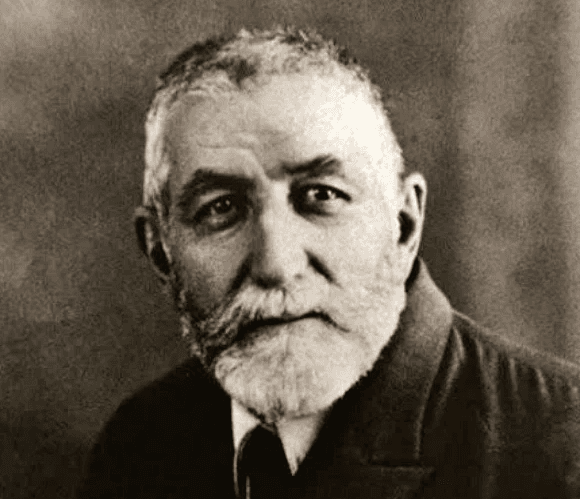
Hoca Ali Rıza
Hoca Ali Rıza (1858, Üsküdar – 20 March 1930, Üsküdar) was a Turkish painter of military origin who was active during the final years of the Ottoman Empire and the early years of the Republic, renowned especially for his landscapes and decorative works. His style, which reflected local and national elements, and his depictions of urban and natural scenes of Istanbul and its surroundings hold a significant place in the history of Turkish painting. Life and Education Hoca Ali Rıza was born in the
EN
Sümeyra Uzun
 Is
IsIstanbul
This is Istanbul What kind of city is it? Each day awakens with a new spring Each moment renews hopes that keep turning green This is Istanbul It has countless passengers at its stops—those rushing, those waiting, those in a hurry Some leave with their suitcases, while others greet a new beginning with excitement Some chase the metrobus to make it to school Others have someone waiting for them at home This is a great city, as I said—Istanbul... For example, the neighborhood called Üsküdar It has
EN
İrem Kırmıt
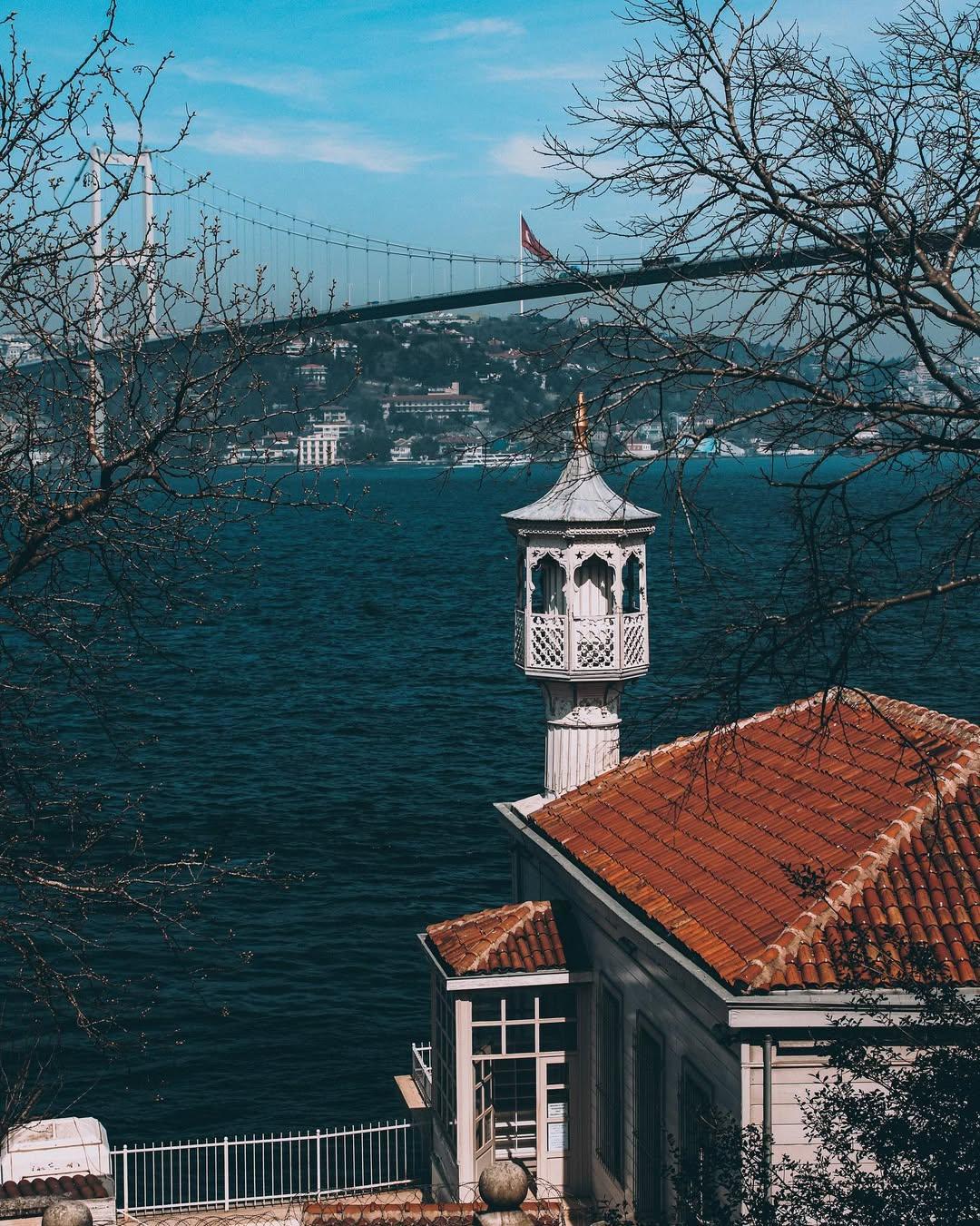
Üryanizade Ahmet Esat Efendi Cami
Üryanizade Ahmet Esat Efendi Cami is a historic mosque located in the Kuzguncuk neighborhood of the Üsküdar district in Istanbul, on Abdullahağa Street. It was built in 1860 by Üryanizade Ahmet Esat Efendi, a prominent figure of the era. There are accounts that the construction of the mosque was completed in just 40 days. Üryanizade Ahmet Esat Efendi Cami (PEXELS) " image-alternate="" image-element-format="right"> Construction Process and Architectural Features The mosque is a rectangular str
ENSümeyra Uzun
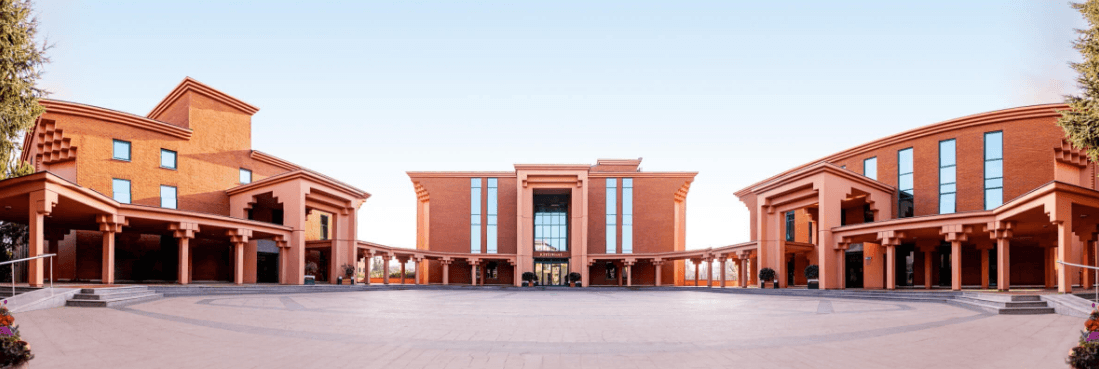
ISAM: The Türkiye Diyanet Foundation’s Center for Islamic Studies
The Center for Islamic Studies of the Turkish Religious Foundation (ISAM) is a well-established institution that conducts research within the framework of Islamic religious, historical, and civilizational principles. Its primary goal is to convey the historical and cultural heritage of Muslim societies to the contemporary academic world. Founded in 1983 under the auspices of the Turkish Religious Foundation, the General Directorate of the Islamic Encyclopedia paved the way for ISAM’s establishme
EN
Mehmet Salih Çoban
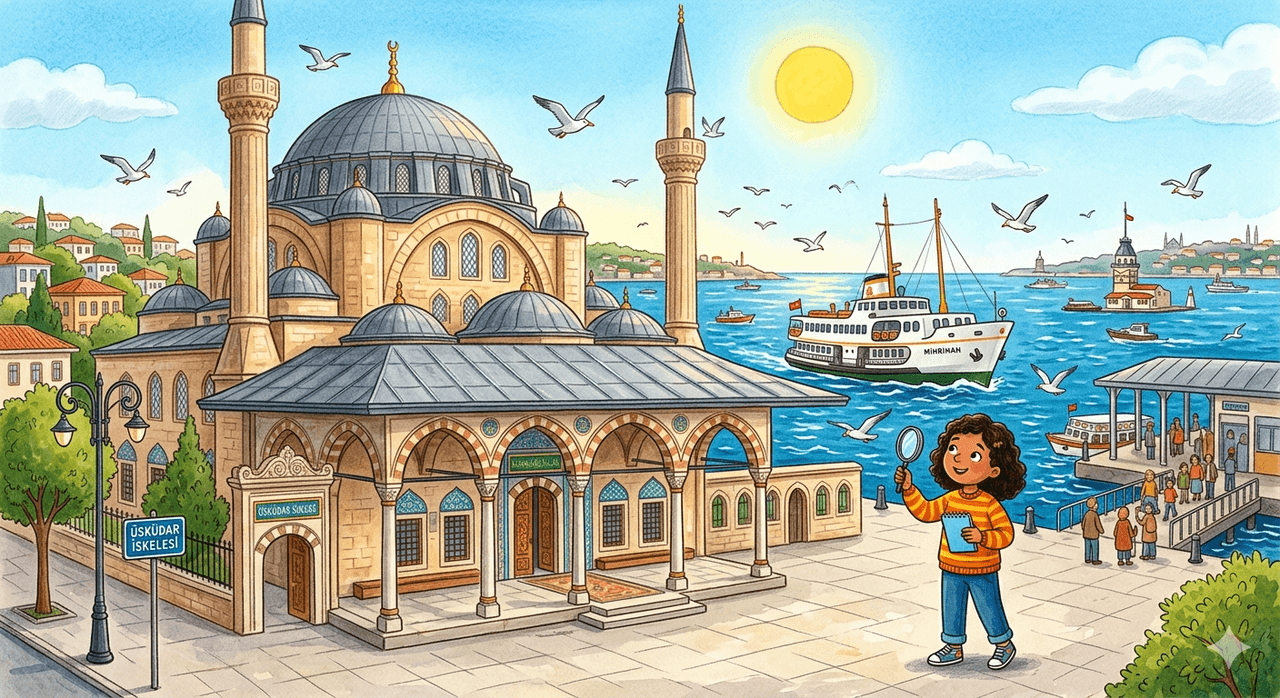
Üsküdar Mihrimah Sultan Cami
Üsküdar İskelesi’nin hemen karşısında, denize nazır duran bu güzel camiyi hiç gördün mü? Halk arasında "İskele Camii" olarak da bilinen bu yapı, sanki Boğaz’ın kıyısında bir güneş gibi parlar. Padişah Kanuni Sultan Süleyman’ın kızı Mihrimah Sultan tarafından yaptırılan bu cami, 470 yılı aşkın süredir orada bizi bekliyor. Bu Camiyi Kim Yaptı? Cami, dünya çapında meşhur mimarımız Mimar Sinan’ın İstanbul’daki ilk büyük eserlerinden biridir. Mihrimah Sultan, isminin anlamı "Güneş ve Ay" olan çok yar
TRSıla Gücüm
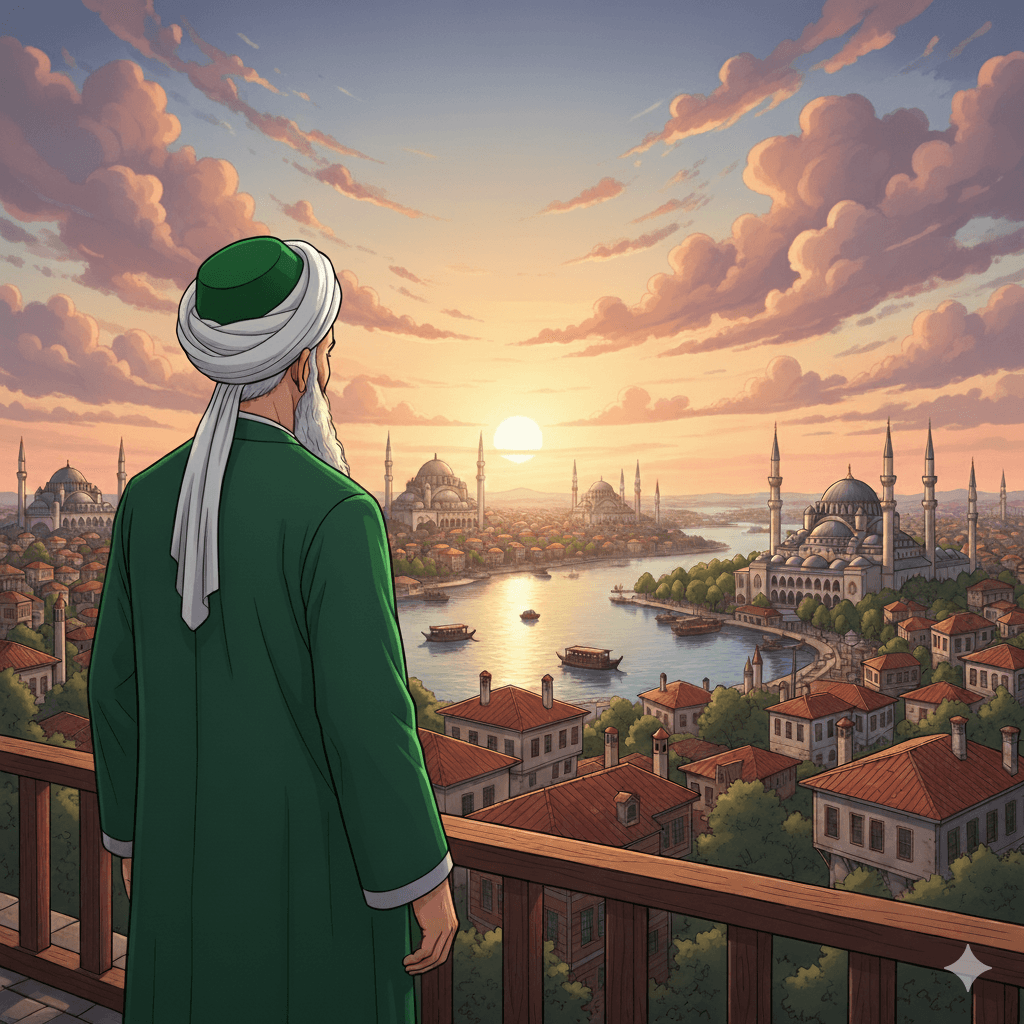
Aziz Mahmud Hüdâyî Hazretleri
Bir zamanlar Anadolu’nun bilge şehirlerinden biri olan Şereflikoçhisar’da, gönüllere ışık saçacak bir çocuk dünyaya geldi. Onun adı Aziz Mahmud Hüdâyî idi. Küçük yaşlardan itibaren hem bilgiyi hem de insanlara faydalı olmayı çok sevdi. Zamanla yalnızca çevresine değil, tüm Osmanlı coğrafyasına örnek olan bir bilge, şair ve mutasavvıf haline geldi. 🌱Doğumu ve Çocukluğu Aziz Mahmud Hüdâyî, 1541 yılında (Hicri 948) Konya yakınlarındaki Şereflikoçhisar’da doğdu. O, İslam Peygamberi Hz. Muhammed’in
TR
Nida Öztürkmen
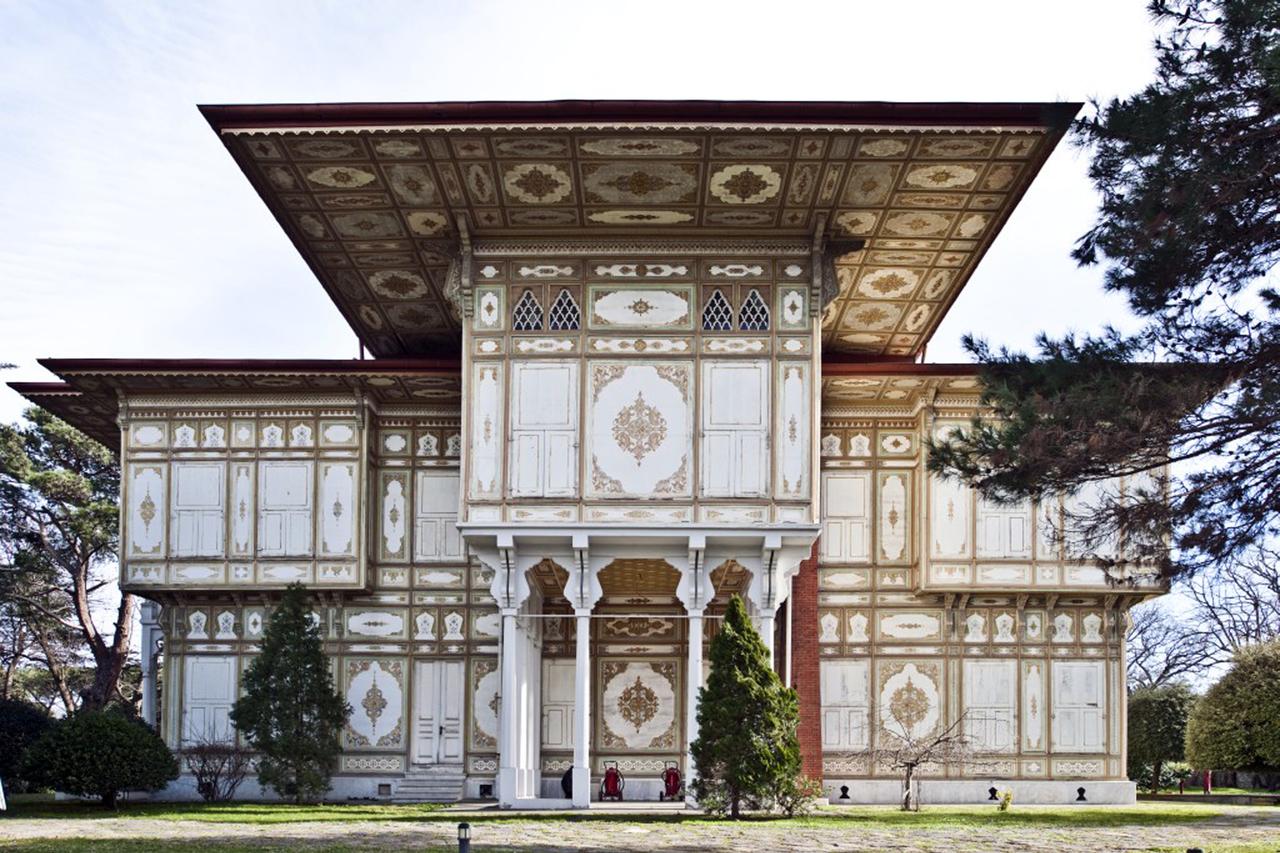
Abdülmecit Efendi Köşkü
Abdülmecid Efendi Köşkü, İstanbul’un Üsküdar ilçesinde yer alan Abdülmecid Efendi Korusu içinde, geç Osmanlı dönemine tarihlenen bir konut-selamlık yapısıdır. Köşk, 1880-1885 yılları arasında inşa edilmiş; 20. yüzyılın ilk çeyreğinden itibaren hem sanat ve edebiyat çevrelerinin buluşma mekânı hem de çeşitli toplantıların yapıldığı bir merkez olarak kullanılmıştır. Günümüzde köşk ve koru, Koç Topluluğu çatısı altındaki kurumlarca korunmakta ve sosyal/kültürel işlevlerle yaşatılmaktadır. Konum ve
TR
Yusuf Bilal Akkaya