

`urban-usta` ile İlgili Madde Sonuçları
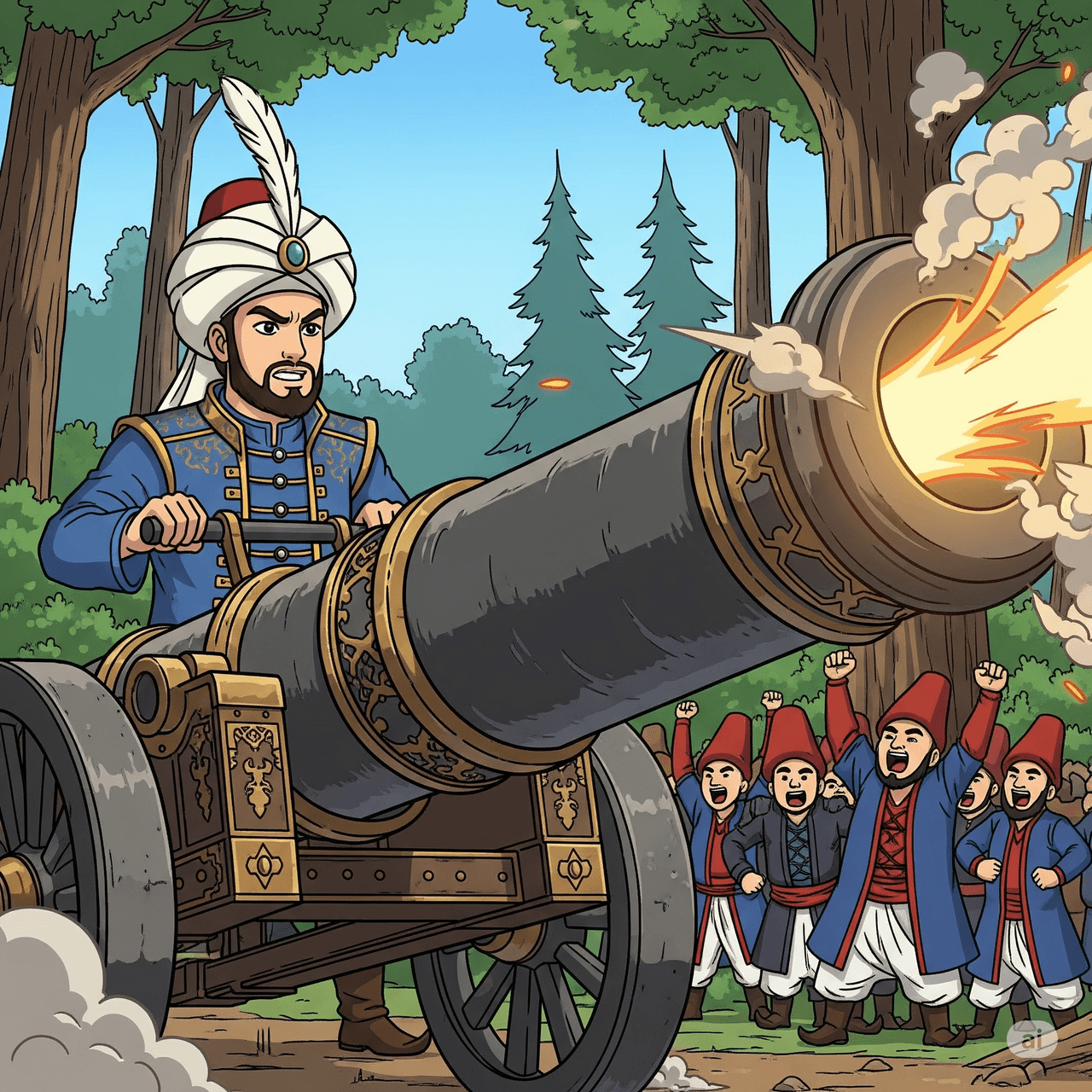
Şahi Topu: Surları Yıkan Dev
Şahi Topu, yüzlerce yıl önce, henüz 21 yaşında olan Padişah Fatih Sultan Mehmet tarafından İstanbul'un fethedilmesi için tasarlanmış, o güne kadar dünyanın gördüğü en büyük ve en güçlü savaş topudur. İsmi "padişaha ait, padişahın topu" anlamına gelen Şahi, sadece bir silah değil, aynı zamanda bir mühendislik ve teknoloji harikasıydı. Onun tek bir görevi vardı: Bin yıldır aşılamayan, efsanevi İstanbul surlarını yerle bir etmek. Genç Bir Sultanın Büyük Hayali Fatih Sultan Mehmet, İstanbul'u almayı
TR
Muhammet Emin Göksu
 Şâ
ŞâŞâhi Topları
Fatih Sultan Mehmet devrinde Osmanlı İmparatorluğu'nun askeri gücünde önemli bir rol oynayan Şâhi topları, 15. yüzyıl kuşatma harbinde kullanılan büyük çaplı, genellikle bronz döküm havan (bombard) tipi silahlardır. Bu toplar, özellikle İstanbul'un fethi sırasında surların yıkılmasındaki etkileriyle bilinirler ve dönemin topçuluk teknolojisindeki Osmanlı yeteneklerini sergilerler. Tarihsel Bağlam ve Gelişim Fatih Sultan Mehmet'in hükümdarlık dönemi (1451-1481), Osmanlı topçuluğunun kurumsallaştı
TR
Yunus Emre Yüce
ShShahi Cannons
During the reign of Fatih Sultan Mehmet, the Şâhi cannons, which played a significant role in the military power of the Ottoman Empire, were large-caliber, typically bronze-cast bombard-type weapons used in 15th-century siege warfare. These cannons are particularly known for their impact in breaching the walls of Constantinople during its conquest and demonstrate the Ottoman mastery of artillery technology of the period. Historical Context and Development Fatih Sultan Mehmet’s reign (1451–1481)
ENYunus Emre Yüce
ShShahi Cannons
Fatih Sultan Mehmet’s reign saw the Şâhi cannons play a significant role in the military power of the Ottoman Empire. These were large-caliber, typically bronze-cast bombard-type artillery pieces used in 15th-century siege warfare. They are particularly known for their role in breaching the walls of Istanbul during its conquest and demonstrate the Ottoman mastery of artillery technology of the era. Historical Context and Development The reign of Fatih Sultan Mehmet (1451–1481) marked the institu
ENYunus Emre Yüce