

`turku` ile İlgili Madde Sonuçları
 Yo
YoYoung Osman Ballad
"Genç Osman Türküsü" is a legendary folk ballad that recounts the heroism of a young warrior from Aksaray who fell martyr during the Ottoman campaign to Baghdad in the 17th century. The lyrics and story of the ballad have been preserved in various versions across different regions of Anatolia. The Story of Genç Osman Osman was born in 1621 in the village of Dorikini in Aksaray. He lost his father at a young age and was raised by his mother. He excelled in wrestling archery and swordsmanship and
EN
Eyüp Ecmel Acat
HaHalil Ibrahim (Folk Song)
Halil İbrahim Türküsü is a folk music piece composed by Dursun Ali Akınet, inspired by the life story of Halil İbrahim, who was born in 1931 in the Fatsa district of Ordu. Early Life and Personal Characteristics Halil İbrahim was born in 1931 in the Fatsa district of Ordu. He earned his living by repairing clocks and gramophones in Fatsa and was described by those around him as someone who paid close attention to his appearance, was clean, meticulous and honest. He married a woman known as “Çola
EN
Yahya B. Keskin

Musa Eroğlu
Musa Eroğlu (b. 1944, Kumaçukuru Village, Mut, Mersin) is one of the contemporary representatives of Turkish folk music tradition. Official records list his birth year as 1946. He was raised within the Alevi belief and cultural environment and is of Tahtacı Turkmen origin. Eroğlu, who does not write poetry but knows hundreds of folk songs by heart, aims to become the voice of the people through “usta malı” songs and also serves as a source contributor in the TRT repertoire. Eroğlu, who received
EN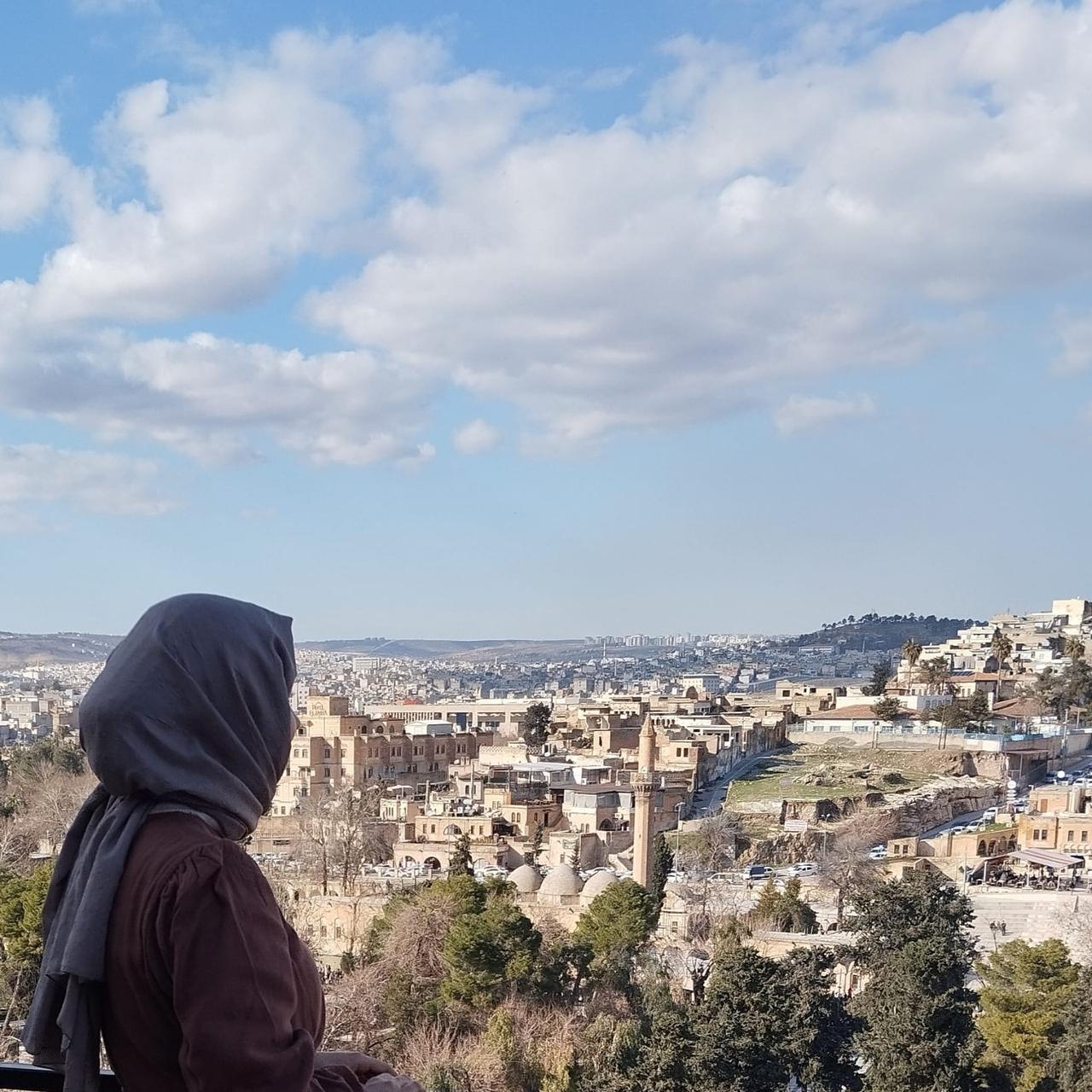
Sevgi Kıraç
Acem Kızı Türküsü
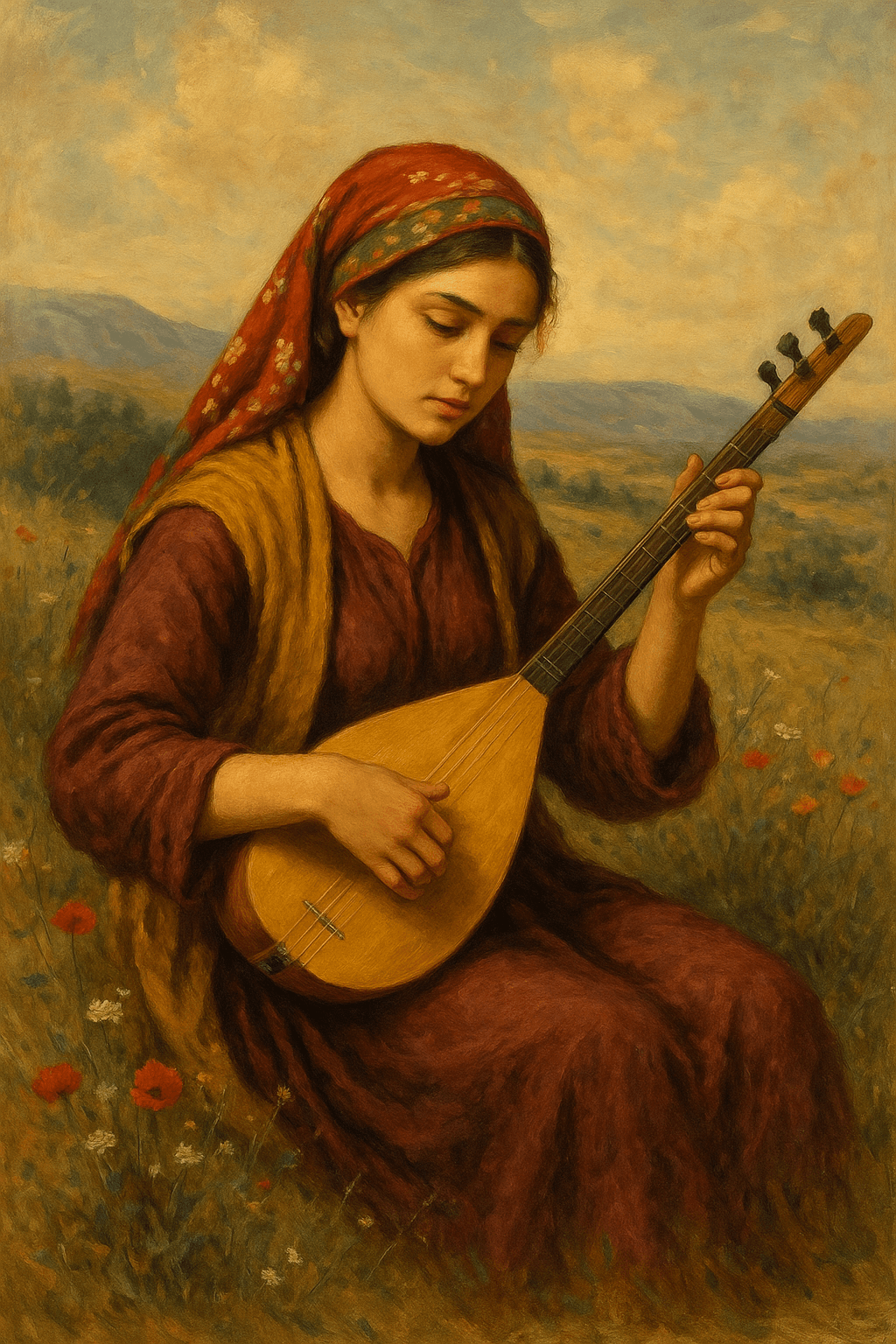
“Acem Kızı” is a Turkish folk song transmitted orally across generations in Central Anatolia and Çukurova regions, characterized by its lyrics, melody, and narrative layers. From the second half of the 20th century onward, it reached wide audiences primarily through radio and vinyl records, becoming embedded in public memory, and was formally registered in the TRT repertoire as originating from the Kırşehir region. However, differing accounts have emerged regarding the song’s origin context, its
EN
Burak Enes
EkEklemedir Koca Konak (Folk Song)
"Eklemedir Koca Konak" is a folk song from the Aydın region and holds an important place in the oral cultural heritage of Anatolia. It is an anonymous folk song whose title derives from a reference to an ornate mansion described as being "built with additions." The song is widely known in the areas of Aydın and Denizli and combines both architectural and romantic narratives. Story There are multiple versions of the song’s narrative. One of the most widespread recounts the tale of a nobleman who
EN
Nurten Yalçın
YoYoung Osman Ballad
Genç Osman Türküsü is an epic folk ballad that recounts the heroism of a young warrior from Aksaray who fell martyr during the Baghdad Campaign conducted by the Ottoman Empire in the 17th century. The lyrics and story of the ballad have been preserved in various versions across different regions of Anatolia. The Story of Genç Osman Born in 1621 in the village of Dorikini in Aksaray, Osman lost his father at a young age and was raised by his mother. He excelled in wrestling, archery, and swordsma
EN
Eyüp Ecmel Acat
Beş Minare (Folk Song) in Bitlis
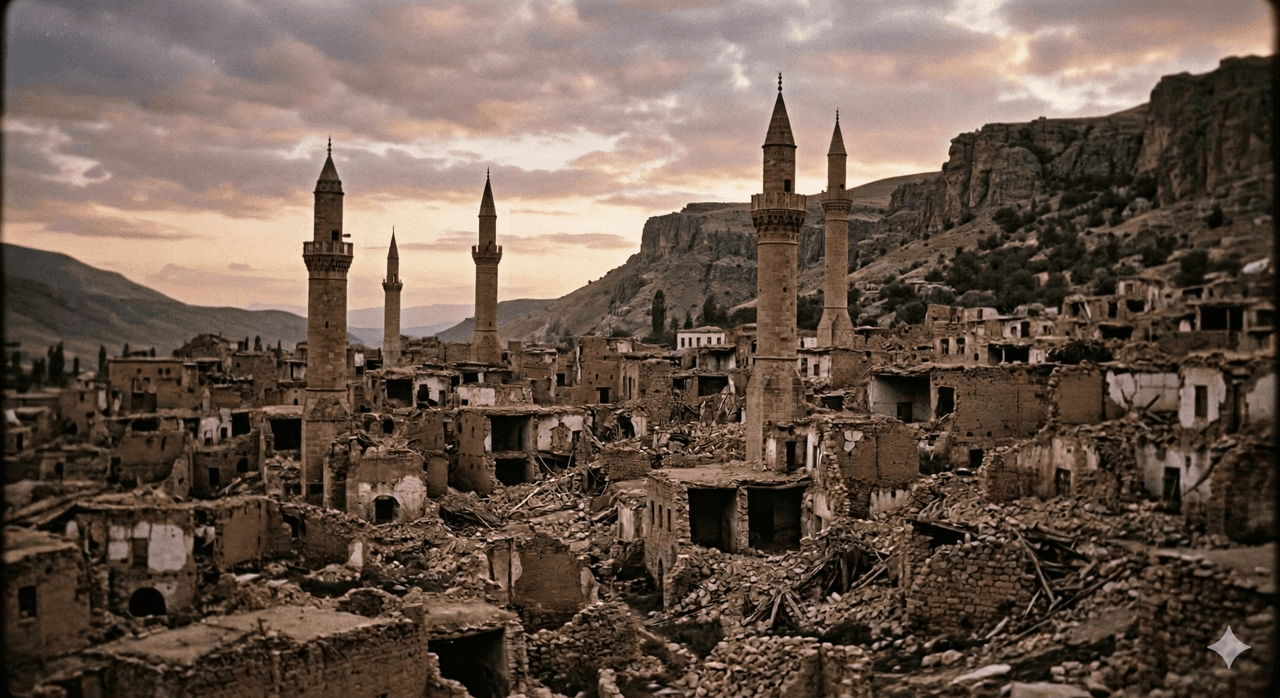
“Beş Minare in Bitlis” is a historical legend and lament that emerged during the Russian occupation of Bitlis in the years of the First World War, shaped by forced migrations and the extensive destruction the city endured. Over time, it acquired a musical form and became embedded in the regional culture. As a local oral narrative, this legend addresses the social devastation caused by the war and the grim reality faced by civilians who were compelled to abandon their homes and, upon returning, f
EN
Selahattin Köseoğlu
ErErvah-ı Ezelden (folk song)
“Ervah-ı Ezelde Levh-i Kalemde” is a folk song within the tradition of Turkish folk music and âşıklık. Its name is derived from its opening line. The work was produced within an oral culture and transmitted from generation to generation. Sources associate the song with the tradition of âşık literature and attribute it to the poet Aşık Sümmânî. Today, the song has been documented through musical notation, written records, and audiovisual recordings. Context of the âşıklık Tradition The âşıklık tr
EN
Rozin Levet
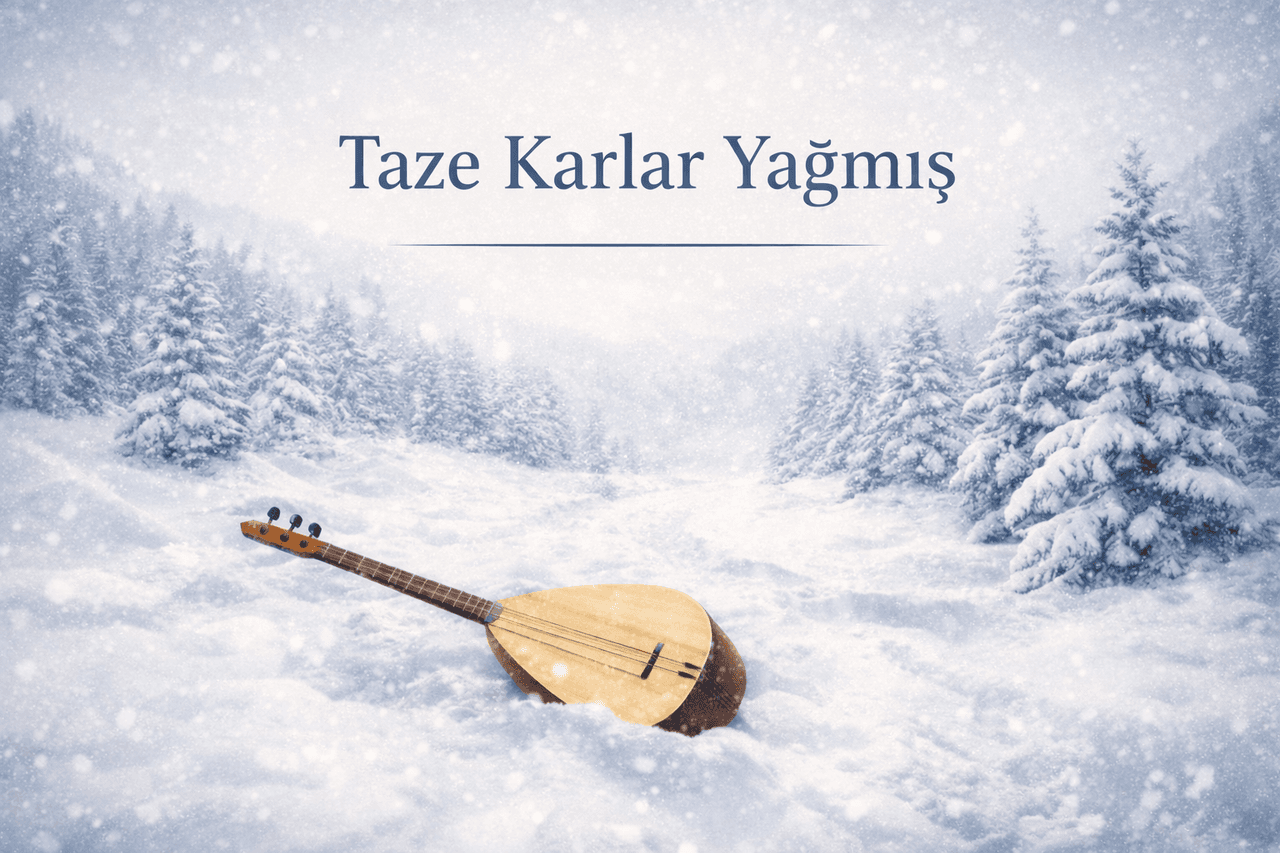
Fresh Snow Has Fallen (Folk Song)
Taze Karlar Yağmış is a lyrical Turkish folk music song transmitted within the oral culture tradition of Anatolia. The song draws attention through its lyrical structure centered on themes of separation, exile, and individual fate. The piece, interpreted by various performers, is associated with both its lyrics and melody with the âşık tradition. Ali Sultan - Taze Karlar Yağmış (ARDA Müzik) " youtube-video-element-format="right" youtube-video-id="_9ecA04gJvA"> Origin of the Song The origin of
EN
Beyza Başar
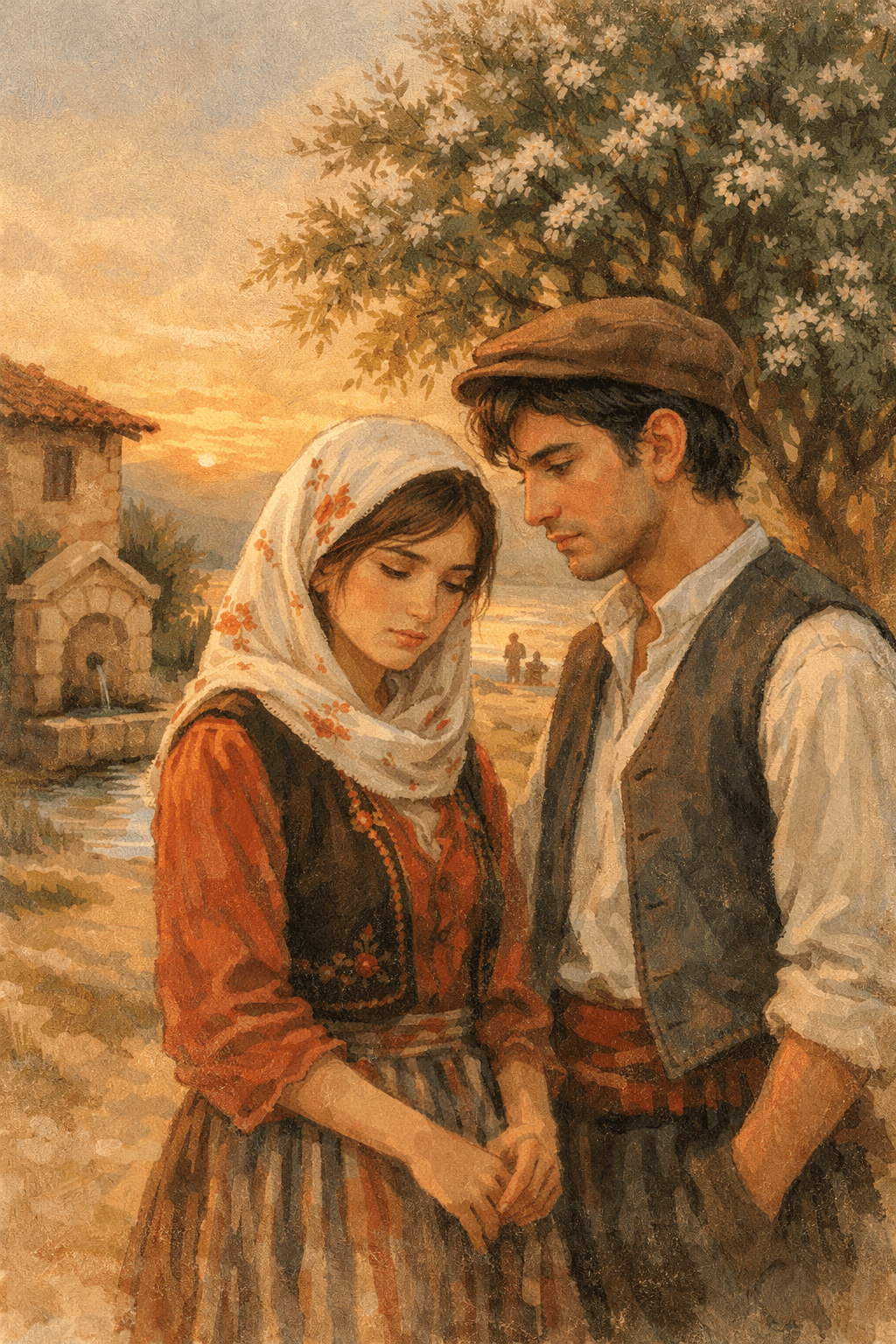
In Front of Their Houses, Mersin (Folk Song)
In Front of Their Houses, Mersin is a folk song recorded in the repertoire associated with the Isparta region. The song, with its themes of love and longing, regional speech patterns, and melodic structure based on the nihavent makam, is included among the works of Turkish folk music. The source of the song is Kadir Acar, while the collector and transcriber is Muzaffer Sarısözen. Musical Characteristics The song is classified within the nihavent makam series. The final and tonic note is identifi
EN
Elif Laçin