

`temperature` ile İlgili Madde Sonuçları

Mesosphere
Mesosphere is the layer of Earth’s atmosphere located approximately between 50 and 85 kilometers above the surface, situated between the stratosphere and the thermosphere. This region is the coldest part of the atmosphere, with temperature decreasing with altitude and reaching as low as approximately -90°C at its upper boundary, known as the mesopause. The mesosphere is a region where dynamic processes such as gravity waves, atmospheric tides, and planetary waves are active. Additionally, it ser
EN
Okan Kanpolat
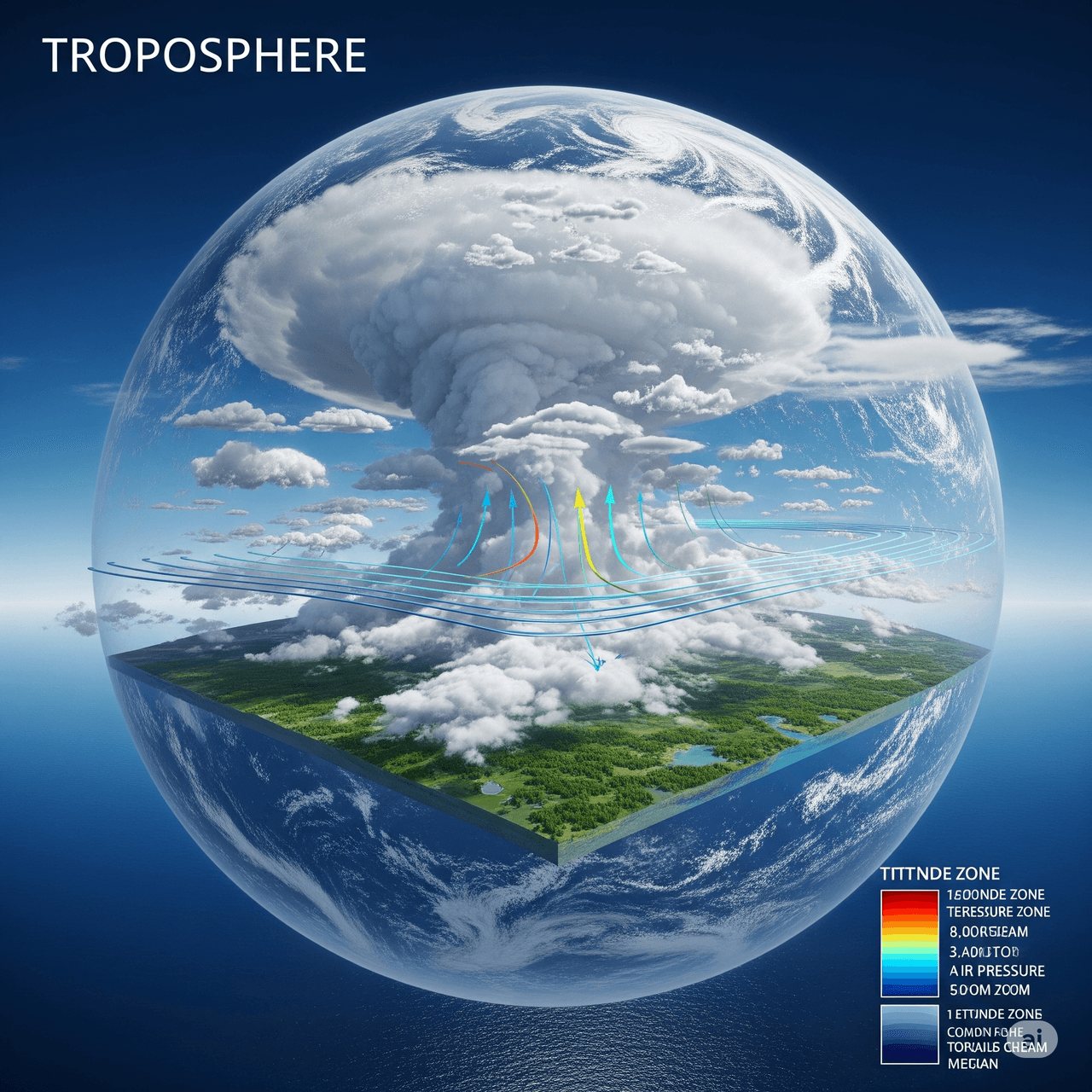
Troposphere
The troposphere is the layer of Earth’s atmosphere closest to the surface, and nearly all meteorological phenomena occur within this region. Approximately 75 to 80 percent of the atmosphere’s total mass is concentrated here. The surface, warmed by absorption of solar radiation, triggers vertical convection within the troposphere. These vertical motions form the basis of processes such as cloud formation, precipitation systems, and the transport of heat and moisture. The thermodynamic structure a
ENOkan Kanpolat

Thermostat
A thermostat is a temperature regulator that controls the flow of coolant in internal combustion engines. It optimizes performance by enabling the engine to rapidly reach its ideal operating temperature and maintain it consistently. Operating Principle When the engine is cold, the thermostat remains closed, preventing coolant from flowing into the radiator. As the engine temperature reaches approximately 80–90 °C, the wax-like substance inside the thermostat expands, opening the valve. This dire
EN
Ufuk Yarar
What is a radiator?
Heating is a system that warms our homes and schools. It protects us from the cold during winter months. You may not realize it, but this warmth is delivered through pipes to various parts of the house. Thanks to heating, we can spend winters much more comfortably! How Does Heating Work? In a heating system, water is first heated at a central location. This heated water is then transported through pipes to radiators in the rooms. The radiators release the heat from the hot water into the rooms,
EN
Alperen Şener
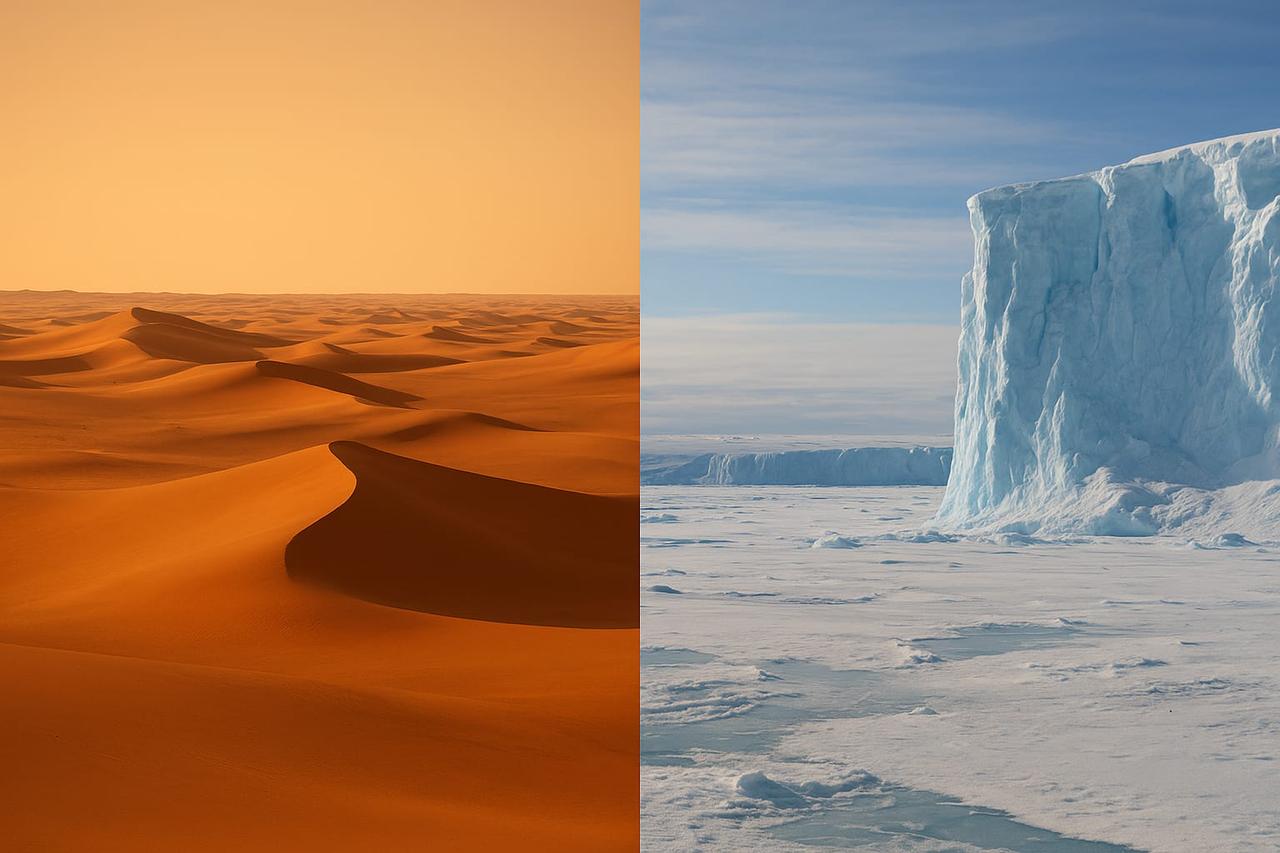
The Wisdom of the Almighty Allah: What If There Were No Atmosphere?
The climate of the world exhibits highly variable temperature values across different geographic regions. The lowest temperature ever recorded was -89.2°C in eastern Antarctica. This extreme cold is so dangerous that it would make it impossible for a human to remain outdoors for even a few minutes. On the other hand, an extreme heat of 70.7°C detected in Iran’s Lut Desert in 2005 creates a lethal environment for any form of life. Even these extreme values are kept within limits thanks to the pro
EN
Mehmet Bağcı

Sun
The Sun is a giant ball of gas that rises in the sky every morning and provides us with light and heat. But in fact, the Sun is a star! This type, known as a "dwarf star", is just one among billions of stars in the sky. Without the Sun, our Earth and other planets would be dark and freezing. In short, there would be no life without the Sun! 📏 How Big Is the Sun? The Sun’s diameter is approximately 1,400,000 kilometers! That is equal to exactly 109 Earth diameters. It would take one million Eart
EN
Elif Laçin
 Th
Thermocouple
A thermocouple is a device used for temperature measurement. They are preferred due to their simple and practical use, suitability for harsh conditions, and cost advantage compared to sensors. Origin The working principle of the thermocouple, known as the Seebeck effect, is named after Thomas Johann Seebeck, who in 1821 observed a slight deflection of a compass needle while conducting experiments with conductive wires. In the same year, Humphrey Davy demonstrated the relationship between electri
ENÖmer Alameşe
CeCemre Falling
Cemre is a belief in the Turkish folk calendar, particularly associated with the arrival of spring in Anatolia. The word "cemre" actually means "fire ember" or "coal," and this belief is considered a symbol of seasonal changes among the people. The falling of the cemre is seen as a sign that winter is coming to an end and spring is beginning. Connected to the temperature increase observed in February and March, cemres are considered a phenomenon heralding the awakening of nature. The fall of the
EN
Sümeyra Uzun

DHT11 Sensor
DHT11 is a digital sensor capable of measuring temperature and humidity. Due to its ease of use and low cost, it is commonly preferred in hobby projects and educational applications. It is typically used with Arduino and similar microcontroller platforms and is ideal for monitoring indoor environmental conditions. Technical Specifications Table Recommended Measurement Range (Humidity) 20% - 80% Humidity Recommended Measurement Range (Temperature) 0 - 50 °C Humidity and Temperature Error Within R
ENAli Yiğit Aksungur
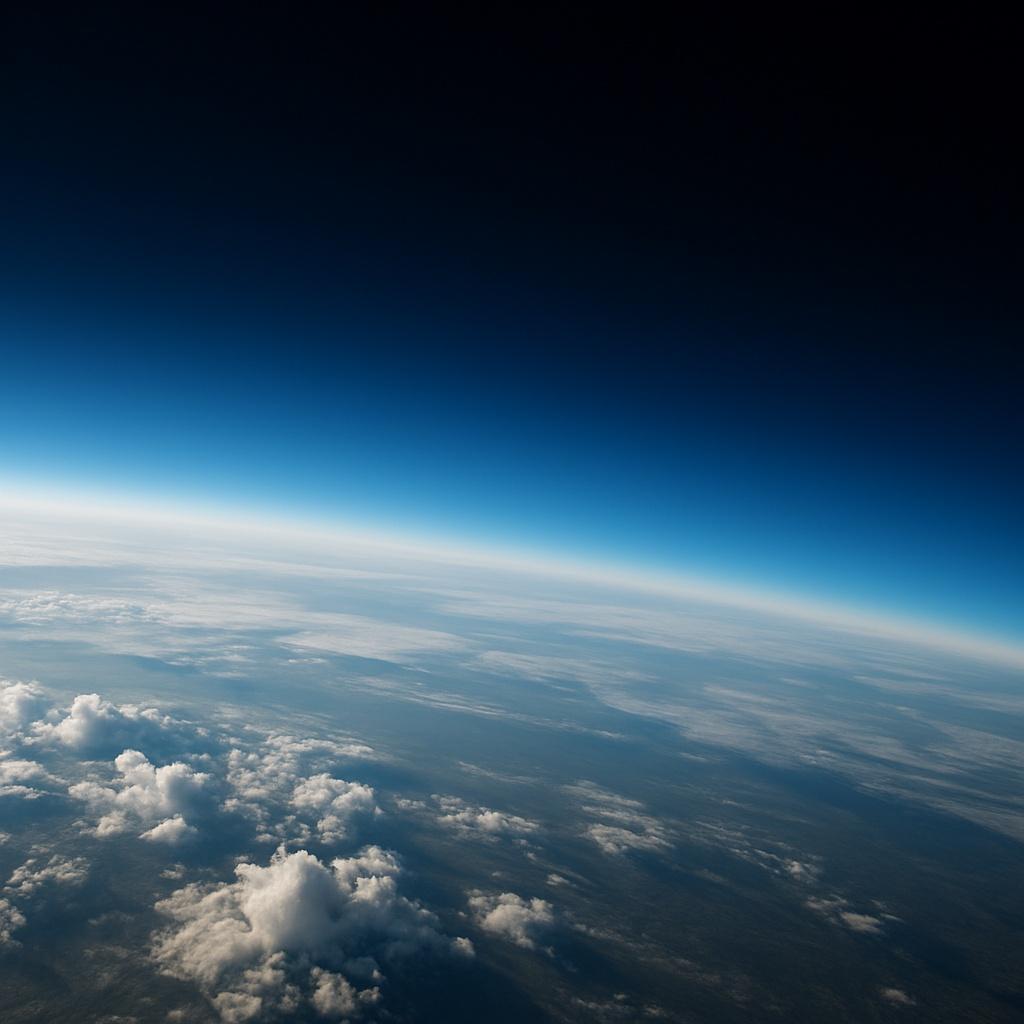
Standard Atmosphere
Standard Atmosphere is a hypothetical atmospheric model that represents average atmospheric conditions at any location on Earth. It is commonly used in aerospace and aviation engineering fields such as aircraft design, flight performance analysis, altimeter calibration, rocket engineering, and ballistic calculations. Standard Atmosphere (Generated by Artificial Intelligence) " image-element-format="right" image-source="https://cdn.t3pedia.org/media/uploads/2025/05/27/Cu8Bv6SGdhia5rKlY2gUqvAtkVa7
ENEmre Karapınar