

What is a radiator?
Heating is a system that warms our homes and schools. It protects us from the cold during winter months. You may not realize it, but this warmth is delivered through pipes to various parts of the house. Thanks to heating, we can spend winters much more comfortably!

Image of a radiator. (Generated by artificial intelligence.)
How Does Heating Work?
In a heating system, water is first heated at a central location. This heated water is then transported through pipes to radiators in the rooms. The radiators release the heat from the hot water into the rooms, warming the interior spaces.
The source of heat is sometimes a boiler room and sometimes a combustion unit inside the home. (Combustion unit: A specialized heating device powered by natural gas.)
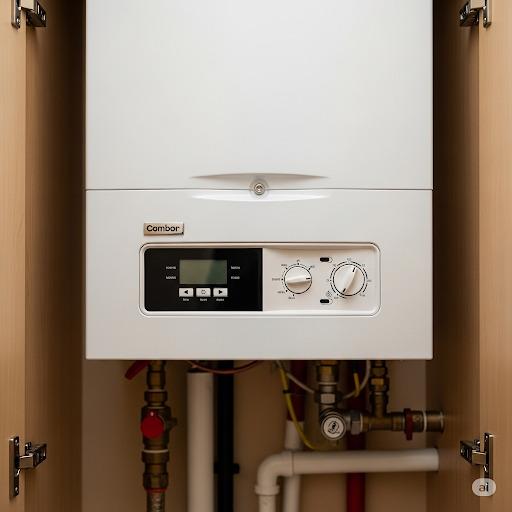
Image of a combustion unit. (Generated by artificial intelligence.)
Where Is It Used?
Heating systems are commonly used in homes, schools, hospitals, and workplaces. In large apartment buildings, a centralized system is typically employed.
In smaller homes, individual heating units powered by combustion units are preferred. This system allows each room to be heated simultaneously.
Why Is It Important?
Heating does more than keep us warm—it also helps prevent illness during cold weather. A warm environment, especially in winter, is crucial for our health.
In addition, it is safer than traditional stoves. We can evenly heat every corner of the house to the desired temperature.