

`selcuklu` ile İlgili Madde Sonuçları
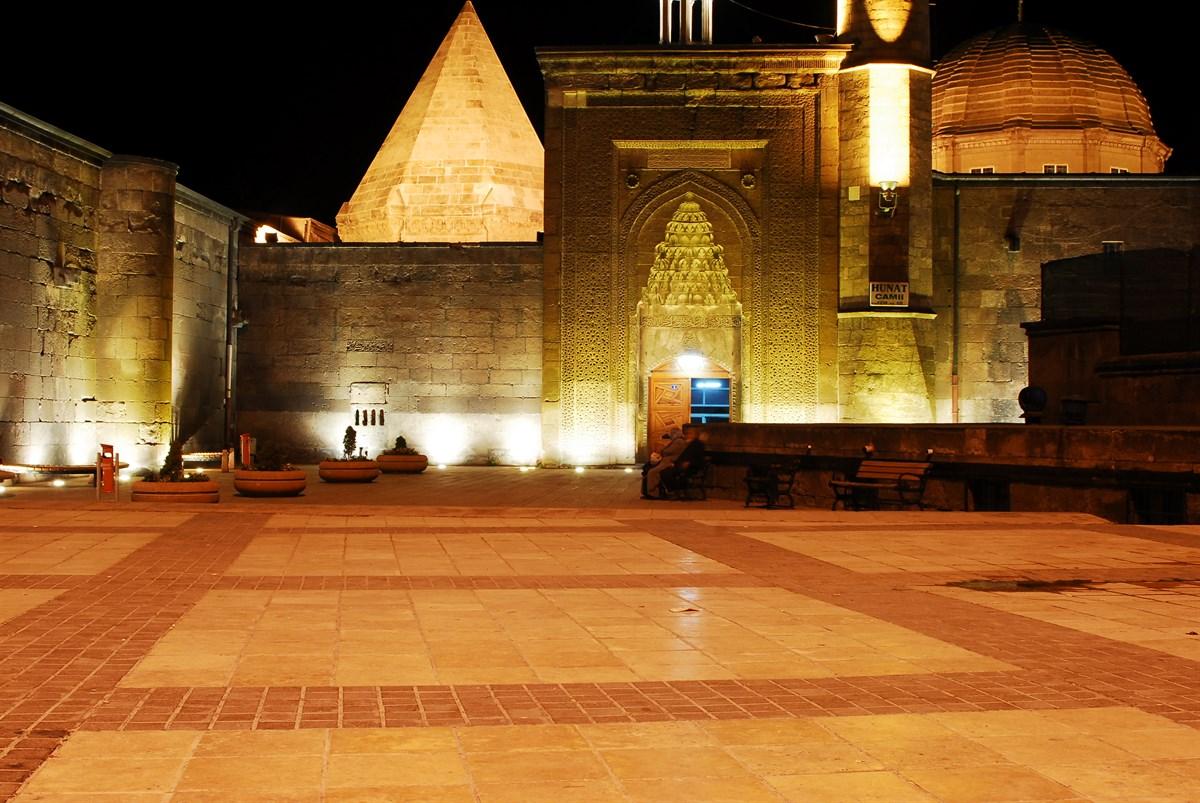
Hunat Hatun Külliyesi
Hunat Hatun Külliyesi is a complex of buildings located east of İç Kale, outside the city walls of Kayseri, Türkiye, and is regarded as one of the finest examples of Anatolian Seljuk architecture. The külliye consists of a mosque, a medrese, a tomb, and a bathhouse. Its founder is Mahperi Hatun, wife of Alaeddin Keykubad I and mother of Gıyaseddin Keyhüsrev II. The title “Huand,” by which this Hatun was known, gradually became Turkicized in the name of the complex as “Hunat.” History The külliye
EN
Cemal Ejderha
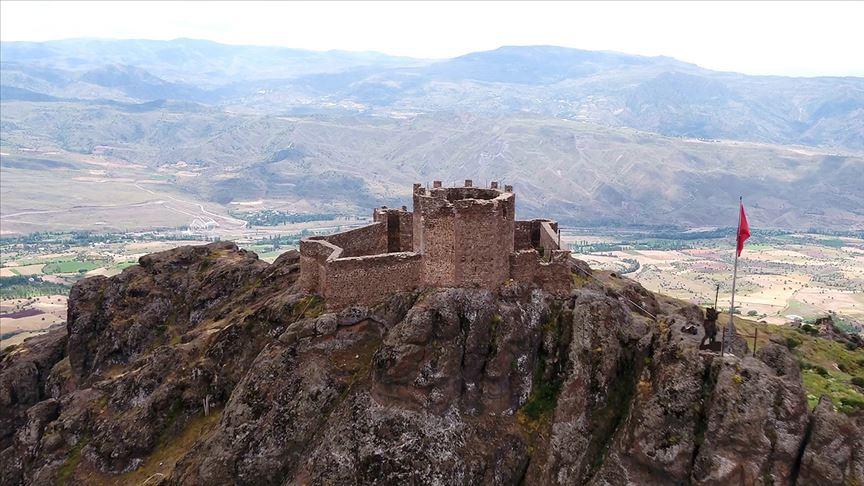
Şebinkarahisar Castle
Şebinkarahisar Castle is located approximately 90 km east of the city center of Giresun, at the northwestern edge of the Kelkit Basin. The castle was built on a rocky hill at an elevation of about 1,200 meters, a position chosen to control the surrounding valleys and passes. The region lies within the interior of the Eastern Black Sea and is connected via valleys to the Black Sea coast and the Kelkit Basin extending as far as Samsun. Şebinkarahisar Kalesi (Anadolu Agency) " image-alternate="" im
EN
Nursena Güller
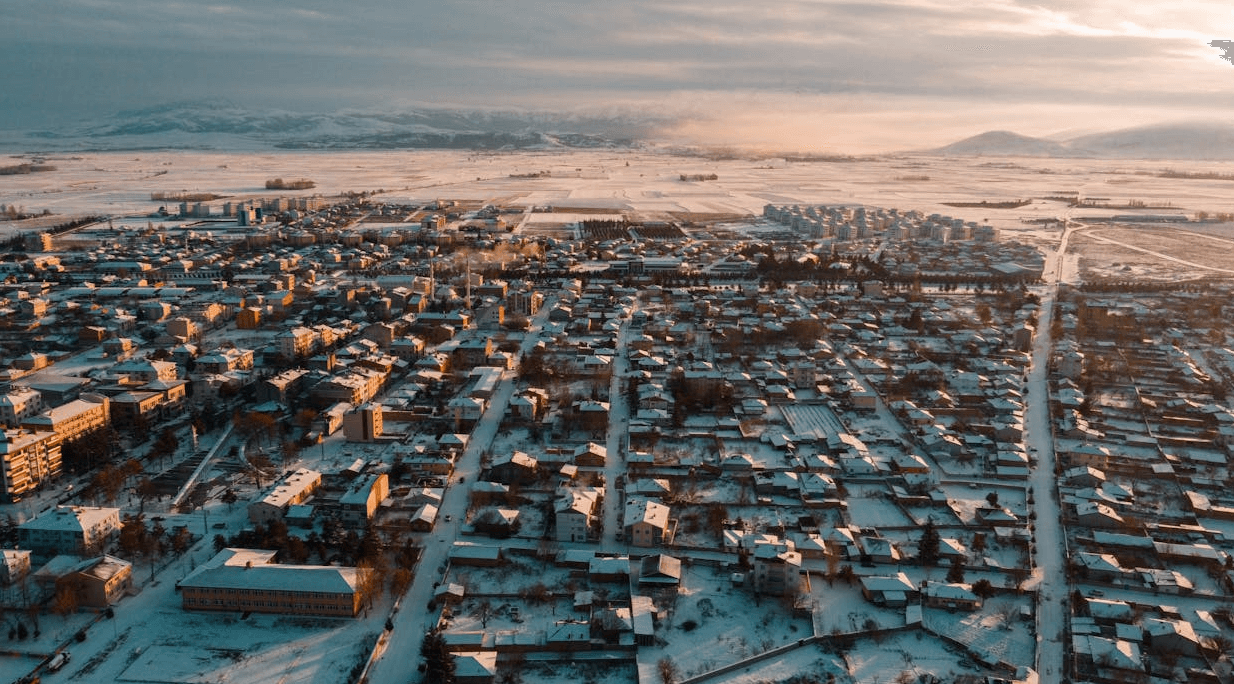
Konya (Province)
Konya, located in the Central Anatolia Region of Türkiye, has stood out throughout history as a place area that has been home to various civilizations house and important a city. Historical process has been one of Anatolia’s key cultural and administrative centers, geographically situated at the heart of Central Anatolia and historically serving as a vital crossroads. Konya’s history extends back to Neolithic Period, and during this period the city has preserved traces of numerous civilizations.
EN
Sümeyra Uzun
Mahperi Hatun Caravanserai
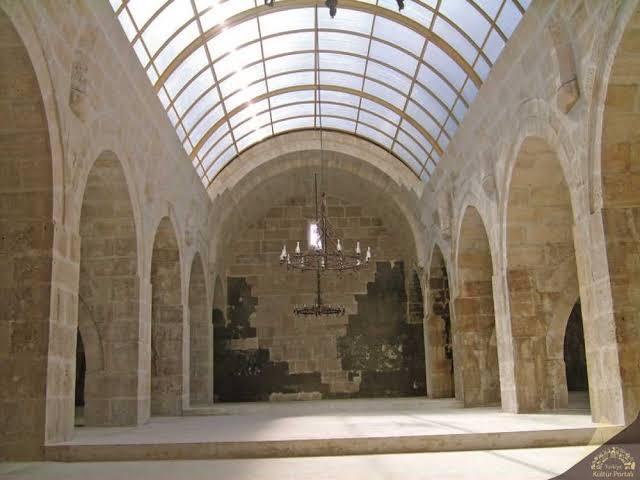
The Mahperi Hatun Caravanserai, located in the Pazar district of Tokat, is a caravanserai built during the 13th century under the Anatolian Seljuk State. The structure occupies a critical position along the trade routes of its time. It was commissioned in 1238 by Mahperi Hatun, wife of Sultan I. Alaeddin Keykubad and mother of II. Gıyaseddin Keyhüsrev. The building reflects both the functional and aesthetic characteristics of Seljuk architecture and exemplifies the civil architectural understand
EN
Zeynep Şule Bingöl
Kızılören (Kandemir) Hanı
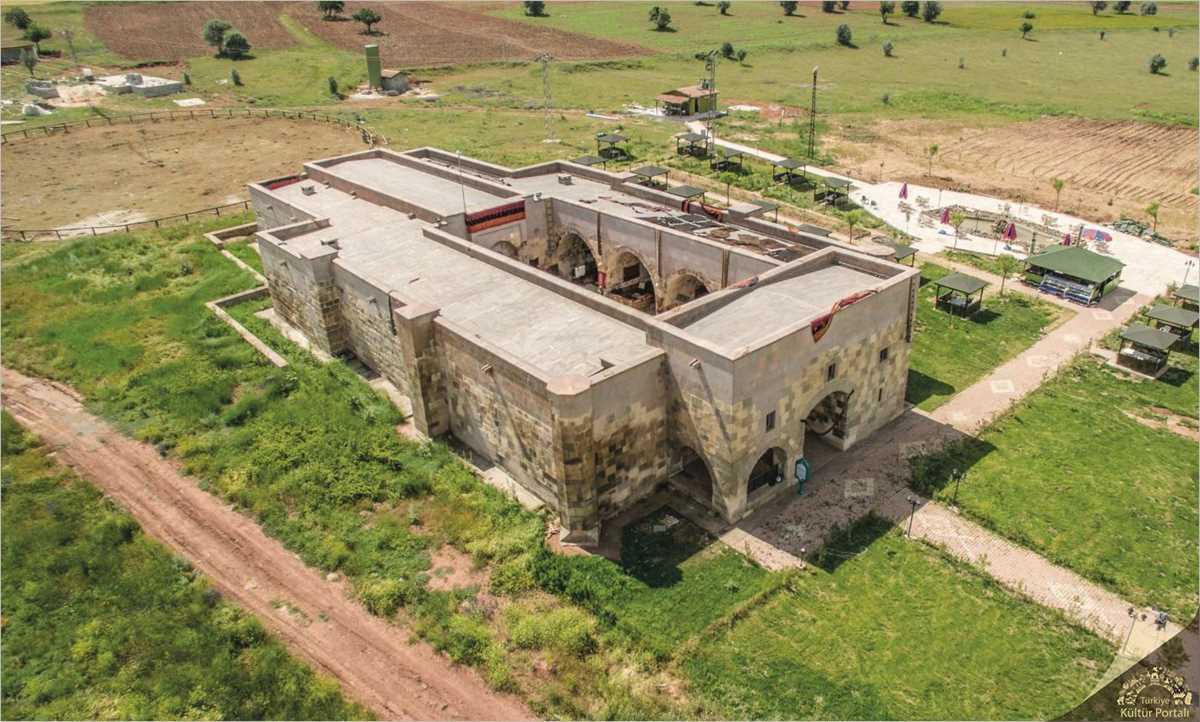
Kızılören (Kandemir) Han is a significant caravanserai constructed during the 13th century by the Anatolian Seljuk State to support its expanding trade network and accommodation needs. Located along the Konya-Afyonkarahisar route, it reflects the architectural, economic, and political structures of its time. This structure, combining functional and monumental qualities, is regarded as a characteristic example of Seljuk caravanserai architecture due to its location, architectural planning, and de
EN
Fatma Köroğlu
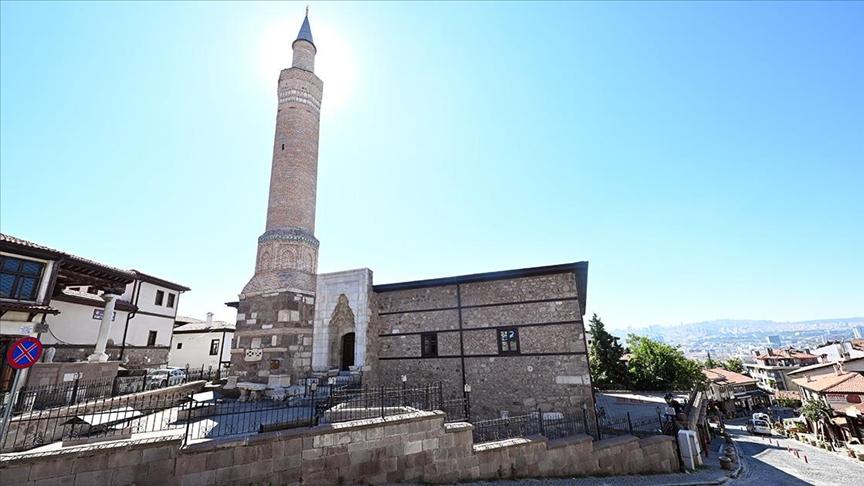
Arslanhane (Ahi Şerafettin) Camii
Arslanhane (Ahi Şerafettin) Camii is one of the significant examples of medieval Anatolian wooden column-and-beam mosques, located in the Ulus-Samanpazarı neighborhood of the Altındağ district of Ankara. Built in the 13th century by the Ahi brotherhood, the mosque was inscribed on the UNESCO World Heritage List in 2023. Situated at the southern end of Ankara Castle, it is also known as Arslanhane due to the presence of an ancient lion statue. History Although no definitive foundation inscription
EN
Emir Cengiz Çulha
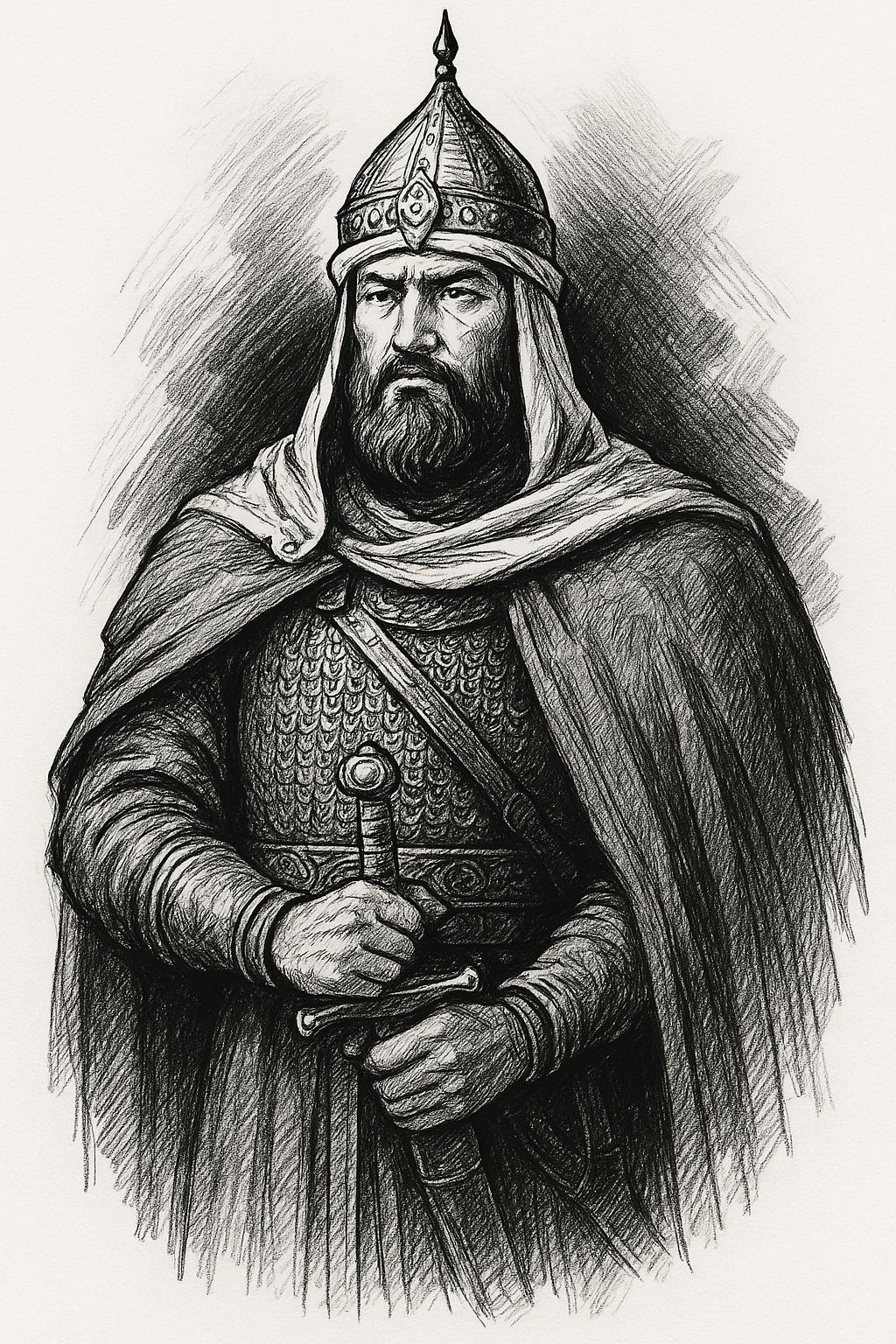
Sultan Alparslan: The Ruler Who Opened the Gates of Anatolia
Sultan Alparslan was the second sultan of the Great Seljuk State and one of the most important leaders in Turkish history. His victory at the Battle of Manzikert in 1071 opened the doors of Anatolia to the Turks and ushered in a new era. He also distinguished himself not only on the battlefield but also through his just governance and support for science. Thanks to his vision, the Seljuks established a strong state structure and a profound cultural heritage. A Period Shaped by Conquests During h
EN
Mustafa Cem İnci
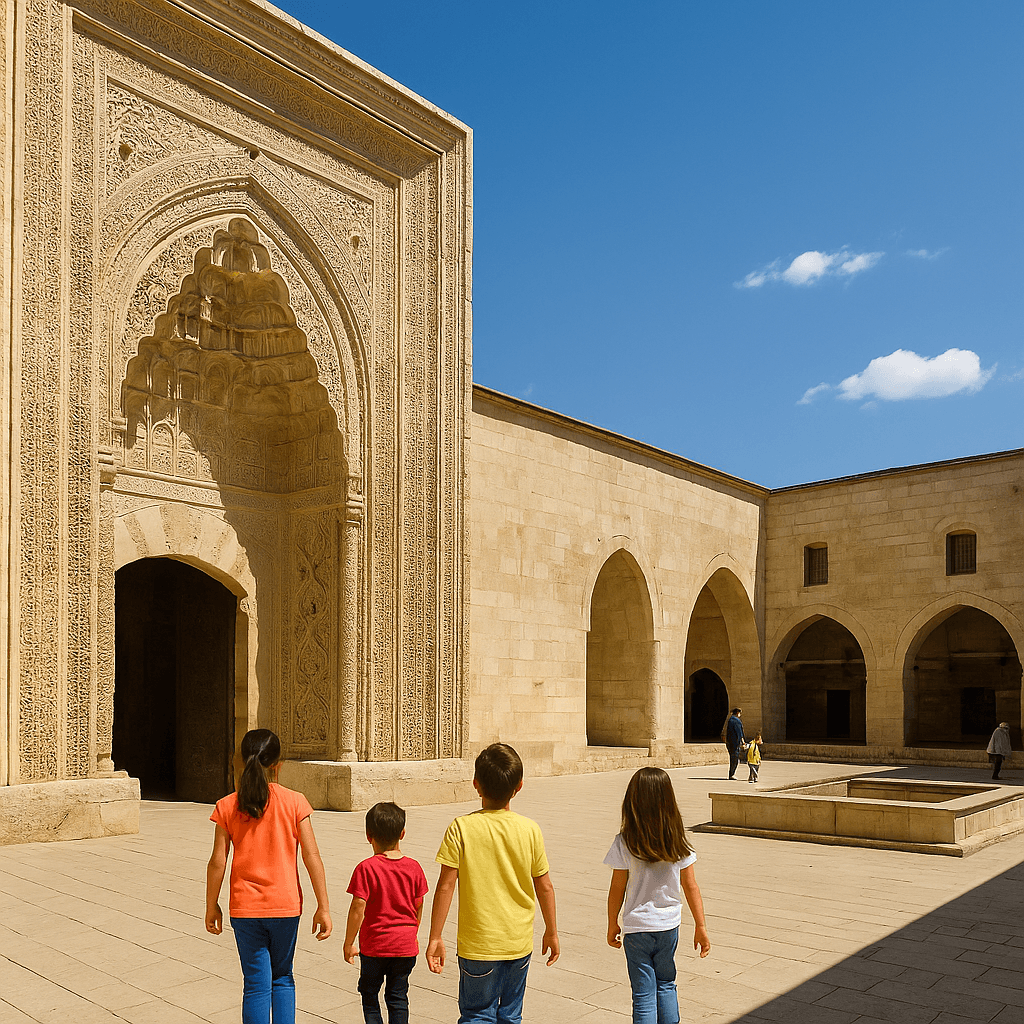
Şifaiye Medresesi
Located on Atatürk Avenue in the heart of Sivas, the Şifaiye Medresesi was built to serve both as a school and a hospital. This magnificent structure is one of the most important works of the Anatolian Seljuk State. The medrese was constructed in 1217 by Sultan Izzeddin Keykavus I. During that time, people studied lessons here and also received treatment for their illnesses. Thus, the Şifaiye Medresesi functioned as both the university and the hospital of its era! History and the Sultan’s Tomb S
EN
Yusuf İslam Tuğla
Sivasi (Siva Sitti) Hatun Mosque
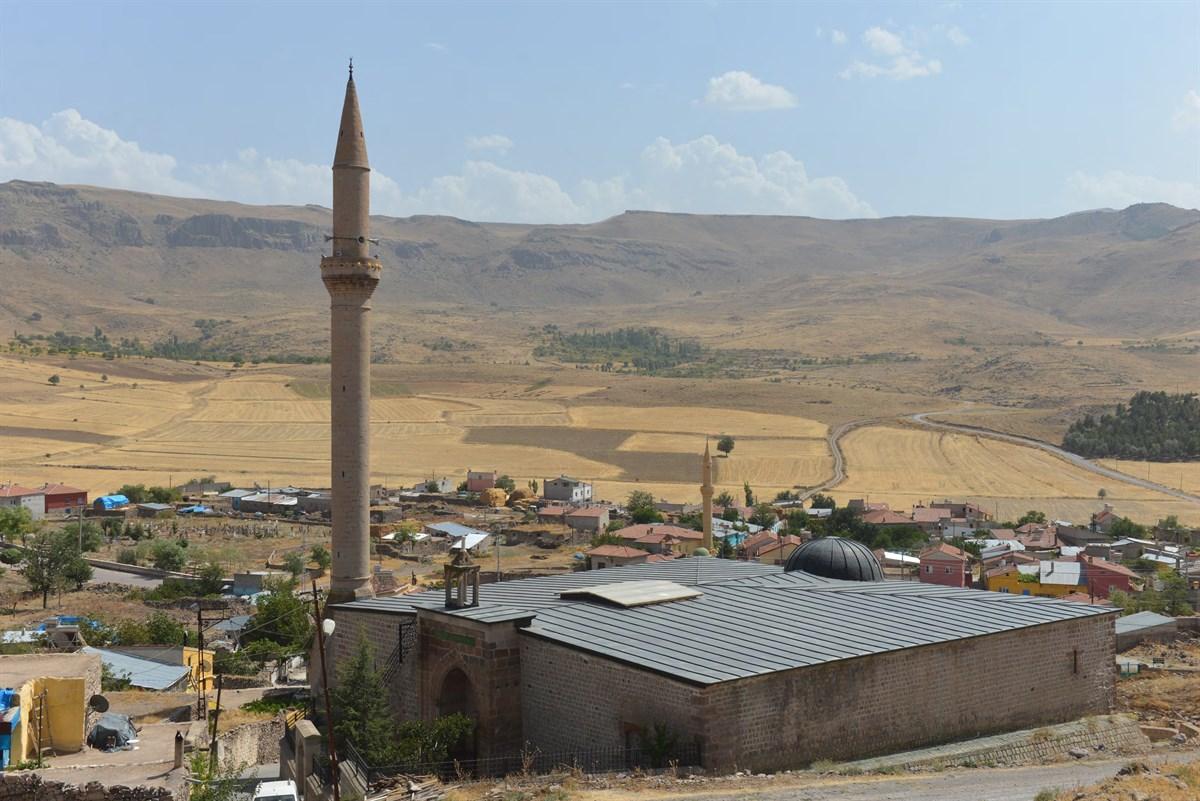
Sivasi Hatun Camii is located in the Yukarı Develi Câmi-i Kebîr Mahallesi of Kayseri, on Selçuk Sokak. According to inscriptions, the mosque was constructed in the year 680 AH / 1281/82 CE. It was built during the reign of the Seljuk Sultan III. Gıyaseddin Keyhüsrev (III. Keykavus). Founders The founders of the mosque are identified in Arabic inscriptions on the portal. The Arabic inscription in sulus script on the lintel of the portal indicates that the mosque was commissioned during the time o
EN
Melahat Pamuk
Şebinkarahisar Castle
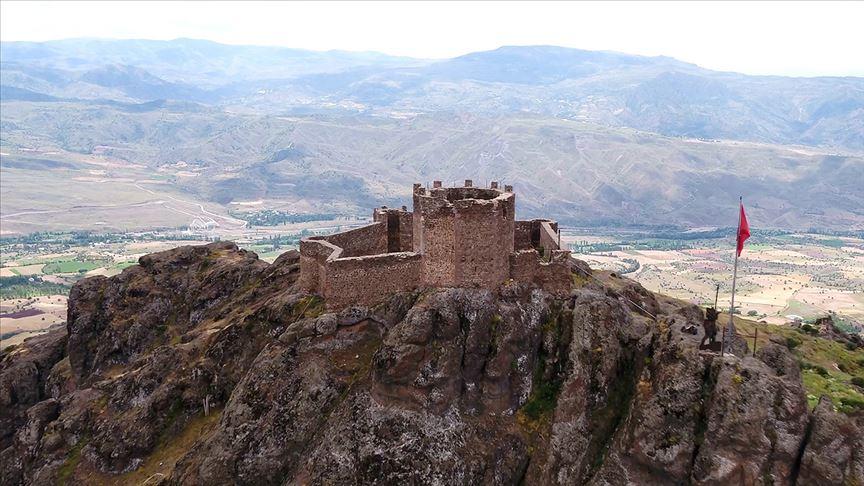
Şebinkarahisar Kalesi is located approximately 90 km east of the city center of Giresun, at the northwestern edge of the Kelkit Basin. The castle is built on a rocky hill at an elevation of about 1200 meters. This location was chosen to control the surrounding valleys and passes. The region lies within the interior of Eastern Black Sea, connected to valleys leading to the Black Sea coast and extending to Samsun via the Kelkit Basin. Historical Development and Regional Significance Ancient and By
EN
Nursena Güller