

`osmanlitarihi` ile İlgili Madde Sonuçları
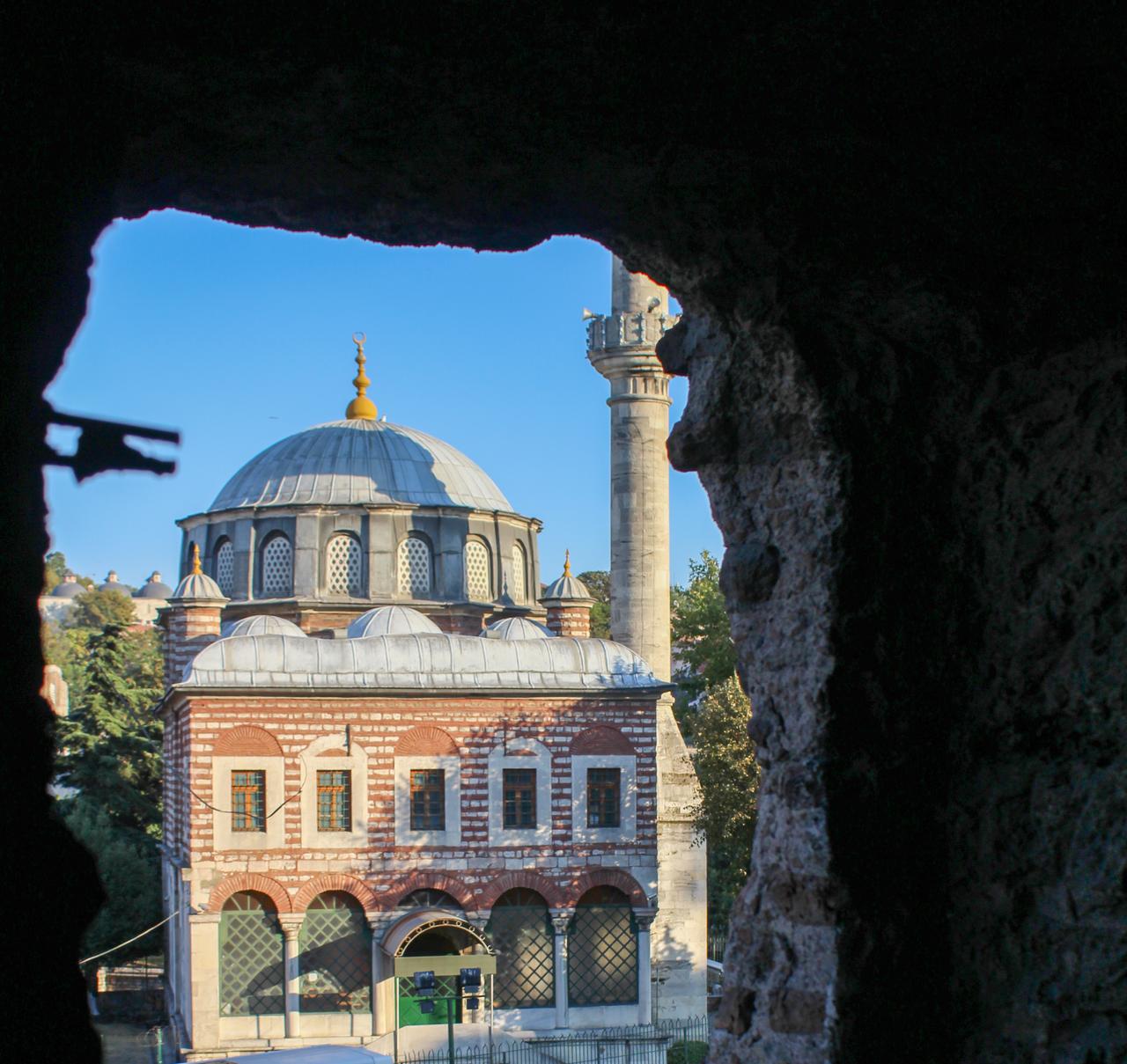
Şebsefa Hatun Mosque
Şebsefa Hatun Mosque is a mosque located on Atatürk Boulevard in Unkapanı, in Istanbul’s Fatih district. It was commissioned by Şebsefa Fatma Hatun, the sixth consort (kadınefendi) of Sultan Abdulhamid I, in the last quarter of the 18th century. The mosque is part of a small-scale complex consisting of a cemetery (hazire), an elementary school (sıbyan mektebi), shops, and fountains. Şebsefa Hatun Mosque (Photo: Melahat Pamuk) " image-element-format="right" image-source="https://cdn.t3pedia.org/m
EN
Melahat Pamuk
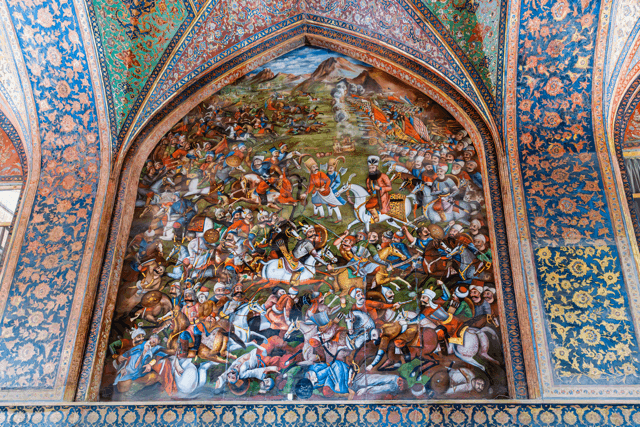
Battle of Chaldiran Wall Fresco
The wall painting entitled Battle of Chaldiran, located on the west wall of the main reception hall of the Chehel Sotoun Palace in Isfahan, is a fresco of the 19th century dating to the Qajar period. This large-scale scene is one of only a few narrative paintings on the palace’s interior walls that depict historical events. The work attracts attention not only for its traditional Iranian miniature style but also for its use of perspective, volume, and shading techniques in line with the prevaili
EN
Nazlı Kemerkaya
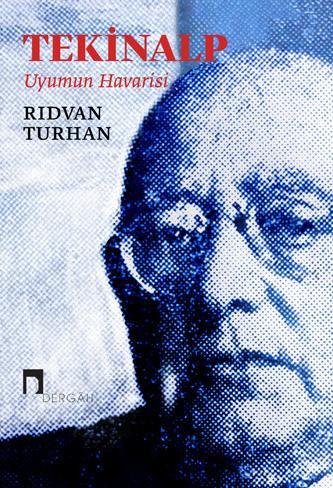
Tekinalp: Apostle of Adaptation (Book)
Tekinalp: Apostle of Adaptation (Tekinalp: Uyumun Havarisi) by Rıdvan Turhan is a comprehensive biographical study of Tekinalp's intellectual and political journey, which reflects the process of modernization in the late Ottoman and early Republican periods of Türkiye. Published by Dergâh Publications in October 2022 as part of the Sociology series, the work is 417 pages long. The author documents Tekinalp’s (Moiz Kohen) story of identity, belonging, and political transformation, and discusses i
EN
Muhammed Samed Acar
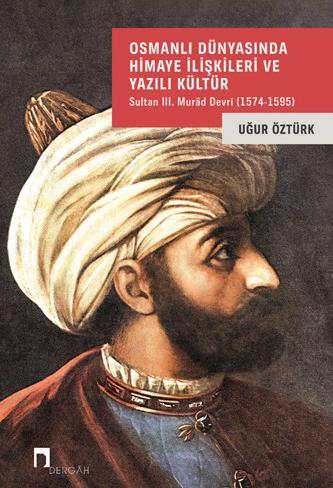
Patronage Relations and Written Culture in the Ottoman World (Book)
Patronage Relations and Written Culture in the Ottoman World (Osmanlı Dünyasında Himaye İlişkileri ve Yazılı Kültür), authored by Uğur Öztürk, is a comprehensive historical and literary study focusing on the influence of patronage mechanisms on written culture during the reign of Sultan Murad III (1574–1595). The work was published in July 2024 as part of Dergâh Publications' Turkish Literature – Study series and is 560 pages long. Subject The work is structured around four main sections: The li
ENMuhammed Samed Acar
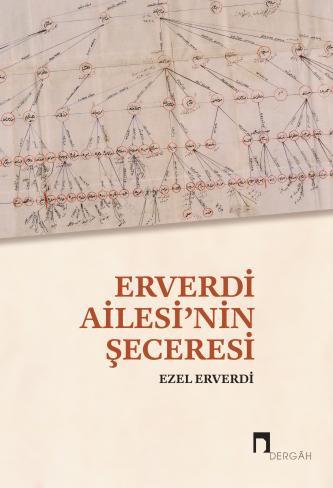
The Family Tree of the Erverdi Family (Book)
The Family Tree of the Erverdi Family (Erverdi Ailesi'nin Şeceresi) is a significant work by Ezel Erverdi that uncovers the historical roots and cultural heritage of his family. The book focuses on the two deeds of trust (vakfiye) of Kazzazzâde Mehmed Efendi, the founder of the Erverdi family, and the family's lineage, providing an in-depth examination of the family's history and the culture of religious endowments in the Ottoman period. In this study, Ezel Erverdi presents his family's historic
ENMuhammed Samed Acar
The Meeting of Hearts with God (Book)
The Meeting of Hearts with God (Kalplerin Allah ile Buluşması) is a treatise that addresses Sufi and theological topics within Islamic intellectual history. The work was written by Abdüllatîf Kudsî and published by Dergâh Publications in 2025. The book describes the historical development of the Sufi tradition in Anatolia and the disciplined framework of the sheikh-murid relationship. Subject The work particularly examines the spread of the Zeyniyye order in Anatolia. It narrates the influence o
ENMuhammed Samed Acar
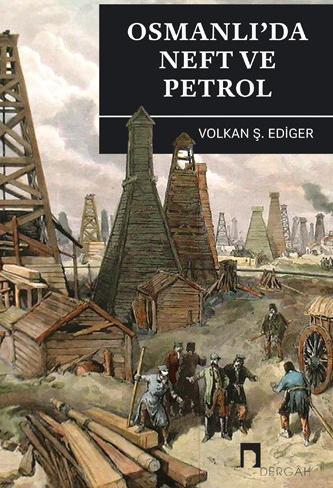
Oil and Naphtha in the Ottoman Empire (Book)
Oil and Naphtha in the Ottoman Empire (Osmanlı’da Neft ve Petrol) is a research work authored by Volkan Ş. Ediger documents the historical processes related to the discovery, licensing, and operation of oil and naphtha resources within the territories of the Ottoman Empire. The first edition was published in 2005 by the METU Development Foundation, with a new printing released in May 2022 by Dergâh Publications as part of its History Series, number 102. Content and Thematic Structure The work’s
ENMuhammed Samed Acar
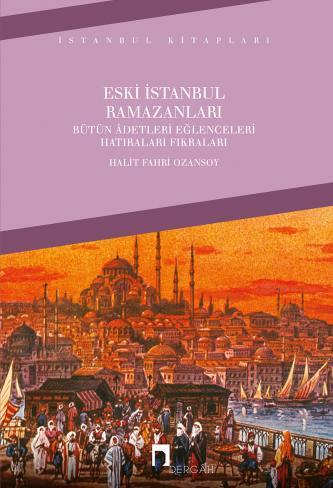
Ramadans of Old Istanbul (Book)
Old Istanbul Ramadans (Eski İstanbul Ramazanları) is a work of a memoiristic and social-historical nature, authored by Halit Fahri Ozansoy (1891-1971), one of the prominent poets and writers of the Fecr-i Âtî and Beş Hececiler (The Five Syllabists) periods. Published by Dergâh Publications as part of its "Anatolia Library" series, the book conveys in detail the Ramadan atmosphere, traditions, and social life of Istanbul in the final periods of the Ottoman Empire and the early years of the Republ
ENMuhammed Samed Acar
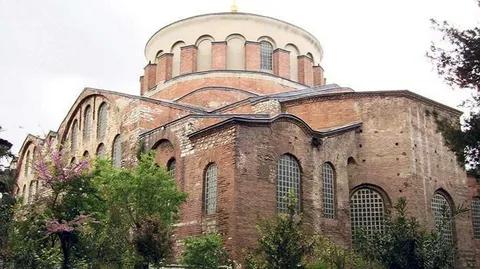
Hagia Irene Church Museum
The Hagia Irene Church is an early Byzantine structure located in the first courtyard of Topkapı Palace in Istanbul. Having served both religious and military functions throughout its history, the structure embodies traces of different eras under one roof. Today, it continues to function as a cultural venue, hosting concerts and exhibitions. History The Hagia Irene Church is located within the first courtyard of Topkapı Palace in the historical peninsula of Istanbul. It stands out as one of the
EN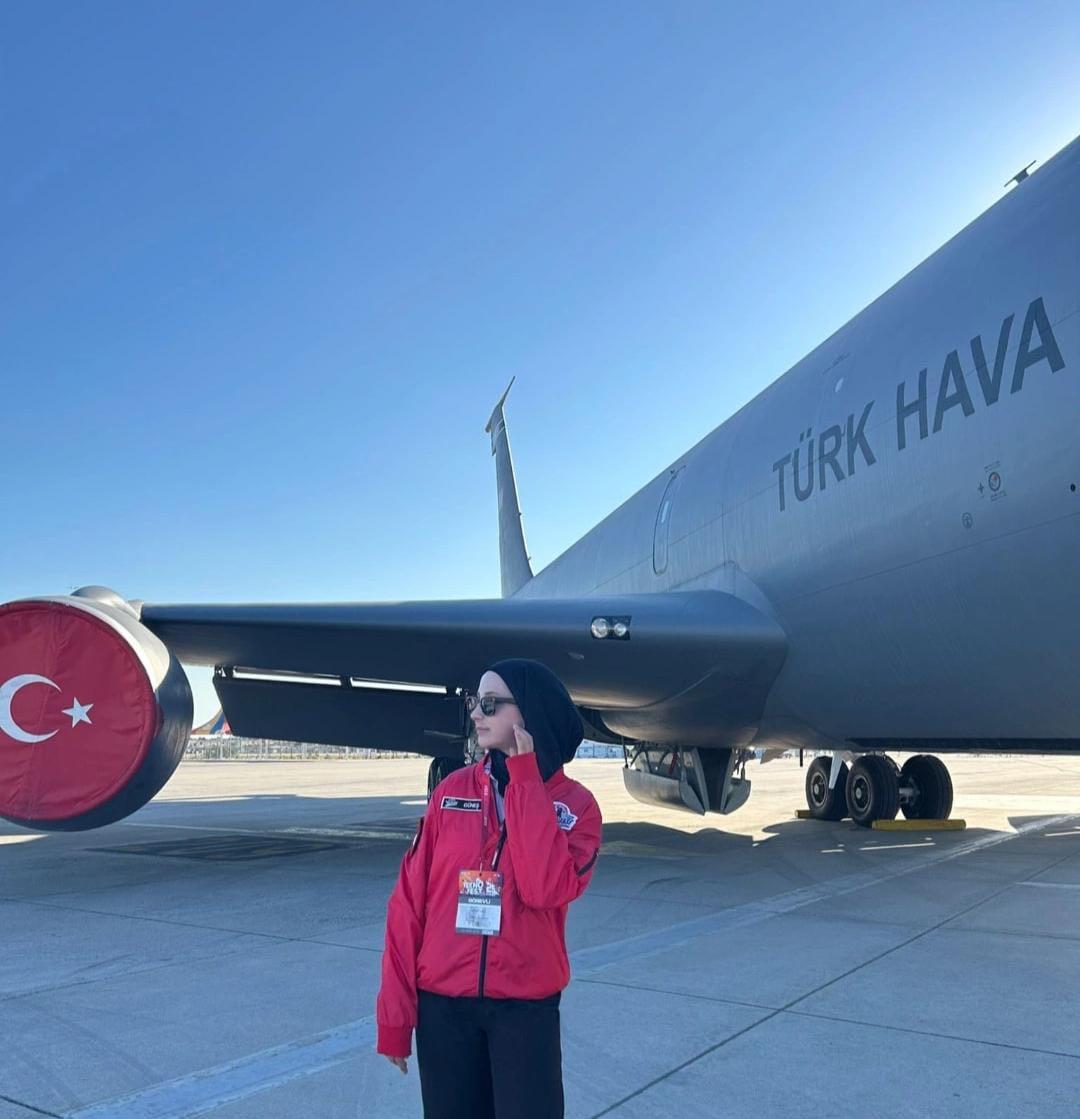
Ahsen Güneş
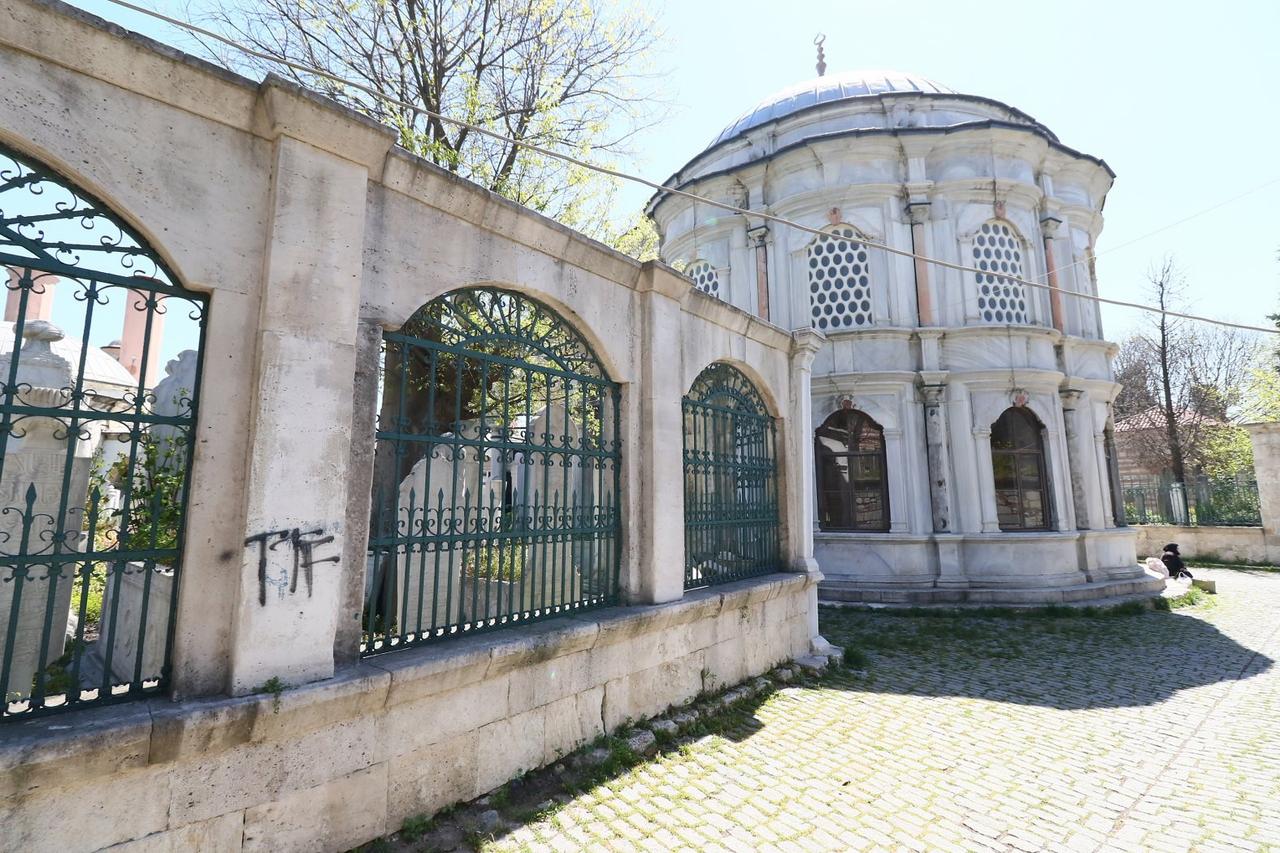
Mirmiran Mehmet Ağa Türbesi
The Mirmiran Mehmet Ağa Türbesi is located in the Eyüpsultan district of İstanbul, between Camii Kebir Caddesi and Beybaba Sokağı. The main entrance to the complex is situated on Beybaba Sokağı. The türbe is situated within a large courtyard, which contains a well.【1】 Architectural Structure and Exterior Facade Design The structure is built of cut stone and has a ten-sided plan with a single dome. None of the ten sides feature windows; however, the facades with window openings are arranged in a
EN
Gözde Cabadak