

`nardugan` ile İlgili Madde Sonuçları
 Ay
AyAyaz Ata
Ayaz Ata, bazı Türk topluluklarının inanç ve folklorunda kış mevsimi, yıl döngüsü ve yeni yıl kutlamalarıyla ilişkilendirilen yaşlı, bilge ve yardımsever bir figür olarak anılan mitik/folklorik bir tiptir. Güncel akademik ve folklorik tartışmalarda, Ayaz Ata’nın Türk mitolojisinin kadim ve özgün bir unsuru mu, yoksa daha geç dönemde şekillenmiş, Noel Baba ve Rus Ded Moroz geleneğiyle etkileşim içinde oluşmuş senkretik bir figür mü olduğu konusunda farklı görüşler bulunmaktadır. Bu nedenle Ayaz A
TR
Duygu Şahinler
Nardugan Bayramı
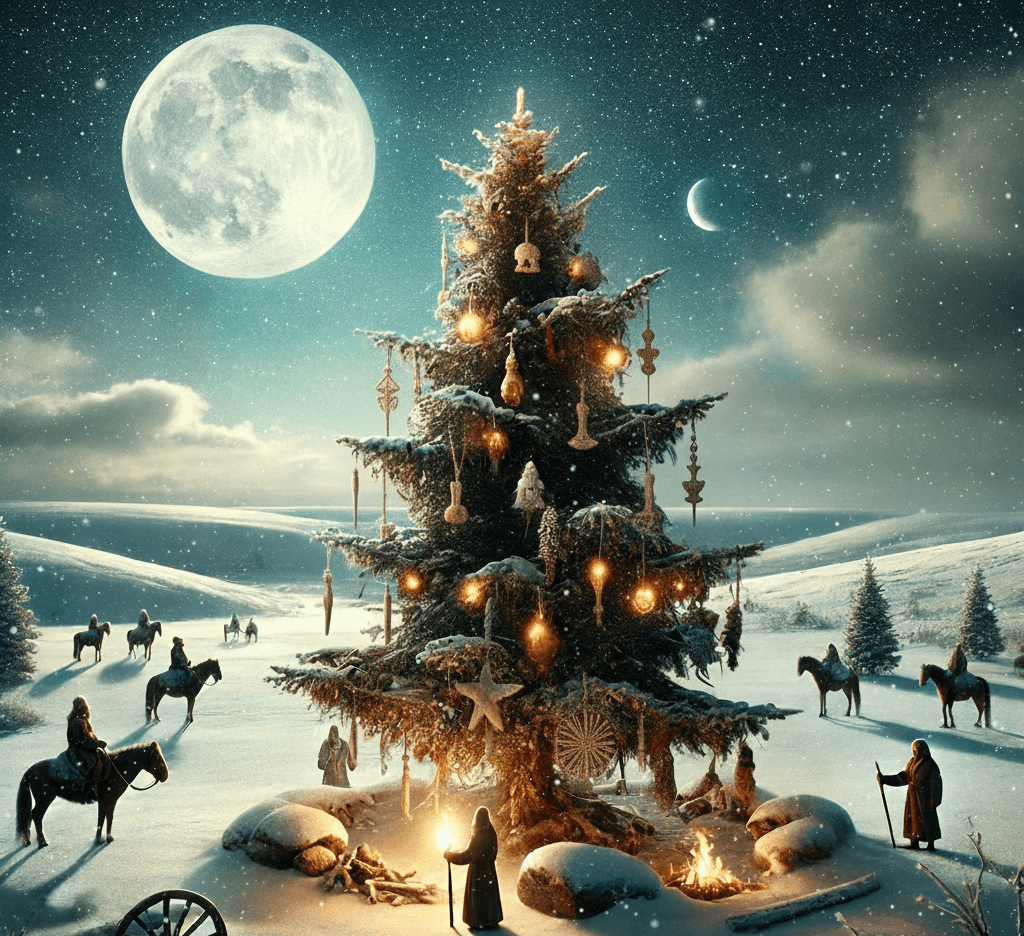
Nardugan Bayramı, bazı Türk toplulukları arasında kış döneminde kutlanan yeni yıl bayramıdır. Yaklaşık olarak 3200 yıldır süregelen bu bayram, güneşin yeniden doğuşunu, gecenin kısalmasını ve gündüzün uzamasını simgeler. Adı, Moğolca “nar” (güneş) ve Türkçe “tugan” (doğan) kelimelerinin birleşiminden oluşmuş olup "yeni Güneş" veya "yeni yılın doğuşu" anlamına gelir. Nardugan doğanın döngüsünü, toplumsal birlik ve bereket dileklerini yansıtan ritüellerle kutlanır. Nardugan Bayramı tarih boyunca O
TR
Nursena Güller
Nardugan Festival
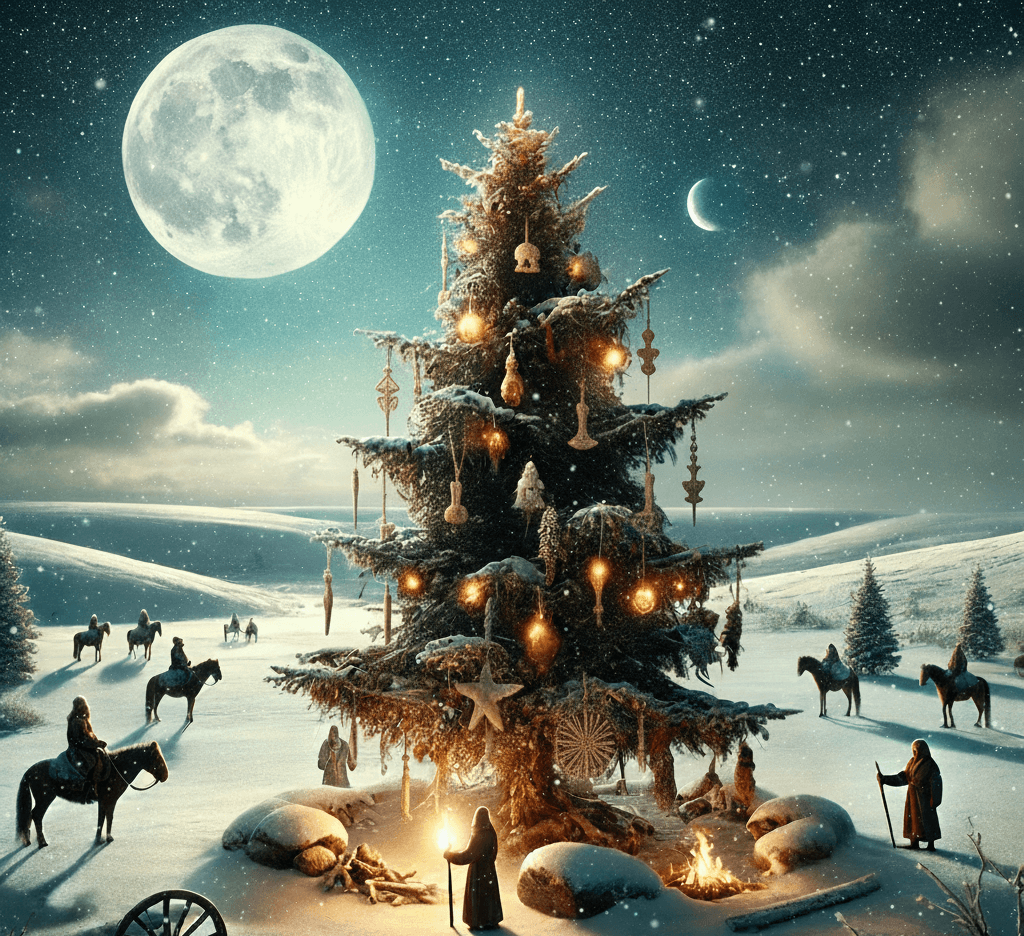
Nardugan Bayramı is a New Year festival celebrated among certain Turkic communities during the winter season. This festival, which has been observed for approximately 3,200 years, symbolizes the rebirth of the sun, the shortening of the night, and the lengthening of the day. Its name is derived from the combination of the Mongolic word “nar” (sun) and the Turkish word “tugan” (born), meaning “new sun” or “birth of the new year.” Nardugan is celebrated with rituals that reflect the cyclical natur
EN
Nursena Güller
AyAyaz Ata
Ayaz Ata is a mythical or folkloric figure in the beliefs and folklore of certain Turkic communities, depicted as an elderly, wise, and benevolent character associated with the winter season, the annual cycle, and New Year celebrations. In contemporary academic and folkloric discussions, there are differing views on whether Ayaz Ata is an ancient and original element of Turkic mythology or a syncretic figure that emerged in a later period through interaction with the Santa Claus and Russian Ded
ENDuygu Şahinler
Nardugan Festival
Nardugan Bayramı is a New Year festival celebrated among certain Turkic communities during the winter season. This festival, which has been observed for approximately 3200 years, symbolizes the rebirth of the sun, the shortening of the night, and the lengthening of the day. Its name is derived from the combination of the Mongolic word “nar” (sun) and the Turkish word “tugan” (born), meaning “new sun” or “birth of the new year.” Nardugan is celebrated with rituals that reflect the cyclical nature
ENNursena Güller