

`lean-manufacturing` ile İlgili Madde Sonuçları
Jishuken
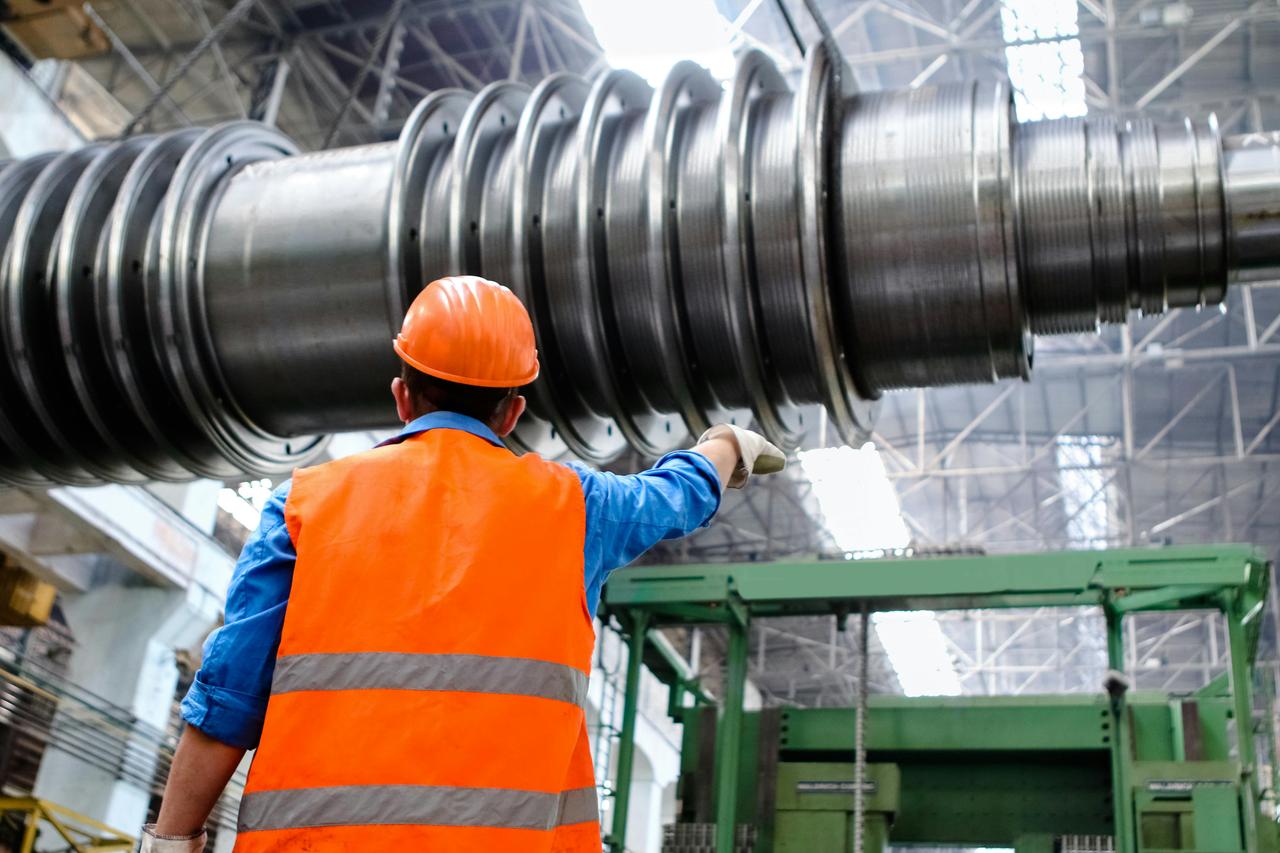
Jishuken is a practical learning and problem-solving method rooted in Japan and developed specifically within the framework of the Toyota Production System, as part of the continuous improvement philosophy of lean manufacturing. In this approach, managers and engineers conduct direct observations on the production floor to achieve improvements in productivity, quality, and processes. The method simultaneously aims to foster leadership development and operational excellence within the organizatio
EN
Emre Özen
Jidoka
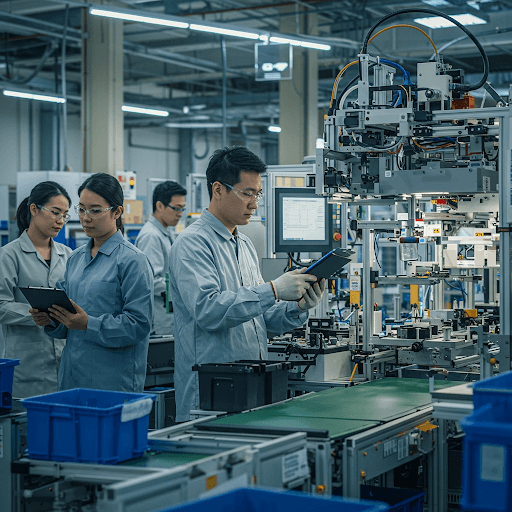
Jidoka is a production principle within the Toyota Production System (TPS) that refers to a mechanism enabling the detection of errors during the production process and the subsequent stopping of the process either automatically or through operator intervention. The term originates from Japanese and is defined as “infusing human intelligence into automation” or “human-controlled automation.” The Jidoka principle centers on quality within the production process and provides a structure that preve
ENEmre Özen

Project Management
Project Management, is the discipline of applying the processes, methods, skills, and tools necessary to achieve a project’s objectives. More formally, according to the Project Management Institute (PMI), project management is the application of knowledge, skills, tools, and techniques to project activities to meet the project’s requirements. This application encompasses planning, organizing, executing, controlling, and closing processes from the project’s inception to its completion. Project ma
EN
Sabiha Meyra Şahinler
SMED (Single-Minute Exchange of Die) – Single-Minute Model Change
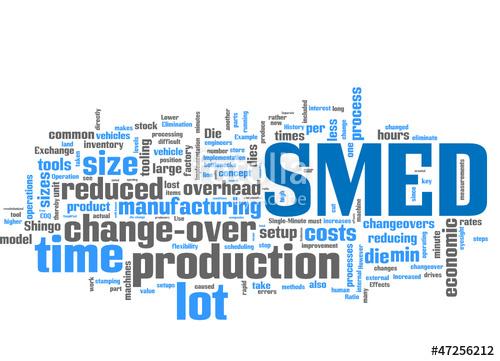
SMED (Single-Minute Exchange of Die) is an approach developed in Japan and widely used, particularly in the manufacturing sector, to achieve rapid and efficient model changeover processes. SMED is a method designed to minimize the time required for changing models on machinery and equipment. Ideally, this method aims to reduce changeover time to less than ten minutes, hence its name: “changeover in single minutes.” History and Development The foundations of SMED were laid in the late 1950s withi
ENSaid Bahadır Demircan
3M: Muda, Muri and Mura
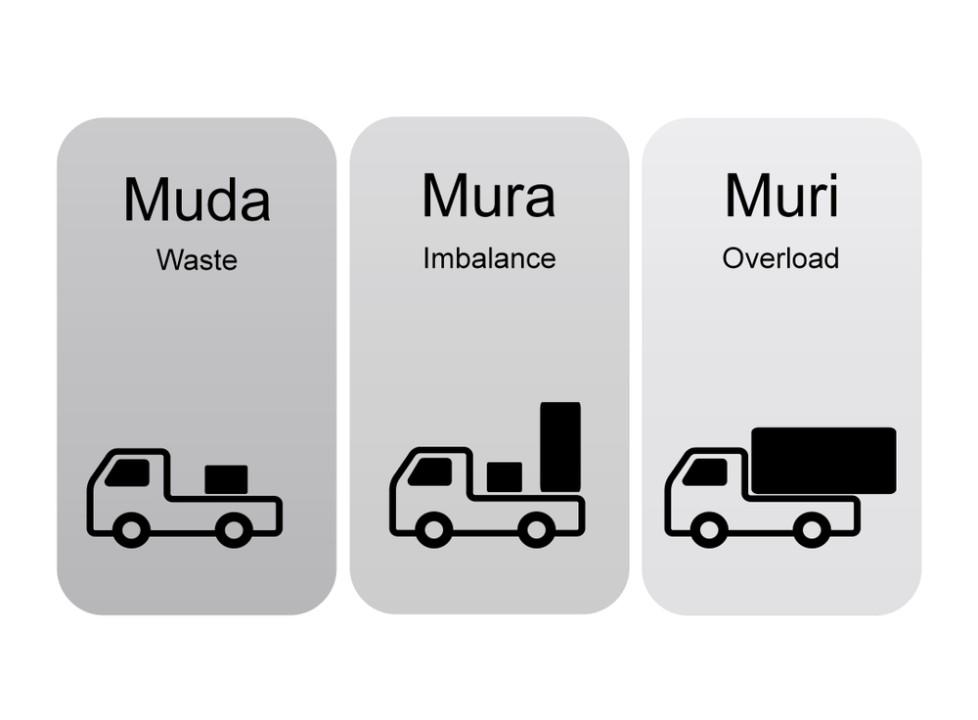
Lean manufacturing is a management approach used to make processes more efficient and reduce unnecessary costs. The foundational pillars of this system—Muda, Muri, and Mura—provide a critical framework for identifying and eliminating inefficiencies in production processes. Muda eliminates waste such as overproduction and unnecessary transportation, Muri reduces excessive strain on labor and machinery, and Mura minimizes bottlenecks and fluctuations by balancing the production flow. By implementi
ENMuhammed Taha Unakıtan
Poka Yoke
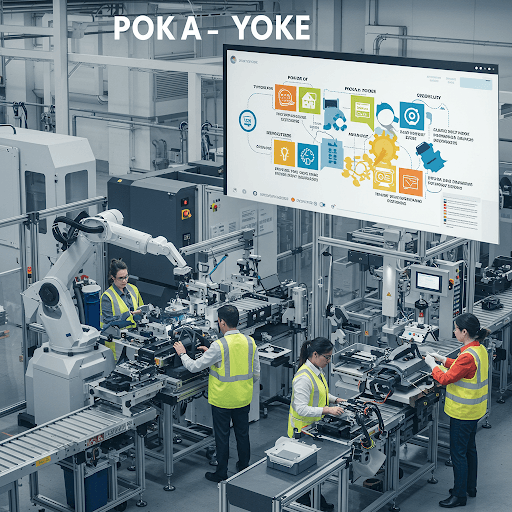
Poka Yoke is a production and quality assurance technique, meaning "protection from mistakes" or "error prevention" in Japanese. It was systematically developed in the 1960s by quality expert Shigeo Shingo at Toyota and became a cornerstone of the "Zero Quality Control" philosophy. The system aims to provide low-cost, simple, and practical solutions that either prevent human errors or immediately detect them when they occur. Poka Yoke fundamentally serves two functions: mistake-proofing (error p
ENEmre Özen
Kaizen
Kaizen is a Japanese-origin concept meaning "improvement" or "continuous improvement." It is defined as a fundamental element of Japanese production culture and emphasizes ongoing development at both individual and organizational levels. This concept has gained widespread recognition in the international literature, particularly within the context of the Toyota Production System (TPS), and has become a core principle in modern production and management systems. Kaizen relies on the cumulative ef
ENEmre Özen
Constraint Theory
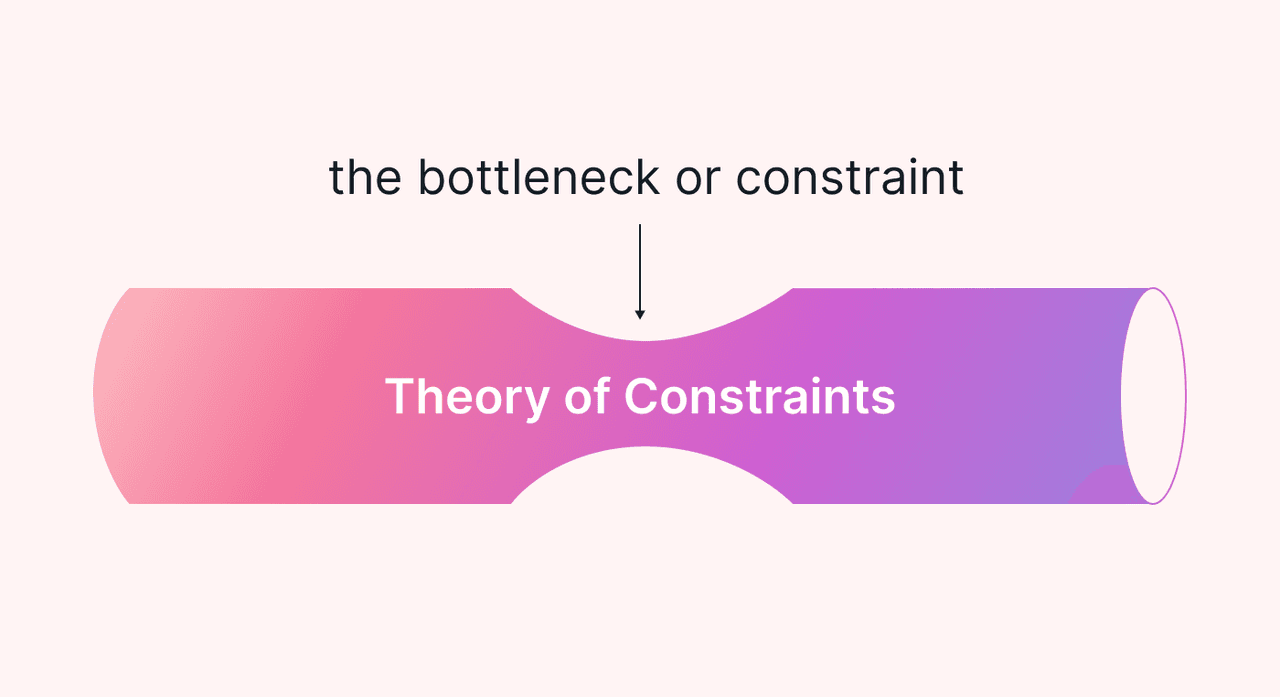
The Theory of Constraints is a holistic management approach focused on identifying and managing the fundamental elements that limit a system’s performance. Developed in the early 1980s by Eliyahu M. Goldratt, this theory is based on the assumption that every system has at least one constraint. This constraint is the weakest link that determines the system’s speed toward its goal, and without improving it, overall performance cannot be enhanced. The methodology of the theory is structured around
ENMuhammed Taha Unakıtan
 Wh
WhWhat is Kaizen?
Kaizen is a continuous improvement technique derived from the Japanese words “kai” (change) and “zen” (good). It can be defined as small, ongoing improvement activities aimed at eliminating all forms of waste (MUDA) that exist in processes, equipment, or products but do not generate value. Kaizen is the bridge between where we are and where we want to be. The History of Kaizen Kaizen originated in Japan and was first implemented by Toyota in the 1950s. Toyota used Kaizen to increase efficiency a
ENAyberk Yılmaz
Jidoka
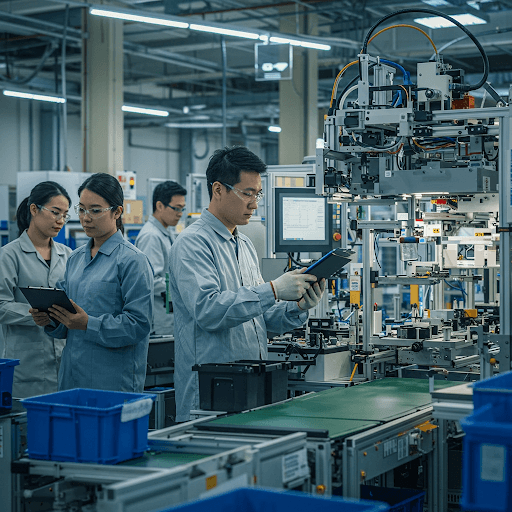
Jidoka is a production principle within the Toyota Production System (TPS) that refers to a mechanism enabling the detection of errors during production and the subsequent stopping of the process either automatically or through operator intervention. The term originates from Japanese and is defined as “infusing human intelligence into automation” or “human-controlled automation.” The Jidoka principle centers on quality within the production process and provides a structure that prevents faulty o
ENEmre Özen