

`kutub-minar` ile İlgili Madde Sonuçları
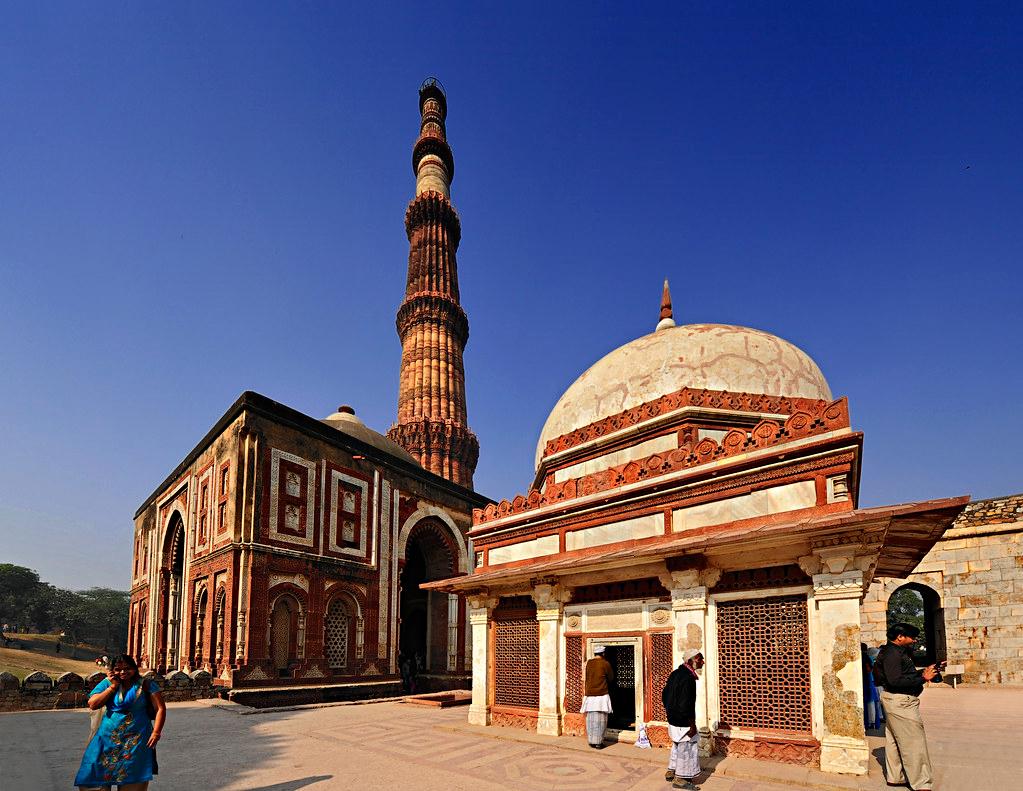
Kutub Minar
Hint-İslam mimarisinin başlangıç ve gelişim aşamalarını temsil eden anıtlar topluluğunun merkezinde yükselen bu minare, Delhi Sultanlığı'nın ilk dönemine ait bir zafer kulesidir. Etrafını çevreleyen yapılarla birlikte, bölge "Kutub Minar ve Anıtları" adıyla bilinir. Minarenin kendisi, 72,59 metrelik yüksekliğiyle hem Delhi'nin hem de Hindistan'daki taş kulelerin en yükseği olma unvanını taşımaktadır. Tarihçe ve İnşa Süreci Minarenin inşasına, Gurlu hükümdarı adına Delhi'yi fetheden ve Delhi Türk
TR
Nursena Şahin
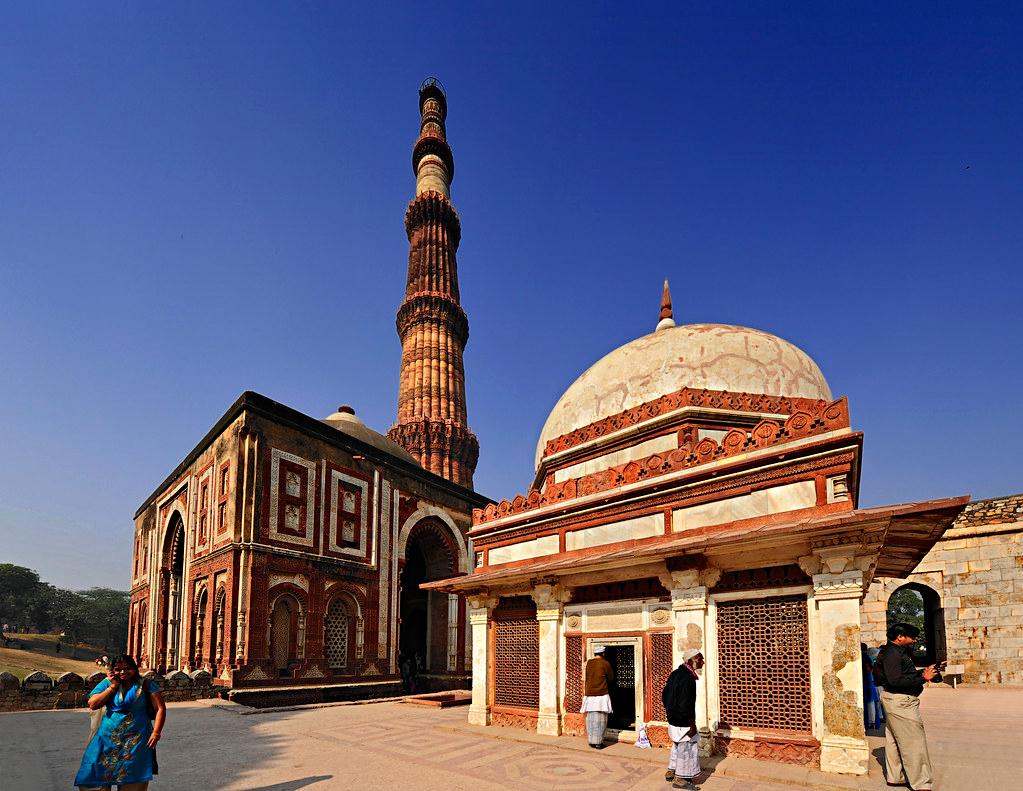
Kutub Minar
Rising at the heart of the ensemble of monuments representing the origins and development of Indo-Islamic architecture, this minaret is a victory tower from the early period of the Delhi Sultanate. Together with the surrounding structures, the area is known as the “Qutub Minar and Monuments.” The minaret itself holds the distinction of being the tallest stone tower in both Delhi and India, standing at a height of 72.59 meters. History and Construction Process Construction of the minaret began in
EN
Nursena Şahin
Kutub Minar
Rising at the heart of the ensemble of monuments representing the beginnings and development of Indo-Islamic architecture is this minaret, a victory tower from the early period of the Delhi Sultanate. Together with the surrounding structures, the area is known as the “Qutub Minar and Monuments.” The minaret itself, at a height of 72.59 metres, holds the distinction of being the tallest stone tower in both Delhi and India. History and Construction Process Construction of the minaret began in 1193
ENNursena Şahin