

`japonmutfagi` ile İlgili Madde Sonuçları
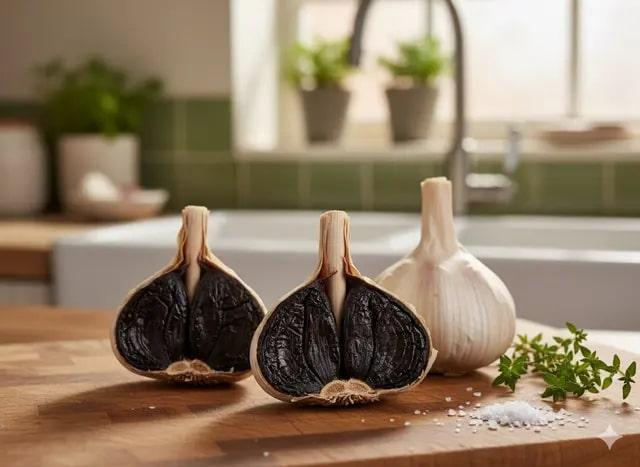
Aomori Kuro Ninniku
Aomori Kuro Ninniku is a processed food product made from the large-sized cold-climate garlic variety known as "Fukuchi White," cultivated in Aomori Prefecture, Japan, and matured at high temperatures. It is registered as a Geographical Indication (GI) product. Production Process and Raw Materials The raw material of Aomori Kuro Ninniku is the large-sized garlic variety called "Fukuchi White," grown in Aomori Prefecture. This garlic is well-suited to the region’s cool climate. In the production
EN
Nursena Şahin
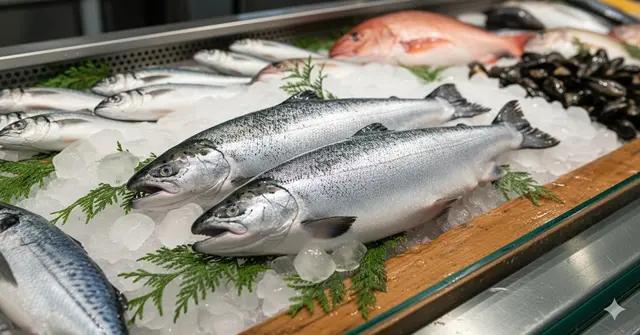
Miyagi Salmon
Miyagi salmon is a brand of fresh silver salmon (Coho salmon) farmed in Miyagi Prefecture, Japan. This salmon maintains its original flavor after being fished, making it suitable for raw consumption. History and Cultivation Salmon has been a staple in Japan's diet since the Jomon period. Coho salmon (silver salmon) is a cold-water fish native to the Sea of Okhotsk and the North Pacific Ocean and was not native to Japan. However, due to its fast growth, it was considered suitable for aquaculture,
ENNursena Şahin
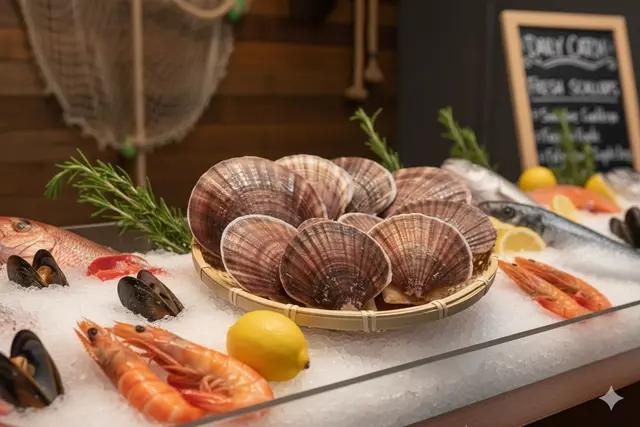
Iwate Nodamura Araumi Hotate
Iwate Nodamura Araumi Hotate is a scallop variety cultivated in Noda Bay off the coast of Noda Village, Iwate Prefecture, Japan. The product is registered as a Geographical Indication (GI) in Japan. "Araumi" (荒海) means "wild sea" and reflects the nature of the environment in which the scallops are cultivated. Breeding and Quality Characteristics A key aspect of raising the Iwate Nodamura Araumi Hotate is providing an environment with sufficient space for the scallops to swim freely. The scallops
ENNursena Şahin
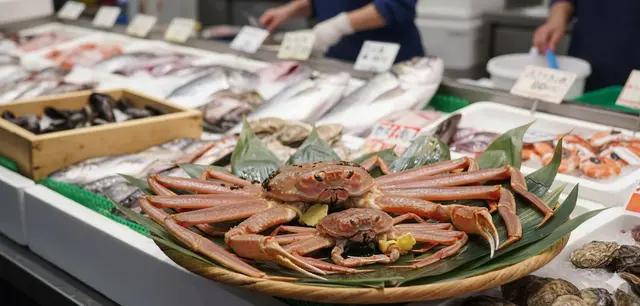
Echizen Gani / Echizen Kani
Echizen Gani is a snow crab variety native to Fukui Prefecture, Japan, and is known as both "Echizen Gani" and "Echizen Kani." It is registered as a Geographical Indication (GI) in the seafood category. It is recognized in Japan as a representative aquatic product of the prefecture, its price per weight exceeds the national average, and its quality makes it a local specialty of Fukui Prefecture. Geographical Conditions The production area for Echizen Gani is Fukui Prefecture. The sea west of the
ENNursena Şahin
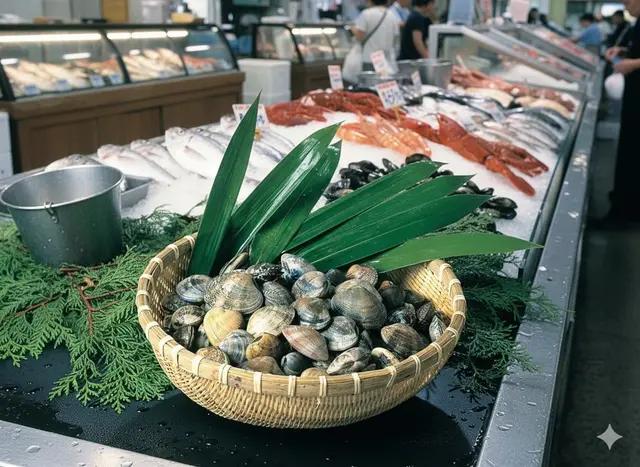
Ono Asari
Ono Asari is a type of short-necked clam (sand clam) that grows to a shell length of 35 mm or more. Its flesh is meaty and plump. Ono Asari is a registered Geographical Indication (GI) product in Japan. Harvest and Method Fishermen manage their fishing areas within their assigned blocks and harvest oysters only on their own blocks, using hand-digging with rakes at low tide. During harvest, small oysters lacking the characteristics of Ono Asari are returned to their designated fishing grounds. On
ENNursena Şahin
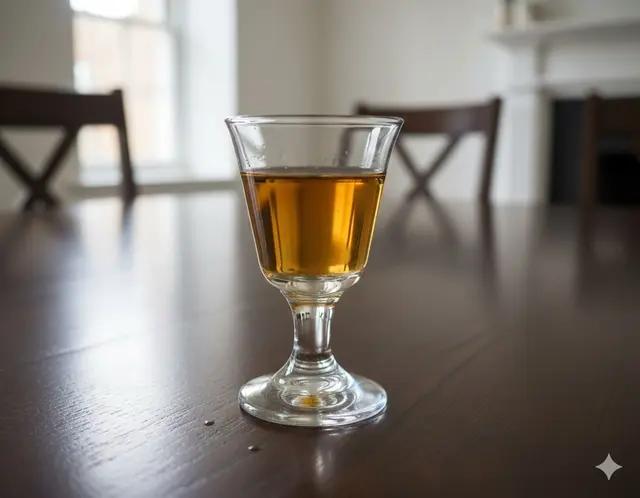
Ryukyu Moromi Su
Ryukyu Moromi su is an amber-colored, acidic beverage native to Okinawa Prefecture, Japan, and protected by a Geographical Indication (GI). It is produced from a base solution obtained by pressing and filtering the moromi (pulp) residue left over from the production process of Ryukyu Awamori, Okinawa Prefecture's traditional alcoholic beverage. Because its primary acidic component is citric acid, it lacks the pungency and acetic odor of traditional vinegars. History The production method for Ryu
ENNursena Şahin
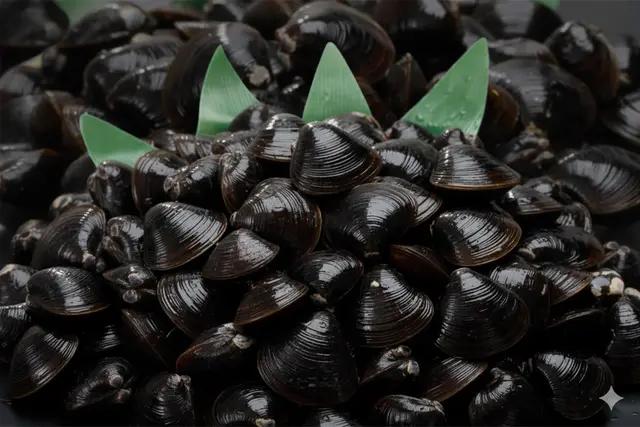
Jusankosan Yamato Shijimi
Jusankosan Yamato Shijimi is a variety of Yamato shijimi (Asian oyster) grown in Lake Jusanko, Aomori Prefecture, Japan. This seafood is registered under Japan's Geographical Indications (GI) system and is protected by registration number 23. History and Management Yamato shijimi is obtained by dredging the lake bottom using fishing nets with a mesh size of 12 mm or larger. The catch is sifted by machine or by hand to ensure that any smaller than the minimum size for transport are released back
ENNursena Şahin
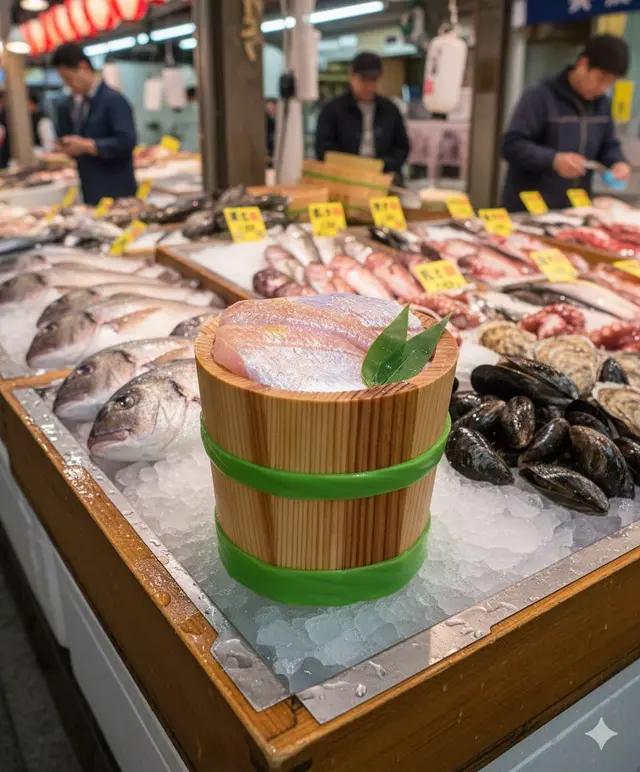
Wakasa Obama Kodai Sasazuke
Wakasa Obama Kodai Sasazuke is a traditional processed food made from small sea bream (Yellowback) and registered as a geographical indication (GI) and is native to Obama City, Fukui Prefecture, Japan. Geographical and Historical Origin The production area for Wakasa Obama Kodai Sasazuke is Obama City, located in Fukui Prefecture. The city overlooks Wakasa Bay, a rare example of a rias-type coastline that stretches from Kyoto to Fukui Prefecture and forms a deep cut into the Sea of Japan coastli
ENNursena Şahin

Hatcho Miso
Hatcho Miso is a type of miso produced in Aichi Prefecture, Japan, distinguished from other miso varieties by its deep reddish-brown color and aroma. This miso is made using only soybeans and salt, distinguishing it from miso from other regions that use rice (or wheat) as their primary ingredients. Known for its flavors of medium acidity, umami, bitterness, and astringency, Hatcho Miso has long been associated with the people of Aichi Prefecture's preference for flavorful foods and has become a
ENNursena Şahin
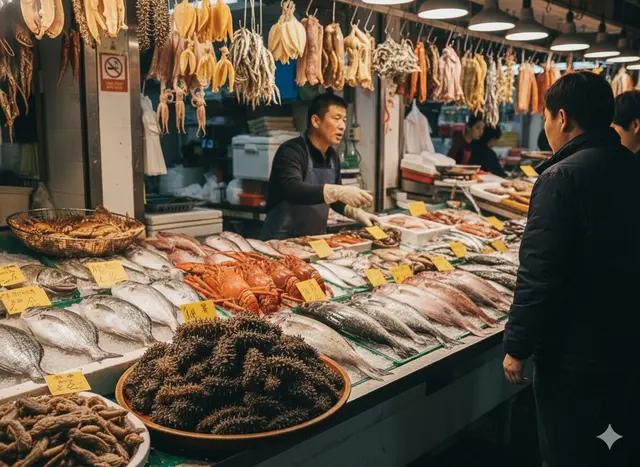
Hiyama Haishen
Hiyama Haishen is a special type of dried sea cucumber that is unique to the Hiyama region in Japan's Hokkaido prefecture and is a certified Geographical Indication (GI) product. The product is protected under the Processed Marine Product (Dried Sea Cucumber) category. History The production of dried sea cucumber in the Hiyama region has a long history. During the Edo period (1604-1867), dried sea cucumber was recorded as one of the marine products exported to the Qing Dynasty (present-day China
ENNursena Şahin