

`ibrahim-kalin` ile İlgili Madde Sonuçları
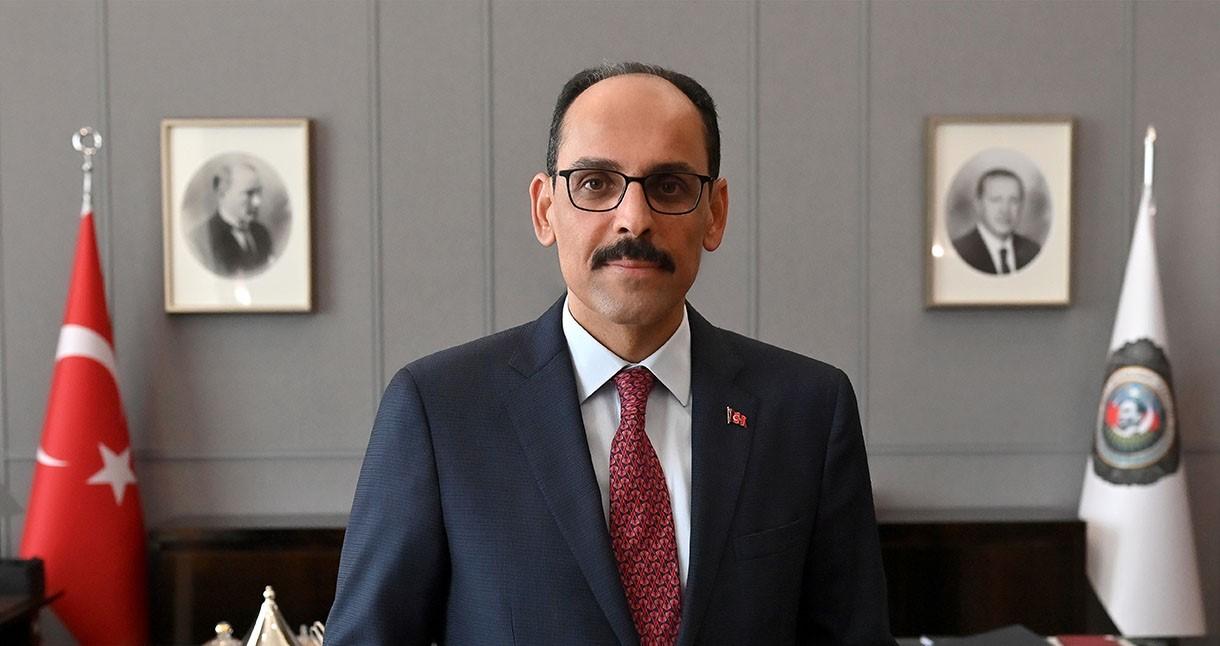
İbrahim Kalın
Ibrahim Kalın, Turkish academic, bureaucrat and diplomat, was born on 15 September 1971 in Istanbul into a family from the İspir district of Erzurum. He completed his undergraduate studies at Istanbul University, his master’s at the International Islamic University, and his doctorate at George Washington University. Throughout his academic career, he has focused particularly on Islamic philosophy, intercivilizational relations, and epistemology, delivering lectures at various universities in Tür
EN
Fatihhan Adana
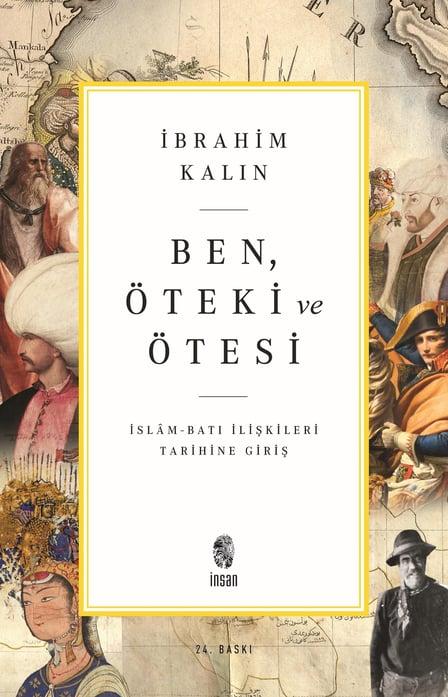
I, the Other and the Beyond (Book)
Me, the Other, and the Beyond is a work by İbrahim Kalın that focuses on the philosophical concepts of philosophy, identity, and the other. Published by İnsan Yayınları, this book examines the individual’s self-perception and their relationship with different cultures and civilizations through historical, philosophical, and theological perspectives. Subject The book explores the reflections of the relationship between the “self” and the “other” in the history of thought. It discusses how this re
EN
Derya Topçu
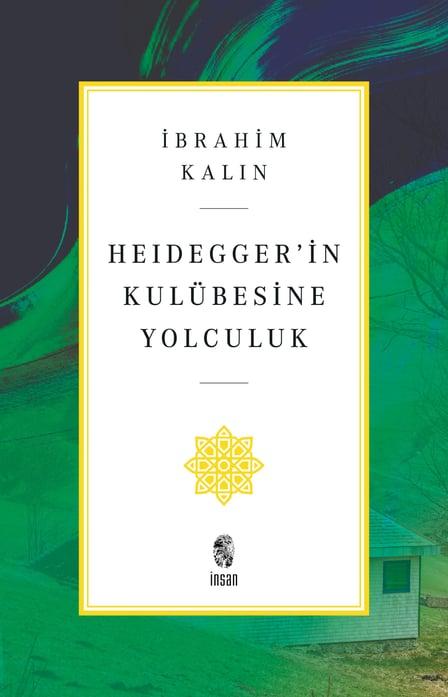
Heidegger’in Kulübesine Yolculuk (Kitap)
Heidegger’in Kulübesine Yolculuk, İbrahim Kalın tarafından kaleme alınmış felsefi bir deneme kitabıdır. Eser, yazarın 2019 yılında Almanya’nın Kara Orman bölgesinde, Todtnauberg köyünde bulunan Alman filozof Martin Heidegger’in kulübesini ziyaret etmesiyle başlamıştır. Bu ziyaret, kitabın düşünsel eksenini oluşturan “varlık” meselesine dair bir tefekkür yolculuğunun çıkış noktası olmuştur. Felsefi Arka Plan ve Temalar İbrahim Kalın, Heidegger’in düşüncesini soyut bir kuram üretimi olarak değil,
TR
Elif Laçin
İbrahim Kalın
İbrahim Kalın, Türk akademisyen, bürokrat ve diplomattır. Erzurum'un İspir ilçesinden gelen bir ailenin çocuğu olarak 15 Eylül 1971 tarihinde İstanbul'da doğdu. İstanbul Üniversitesi'nde lisans, Malezya Uluslararası İslam Üniversitesi'nde yüksek lisans, George Washington Üniversitesi’nde ise doktora eğitimini tamamladı. Akademik hayatında özellikle İslam felsefesi, medeniyetler arası ilişkiler ve epistemoloji konularına odaklanmış, Türkiye ve ABD'de çeşitli üniversitelerde ders vermiştir. Kraliy
TRFatihhan Adana
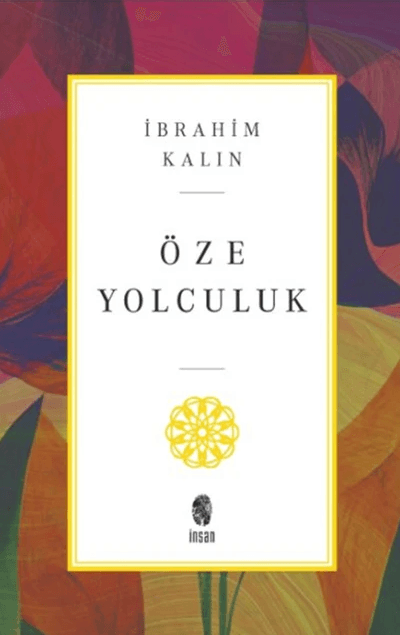
Self Journey (Book)
Ibrahim Kalın’s work Öze Yolculuk aims to embark on a journey into the individual’s inner world and to examine this process in depth from philosophical, religious, and cultural perspectives. In this book, while exploring the quest to discover the essence of human beings, Kalın focuses on important questions at both individual and societal levels. The book also discusses the interactions between Islamic philosophy, Sufism tradition, and West thought as it interrogates existential human questions,
EN
Elyesa Köseoğlu
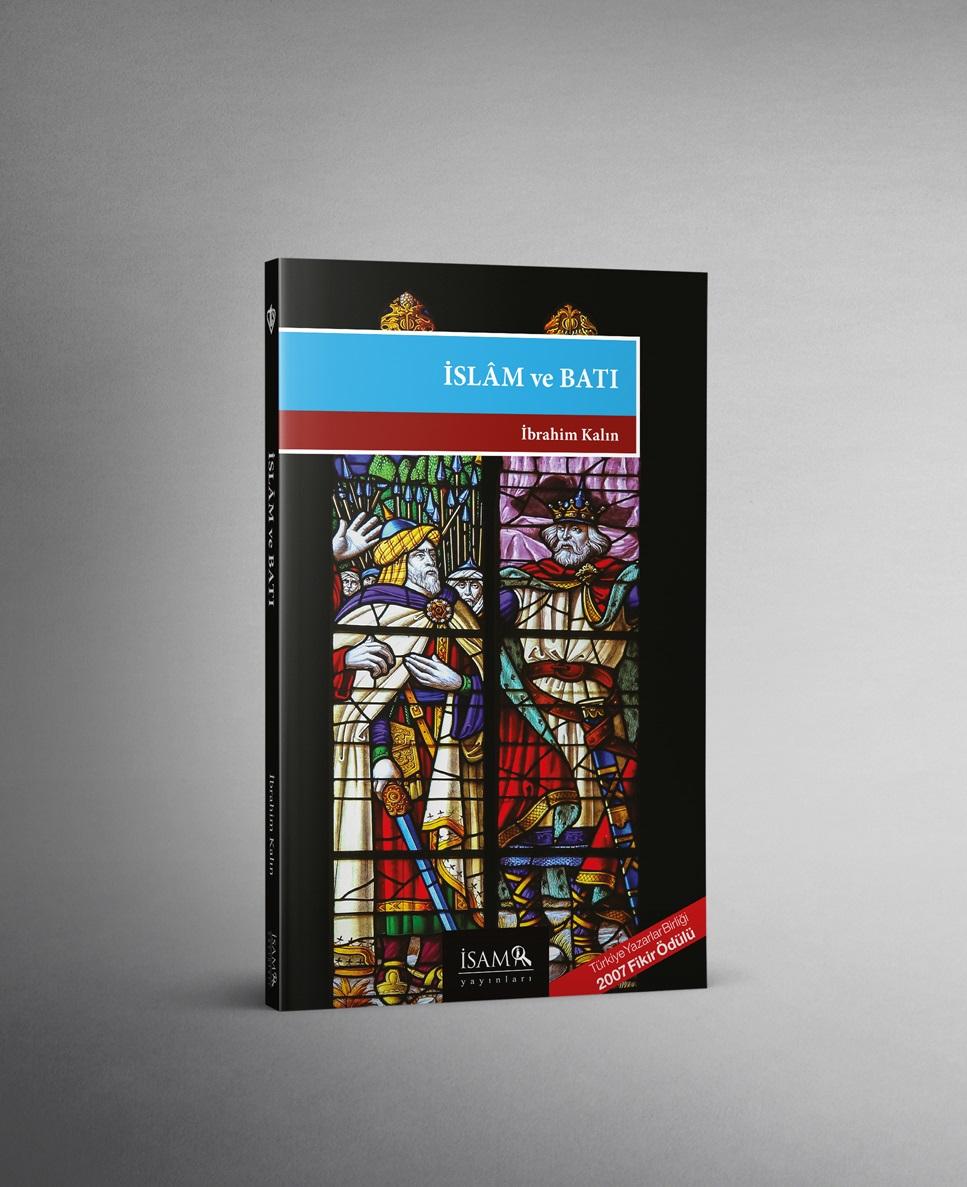
Islam and the West (Book)
Islam and the West is a work authored by Ibrahim Kalin. The book presents an examination of the historical, cultural, and intellectual dimensions of the relationship between Islamic and Western civilizations. It explains the mutual perceptions and interaction processes between the two civilizations within their historical contexts. Aim and Scope The work focuses on how the West conceptualized Islam and how this perception evolved historically. Within this framework, the origins of Western modes
EN
Fatma Fırat
 Na
NaNational Intelligence Academy (Türkiye)
The National Intelligence Academy (Milli İstihbarat Akademisi - MIA) is a higher education institution established within the National Intelligence Organization (Milli İstihbarat Teşkilatı - MIT) of Türkiye. The academy provides postgraduate education, scientific research, and publications in the fields of intelligence and national security. MIA aims is to enhance the academic and methodological dimensions of intelligence studies, advancing beyond intelligence as a craft to include rigorous theo
EN
Doğan Eşkinat
Journey to Heidegger’s Cottage (Book)
A Journey to Heidegger’s Cabin is a philosophical essay written by İbrahim Kalın. The work begins with the author’s visit in 2019 to the cabin of the German philosopher Martin Heidegger in the village of Todtnauberg, located in Germany’s Black Forest region. This visit became the starting point of a reflective journey that forms the intellectual core of the book: the question of “being.” Philosophical Background and Themes İbrahim Kalın interprets Heidegger’s thought not as an abstract theoretic
ENElif Laçin