

`habitat` ile İlgili Madde Sonuçları
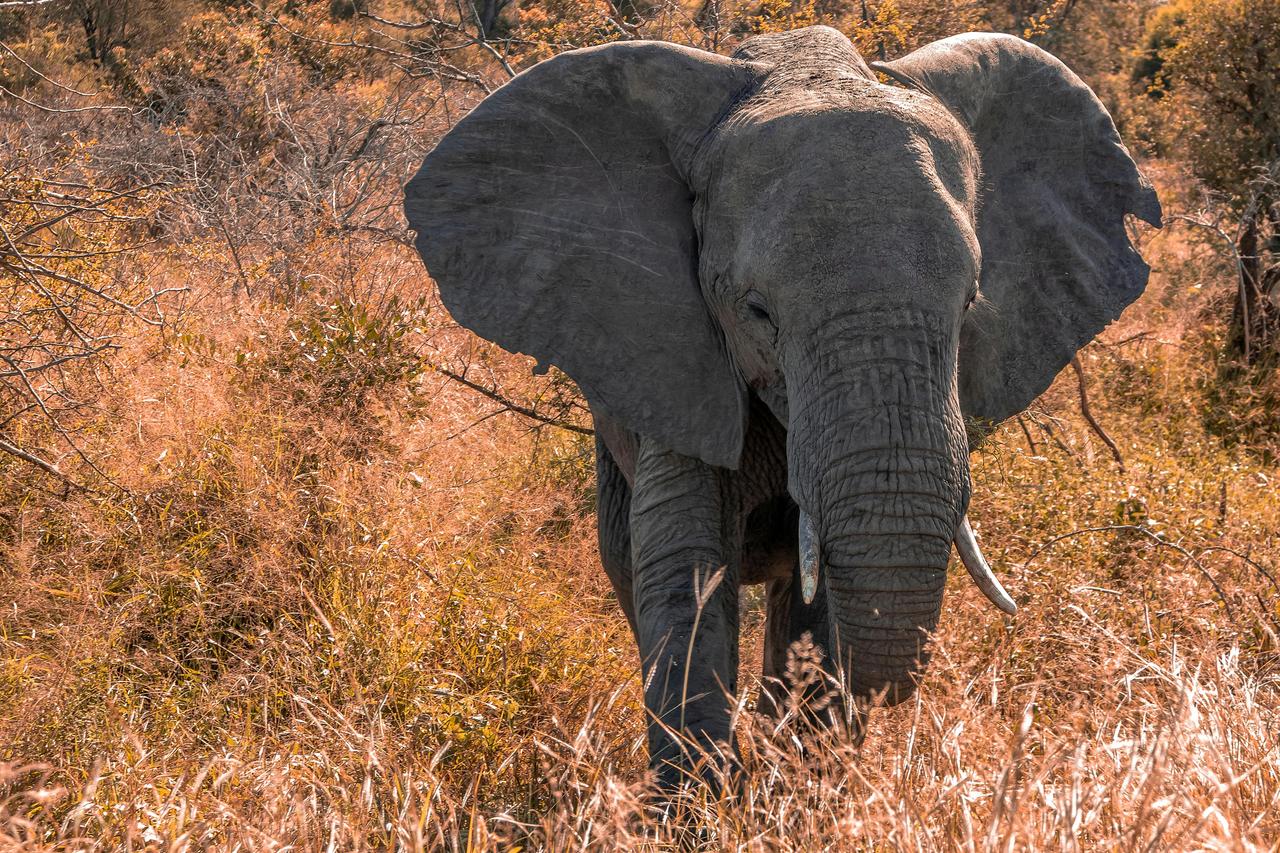
African Elephant
The African elephant (Loxodonta africana) is recognized as the largest land mammal on Earth. These massive creatures, which primarily inhabit the savanna, forest, and desert ecosystems of the African continent, hold significant biological and cultural importance. Recognized by their large size, broad ears, and long tusks, African elephants play a decisive role in maintaining ecosystem balance. African Elephant - Loxodonta africana (Pexels) " image-alternate="" image-element-format="right"> Hi
EN
Dilara Cihan
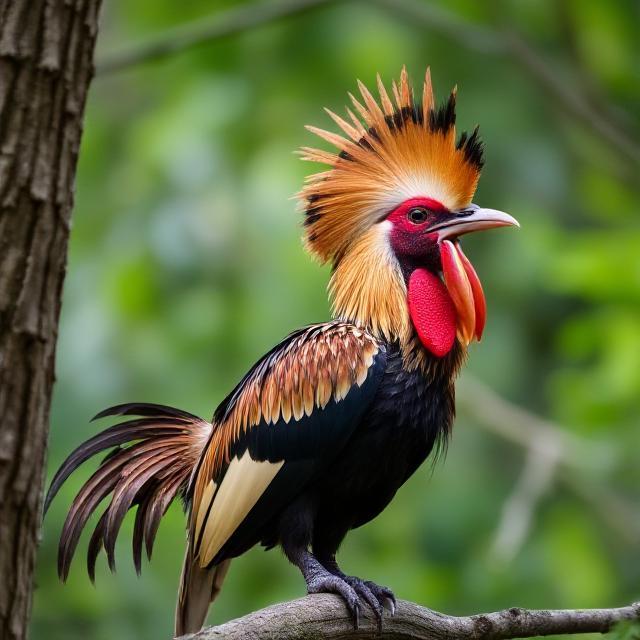
Hoatzin (Opisthocomus hoazin)
Hoatzin (Opisthocomus hoazin) is a bird species endemic to the Amazon and Orinoco river basins of South America, notable for its unique morphological and behavioral traits. It is particularly distinguished by its digestive system, social structure, and reproductive habits. Morphological Characteristics The hoatzin measures 63–70 cm in length and weighs approximately 600–700 grams. Its plumage is primarily olive-green and brown; however, its defining visual features are the long, feathery crest o
EN
Mustafa Özdemir
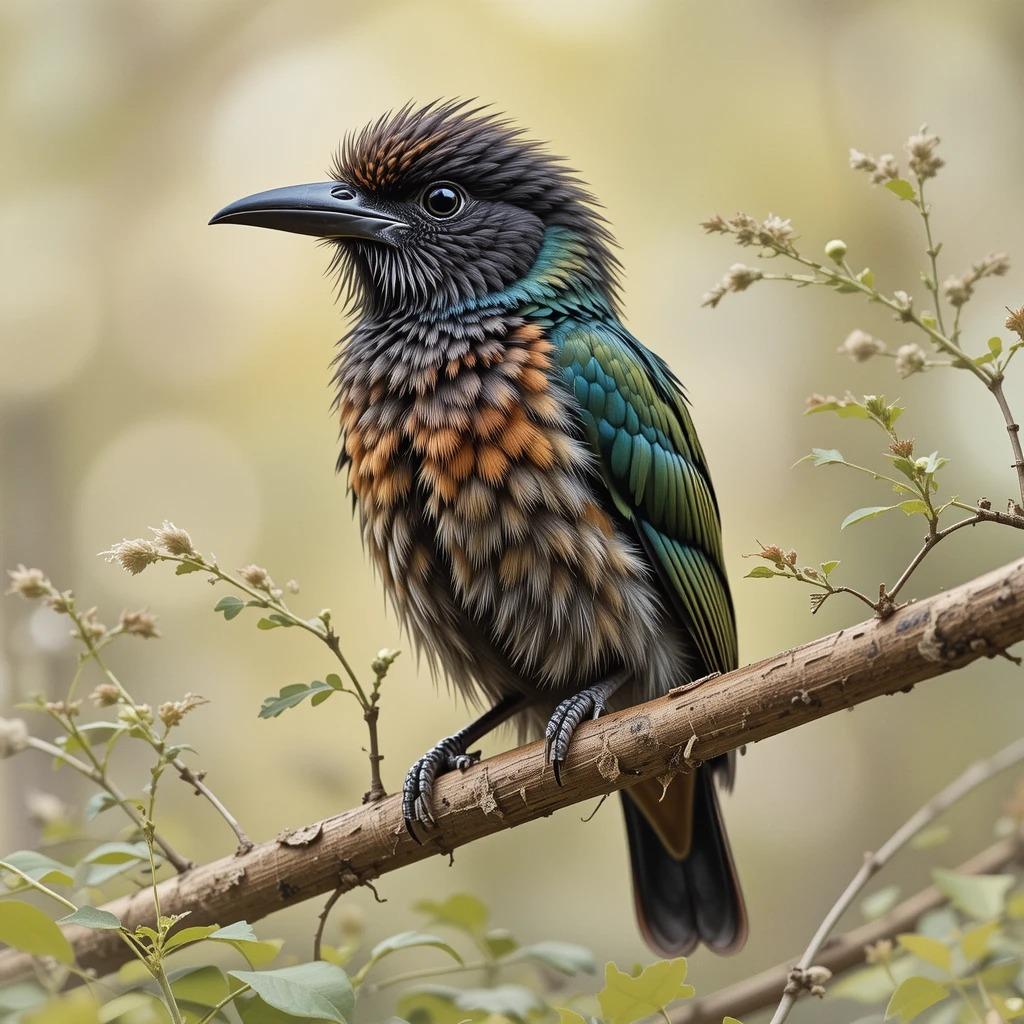
Bearded Barbet (Lybius dubius)
The Bearded Barbet is a bird species belonging to the family Lybiidae. This species, scientifically known as Lybius dubius, is distinguished by its large beak and the stiff feathers surrounding it, which resemble a beard. Adult individuals measure approximately 26–27 cm in length and are characterized by a bright red chest, black back, and yellowish underparts. The beak is strong and yellow, with black skin around the eyes. Distribution and Habitat The Bearded Barbet is found across western Afri
ENMustafa Özdemir
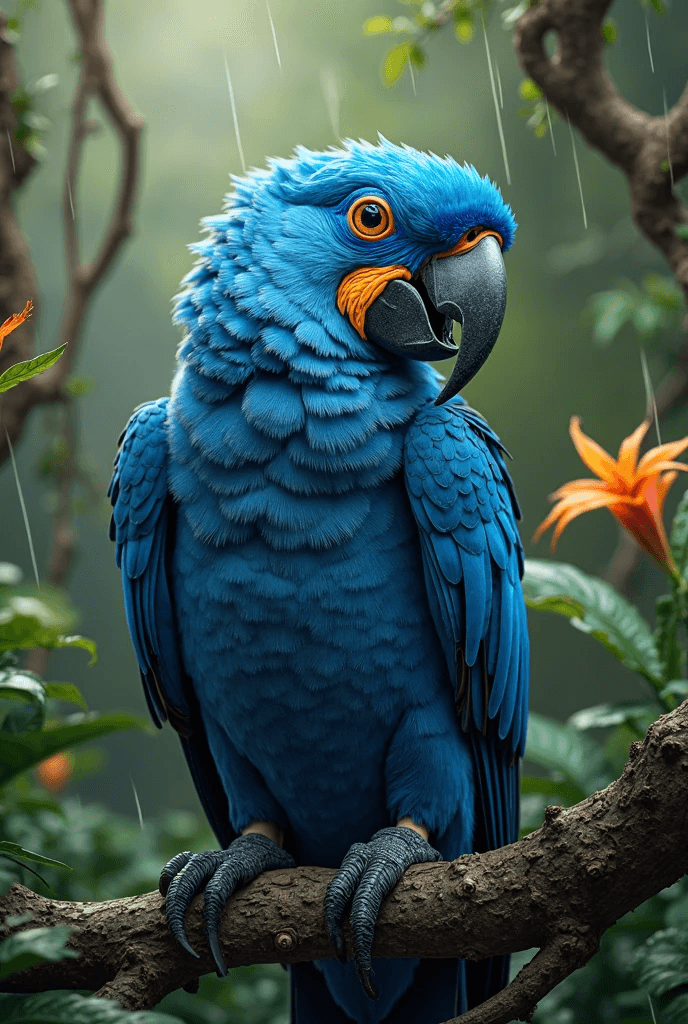
Spix's Macaw (Cyanopsitta spixii)
Spix’s macaw (Cyanopsitta spixii) is a medium-sized parrot species native to northeastern Brazil, characterized by blue-toned plumage. It is considered extinct in the wild due to habitat destruction and illegal poaching. However, through international conservation efforts, the goal is to reintroduce the species into the wild using individuals bred in captivity. Physical Characteristics The Spix’s macaw measures approximately 56 cm in length and weighs around 300 grams. Its feathers are grayish-b
ENMustafa Özdemir
 Ca
CaCalifornia Condor (Gymnogyps californianus)
California condor (Gymnogyps californianus) is the largest flying land bird in North America and belongs to the New World vulture family (Cathartidae). This species is notable for its extensive wingspan, feather structure, and long lifespan, and is classified among animals at risk of extinction. Due to its morphological characteristics and ecological importance, it is the subject of numerous biological studies. Taxonomy and Morphology The California condor is classified at the species level as G
ENMustafa Özdemir
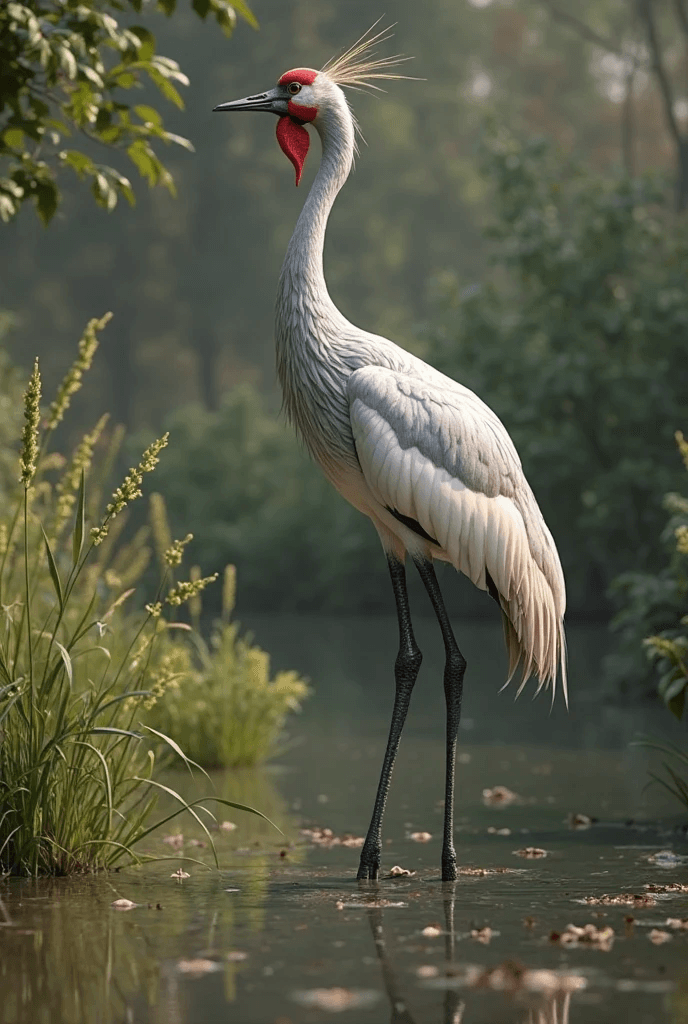
Wattled Crane (Bugeranus carunculatus)
Wattled Crane is the largest crane species in Africa and is highly dependent on wetland habitats. This species is found in eastern and southern Africa, particularly in extensive swamps and river floodplains of Zambia and Botswana. Its global population is estimated at approximately 6,000–8,000 individuals and is classified as "Vulnerable" by the IUCN. Physical Characteristics The Wattled Crane stands about 175 cm tall and weighs 7.5–9 kg. It is distinguished by its gray back, black underparts, l
ENMustafa Özdemir
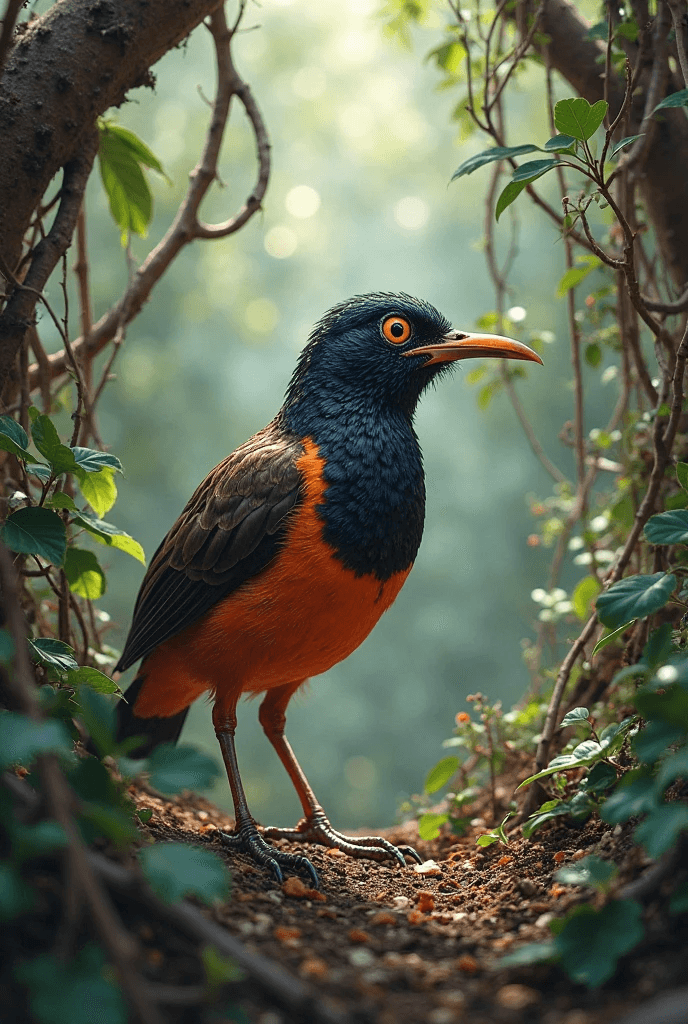
Noisy Scrub-bird (Atrichornis clamosus)
Noisy Scrub-bird (Atrichornis clamosus) is a bird species endemic to western Australia and critically endangered. The species was once thought to have gone extinct in the 1960s but was rediscovered in 1961. This rediscovery marked a crucial turning point for its conservation and survival. However, it remains under significant threat with a very limited population. Physical Characteristics Size and Weight: The Noisy Scrub-bird measures approximately 19 to 23 cm in length and weighs between 25 and
ENMustafa Özdemir
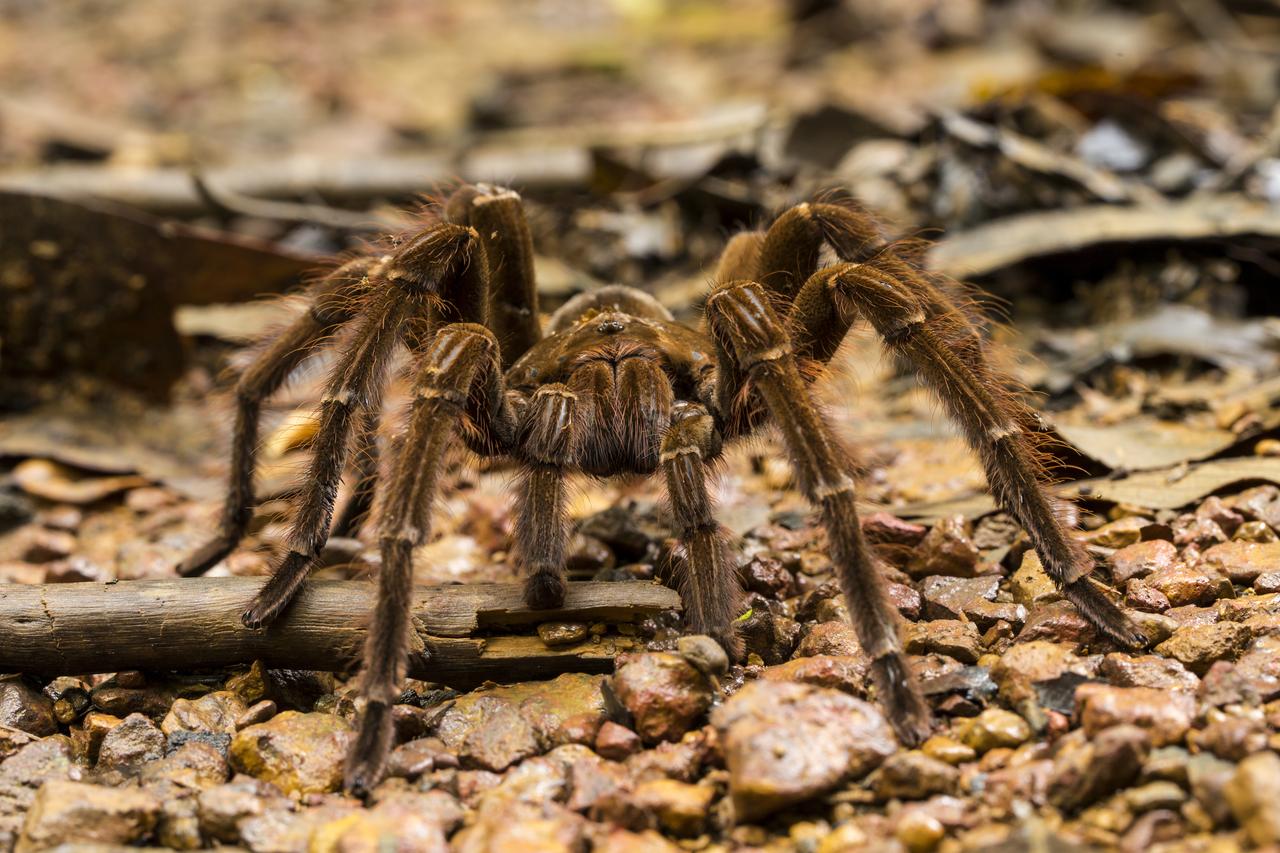
Goliath Bird-Eating Tarantula (Theraphosa blondi)
The Goliath Bird-Eating Tarantula (Theraphosa blondi) is known as the largest tarantula species in the world. It was first scientifically described by Pierre André Latreille in 1804. This spider, belonging to the family Theraphosidae, is particularly notable for its size. The name “Goliath” derives from a term used in ancient times to describe giants, while the term “bird-eating” does not refer directly to its feeding habits. It was inspired by an 18th-century engraving depicting a spider believ
EN
Emirhan Özkan
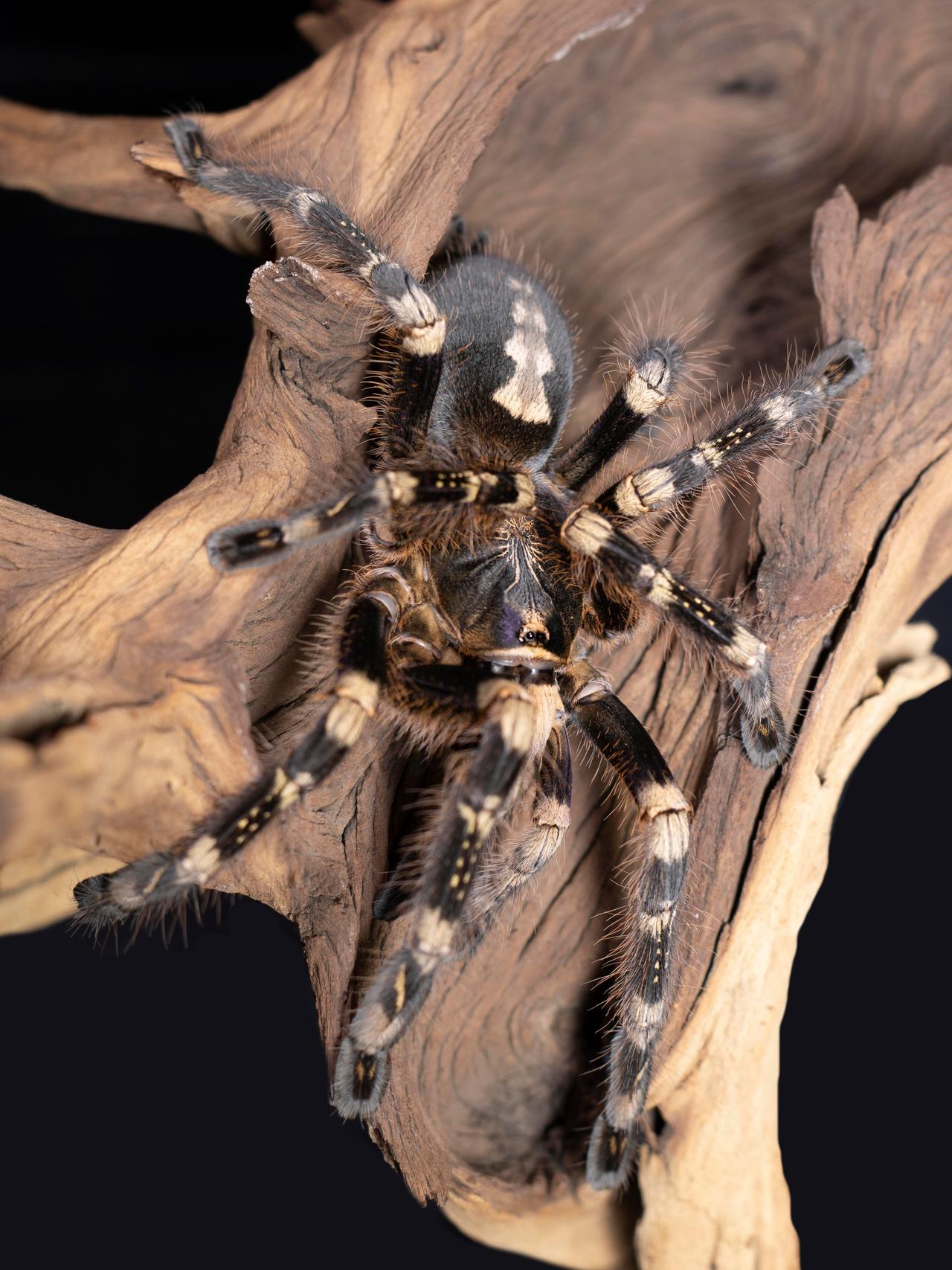
Indian Ornamental Tarantula (Poecilotheria regalis)
Poecilotheria regalis is an exotic tarantula species native to India, known for its diverse color patterns, high mobility, and aggressive defensive behaviors. The name “Indian Ornamental Tarantula” derives from its aesthetic appearance. This tarantula is one of the most widely recognized members of the genus Poecilotheria and is frequently studied in both scientific and hobbyist contexts. Its arboreal lifestyle distinguishes it from ground-dwelling tarantulas. Its arboreal structure directly inf
ENEmirhan Özkan
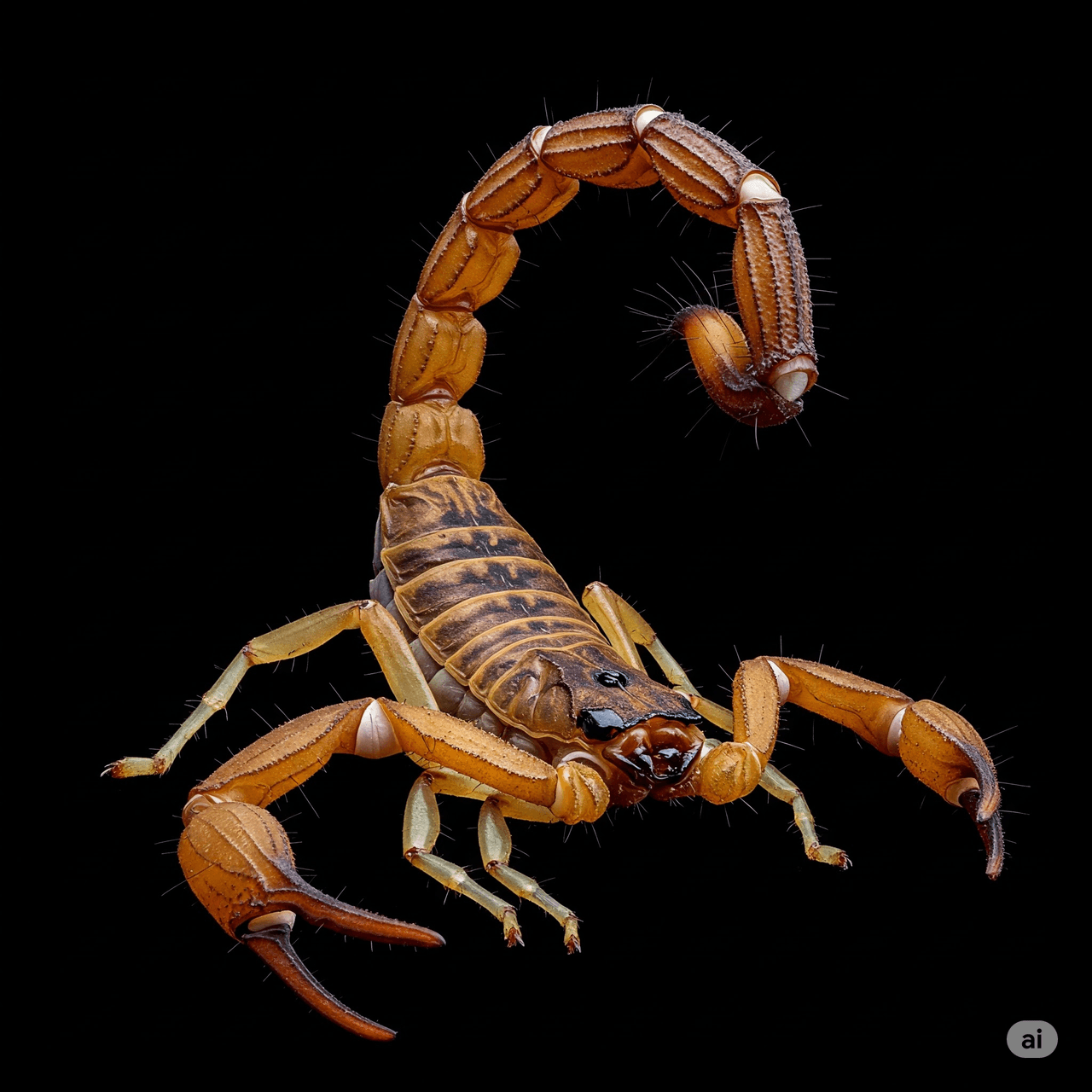
Death Scorpion (Leiurus quinquestriatus)
The Deathstalker Scorpion (Leiurus quinquestriatus), a scorpion species of major medical and toxicological importance, is widely distributed across the deserts of North Africa and the Middle East. This species is also known by various common names such as “yellow scorpion” or “Palestinian yellow scorpion,” though these refer to different species. Notable for its venom composition, behavioral traits, habitat preferences, and impact on human health, this species is regarded both as an ecologically
ENFatih Atalay