
Bu madde henüz onaylanmamıştır.
+2 Daha
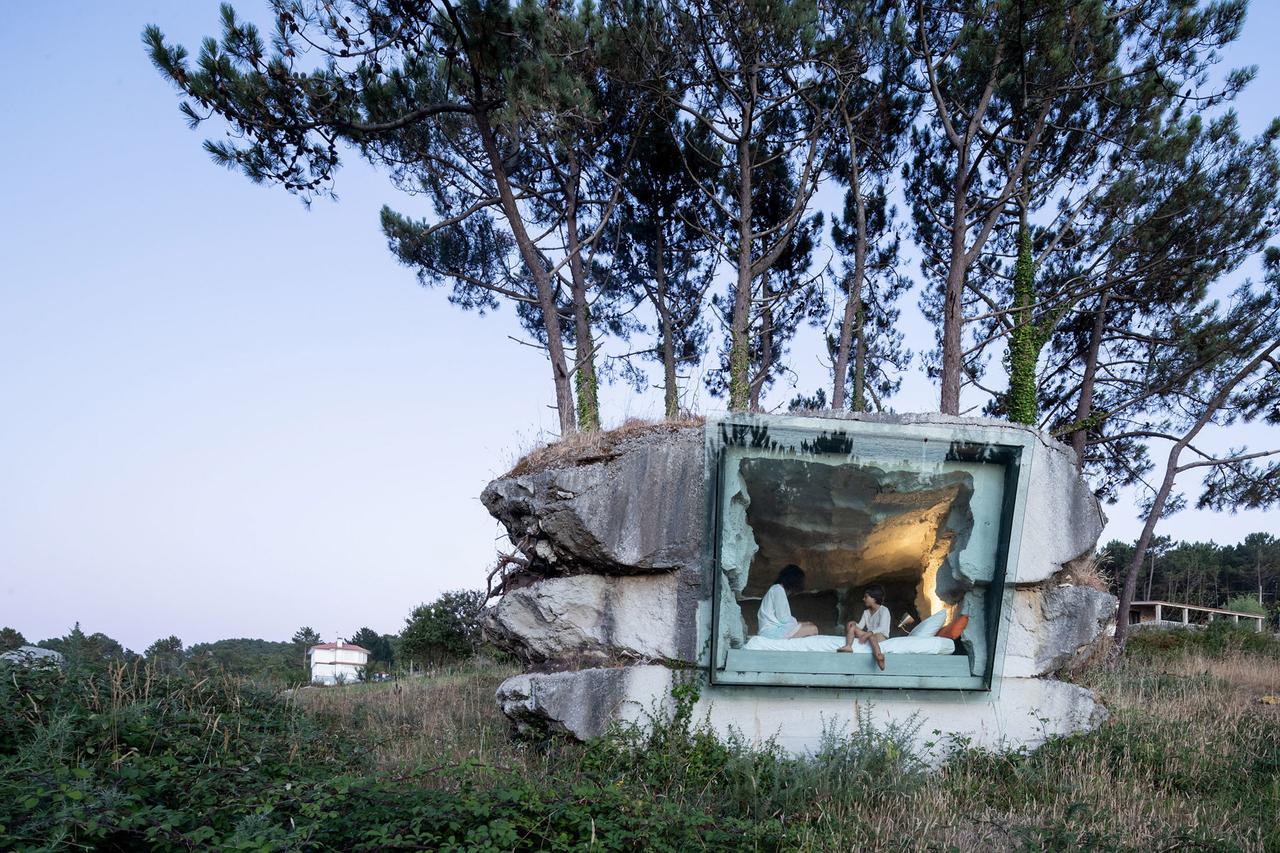
Exterior view of The Truffle (EsArq)
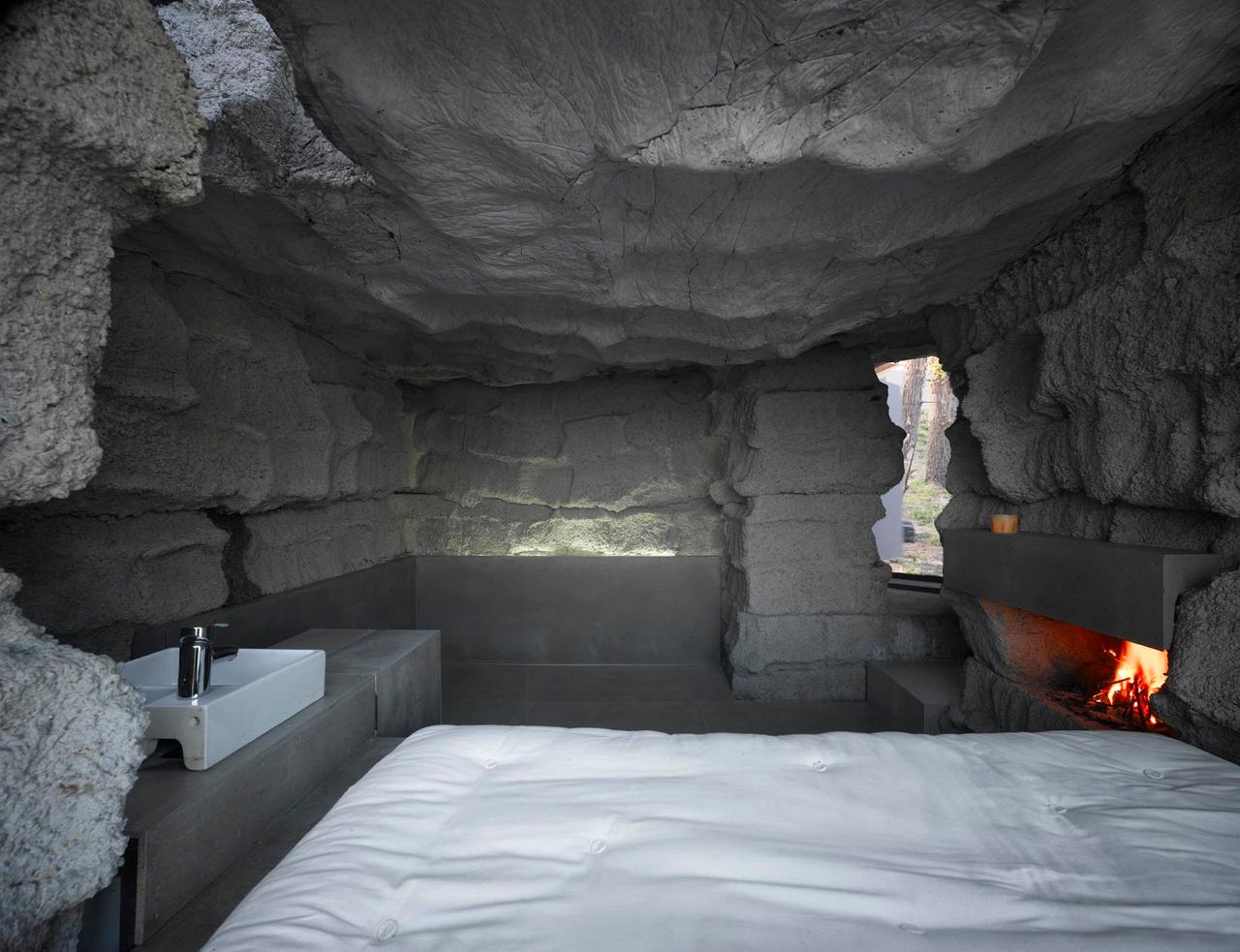
Inside of The Truffle (EsArq)
The Truffle is an experimental architectural project designed by Ensamble Studio in Costa da Morte, Spain. Completed in 2010, the project explores the relationship between architecture, landscape, materiality, and natural processes. The structure was designed as a small inhabitable retreat that appears like a natural stone emerging from the ground. Through unconventional construction methods using earth, hay, and concrete, the project questions the boundary between the built and the natural environment.
The Truffle (Ensamble Studio)
The project is located in the region of Costa da Morte in Galicia, northwestern Spain. The rugged coastal landscape and geological character of the area strongly influenced the design. Rather than creating an object placed on the land, the architects aimed to produce a structure that visually and materially merged with its surroundings. The building’s irregular exterior surface resembles a naturally formed rock, allowing it to camouflage within the terrain.
The main concept behind The Truffle was to imitate natural geological formation processes. The architects described the project as “a piece of nature built with earth, full of air.” Instead of following conventional architectural construction techniques, the project developed through excavation, compression, and casting processes inspired by mineral formation.
The structure was conceived as a mass rather than a traditional building. Its design emphasizes primitive shelter, material experimentation, and the transformation of raw matter into inhabitable space. The project also reflects Le Corbusier’s Cabanon through its compact dimensions and minimal living program.
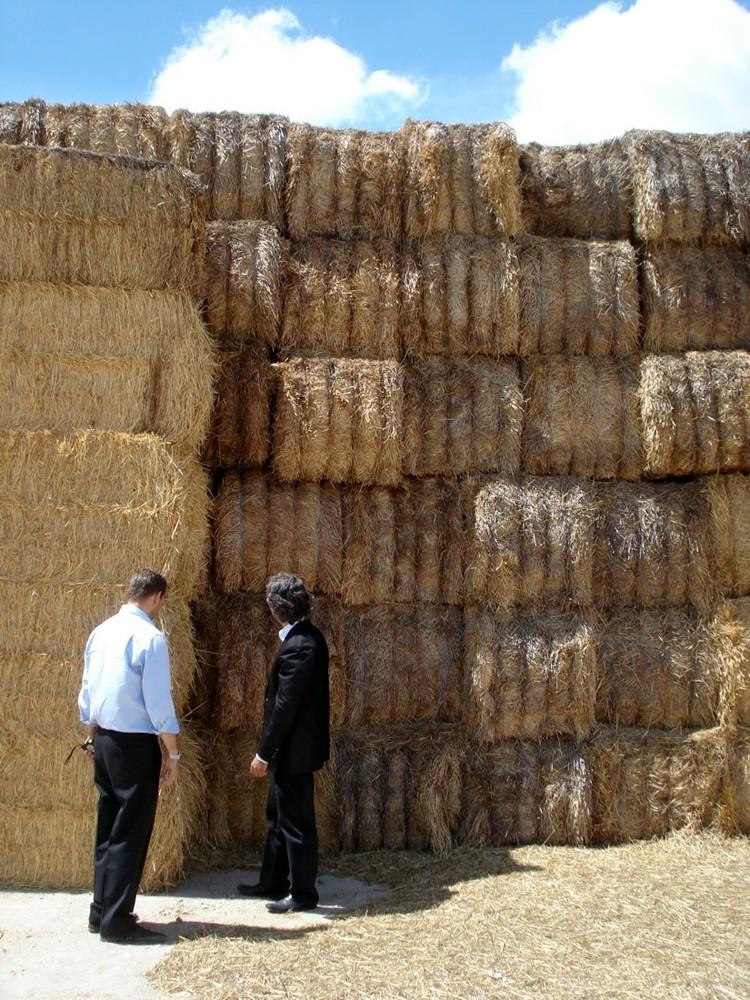
The hays used in The Truffle (ArchDaily)
The construction method of The Truffle is one of the project’s most distinctive aspects. First, a cavity was excavated into the ground, and the removed soil was piled around the perimeter to create a temporary retaining wall. Hay bales were then stacked inside the cavity to define the future interior space. Concrete was poured into the gap between the soil and the hay, creating a solid mass around the compressed hay structure.
After the concrete hardened, the surrounding soil was removed, revealing an irregular stone-like form. Quarry-cutting machinery was used to open parts of the structure and expose the interior. The remaining hay inside the concrete shell was later eaten by a calf named Paulina over the course of approximately one year. Through this process, the interior space gradually emerged.
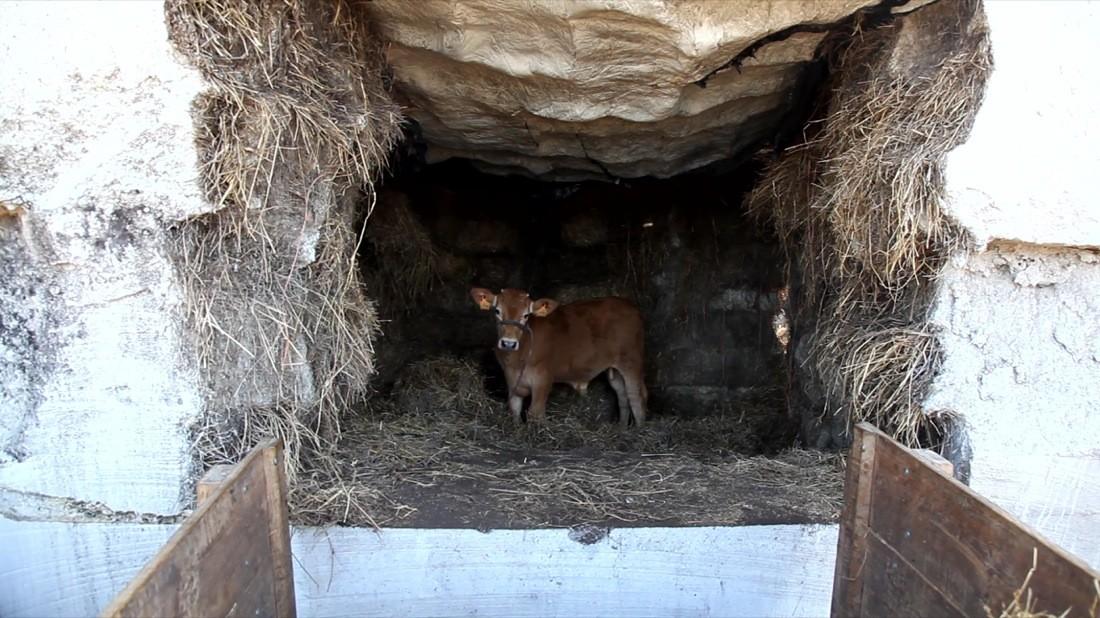
Calf named Paulina which ate the hays inside the concrete structure (ArchDaily)
The interior space is approximately 25 square meters and includes the essential functions of a small living environment. Openings carved into the concrete frame views toward the Atlantic Ocean, while the thick walls create a cave-like atmosphere. Light enters selectively through these cuts, emphasizing the contrast between solid mass and hollowed space.
The building is primarily constructed from mass concrete without conventional reinforcement. The texture of the surrounding earth transferred directly onto the concrete surface, giving the structure an organic appearance. Inside, the compressed hay created irregular textures and curved surfaces that contrast with the rough exterior.
The Truffle became internationally recognized for its radical approach to construction and material experimentation. The project demonstrates how architecture can emerge from processes typically associated with nature rather than industrial fabrication. It also challenges conventional distinctions between architecture, sculpture, and landscape.
The project is considered an important example of experimental contemporary architecture due to its low-tech construction logic, direct engagement with natural materials, and emphasis on process-based design. The unconventional involvement of the animal in shaping the interior further reinforced the project’s exploration of time, transformation, and coexistence between architecture and nature.
ArchDaily. “The Truffle / Ensamble Studio.” Published June 18, 2010. Accessed May 14, 2026. https://www.archdaily.com/57367/the-truffle-ensamble-estudio
Arquitectura Viva. “House on the Death Coast.” Accessed May 14, 2026. https://arquitecturaviva.com/works/house-on-the-death-coast
Ensamble Studio. “The Truffle.” Accessed May 14, 2026. https://www.ensamble.info/thetruffle
La Casa de la Arquitectura. “La Trufa.” Accessed May 14, 2026. https://lacasadelaarquitectura.es/recurso/la-trufa/61b8b82e-feb4-4259-a1cd-6dbd7972db97
The Architectural Review. “The Truffle in Costa da Morte, Spain, by Ensamble Studio.” Published July 8, 2010. Accessed May 14, 2026. https://www.architectural-review.com/buildings/concrete/the-truffle-in-costa-da-morte-spain-by-ensamble-studio
Yellowtrace. “Ensamble Studio: The Truffle, Costa da Morte, Spain.” Published July 15, 2010. Accessed May 14, 2026. https://www.yellowtrace.com.au/ensamble-studio-the-truffle-costa-da-morte-spain/

Henüz Tartışma Girilmemiştir
"The Truffle" maddesi için tartışma başlatın
Location and Context
Design Concept
Construction Process
Materiality and Spatial Qualities
Architectural Significance
Bu madde yapay zeka desteği ile üretilmiştir.