

Bu madde henüz onaylanmamıştır.
Supercharger is a power-enhancing system used in internal combustion engine vehicles. This system compresses additional air into the engine, providing more oxygen, which leads to increased fuel combustion. As a result, more power is generated, boosting the engine's performance. Superchargers are typically connected to the intake manifold or valve cover. Based on the engine's working principle, pulleys, gearboxes, or belts transfer power from the engine's rotational movement to drive the supercharger. This rotation enables a compressor inside the supercharger to increase air intake, pumping more air into the engine's cylinders.
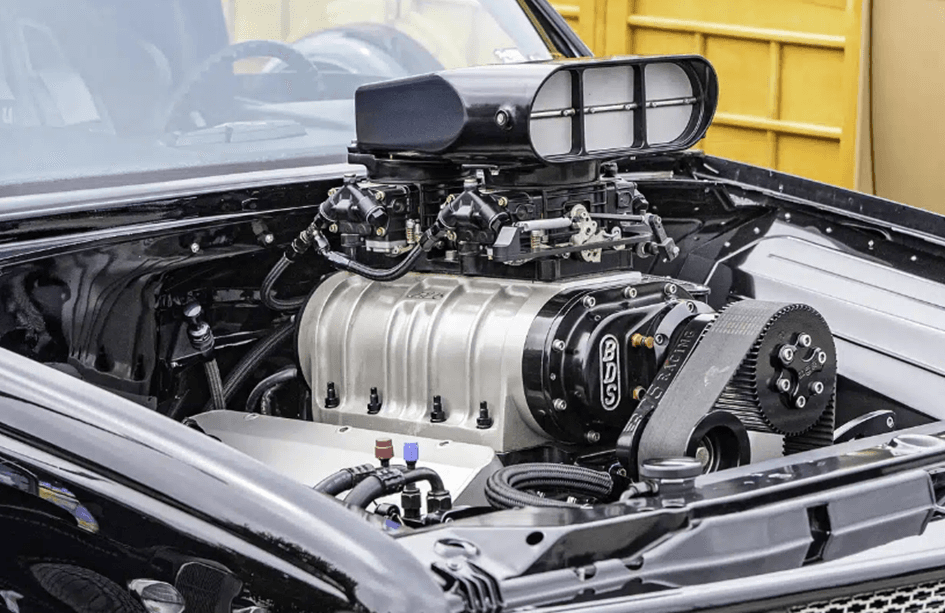
Supercharger source
Superchargers are generally used as an alternative to turbocharger systems, offering a different method to increase engine air intake. They are typically more expensive and require installation, making them more complex than turbochargers. However, since they are directly connected to the engine's RPM, they provide a faster response time compared to turbochargers. This results in quicker acceleration and a more immediate power boost. In mechanical supercharging, it is not possible to utilize the energy from the engine's exhaust gases. A supercharger is not a turbo. It acts as a compressor that functions as an air pump. Turbocharger systems use exhaust gases to increase engine power, meaning they do not steal power from the engine. In contrast, supercharger systems are directly driven by the crankshaft, requiring a portion of the engine's power for operation. Both systems have advantages and disadvantages that vary depending on their applications and conditions. The biggest drawback of mechanical supercharging is that it takes power from the engine, leading to an efficiency loss of approximately 10% and generating excessive noise. Maintenance costs are high, and despite operating under greater mechanical and thermal loads, it has lower torque characteristics and less acceleration capability.
In passenger cars, a supercharger typically provides an increase of approximately 15-20 HP.
For sports cars, the gain ranges between 50-100 HP, depending on the setup and engine displacement.
Off-road vehicles experience an improvement of around 30-60 HP, benefiting from increased torque for rugged terrains.
Turbocharged vehicles see the highest boost, with superchargers adding approximately 150-200 HP, depending on the engine and configuration.
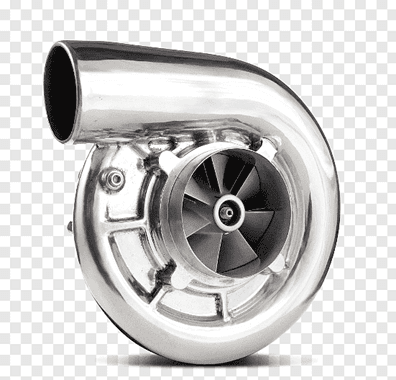
Centrifugal Compressor Source
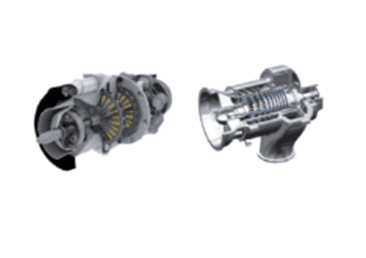
Axial Compressor Source
Selim Çetinkaya "Aşırı doldurma-sürerşarj." Ders Notları. Son erişim: 10 Şubat 2025. Erişim Adresi.
Yavuz, Hicri. "Dizel Motorlar." Kocatepe Üniversitesi Afyon Meslek Yüksek Okulu. Son erişim: 10 Şubat 2025. Erişim Adresi.

Henüz Tartışma Girilmemiştir
"Supercharger" maddesi için tartışma başlatın
How much power does a supercharger produce?
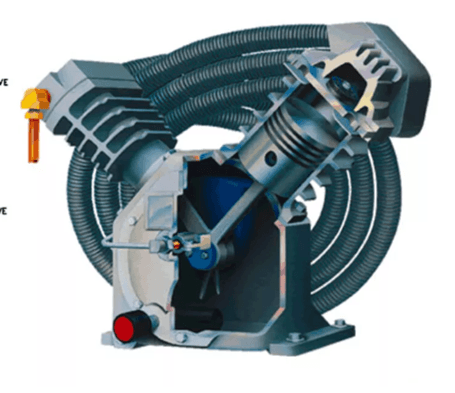
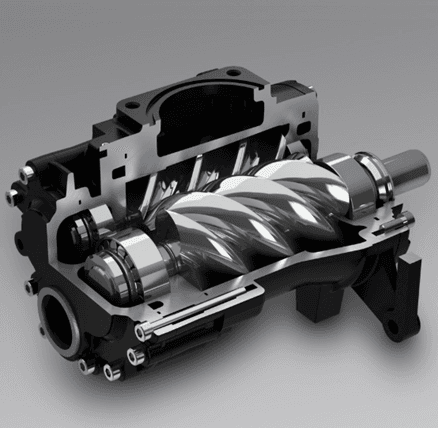
Examples of Compressor Types in Mechanical Supercharging
Centrifugal Compressor
Axial Compressor
Piston Compressor
Screw Type Compressor