


Sports, both at the individual and societal levels, function not only as physical and cultural activities but also as powerful diplomatic instruments employed by states to shape their foreign policies. Through sports activities and international events, states foster cultural rapprochement, manage their international image, and enhance economic cooperation. Positioned at the intersection of traditional diplomacy and public diplomacy, sports diplomacy represents a strategic approach that strengthens interstate relations, promotes intercultural dialogue, and effectively utilizes elements of soft power.
Formula 1, as one of the most prestigious and comprehensive organizations in international motorsports, serves as an effective tool utilized by states within the context of sports diplomacy. Officially organized for the first time in 1950 by the Fédération Internationale de l'Automobile (FIA), the Formula 1 World Championship has gradually evolved into a massive global event with significant economic, cultural, and technological impacts.
Countries hosting Formula 1 races view these events not merely as sporting competitions but as strategic diplomatic tools aimed at achieving objectives such as international promotion, boosting tourism activities, and fostering economic development. In this context, Formula 1 stands as a practical example of sports diplomacy, contributing to the enhancement of states' global visibility.
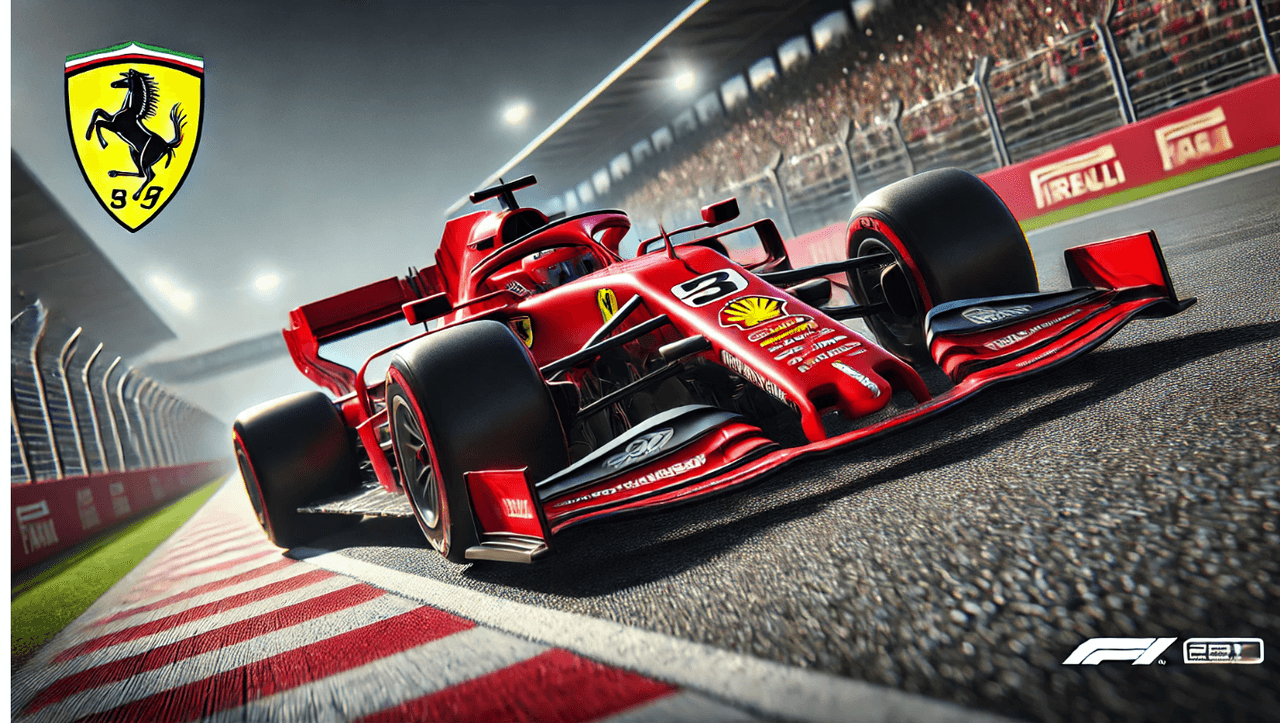
Scuderia Ferrari from Formula 1 (Generated by Artificial Intelligence)
Sports diplomacy refers to the strategic use of sports as an instrument in international relations, enabling states to exert influence through soft power beyond the practices of traditional diplomacy. While traditional diplomacy generally occurs between official state actors and government representatives, sports diplomacy offers a broader field of interaction that includes both official and non-official actors.
This form of diplomacy allows states to disseminate their cultural values, enhance their positive international image, and support economic relations. Throughout history, numerous effective examples of sports diplomacy have been observed. One of the most symbolic instances is the "Ping Pong Diplomacy" of the Cold War era, which laid the groundwork for the establishment of official diplomatic relations between the United States and the People's Republic of China.
Similarly, during periods of political tension between India and Pakistan, "Cricket Diplomacy" was employed as an effective diplomatic tool to reduce tensions and promote dialogue between the two nations. Sports diplomacy has also been utilized as a means of conveying political messages through the boycotts of major sporting events.
For instance, the boycott of the 1980 Moscow Olympic Games led by the United States and the subsequent Soviet boycott of the 1984 Los Angeles Olympic Games clearly demonstrated that sports had become an arena for interstate ideological confrontation.
One of the core functions of sports diplomacy is to assist states in strengthening their global image and fostering cultural understanding among peoples. By hosting international sporting events, states gain the opportunity to showcase their national identity and cultural values on a global scale.
Athletes and sports clubs can serve as cultural ambassadors, representing their countries positively in the eyes of the global public. In this context, sports diplomacy maintains its significance as a strategic diplomatic approach that extends diplomatic relations beyond formal protocols, increasing direct interaction among peoples and making interstate dialogue more genuine and inclusive.
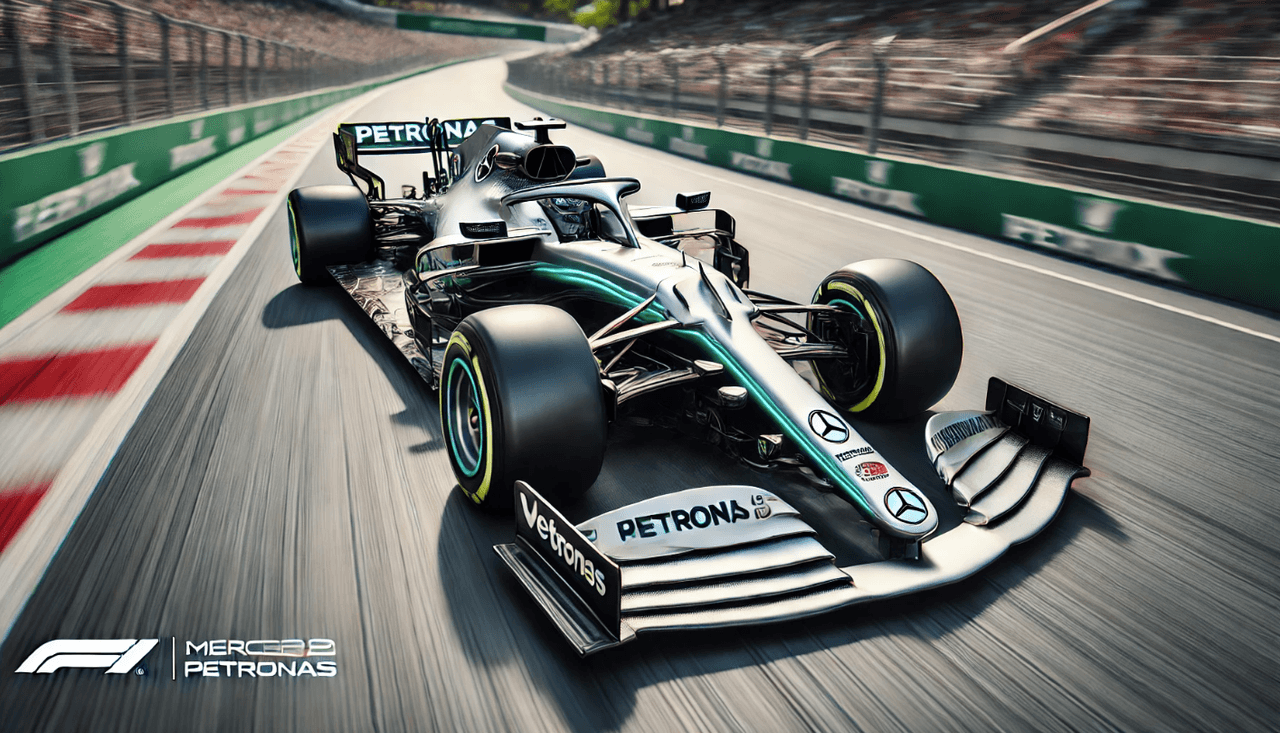
Mercedes-AMG Petronas from Formula 1 (Generated by Artificial Intelligence)
Formula 1, recognized as the highest level of international motorsport competition, was officially established as a World Championship by the Fédération Internationale de l'Automobile (FIA) in 1950. The inaugural race was held at the Silverstone Circuit in England, and Formula 1 quickly gained global recognition and prestige. While the early years of the championship featured relatively simple car designs and limited safety measures, over time, Formula 1 has evolved into the epicenter of groundbreaking advancements in automotive technologies, becoming a pioneer in technical innovation and advanced engineering.
During the 1970s and 1980s, the organization underwent significant technical transformations, particularly with developments in aerodynamics and the integration of turbocharged engines. The ground effect technology, which substantially enhanced vehicle performance, became widespread during this period but was later restricted by regulations due to safety concerns. By the 1990s, Formula 1 had transformed into a global economic powerhouse, driven by advancements in television broadcasting, expansive sponsorship agreements, and increased financial investments. This era played a critical role in the global proliferation and commercialization of the sport. Safety technologies, such as carbon fiber monocoque chassis, were standardized during this period, significantly improving driver protection.
In the 2000s, Formula 1 continued its technological and economic expansion. The prolonged dominance of teams such as Ferrari, followed by Red Bull Racing and Mercedes-AMG Petronas, further increased the sport's global popularity. The introduction of hybrid power units in 2014 marked a significant shift towards environmentally friendly technologies, reinforcing Formula 1's position as a leader in technological innovation. Today, Formula 1 is not only a sporting event but also a prominent platform where sustainable engineering solutions, digital transformation practices, and global economic policies intersect.
The global influence of Formula 1 extends beyond technology and economics; it has also become a strategic tool for cultural diplomacy and enhancing the international visibility of host nations. Countries hosting Formula 1 races leverage these events to promote their global image, increase tourism revenues, and accelerate infrastructure development.
In this regard, Formula 1 occupies a significant and effective role within the sports diplomacy strategies of various states. Countries included in the race calendar perceive Formula 1 not merely as a sporting event but also as an opportunity to shape their global image and strengthen international relations. Consequently, Formula 1 has secured a distinctive place in international relations literature as a practical and impactful example of modern sports diplomacy.
Formula 1 is the most comprehensive and strictly regulated series in motorsport, both in technical and organizational terms. The races are conducted within the framework of technical, sporting, and financial regulations established by the Fédération Internationale de l'Automobile (FIA), with the aim of ensuring safety, sustainability, and competitiveness.
Each season consists of a series of Grand Prix events held in various countries, with each team fielding two drivers per race. The race format includes free practice sessions, qualifying rounds, and the main race. Additionally, the “Sprint” format is applied at selected events to enhance viewer engagement and increase race dynamics.
Technical regulations are critical elements that directly shape the design of Formula 1 cars. Notably, with the introduction of new regulations in 2022, ground effect technology was reintroduced for the first time in nearly forty years. These changes simplified the aerodynamic designs of the cars and aimed to reduce following distances on track, thereby facilitating more overtaking opportunities.
Hybrid power units and the use of sustainable fuels are integral components of Formula 1's sustainability strategies and are supported by regulations designed to minimize the environmental impact of the sport. During this period, tire and wheel sizes were modified, safety standards were enhanced, and the minimum weight of the cars was increased to improve driver protection.
Organizationally, Formula 1 is governed by two distinct yet integrated management bodies: the FIA and Formula One Management (FOM). The FIA is responsible for the formulation and enforcement of sporting, technical, and financial regulations, whereas FOM manages the commercial rights and oversees media broadcasting. This dual structure enables a clear separation between regulatory functions and commercial operations, supporting the global economic success of the organization. The budget cap introduced in 2022 represents a significant reform aimed at reducing financial disparities among teams and promoting a more balanced sporting competition. This regulation is designed to enhance the economic sustainability of Formula 1 by limiting competitive advantages based on financial capacity.
The complex and dynamic transformations within the technical and organizational structure of Formula 1 have elevated its status beyond a mere sporting event, establishing it as a global platform that integrates high technology and strategic management.
In this context, Formula 1 has become an effective tool through which states can achieve strategic objectives within the framework of sports diplomacy. For host countries, Formula 1 offers advantages such as economic growth, the promotion of technological innovation, and enhanced global visibility, securing its special place within the literature on sports diplomacy.
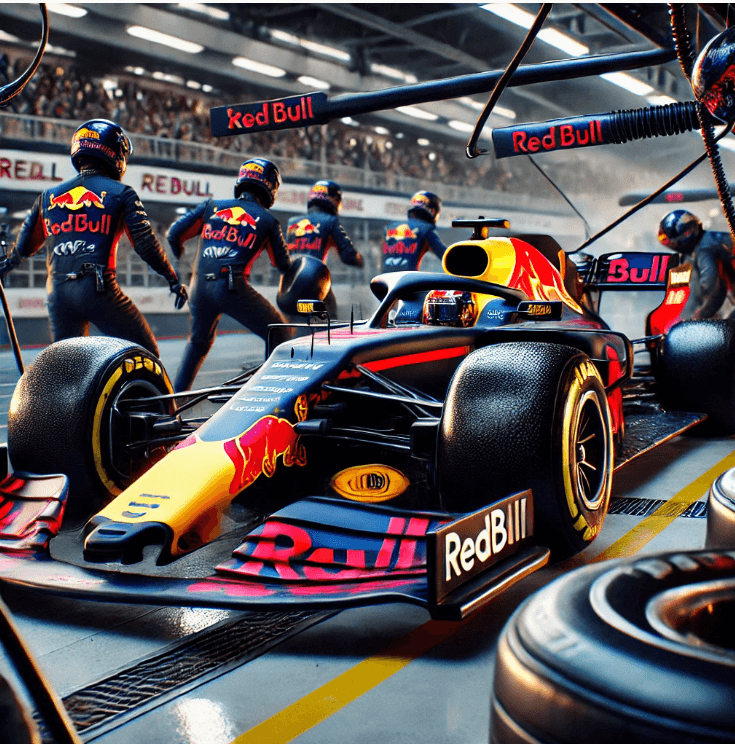
Red Bull Racing from Formula 1 (Generated by Artificial Intelligence)
Formula 1 today represents an organization where digitalization processes and Industry 4.0 applications are intensively utilized. Teams monitor real-time data collected from their cars to optimize race strategies, conduct performance analyses, and enhance engineering solutions more efficiently.
This process involves the management of extensive data streams collected via hundreds of sensors installed on the cars, monitoring variables ranging from engine performance and aerodynamics to tire temperatures and braking efficiency. The large datasets gathered are processed using artificial intelligence and advanced analytics, making significant contributions to the strategic decision-making processes of the teams.
Artificial intelligence and machine learning are widely employed by Formula 1 teams, particularly in pre-race simulations, vehicle setup optimization, and in-race strategic planning. Through digital twin technology, exact virtual replicas of the cars are created, enabling safer and more cost-effective testing via simulations rather than physical trials. These methods also contribute significantly to sustainability policies aimed at reducing the sport’s carbon footprint. With limitations imposed on on-track testing, simulator technologies have become critical tools in vehicle development and driver training processes, accelerating the digital transformation of Formula 1.
Cloud computing and Internet of Things (IoT) technologies have eliminated geographical barriers in Formula 1’s engineering and strategic development processes, enabling teams to share data and collaborate globally. This infrastructure allows data collected on the race track to be analyzed in real-time by engineers anywhere in the world, thereby enhancing operational efficiency.
Another dimension of digitalization lies in reshaping the spectator experience. Through digital broadcasting platforms and social media channels, Formula 1 races reach wider audiences globally, offering viewers real-time access to detailed data streams and technical analyses. This enhances fan engagement and deepens their connection with the sport.
In conclusion, the digitalization of Formula 1 and the effective application of Industry 4.0 technologies have profoundly transformed its economic, technical, and strategic dimensions. This technological evolution not only strengthens the competitive advantage of the teams and the organization but also increases Formula 1’s strategic value for states in the context of sports diplomacy. Thanks to the global reach enabled by digital platforms, Formula 1 continues to serve as a powerful tool for diplomacy and international promotion for host nations.
Formula 1 events represent one of the most effective practical examples of sports diplomacy, supporting states in strengthening their international image, fostering economic development, and gaining global visibility. Host nations perceive these events as strategic diplomatic instruments beyond mere sporting competitions, leveraging them for positive exposure in international media, revitalizing tourism, and promoting economic growth through infrastructure investment.
Türkiye’s hosting of the Formula 1 Grand Prix in 2005 with the opening of the Istanbul Park Circuit is a successful example of using sports as a diplomatic tool to enhance the country’s international recognition. Additionally, Türkiye’s re-inclusion in the Formula 1 calendar in 2020 and 2021 due to the COVID-19 pandemic provided an opportunity to showcase its organizational capacity and crisis management skills on a global scale.
In addition to the strategic benefits of hosting Formula 1 races, these events are also directly affected by international political developments. For example, following the Russia-Ukraine crisis in 2022, the cancellation of the Russian Grand Prix and the termination of contracts with Russia clearly demonstrated Formula 1’s interaction with global political dynamics. This highlights the sensitivity of the boundary between the political neutrality of sports organizations and international politics.
The impact of such political developments on Formula 1 underscores the importance of carefully evaluating sports' role in diplomacy and international relations.Another important aspect of Formula 1 in the context of sports diplomacy is its capacity to shape public opinion through global social media platforms. Teams, drivers, and Formula 1 management actively utilize digital communication to raise awareness of social responsibility initiatives, sustainability campaigns, and global social issues. The widespread use of social media has transformed Formula 1 into an important diplomatic actor that strengthens dialogue not only between states but also among individuals and societies.
In this respect, Formula 1 events provide states with the opportunity to utilize not only formal diplomatic channels but also digital communication tools for managing public perception in their sports diplomacy strategies.
In conclusion, Formula 1 stands as a significant case study in analyzing contemporary applications of sports diplomacy. The use of major sporting events by states to achieve economic, cultural, and diplomatic advantages clearly demonstrates the strategic value of Formula 1 in global sports diplomacy. In this regard, Formula 1 serves as an important and contemporary example in modern diplomacy practices, offering a deeper understanding of sport’s influence on international politics.
Formula 1 is currently undergoing a comprehensive transformation process that encompasses sustainability, technological innovation, and diversity policies. This process is shaped by the organization’s long-term objective of achieving carbon neutrality. Under the new technical regulations set to be implemented in 2026, power units will run on 100% sustainable fuels, aiming to minimize the sport’s environmental impact. Alongside these changes, reducing engine costs and encouraging the participation of new engine manufacturers in Formula 1 are also primary goals. The anticipated entry of major automotive brands such as Audi into the sport is regarded as a significant indicator of this strategic transformation.
An essential component of Formula 1’s strategic transformation is its geographic expansion policy. Targeting markets such as the United States, the Middle East, and Asia, Formula 1 management has added new races in cities like Miami and Las Vegas to reach a broader global audience. However, this expansion strategy has been met with criticism from some academics and sports commentators, who argue that the traditional European racing culture and the sport’s historical legacy are being neglected. Addressing this challenge requires the development of a balanced policy that harmonizes Formula 1’s historical values with its economic expansion strategies.
Diversity and inclusion policies are gaining increasing importance in Formula 1’s future objectives. The FIA and Formula 1 management are implementing comprehensive projects and developing educational programs to ensure that women drivers, engineers, and managers play a more active role within the organization. Initiatives such as the FIA Girls on Track program and the W Series dedicated to women are reinforcing Formula 1’s identity as an inclusive and diversity-oriented entity. These efforts contribute to the perception of Formula 1 as a socially responsible and innovative brand on a global scale.
Finally, technological innovation and digital transformation are at the core of Formula 1’s future vision. Artificial intelligence, machine learning, and digital simulations will continue to play an increasing role in car development and race strategies. Enhanced viewer experiences supported by new technologies such as digital broadcasting platforms and augmented reality are expected to further expand the organization’s global reach and popularity. These technological advancements will also increase Formula 1’s attractiveness to nations as a tool of sports diplomacy, thereby enhancing its strategic value on the international stage.
If Formula 1’s transformation process continues in alignment with global economic, environmental, and social developments, the sustainability and strategic importance of the organization will be further reinforced. States and other stakeholders are expected to continue integrating these developments into their diplomatic strategies, utilizing Formula 1 as an effective diplomatic instrument. This reality holds significant potential for the future of sports diplomacy.
Today, Formula 1 stands out as an effective tool of sports diplomacy in the context of interstate relations and global politics. Its historical development, technical transformation, economic impact, and digitalization processes enable states to strengthen their soft power on the international stage. In particular, host nations leverage Formula 1 to enhance their international visibility, achieve economic development objectives, and effectively implement cultural diplomacy.
Formula 1’s diplomatic impact is not isolated from global political developments. This increases the importance of the organization’s stance during political crises and sensitive international events. For example, the cancellation of the Russian Grand Prix due to the Ukraine crisis demonstrates the inevitable intersection between Formula 1 and global politics, highlighting the necessity for careful, balanced, and conscious policy development to manage this relationship.
Formula 1’s digitalization and technological transformation have made it an even more strategic asset for states. Through digital media, social platforms, and advanced technologies, Formula 1 has strengthened its capacity for global public engagement and offers an interactive sports experience. This development has led states to view Formula 1 not only as a traditional sporting event but also as a diplomatic communication and promotional tool.
Looking ahead, the transformation that Formula 1 will undergo in line with its sustainability objectives is expected to further increase its diplomatic significance. The integration of environmental, economic, and social sustainability policies with diversity and inclusion practices will elevate Formula 1’s strategic value in international relations and global politics. In this context, it is anticipated that states and other actors will continue to view Formula 1 as an effective diplomatic instrument in the future. The potential that Formula 1 holds for the future of sports diplomacy presents an important area for both academic and applied research in the field of diplomacy.
Civelek, Sare, ve Bahar Yalın. "Spor Diplomasisi Aracı Olarak Sosyal Medya: Formula 1 Türkiye Grand Prix Örneği." İletişim ve Diplomasi 9 (Aralık 2022): 97–122. https://doi.org/10.54722/iletisimvediplomasi.1197709.
Formula 1. "Drivers, Teams, Cars, Circuits and More: Everything You Need to Know About F1." Erişim 15 Mart 2025. https://www.formula1.com/en/latest/article/drivers-teams-cars-circuits-and-more-everything-you-need-to-know-about.7iQfL3Rivf1comzdqV5jwc.
Formula 1. "Ferrari News and Articles." Erişim 15 Mart 2025. https://www.formula1.com/en/latest/tags/ferrari.3dIkMVlv3iyaaScYu2OiYI.
Formula 1. "FP3: Piastri Leads Russell and Verstappen During Final Practice in Australia." Erişim 15 Mart 2025. https://www.formula1.com/en/latest/article/fp3-piastri-leads-russell-and-verstappen-during-final-practice-in-australia.5h4IY8OP3KpfZuFp2yrx5V.
Formula 1. "Kick Sauber." Erişim 15 Mart 2025. https://www.formula1.com/en/teams/kick-sauber.
Formula 1. "Official Website." Erişim 15 Mart 2025. https://www.formula1.com/.
Formula 1. "Red Bull Racing News and Articles." Erişim 15 Mart 2025. https://www.formula1.com/en/latest/tags/red-bull-racing.3cMoP6kpSMgCeoAIaGsU0a.
Formula 1. "The Beginner’s Guide to the F1 Drivers’ Championship." Erişim 15 Mart 2025. https://www.formula1.com/en/latest/article/the-beginners-guide-to-the-f1-drivers-championship.53MjXJzTDxQnfxfoCLnxNZ.
Formula 1. "‘We Were There When It Mattered’ – Hulkenberg Enthusiastic About Scoring Points." Erişim 15 Mart 2025. https://www.formula1.com/en/latest/article/we-were-there-when-it-mattered-hulkenberg-enthusiastic-about-scoring-points.7rcGZ4TEDAewwrLXm45WQ8.
Özbey, Ömer, Doğukan Doğan, ve Tekin Çolakoğlu. "Kamu Diplomasisi Aracı Olarak Spor Diplomasisi." Journal of Sports and Performance Researches 12, no. 1 (2021): 105–115.
Trunkos, Judit, ve Bob Heere. Sport Diplomacy: A Review of How Sports Can Be Used to Improve International Relationships. Morgantown, WV: FIT Publishing, 2020.
Urganoğlu, Furkan, ve Nezahat Koçyiğit. "Dijitalleşmenin Sektörel Etkileri: Formula 1 Örneği." Five Zero 3, no. 2 (2023): 328–340. https://doi.org/10.54486/fivezero.2023.31.
Yağmurlu, Aslı. "Kamu Diplomasisi Bakışından Spor Diplomasisi." Gaziantep University Journal of Social Sciences 18, no. 4 (2019): 1367–1380.
Henüz Tartışma Girilmemiştir
"Formula 1 and Sports Diplomacy " maddesi için tartışma başlatın
The Conceptual and Historical Background of Sports Diplomacy
The Historical Development and International Impact of Formula 1
The Technical and Organizational Structure of Formula 1
Digitalization and the Impact of Industry 4.0 in Formula 1
The Relationship Between Formula 1 and Sports Diplomacy
The Future of Formula 1: Strategic Transformation and New Visions
Bu madde yapay zeka desteği ile üretilmiştir.